

Forehead Lift
A forehead lift, or brow lift, elevates sagging brows and smooths forehead lines for a more refreshed facial appearance. It is tailored to facial anatomy and aesthetic goals.
Quick answer
A forehead lift, or brow lift, is a cosmetic procedure that raises sagging brows and softens forehead lines to create a more refreshed facial appearance. At Acibadem in Turkey, it is planned according to each person’s facial anatomy and goals, then performed using suitable surgical techniques to reposition the brow and smooth the upper face.
Considering a Forehead Lift: Understanding the Decision
The upper third of the face carries much of our expression. The position of the brows, the shape of the forehead, and the lines between the eyebrows can make a person appear attentive and rested, or tired, tense, and older than they feel. For many people, this change develops gradually. The eyebrows begin to sit lower, the skin of the forehead becomes heavier, and horizontal forehead lines or vertical frown lines become more noticeable. Some patients also notice that the upper eyelids look hooded, even when the main issue is actually a low brow rather than excess eyelid skin alone.
A forehead lift, often called a brow lift, is a facial aesthetic procedure designed to elevate the brows and improve the contour of the forehead. The aim is not to change who you are, but to restore a more open, refreshed, and balanced appearance while preserving natural facial movement. For international patients considering treatment abroad, the decision often involves more than the procedure itself. You may be thinking about safety, communication, surgical planning, recovery time, travel logistics, and whether your results will suit your face rather than follow a standard formula.
At Acibadem, forehead lift surgery is approached as a personalized facial procedure. The surgical plan is based on anatomy, skin quality, hairline position, eyebrow shape, eyelid condition, facial proportions, and the patient’s aesthetic goals. For some patients, a forehead lift is performed on its own. For others, it may be considered together with eyelid surgery, facelift surgery, skin resurfacing, or non-surgical treatments, depending on what is medically appropriate and aesthetically balanced.
The most important first step is a careful consultation. A well-planned brow lift requires more than simply raising the eyebrows. It involves understanding why the brow has descended, how the forehead muscles are contributing to lines and expression, how the eyelids are affected, and what degree of correction will look natural. A refined result depends on precision, restraint, and clear communication between patient and surgeon.
What Is a Forehead Lift?
A forehead lift is a surgical procedure that elevates sagging eyebrows, repositions forehead tissues, and softens lines in the upper face. It can improve horizontal forehead creases, heaviness above the eyes, deep lines between the eyebrows, and an overall tired or stern facial expression caused by brow descent. The procedure may involve small incisions hidden in the hairline or scalp, or incisions placed along or near the hairline, depending on the technique selected.
The term “forehead lift” is often used interchangeably with “brow lift,” although the focus may vary. Some patients primarily need elevation of the outer brow to improve lateral hooding over the eyes. Others need correction across the entire brow and forehead. Some patients benefit from treatment of the muscles that create deep frown lines between the eyebrows. The technique is selected according to the patient’s anatomy and desired outcome.
Modern forehead lift surgery is typically performed using one of several approaches. An endoscopic brow lift uses small incisions in the scalp and a slender camera to help the surgeon view and adjust deeper tissues. A hairline or pretrichial brow lift may be used when the hairline position needs to be preserved or when the forehead is naturally long. A coronal brow lift, with an incision farther back in the scalp, may be suitable in selected patients, although it is less commonly chosen today than more limited-incision approaches. A temporal or lateral brow lift focuses mainly on the outer brow and may be appropriate when the central forehead does not require significant elevation.
Although the procedure is aesthetic, it can also have functional benefits in some patients. A low brow can contribute to heaviness over the upper eyelids, narrowing the visual field or causing a person to raise the forehead muscles constantly to see more comfortably. When this happens, the patient may develop forehead fatigue or deeper forehead lines from repeated compensation. A forehead lift can help address the underlying brow position when appropriate.
Who May Need a Forehead Lift?
Patients who consider a forehead lift often describe looking tired, sad, angry, or older even when they feel well. They may notice that the eyebrows sit lower than they used to, the upper eyelids appear heavy, or makeup becomes harder to apply because of excess skin crowding the eyelid area. Some people find themselves constantly lifting their brows in photographs or in conversation. Others are bothered by deep horizontal forehead lines or vertical frown lines that do not improve adequately with non-surgical treatments.
Typical concerns that may lead to a forehead lift consultation include sagging eyebrows, heaviness above the eyes, deep forehead creases, asymmetry of the brows, a long or crowded upper eyelid appearance, and a facial expression that seems tense or fatigued. A forehead lift may be especially relevant when the outer part of the brow has descended, creating a hooded appearance at the outer upper eyelids.
Diagnosis begins with a detailed facial assessment. The surgeon evaluates brow position at rest and during expression, forehead height, hairline shape, scalp laxity, eyelid skin, eyelid muscle tone, facial symmetry, and skin quality. Photographs may be taken for planning and documentation. The surgeon may gently lift the brow manually during the consultation to show how different degrees of elevation could affect the upper eyelids and overall expression. This helps distinguish true brow descent from problems caused mainly by eyelid skin excess or eyelid ptosis, where the eyelid itself droops.
Medical evaluation is also important. Patients are asked about previous facial surgery, eye conditions, dry eye symptoms, thyroid disease, neurological conditions, scarring tendencies, medications, allergies, smoking, and general health. Blood tests, anesthesia evaluation, and additional assessments may be recommended before surgery. For international patients, these steps may be coordinated before travel whenever possible, with final in-person assessment after arrival.
Not every patient with forehead lines or brow heaviness needs surgery. Some people are better suited to injectable treatments, skin treatments, eyelid surgery, or a combination approach. A forehead lift is generally considered when brow descent is significant enough that repositioning the underlying tissues will provide a more effective and durable correction than surface-level treatments alone.
Conditions and Indications a Forehead Lift Can Address
A forehead lift may be appropriate for several aesthetic and functional concerns involving the upper face. The most common indication is brow ptosis, which means drooping of the eyebrows. Brow ptosis may affect the entire brow or be more prominent at the outer brow. It can be related to aging, genetics, sun exposure, skin laxity, changes in facial fat support, or long-term muscle activity.
The procedure can also address forehead rhytids, which are lines and creases that form across the forehead. These lines are often caused by repeated use of the frontalis muscle, especially when a person unconsciously raises the brows to compensate for brow heaviness. By repositioning the brow, the need for constant forehead muscle contraction may be reduced, which can soften the appearance of these lines.
Another indication is glabellar frown lines, the vertical or angled lines between the eyebrows. These are influenced by specific muscles that pull the brows inward and downward. During certain brow lift techniques, the surgeon may weaken or adjust these muscles to reduce the depth of frown lines. However, very deep lines may not disappear completely, particularly if the skin has developed permanent creasing over time.
Forehead lift surgery may also improve upper eyelid crowding caused by low brow position. This is an important distinction. If the brow is low, removing upper eyelid skin alone may not create the desired openness and may even place tension on the eyelid. In some cases, the best plan may include both brow lift and upper blepharoplasty. In other cases, a brow lift alone may sufficiently improve the upper eyelid area.
Patients with brow asymmetry may also benefit from surgery, although perfect symmetry is not realistic because natural faces are not perfectly symmetrical. The goal is to improve balance and reduce obvious differences while maintaining a natural expression. For patients with previous trauma, facial nerve weakness, or prior surgery, planning may be more complex and requires individualized assessment.
How a Forehead Lift Is Performed
A forehead lift begins with a consultation and surgical plan tailored to the patient’s facial structure. The surgeon discusses the patient’s concerns, reviews photographs, examines the upper face, and explains which technique is most suitable. The plan includes incision placement, expected degree of brow elevation, whether the central or outer brow requires more adjustment, and whether additional procedures should be considered. For international patients, this discussion is especially important because it helps align expectations before travel and allows time for questions.
Before surgery, patients receive instructions about medications, supplements, smoking, alcohol, skincare, and fasting. Blood-thinning medications and certain supplements may need to be stopped before surgery if medically appropriate and approved by the prescribing physician. Smoking can impair healing and increase the risk of complications, so patients are usually advised to stop well before and after the procedure. A pre-anesthesia evaluation helps determine the safest anesthesia plan.
On the day of surgery, markings are made while the patient is upright so the natural brow position, hairline, and facial symmetry can be assessed accurately. Forehead lift surgery is usually performed under general anesthesia or local anesthesia with sedation, depending on the technique, patient preference, and medical considerations. The surgical duration varies according to the method used and whether other procedures are performed at the same time, but many brow lift operations are completed within a few hours.
In an endoscopic forehead lift, several small incisions are made behind the hairline. A thin camera and specialized instruments allow the surgeon to work beneath the skin and forehead tissues with controlled visualization. The brow and forehead tissues are released, repositioned, and secured in a higher, more balanced position. This approach may reduce visible scarring because incisions are hidden within the scalp, and it is commonly selected for patients with suitable hairline and tissue characteristics.
In a hairline forehead lift, the incision is placed along the front hairline or within natural hairline irregularities. This method can elevate the brows without moving the hairline backward and may be useful for patients with a higher forehead. It can also allow removal of a measured amount of forehead skin. The incision is planned carefully to make the scar as discreet as possible, though scar quality varies by individual healing and hair characteristics.
A temporal or lateral brow lift uses incisions in the temple hair-bearing area to lift the outer brow. This can be appropriate when the main concern is lateral hooding or descent of the outer brow. It may be combined with eyelid surgery when the upper eyelid area needs additional refinement. A coronal approach, with a longer incision behind the hairline, is used less often but may be considered in selected cases where broader access is needed.
The types of technology used in forehead lift surgery are selected to support accuracy, safety, and planning. High-resolution clinical photography helps document the face from multiple angles and assists in surgical planning. Endoscopic visualization, when used, allows the surgeon to see tissue layers through small incisions. Modern anesthesia monitoring helps the care team track vital functions throughout the operation. In some patients, imaging or ophthalmologic evaluation may be recommended if there are eye-related symptoms or complex anatomy.
After the brow tissues are repositioned, the incisions are closed with sutures or staples depending on their location. A light dressing or head wrap may be applied. Patients are monitored in the recovery area as anesthesia wears off. Some patients return to their accommodation the same day, while others may stay overnight depending on the extent of surgery, anesthesia plan, overall health, and whether additional procedures were performed.
Recovery is usually manageable, but it requires patience and careful adherence to instructions. Swelling, bruising, tightness, scalp numbness, and mild discomfort are common in the early days. The forehead may feel firm or elevated at first, and the final brow position settles gradually as swelling decreases and tissues adapt. Patients are often advised to keep the head elevated, use cold compresses as directed, avoid strenuous activity, and attend follow-up appointments for wound checks and suture or staple removal if needed.
Most patients can resume light daily activities within several days, although visible bruising and swelling may last longer. Many people feel comfortable returning to remote work or quiet social activities within one to two weeks, depending on the extent of bruising and their personal comfort. Exercise, heavy lifting, and activities that increase blood pressure are usually restricted for several weeks. Final refinement of the result continues over months as tissues soften and scars mature.
Why Acting Early Matters
A forehead lift is not usually an emergency procedure, but timing can still matter. When brow descent is mild, some patients may benefit from non-surgical treatments or a limited surgical approach. If sagging progresses significantly, the upper eyelid area may become more crowded, forehead lines may deepen, and the surgical plan may need to address more complex tissue changes. Early consultation does not necessarily mean early surgery; it means understanding the cause of the concern and choosing the right time and treatment strategy.
Delaying evaluation can also lead to the wrong procedure being selected. For example, a patient who believes they need upper eyelid surgery may actually have significant brow descent. If eyelid skin is removed without correcting the brow position when needed, the result may be less balanced and the heaviness may persist. Careful assessment helps identify whether the brow, eyelid, skin, or a combination of factors is responsible.
There are also practical reasons to plan ahead, especially for international patients. A forehead lift requires time for preoperative evaluation, travel arrangements, surgery, early recovery, and follow-up before returning home. Patients should allow enough time for swelling to improve and for the surgical team to confirm that healing is progressing appropriately before long-distance travel. Rushed decision-making can increase anxiety and may leave insufficient time to understand the procedure and recovery expectations.
In functional cases, where brow heaviness contributes to visual field restriction, headaches from chronic forehead muscle use, or eyelid fatigue, timely evaluation can help reduce ongoing discomfort. A surgeon may recommend additional testing or ophthalmologic assessment if symptoms suggest that vision is affected. The treatment plan should be based on both appearance and function when both are involved.
Benefits of a Forehead Lift
The potential benefits of a forehead lift depend on the patient’s anatomy, technique, and healing response, but they commonly include the following:
| Benefit | What It Means for You |
|---|---|
| Elevated brow position | A low or heavy brow can be repositioned to create a more open upper face while maintaining natural expression. |
| Reduced forehead heaviness | Patients may feel less need to raise the forehead muscles constantly, which can help reduce a tired or strained appearance. |
| Softer forehead and frown lines | Lines caused by repeated muscle activity may become less prominent, although deep skin creases may still require additional treatments. |
| Improved upper eyelid appearance | When hooding is partly caused by brow descent, lifting the brow can make the eyelid area look less crowded. |
| More balanced facial proportions | A tailored lift can improve the relationship between the forehead, brows, eyes, and midface without creating an overcorrected look. |
| Longer-lasting correction than many non-surgical options | Because the procedure repositions deeper tissues, results generally last longer than treatments that only relax muscles or improve skin surface quality. |
Recovery Timeline After a Forehead Lift
Recovery varies from person to person, but many patients can use the following general timeline to understand what to expect:
| Time Period | What Patients Can Expect |
|---|---|
| Day 1 | Mild to moderate swelling, tightness, and discomfort are common. A dressing may be in place, and patients are advised to rest with the head elevated. |
| First Week | Bruising and swelling may peak and then begin to improve. Patients usually attend follow-up visits, and light walking is encouraged. |
| First Month | Most visible bruising has usually improved, and many patients return to normal social and work activities. Strenuous exercise may still be limited until cleared by the surgeon. |
| Two to Three Months | Tightness and numbness gradually decrease. The brow position begins to look more settled, and incision areas continue to mature. |
| Longer Term | Scars continue to fade and tissues soften over several months. Final refinement develops gradually, with results influenced by aging, skin quality, lifestyle, and genetics. |
Factors That Influence Outcomes and a Good Result
A successful forehead lift is measured not only by how much the brow is raised, but by how naturally the upper face fits the rest of the face. Several factors influence the final result, including the patient’s anatomy, skin elasticity, hairline position, bone structure, brow shape, degree of asymmetry, and the presence of eyelid concerns. A conservative, individualized plan is often preferable to excessive elevation, which can create an artificial or surprised appearance.
Skin quality plays an important role. Patients with good elasticity may see smoother contour and better tissue adaptation. Patients with significant sun damage, deep etched lines, or thin skin may still benefit from brow repositioning, but may need complementary treatments to improve surface texture. These may include laser-based treatments, chemical peels, injectable treatments, or medical skincare when appropriate.
Hairline and hairstyle are also important. Incision placement must be selected with careful attention to whether the patient has a high forehead, low hairline, thinning hair, previous hair transplantation, or a tendency toward visible scarring. For men, surgical planning must consider male-pattern hair loss and the future visibility of scalp incisions. For women, the density and direction of hair growth around the hairline may influence the preferred technique.
Eye health affects planning as well. Patients with dry eye symptoms, previous eyelid surgery, contact lens intolerance, thyroid eye disease, or eyelid laxity require particular care. A brow lift can change the relationship between the brow and eyelids, so any underlying eye condition should be discussed before surgery. In some cases, the surgeon may request ophthalmologic evaluation before proceeding.
General health and lifestyle habits also influence healing. Smoking, uncontrolled diabetes, certain autoimmune conditions, blood-thinning medications, and poor nutrition may increase the risk of delayed healing or complications. Patients should be open about their medical history and medications so the team can reduce avoidable risks. Following postoperative instructions is equally important. Elevating the head, avoiding strenuous activity, protecting incisions, attending follow-up appointments, and reporting unusual symptoms early all support a safer recovery.
Expectations are another central factor. A forehead lift can refresh the upper face, but it does not stop aging or create perfect symmetry. It does not replace all skin treatments, and it may not fully remove deep wrinkles that have become fixed in the skin. The most satisfying outcomes usually occur when the patient and surgeon share a clear understanding of what surgery can and cannot accomplish.
As with any surgery, a forehead lift carries potential risks. These may include bleeding, infection, poor scarring, asymmetry, temporary or persistent numbness, hair thinning near incisions, changes in scalp sensation, delayed healing, undercorrection or overcorrection, and the possible need for revision surgery. Serious complications are uncommon but can occur. A careful surgical plan, appropriate patient selection, qualified anesthesia care, and close postoperative follow-up help reduce risk.
Why International Patients Choose Acibadem for Forehead Lift Surgery
International patients seeking forehead lift surgery often look for a combination of medical quality, clear communication, privacy, and coordinated support during travel. Acibadem Hospitals in Turkey provide care within JCI-accredited hospitals, with clinical pathways designed to meet international standards of safety and patient experience. For patients traveling from the United States, Europe, the Middle East, or other regions, this structure can make the process of receiving care abroad more organized and transparent.
Forehead lift surgery at Acibadem is planned by experienced physicians who evaluate the upper face in relation to the entire facial structure. The approach is not limited to lifting the brow; it includes assessment of eyelid anatomy, forehead height, hairline position, skin quality, facial symmetry, and the patient’s preferred level of change. When needed, specialists from related fields may be involved, particularly if the patient has eye symptoms, previous surgery, medical conditions, or a more complex aesthetic plan.
Multidisciplinary care is one of the advantages of a large hospital-based setting. While a forehead lift is usually performed by a plastic, reconstructive, and aesthetic surgeon, patients may also benefit from access to anesthesiology, ophthalmology, dermatology, internal medicine, and other specialties when clinically relevant. This is especially important for international patients who want a thorough evaluation before undergoing surgery away from home.
Acibadem’s hospitals use modern diagnostic and surgical planning pathways, including high-quality clinical imaging, careful preoperative assessment, and advanced operating room infrastructure. When endoscopic techniques are appropriate, magnified visualization can help the surgeon work through smaller incisions and adjust deeper tissues with precision. Anesthesia teams use contemporary monitoring systems throughout the procedure, and postoperative care is structured to identify and address concerns early.
Personalized treatment planning is central to forehead lift surgery because the same brow position will not suit every face. A higher arch may be aesthetically appropriate for one person and unnatural for another. Some patients want a subtle improvement that makes them look less tired; others need more meaningful correction because the brow is contributing to eyelid hooding. At Acibadem, consultation focuses on matching the technique to the patient’s anatomy and goals rather than applying a single method to all patients.
For international patients, non-clinical support also matters. Acibadem International provides assistance in multiple languages, helping patients communicate with care teams and navigate appointment scheduling, medical record sharing, hospital admission, and follow-up planning. Patients can often begin the process by submitting photographs and medical information for preliminary review, followed by an in-person consultation before any final surgical decision is made.
Travel planning is discussed with recovery in mind. Patients are advised to allow enough time in Turkey for surgery, early healing, and postoperative checks before flying home. The exact recommended stay depends on the technique, whether other procedures are combined, and the surgeon’s assessment. Clear discharge instructions and follow-up recommendations are provided so that patients understand how to care for incisions, what symptoms are expected, and when to seek medical advice after returning home.
Choosing care abroad is a significant decision. Patients often feel reassured when they can ask detailed questions, understand the surgical rationale, and receive information in their preferred language. A thoughtful process should include review of risks, alternatives, expected recovery, limitations, and the possibility that a different procedure may better suit the patient’s needs. This kind of honest assessment is essential to ethical aesthetic medicine.
Taking the Next Step
A forehead lift can be an effective option for patients who are bothered by sagging brows, forehead heaviness, upper eyelid crowding, or a tired expression that no longer reflects how they feel. The best results come from careful diagnosis, individualized technique selection, and realistic expectations. For some patients, a brow lift alone is appropriate. For others, the most balanced plan may include eyelid surgery or non-surgical treatments to address skin quality and deeper lines.
If you are considering a forehead lift, a consultation or second opinion can help clarify whether the procedure is right for you. By reviewing your photographs, medical history, facial anatomy, and goals, the care team can explain available options and help you understand the expected recovery process. International patients can also discuss travel timing, language support, and follow-up planning before making a decision.
Acibadem’s approach to forehead lift surgery combines detailed facial assessment, hospital-based safety standards, experienced surgical care, and support for patients traveling from abroad. The goal is a result that looks refreshed, balanced, and appropriate for your own features, with a treatment plan designed around your anatomy rather than a fixed aesthetic template.
This information is intended as general education and is not a substitute for professional medical advice, diagnosis, or treatment. A qualified physician should evaluate your individual condition and recommend the most appropriate care for you.
Preparation
- Before a forehead lift, the plastic surgeon evaluates facial structure, skin quality, hairline position, and medical history. Patients may need blood tests and anesthesia assessment. Smoking, alcohol, and blood-thinning medicines are usually stopped as advised before surgery.
Aftercare
- After surgery, swelling, bruising, and tightness are common and gradually improve. Patients should keep the head elevated, avoid strenuous activity, and follow wound-care instructions. Stitches or clips are removed according to the surgeon’s plan, and follow-up visits monitor healing.
Turkey vs UK, Germany & USA
A forehead lift is tailored to facial anatomy, brow position, hairline, skin quality and aesthetic goals. Costs and the overall patient experience vary by country, hospital setting, surgeon expertise and what is included in the care pathway.
The comparison below highlights non-price factors that commonly influence the total cost and experience of having a forehead lift abroad or locally.
| Factor | Turkey | UK | Germany | USA |
|---|---|---|---|---|
| Cost structure | Often offered as an international patient package with bundled hospital, surgeon and coordination services. | Private care is usually quoted through clinics or hospitals, with separate items depending on the provider. | Pricing may be structured by clinic, hospital, anaesthesia and aftercare components. | Costs can vary widely by city, facility, surgeon profile and anaesthesia setting. |
| Hospital and surgeon factors | International hospitals may combine plastic surgery teams, modern operating facilities and multilingual coordination. | Choice may include private aesthetic clinics and hospital-based consultants. | Patients may choose between private clinics and hospital-based surgical departments. | Wide range of providers, from private aesthetic practices to hospital-affiliated surgeons. |
| Accreditation and quality | JCI-accredited hospitals are available, and quality should be assessed by facility standards and surgeon credentials. | Regulation, professional registration and clinic standards are important review points. | Hospital certification, surgeon qualifications and safety protocols should be assessed. | Accreditation, board certification and facility safety standards are key considerations. |
| Waiting times | International patient departments may help coordinate consultations, surgery dates and follow-up planning efficiently. | Private scheduling depends on surgeon availability and clinic capacity. | Private scheduling varies by region, surgeon and facility. | Availability depends on surgeon demand, location and facility scheduling. |
| Travel and language logistics | Travel planning, airport transfers, interpreters and hotel guidance may be included or arranged. | Minimal travel logistics for local patients; international patients may need to arrange support separately. | International patients may need language support and travel coordination depending on the clinic. | Travel distances, accommodation and local support can add complexity for non-local patients. |
| Typical package inclusions | May include consultation, pre-operative checks, surgery, hospital services, medications, follow-up and patient coordination. | Inclusions vary; aftercare, tests or revision policies should be confirmed in writing. | Inclusions vary by provider; imaging, tests and follow-up may be itemised. | Quotes may separate surgeon, facility, anaesthesia and follow-up items. |
What affects your final cost
- Type of forehead lift technique and surgical complexity.
- Surgeon experience, hospital category and operating room setting.
- Whether the procedure is combined with eyelid surgery, facelift or other facial treatments.
- Anaesthesia type, medical tests, medications and post-operative garments or dressings.
- Length of stay, hotel preferences, transfers, interpreter support and follow-up arrangements.
- Revision policy, aftercare needs and any additional medical conditions that require planning.
Compare your options
Several clinical approaches can be used to lift the brow and smooth the forehead area. Suitability is decided by a specialist after assessing facial anatomy, skin quality, hairline, brow position and personal goals.
| Option | What it is | Typical use | Key considerations |
|---|---|---|---|
| Endoscopic forehead lift | A minimally invasive surgical approach using small scalp incisions and a camera-assisted technique. | Often considered for mild to moderate brow descent and forehead lines. | May offer smaller scars, but results depend on tissue quality, brow heaviness and fixation method. |
| Open or coronal forehead lift | A traditional surgical lift using an incision within the hair-bearing scalp. | May be considered when more extensive forehead and brow repositioning is needed. | Can be effective for significant laxity, but incision placement, scalp sensation and hairline impact must be discussed. |
| Hairline forehead lift | A lift performed near the hairline to elevate the brow while managing forehead height. | May be considered for patients concerned about a high forehead or hairline position. | Scar placement, hairline quality and healing tendency are important planning factors. |
| Temporal or lateral brow lift | A focused lift targeting the outer brow through incisions near the temple area. | Often used for lateral brow droop or to refresh the upper outer eye area. | It may not address central forehead lines or full brow descent as comprehensively as broader techniques. |
| Direct brow lift | A lift performed through an incision above the brow to elevate brow tissue directly. | May be used in selected functional or reconstructive cases, especially when brow position affects vision. | Visible scar risk and skin quality must be carefully evaluated. |
| Non-surgical brow lifting | Injectables or energy-based treatments used to create a subtle lifting or smoothing effect. | May suit patients seeking temporary or modest improvement without surgery. | Results are limited compared with surgery and maintenance treatments are usually needed. |
Trusted care for international patients
General information only — not medical or financial advice. Final costs depend on the factors above and your individual case; request a free, personalised quote.
Doctors Performing This Treatment

Prof. Dr. Bülent Saçak
Aesthetic Plastic & Reconstructive Surgery
Prof. Dr. Ersin Ülkür
Aesthetic Plastic & Reconstructive Surgery
Prof. Dr. Hakan Ağır
Aesthetic Plastic & Reconstructive Surgery
Prof. Dr. Mehmet Veli Karaaltın
Aesthetic Plastic & Reconstructive Surgery
Prof. Dr. Çiğdem Ünal Gülmeden
Aesthetic Plastic & Reconstructive Surgery
Prof. Dr. Şükrü Yazar
Aesthetic Plastic & Reconstructive Surgery
Assoc. Prof. Dr. Ahmet Küçükçelebi
Aesthetic Plastic & Reconstructive Surgery
Assoc. Prof. Dr. Erdem Güven (m)
Aesthetic Plastic & Reconstructive Surgery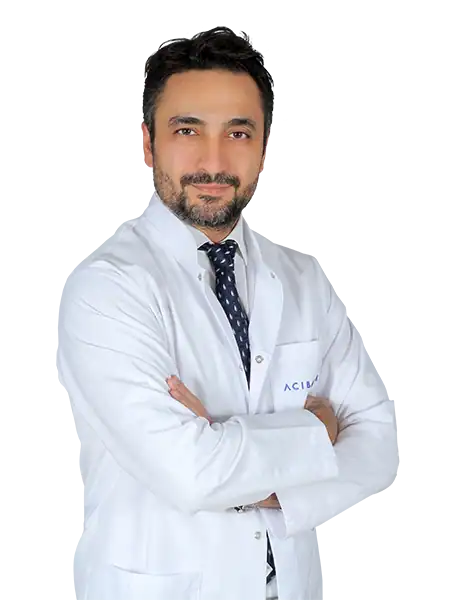
Assoc. Prof. Dr. Mehmet Altiparmak
Aesthetic Plastic & Reconstructive Surgery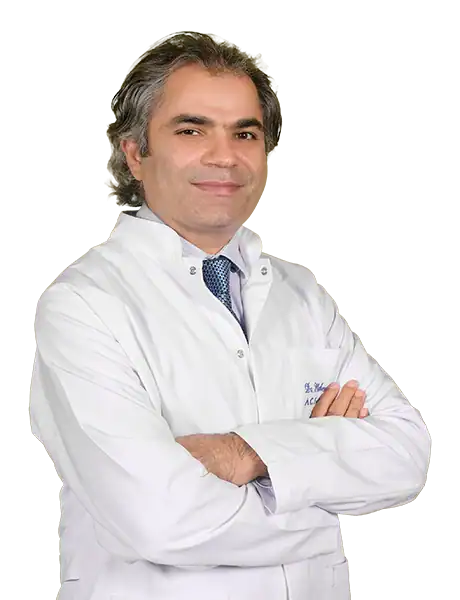
Assoc. Prof. Dr. Mehmet Sağır
Aesthetic Plastic & Reconstructive Surgery
Asst. Prof. Dr. Berkhan Yilmaz
Aesthetic Plastic & Reconstructive Surgery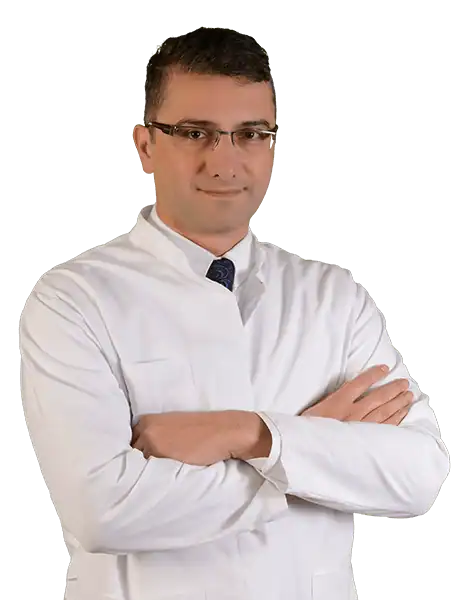
Dr. Abdullah Etöz
Aesthetic Plastic & Reconstructive Surgery
Dr. Ayşe İrem İskenderoğlu
Aesthetic Plastic & Reconstructive Surgery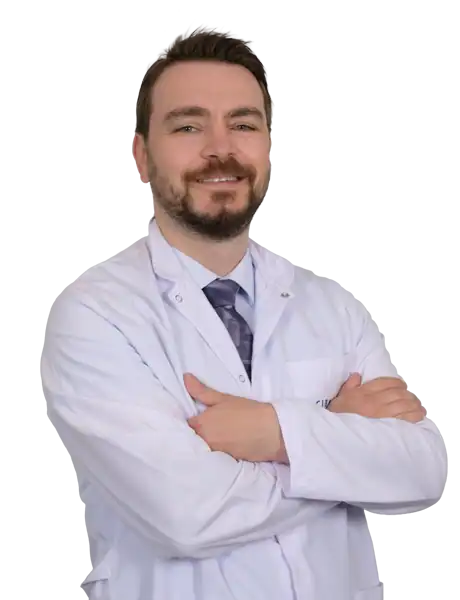
Dr. Burak Sercan Erçin
Aesthetic Plastic & Reconstructive Surgery
Dr. Cem Öz
Aesthetic Plastic & Reconstructive Surgery
Dr. Mahmut Özyilmaz
Aesthetic Plastic & Reconstructive Surgery
Dr. Mehmet Severcan
Aesthetic Plastic & Reconstructive Surgery
Dr. Mithat Ulay
Aesthetic Plastic & Reconstructive Surgery
Dr. Mustafa Mert Okumuş (m)
Aesthetic Plastic & Reconstructive Surgery
Dr. Mutluhan Temizsoy
Aesthetic Plastic & Reconstructive Surgery
Dr. Münür Selçuk Kendir
Aesthetic Plastic & Reconstructive Surgery
Dr. Nargiz Ibrahimli
Aesthetic Plastic & Reconstructive Surgery
Dr. Nezail Demircler
Aesthetic Plastic & Reconstructive Surgery
Dr. Nihal Üstün
Aesthetic Plastic & Reconstructive SurgeryMedical Units
Available at These Hospitals












Frequently Asked Questions
What affects the cost of a forehead lift?
The final cost depends on the technique used, surgeon and hospital factors, anaesthesia, pre-operative tests, whether other procedures are combined, aftercare needs and travel-related services. A specialist evaluation is needed for a personalised quote.
How can I get a personalised quote from Acibadem?
You can request a free consultation by sharing photos, medical history, previous facial procedures and your aesthetic goals. The clinical team can review suitability and provide a tailored treatment plan and quote.
Are travel and accommodation included in the package?
Package inclusions vary. International patient services may help coordinate airport transfers, hotel options, interpreter support and hospital appointments, but you should confirm exactly what is included before booking.
Can a forehead lift be combined with eyelid surgery or a facelift?
Yes, combination treatment may be considered when it is medically appropriate and aligned with the patient’s goals. Combining procedures can change operating time, recovery planning, anaesthesia needs and total cost.
Does a lower quote mean the same level of care?
Not necessarily. It is important to compare surgeon credentials, hospital accreditation, anaesthesia safety, aftercare, revision policies and what the quote includes rather than comparing cost alone.