

Skin Grafting
Skin grafting transfers healthy skin from one body area to cover damaged or missing skin, helping restore protection, healing and appearance after burns, trauma, wounds or surgery.
Quick answer
Skin grafting is a surgical procedure that moves healthy skin from one area of the body to cover damaged or missing skin, helping protect the wound, support healing, and improve function and appearance. At Acibadem in Turkey, skin grafting is planned according to the size, depth, and cause of the skin loss and may be performed using different graft types…
When Skin Needs to Heal, Protection Matters
Skin is often described as the body’s largest organ, but when it is damaged, patients quickly understand that it is also one of the body’s most important barriers. It protects against infection, helps regulate temperature, preserves fluid balance, and allows us to interact with the world through touch. When skin is lost after a burn, trauma, severe wound, infection, or surgery, healing can become difficult or delayed. The exposed area may be painful, vulnerable to bacteria, and unable to close on its own.
For many patients, the idea of skin grafting raises understandable concerns. You may be worried about pain, scarring, appearance, the need for additional procedures, or how long recovery will take. If you are researching treatment abroad, you may also be considering how your diagnosis will be reviewed, whether the surgical team has experience with complex wounds, and how your care will be coordinated before and after travel.
Skin grafting is a well-established reconstructive procedure designed to help close wounds and restore coverage when the body cannot do so adequately by itself. In the right clinical setting, it can reduce the risk of infection, support faster wound closure, improve function, and provide a more stable foundation for long-term recovery. It may be part of emergency care, planned reconstructive surgery, burn treatment, cancer surgery reconstruction, or chronic wound management.
At Acibadem, skin grafting is approached as more than a technical surgical step. The condition of the wound, the patient’s general health, circulation, nutritional status, infection risk, expected function, and aesthetic goals all matter. For international patients, careful pre-treatment evaluation and coordinated planning can help ensure that the procedure is performed at the right time, using an appropriate surgical method, with a recovery plan that is realistic for travel and follow-up.
What Is Skin Grafting?
Skin grafting is a surgical procedure in which healthy skin is transferred from one area of the body to another area where skin is missing or damaged. The area that provides the healthy skin is called the donor site. The area that receives the graft is called the recipient site. Once placed, the graft must attach to the wound bed and develop a new blood supply from the tissue beneath it. This process is essential for the graft to survive and become part of the repaired area.
Skin grafts are commonly used when a wound is too large, too deep, or too complex to heal well through natural closure alone. They may be used after burns, trauma, surgical removal of tumors, chronic non-healing wounds, pressure injuries, diabetic foot wounds, or infections that have caused tissue loss. In some cases, skin grafting is performed after a wound has been cleaned and prepared over several days or weeks. In other cases, it is done during the same operation as tumor removal or reconstructive repair.
There are different types of skin grafts. A split-thickness skin graft includes the outer layer of the skin and part of the deeper dermal layer. This type is commonly used for larger areas because it can cover broad wounds and the donor site usually heals on its own. A full-thickness skin graft includes the full depth of the skin. It is often selected for smaller areas where color match, contour, flexibility, or cosmetic appearance is especially important, such as the face, hands, or other visible or functional regions.
In selected cases, surgeons may use special grafting techniques to expand coverage, improve contour, or combine grafting with other reconstructive methods. If important structures such as bone, tendon, cartilage, or hardware are exposed, a skin graft alone may not be sufficient. A tissue flap or another reconstructive option may be needed before or instead of grafting. This is why careful evaluation by an experienced surgical team is essential.
The goal of skin grafting is not only to cover a wound. The aim is to create durable skin coverage that protects the body, supports healing, preserves movement where possible, and achieves an appearance that is appropriate for the patient’s condition and anatomy.
Who May Need Skin Grafting?
Patients may be considered for skin grafting when the body cannot close a wound safely or effectively on its own. This may happen after sudden injuries, planned operations, burns, infections, or long-standing wounds that fail to heal despite appropriate wound care. The need for grafting depends on the size, depth, location, and cleanliness of the wound, as well as the patient’s circulation, immune status, and overall medical condition.
Typical symptoms or findings that may lead to skin grafting include an open wound that remains unhealed, exposed deeper tissues, loss of skin after burns, extensive scarring that restricts movement, or a surgical defect after removal of a skin cancer or soft tissue tumor. Some patients experience persistent drainage, pain, swelling, or repeated wound breakdown. Others may have a wound that looks stable but is too fragile to tolerate normal movement, clothing, or daily activity.
Diagnosis begins with a physical examination of the wound and surrounding skin. The physician evaluates the wound depth, tissue quality, signs of infection, blood supply, sensation, and whether vital structures are exposed. In chronic wounds, additional tests may be needed to understand why healing has not occurred. These can include blood tests, wound cultures, vascular assessment, imaging studies, diabetes evaluation, or consultation with infectious disease, endocrinology, vascular surgery, orthopedics, plastic surgery, dermatology, or wound care specialists.
For burn patients, the depth and extent of the burn are assessed carefully. Superficial burns may heal without grafting, while deeper burns often require surgical removal of nonviable tissue followed by skin grafting. For trauma patients, grafting may be part of staged reconstruction after the wound has been cleaned and stabilized. For cancer patients, grafting may be used after surgical excision when direct closure is not possible or would cause distortion of nearby structures.
International patients often seek evaluation when they have been told they may need reconstructive surgery, when a wound has not improved despite local care, or when they want a second opinion on whether skin grafting, flap surgery, or another reconstructive option is most appropriate. A detailed review of medical records, wound photographs, imaging, pathology reports, and previous treatment history helps the clinical team plan the safest and most effective approach.
Conditions and Indications Treated With Skin Grafting
Skin grafting can be used in many medical and surgical situations. The common link is skin loss or damage that prevents reliable natural healing. The procedure may be urgent, semi-urgent, or planned depending on the cause of the wound and the patient’s condition.
Burn injuries are among the most common reasons for skin grafting. Deep second-degree and third-degree burns may destroy the skin’s ability to regenerate. After removal of dead tissue, grafting can help close the burn wound, reduce fluid loss, decrease infection risk, and begin functional recovery.
Traumatic injuries such as road traffic accidents, crush injuries, degloving injuries, lacerations, and soft tissue loss may require grafting once the wound is clean and has adequate blood supply. In some cases, grafting is combined with orthopedic, vascular, or microsurgical procedures.
Chronic wounds may need grafting when they do not heal with advanced wound care alone. These include diabetic foot wounds, venous leg ulcers, pressure injuries, and wounds related to poor circulation. Before grafting, underlying causes such as infection, pressure, uncontrolled blood sugar, or inadequate blood flow must be addressed.
Surgical wounds after tumor removal may be reconstructed with a skin graft when the defect is too large for direct closure. This can occur after removal of skin cancers, soft tissue tumors, or other lesions. In cancer care, reconstruction is planned in coordination with pathology results, margin status, and any additional treatment that may be needed.
Infections and tissue loss may leave areas of missing skin after debridement, which is the surgical removal of infected or dead tissue. Grafting is considered only when infection is controlled and the wound bed is healthy enough to accept the graft.
Scar contractures and functional limitations may also be treated with skin grafting. Tight scars, especially after burns, can restrict movement across joints or affect the neck, hands, eyelids, or mouth. Releasing the scar and placing a graft may improve mobility and function, although rehabilitation is often essential to maintain the result.
How Skin Grafting Is Performed
Skin grafting is a carefully planned surgical process. Although the procedure itself may be straightforward in some cases, the outcome depends heavily on preparation, wound condition, surgical technique, and postoperative care. The pathway is tailored to the patient’s diagnosis, wound location, general health, and treatment goals.
Preoperative Evaluation and Planning
Before surgery, the medical team evaluates the wound and the patient as a whole. This may include reviewing previous treatments, medications, allergies, medical conditions, smoking status, diabetes control, circulation, nutritional markers, and infection risk. Photographs may be taken for documentation and surgical planning. If the wound is related to cancer, pathology information is reviewed. If the wound is associated with trauma or bone involvement, imaging may be needed.
The surgeon then determines whether the wound is ready for grafting. A skin graft needs a healthy wound bed with adequate blood supply. If there is dead tissue, uncontrolled infection, poor circulation, or excessive fluid, the graft may not take well. In such situations, treatment may begin with wound cleaning, debridement, antibiotics when indicated, vascular assessment, negative pressure wound therapy, or other measures to prepare the wound.
The donor site is also selected. Common donor areas include the thigh, buttock, abdomen, upper arm, or groin, depending on the type and size of graft needed. Surgeons consider skin quality, thickness, color match, concealment of donor-site scarring, and ease of healing. For full-thickness grafts, the donor site is closed with stitches, so the available skin is more limited. For split-thickness grafts, the donor area heals by regeneration from remaining skin structures.
Anesthesia and Surgical Preparation
Skin grafting may be performed under local anesthesia with sedation, regional anesthesia, or general anesthesia. The choice depends on the size and location of the wound, the expected duration of surgery, the patient’s age and medical condition, and whether other procedures are performed at the same time. An anesthesiology team assesses the patient before surgery and plans pain control and monitoring.
On the day of surgery, the recipient site is cleaned and prepared. Any remaining unhealthy tissue is removed. The surgeon confirms that the wound bed has good bleeding tissue, which is a sign that it can support the graft. The donor site is then cleaned and marked. Careful sterile technique is used throughout the procedure to reduce infection risk.
Harvesting and Placing the Graft
For a split-thickness skin graft, a thin sheet of skin is removed from the donor site using a surgical instrument designed to take an even layer. The graft may be used as a sheet or may be meshed, which creates small openings that allow it to expand and cover a larger area. Meshing also allows fluid to drain from beneath the graft, reducing the risk of fluid collection. However, a meshed graft can create a more textured appearance, so the choice depends on the wound and cosmetic priorities.
For a full-thickness skin graft, the surgeon removes a small piece of skin including the full dermal layer. The donor site is closed with sutures. Full-thickness grafts can provide better texture, durability, and less contraction in selected areas, but they require a well-vascularized recipient site and are generally used for smaller defects.
The graft is placed over the recipient wound and shaped to fit precisely. It is secured with sutures, staples, skin adhesive, or special dressings. The surgeon aims to prevent movement between the graft and the wound bed, because even small shifting can interfere with blood vessel growth. A pressure dressing, bolster dressing, splint, or negative pressure dressing may be used to keep the graft stable and remove excess fluid.
Technology Used in Skin Grafting Care
Modern skin grafting relies on more than the transfer of skin. Diagnostic imaging, vascular assessment tools, digital wound documentation, advanced dressings, operating microscopes in selected reconstructive cases, and negative pressure wound therapy may all contribute to care. These technologies help clinicians evaluate blood flow, define wound depth, monitor healing, reduce fluid buildup, protect the graft, and plan staged reconstruction when needed.
In complex wounds, laboratory testing and microbiology support decisions about infection control. For burns and major trauma, intensive care resources may be involved when fluid balance, temperature regulation, pain control, and infection monitoring are critical. Rehabilitation technologies and custom splints may be used after grafting near joints to help preserve function and reduce contracture.
How Long the Procedure Takes
The duration of skin grafting varies. A small graft may take less than an hour, while larger wounds, burn reconstruction, trauma reconstruction, or combined procedures may take several hours. Time in the hospital also varies. Some patients go home the same day after a small graft. Others, especially those with extensive wounds, medical conditions, infection risk, or grafts on areas that must be immobilized, may need inpatient care.
Immediate Recovery and Graft Monitoring
After surgery, the graft must remain protected while it begins to attach to the wound bed. The first several days are especially important. The care team monitors pain, bleeding, swelling, drainage, signs of infection, and whether the dressing remains secure. Patients may be asked to keep the grafted area elevated, avoid pressure, limit movement, or use a splint depending on the location.
The donor site is also a wound and requires care. Split-thickness donor sites often feel similar to a scrape or burn and may be tender while they heal. Full-thickness donor sites are closed with sutures and heal like a surgical incision. Pain control, dressing care, and clear instructions help patients manage both areas safely.
When the first dressing is removed, the surgeon assesses the graft. A healthy graft may initially look pink, pale, purple, or uneven before gradually stabilizing. It is normal for the appearance to evolve over weeks and months. Long-term care may include moisturization, scar management, sun protection, compression garments, physiotherapy, occupational therapy, or additional reconstructive procedures depending on the case.
Why Acting Early Matters
Timing can have a major effect on wound healing. Some wounds need observation and specialized dressings before grafting is appropriate. Others benefit from earlier surgical closure to reduce infection risk, fluid loss, pain, scarring, and prolonged immobility. The key is not simply to operate quickly, but to identify the correct moment when the wound is clean, well vascularized, and ready to accept a graft.
Delaying evaluation can allow a wound to worsen. Chronic open wounds may enlarge, become infected, damage surrounding skin, or expose deeper structures. In diabetic or vascular wounds, delayed care may increase the risk of serious infection or tissue loss. After burns, delayed closure of deep wounds can contribute to scarring, contractures, and longer rehabilitation. After cancer surgery, reconstruction planning may affect function and appearance, especially in visible or delicate anatomical areas.
Early specialist assessment also helps avoid the wrong procedure. A wound that appears suitable for grafting may actually require improved blood flow, infection treatment, pressure relief, or flap coverage. Conversely, a wound that has been treated conservatively for a long time may be able to heal more effectively with surgical closure. A timely, multidisciplinary evaluation helps clarify the safest path.
Benefits of Skin Grafting
The benefits of skin grafting depend on the cause, size, location, and condition of the wound, but the procedure is often used to achieve several important goals.
| Benefit | What It Means for You |
|---|---|
| Wound closure | Grafting can help cover areas of missing skin that are unlikely to close reliably on their own. |
| Protection against infection | Closing an open wound reduces exposure to bacteria and supports a safer healing environment. |
| Improved comfort | As the wound closes and stabilizes, pain, drainage, dressing burden, and sensitivity may decrease. |
| Support for function | When used with rehabilitation, grafting can help preserve or restore movement in areas affected by burns, scars, or tissue loss. |
| Reconstructive appearance | Although scars remain, grafting can improve coverage and contour compared with an open or unstable wound. |
| Progress toward recovery | Successful wound closure may allow patients to resume mobility, further treatment, rehabilitation, or travel planning more safely. |
Recovery Timeline After Skin Grafting
Recovery varies by graft type, wound size, location, and overall health, but the following timeline describes what many patients can generally expect.
| Time Period | What Patients Can Expect |
|---|---|
| Day 1 | The grafted area is covered with a protective dressing. Pain control, elevation, limited movement, and monitoring are the main priorities. |
| First Week | The graft begins attaching to the wound bed. Dressings are kept secure, and the surgeon checks for fluid collection, infection, or graft movement. |
| First Month | The graft becomes more stable. Donor-site healing progresses, activity may gradually increase, and scar care or therapy may begin when appropriate. |
| Two to Three Months | Color, texture, sensitivity, and tightness continue to change. Rehabilitation may be important for grafts near joints or functional areas. |
| Longer Term | Scars mature over many months. Sun protection, moisturization, compression, massage, and follow-up help optimize comfort, function, and appearance. |
What Influences the Outcome of Skin Grafting?
A good result after skin grafting depends on both surgical and patient-related factors. One of the most important is the condition of the wound bed. The graft needs contact with healthy, well-vascularized tissue. Infection, dead tissue, bleeding, excessive fluid, or movement beneath the graft can interfere with healing. This is why wound preparation is often as important as the grafting procedure itself.
Blood supply is another major factor. Patients with peripheral artery disease, diabetes-related circulation problems, previous radiation, smoking history, or vascular injury may need additional evaluation before grafting. If blood flow is inadequate, the graft may not receive enough oxygen and nutrients. In some patients, vascular treatment or an alternative reconstructive method may be required.
Medical conditions also matter. Diabetes, immune suppression, malnutrition, kidney disease, anemia, and certain medications can affect wound healing. Good blood sugar control, nutritional support, infection management, and medication review can improve the conditions for recovery. Smoking and nicotine use are particularly important because they reduce blood flow and oxygen delivery; patients are often advised to stop before and after surgery.
The location of the graft influences recovery. Grafts on the legs, feet, hands, neck, and joints can be more challenging because of movement, pressure, swelling, or functional demands. These areas may require splinting, elevation, restricted weight-bearing, compression, or specialized therapy. Facial grafts may require careful planning for color match, contour, and scar placement.
Patient participation is also essential. Keeping dressings intact, avoiding pressure, attending follow-up visits, protecting the graft from sun exposure, performing prescribed exercises, and caring for the donor site all contribute to the final result. Skin grafts continue to mature for months, and early appearance does not always predict the final outcome. Some patients may need later scar revision, laser-based scar treatment, contracture release, or additional reconstruction, especially after major burns or trauma.
In general, skin grafting is a reliable and widely used reconstructive technique when the wound is properly selected and prepared. However, partial graft loss, infection, bleeding, fluid collection, altered sensation, pigmentation changes, raised or thick scars, contracture, and donor-site discomfort are possible. A detailed discussion with the surgeon helps patients understand their personal risk profile and expected recovery.
Why International Patients Choose Acibadem for Skin Grafting
International patients considering skin grafting often need more than a surgical appointment. They need a reliable diagnosis, a clear treatment plan, coordinated logistics, and a medical team that understands the complexity of traveling for care. At Acibadem, skin grafting is delivered within a hospital system experienced in caring for patients from abroad, with medical coordination and language support designed to help patients navigate each stage of treatment.
Acibadem hospitals are JCI-accredited, reflecting adherence to internationally recognized standards for patient safety and quality processes. For patients with complex wounds, burns, trauma, diabetic wounds, cancer-related defects, or previous unsuccessful treatment, this structured approach can be particularly important. Care may involve plastic and reconstructive surgeons, burn specialists, dermatologists, orthopedic surgeons, vascular surgeons, infectious disease physicians, endocrinologists, rehabilitation specialists, wound care nurses, anesthesiologists, and other experts depending on the diagnosis.
Multidisciplinary evaluation is especially valuable because not every wound should be treated with a skin graft immediately, and not every wound can be solved by grafting alone. Some patients need debridement first. Some require vascular assessment or infection control. Others may need flap reconstruction, staged surgery, or rehabilitation planning. In cancer-related cases, treatment planning may be reviewed in specialist boards so that reconstruction aligns with oncologic priorities and evidence-based protocols.
Advanced diagnostic and surgical resources support decision-making throughout the process. Vascular evaluation can help determine whether a wound has adequate blood supply. Imaging can identify deeper involvement after trauma, infection, or tumor surgery. Modern operating rooms, meticulous anesthesia care, advanced wound dressings, negative pressure wound therapy, and structured postoperative monitoring help create the conditions needed for graft healing. The emphasis is on selecting the right method for the right patient, not applying a single technique to every wound.
For patients traveling from the United States, Europe, the Middle East, Africa, or other regions, Acibadem International provides assistance with appointment coordination, medical record transfer, interpretation in more than 20 languages, hospital admission processes, and communication between the patient and clinical team. These services are not a replacement for medical care, but they help reduce the administrative burden that can make treatment abroad feel difficult.
Personalized treatment planning is central to skin grafting because the patient’s goals may differ. A burn patient may prioritize coverage, mobility, and prevention of contracture. A patient after skin cancer removal may be concerned about facial appearance and margin safety. A diabetic patient may need durable coverage that supports walking while reducing the risk of recurrence. A trauma patient may require staged reconstruction and rehabilitation. Understanding these priorities allows the team to plan surgery, recovery, and follow-up in a way that reflects the patient’s medical and personal needs.
Continuity of care is also important for international patients. Before travel, the team may request photographs, reports, laboratory results, medication lists, and prior operative notes. After surgery, patients receive instructions for wound care, activity, warning signs, medications, and follow-up. When appropriate, coordination with the patient’s local physician can support longer-term recovery after returning home. Because skin grafts mature over time, follow-up planning is an important part of responsible care.
Taking the Next Step
If you have an open wound, burn injury, surgical defect, chronic ulcer, or scar contracture, skin grafting may be one option to help restore coverage and support healing. The most important first step is a careful evaluation to determine whether the wound is ready for grafting, whether another reconstructive method is more appropriate, and what recovery would realistically involve.
Seeking a consultation or second opinion can help clarify your diagnosis, treatment options, timing, risks, and expected outcome. For international patients, sharing medical records, wound photographs, imaging, pathology results, and details of previous treatments allows the clinical team to provide a more informed recommendation before travel decisions are made.
At Acibadem, patients receive individualized assessment within a multidisciplinary environment, supported by experienced physicians, modern diagnostic pathways, advanced surgical resources, and dedicated international patient services. The goal is to help you understand your options clearly and move forward with a treatment plan that is medically sound, carefully coordinated, and aligned with your recovery needs.
This information is general and is not a substitute for professional medical advice. A qualified physician should evaluate your individual condition and recommend the most appropriate treatment plan.
Preparation
- Before skin grafting, the surgeon evaluates the wound, donor site and overall health. Blood tests, imaging or infection control may be needed, and patients are advised to stop smoking and adjust certain medicines as instructed.
Aftercare
- After surgery, the graft and donor site are protected with dressings and monitored for blood supply, infection and healing. Patients should avoid pressure, friction and smoking, keep follow-up visits, and follow wound-care instructions carefully.
Turkey vs UK, Germany & USA
Skin grafting costs and treatment pathways vary by the size and depth of the wound, the graft technique, hospital setting, and follow-up needs. Comparing destinations can help patients understand practical differences in care coordination, travel, language support, and package inclusions.
The comparison below focuses on cost and patient-experience factors for international patients considering skin grafting.
| Factor | Turkey | UK | Germany | USA |
|---|---|---|---|---|
| Cost drivers | Often package-based for international patients; final cost depends on wound complexity, graft type, operating room needs, hospital stay, dressings, and follow-up. | Private care costs depend on hospital, consultant fees, theatre time, anaesthesia, inpatient care, and wound care materials. | Costs are influenced by hospital category, specialist fees, inpatient duration, surgical complexity, and rehabilitation needs. | Costs vary widely by facility, surgeon, anaesthesia, hospital stay, wound products, and insurance or self-pay arrangements. |
| Hospital and surgeon factors | International hospitals may offer coordinated plastic surgery, burns, wound care, and reconstructive teams. | Care may be provided through private hospitals or specialist reconstructive services, depending on availability and referral route. | Specialist centres may provide structured reconstructive and wound care pathways with detailed preoperative assessment. | Access may include specialist academic or private centres, with separate billing from different providers. |
| Accreditation and quality | Some hospitals hold international accreditations such as JCI and provide dedicated international patient departments. | Quality is regulated through national healthcare standards and private hospital governance. | Hospitals follow national quality systems and specialist society standards where applicable. | Hospitals may hold national or international accreditations, with quality indicators varying by provider. |
| Waiting times | International patients may be offered planned appointments after review of photos, reports, and medical history. | Timing varies between public and private pathways; private access may depend on consultant and theatre availability. | Scheduling depends on specialist assessment, hospital capacity, and urgency of wound coverage. | Timing depends on provider availability, insurance authorisation where relevant, and surgical scheduling. |
| Travel and language logistics | Hospitals serving international patients may coordinate airport transfers, interpreters, accommodation guidance, and appointment planning. | Travel support is usually arranged privately unless provided by a specific hospital service. | Interpreter and travel support may be available but often requires prior arrangement. | International patient offices may be available in some centres; logistics and language support vary by hospital. |
| Typical package inclusions | Packages may include specialist consultation, surgery, anaesthesia, hospital stay, standard dressings, routine medicines, transfers, and interpreter support. | Quotes may separate consultant, hospital, anaesthesia, tests, dressings, and follow-up visits. | Quotes may include hospital and medical services, with some items billed separately depending on the case. | Billing may be itemised across surgeon, facility, anaesthesia, laboratory, imaging, medications, and wound care supplies. |
What affects your final cost
- Size, location, depth, and cause of the skin defect.
- Choice of graft technique and whether additional reconstruction is needed.
- Need for wound preparation, infection control, debridement, or negative pressure wound therapy.
- Type of anaesthesia and operating room duration.
- Length of hospital stay and frequency of dressing changes.
- Follow-up plan, rehabilitation needs, scar management, and travel logistics.
Compare your options
Skin grafting options are selected according to wound condition, donor skin availability, functional needs, and cosmetic goals. Suitability is decided by a specialist after examination and review of the patient’s medical history.
| Option | What it is | Typical use | Key considerations |
|---|---|---|---|
| Split-thickness skin graft | A thin layer of skin is taken from a donor area and placed over the wound. | Commonly used for larger wounds, burns, trauma, and areas needing broad coverage. | May cover wider areas and can heal reliably, but texture and colour match may vary and donor-site care is needed. |
| Full-thickness skin graft | The full depth of skin is transferred from a donor area to the wound. | Often considered for smaller defects where appearance, durability, or contracture reduction is important. | Can provide better colour and texture match in selected areas, but requires a suitable donor site and good wound bed blood supply. |
| Composite graft | Skin is transferred with another tissue component, such as cartilage, when needed. | Selected reconstructive cases involving areas such as the ear, nose, or eyelid. | Used for specific defects; graft survival depends on size, location, and blood supply of the recipient area. |
| Dermal substitute with skin graft | A regenerative matrix or dermal replacement material is used before or with skin grafting. | Complex wounds, scar reconstruction, burns, or defects where soft tissue quality needs improvement. | May improve contour and flexibility in selected cases, but can require staged care, additional dressings, and close monitoring. |
| Temporary biological or synthetic coverage | A temporary dressing or substitute is placed to protect the wound before definitive closure. | Used when a wound is not ready for grafting or when staged reconstruction is planned. | Helps prepare the wound bed, but definitive grafting or another reconstructive procedure may still be required. |
| Local flap instead of graft | Nearby tissue with its own blood supply is moved to cover the defect. | Selected wounds where exposed bone, tendon, or implants need robust coverage. | Not a skin graft, but may be recommended when a graft alone is unlikely to succeed. |
Trusted care for international patients
General information only — not medical or financial advice. Final costs depend on the factors above and your individual case; request a free, personalised quote.
Doctors Performing This Treatment

Prof. Dr. Bülent Saçak
Aesthetic Plastic & Reconstructive Surgery
Prof. Dr. Ersin Ülkür
Aesthetic Plastic & Reconstructive Surgery
Prof. Dr. Hakan Ağır
Aesthetic Plastic & Reconstructive Surgery
Prof. Dr. Mehmet Veli Karaaltın
Aesthetic Plastic & Reconstructive Surgery
Prof. Dr. Çiğdem Ünal Gülmeden
Aesthetic Plastic & Reconstructive Surgery
Prof. Dr. Şükrü Yazar
Aesthetic Plastic & Reconstructive Surgery
Assoc. Prof. Dr. Ahmet Küçükçelebi
Aesthetic Plastic & Reconstructive Surgery
Assoc. Prof. Dr. Erdem Güven (m)
Aesthetic Plastic & Reconstructive Surgery
Assoc. Prof. Dr. Mehmet Altiparmak
Aesthetic Plastic & Reconstructive Surgery
Assoc. Prof. Dr. Mehmet Sağır
Aesthetic Plastic & Reconstructive Surgery
Asst. Prof. Dr. Berkhan Yilmaz
Aesthetic Plastic & Reconstructive Surgery
Dr. Abdullah Etöz
Aesthetic Plastic & Reconstructive Surgery
Dr. Ayşe İrem İskenderoğlu
Aesthetic Plastic & Reconstructive Surgery
Dr. Burak Sercan Erçin
Aesthetic Plastic & Reconstructive Surgery
Dr. Cem Öz
Aesthetic Plastic & Reconstructive Surgery
Dr. Mahmut Özyilmaz
Aesthetic Plastic & Reconstructive Surgery
Dr. Mehmet Severcan
Aesthetic Plastic & Reconstructive Surgery
Dr. Mithat Ulay
Aesthetic Plastic & Reconstructive Surgery
Dr. Mustafa Mert Okumuş (m)
Aesthetic Plastic & Reconstructive Surgery
Dr. Mutluhan Temizsoy
Aesthetic Plastic & Reconstructive Surgery
Dr. Münür Selçuk Kendir
Aesthetic Plastic & Reconstructive Surgery
Dr. Nargiz Ibrahimli
Aesthetic Plastic & Reconstructive Surgery
Dr. Nezail Demircler
Aesthetic Plastic & Reconstructive Surgery
Dr. Nihal Üstün
Aesthetic Plastic & Reconstructive SurgeryMedical Units
Available at These Hospitals










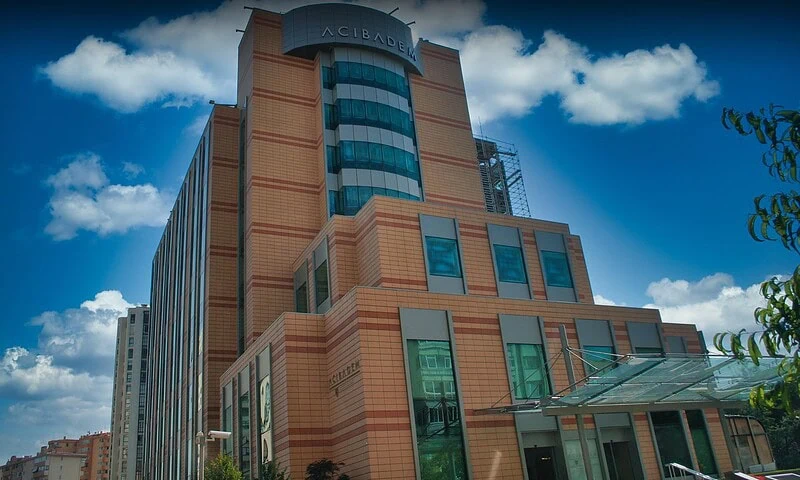

Frequently Asked Questions
What affects the cost of skin grafting?
The main factors are wound size and depth, graft type, donor-site requirements, need for wound preparation, anaesthesia, hospital stay, dressing schedule, medications, and follow-up care. Travel, accommodation, and interpreter support may also affect the overall budget.
How can I get a personalised quote for skin grafting in Turkey?
You can request a complimentary consultation by sharing medical reports, clear wound photos if appropriate, previous treatment details, and information about your general health. A specialist team can then review suitability and provide a personalised treatment plan and cost estimate.
Is skin grafting usually offered as a package for international patients?
Many international patient programmes offer package-style planning that may include consultation, surgery, anaesthesia, hospital stay, standard dressings, transfers, and interpreter support. Inclusions vary by case, so it is important to confirm what is covered and what may be billed separately.
Will I need to stay in Turkey after skin grafting?
A short recovery period near the hospital may be recommended so the surgical team can check graft healing, change dressings, and manage the donor site. The recommended stay depends on the wound, graft type, and the surgeon’s assessment.
Can the final cost change after the initial quote?
It can change if the wound condition differs from the information provided, if infection control or debridement is needed, if additional reconstruction is required, or if hospital stay and dressing needs are longer than expected. The care team should explain potential variables before treatment.
Is this comparison medical or financial advice?
No. This is general educational information. A specialist consultation is needed to decide whether skin grafting is suitable, and a personalised quote is needed to understand the expected treatment cost.