Glasses after Cataract Operation: Procedure, Recovery and Results

Glasses are common after cataract surgery, especially for close work when a standard monofocal lens is used. Vision often improves within days, but the prescription is usually finalized after the eye has healed for several weeks.
Key Takeaways
- Glasses are common after cataract surgery, especially for close work when a standard monofocal lens is used.
- Vision often improves within days, but the prescription is usually finalized after the eye has healed for several weeks.
- Residual nearsightedness, farsightedness, astigmatism, dry eye, or other eye conditions can affect vision after surgery.
- The chosen intraocular lens influences whether glasses are likely to be needed for distance, intermediate, or near tasks.
- Sudden vision loss, increasing pain, marked redness, flashes, or many new floaters require prompt medical assessment.
Many people see more clearly after cataract surgery, but some still need glasses for reading, distance vision, astigmatism, or fine visual tasks. The need for glasses depends mainly on the type of intraocular lens (IOL) selected, the eye’s healing, and any remaining refractive error.
Overview: Why Glasses May Still Be Needed After Cataract Surgery
Glasses after cataract operation are often needed for at least some activities, even when surgery has successfully removed the cloudy natural lens. During cataract surgery, the surgeon replaces that lens with a clear artificial intraocular lens (IOL). The IOL can be chosen to improve distance vision, near vision, or a range of distances, but no lens option can promise complete independence from glasses for every person and every task.
A standard monofocal IOL is commonly set for clear distance vision. People with this type of lens often use reading glasses for books, phones, labels, sewing, and other close tasks. Some people instead choose to have their vision targeted for near tasks or to have one eye focused more for distance and the other more for near; these approaches can reduce glasses use for selected activities but may not suit everyone.
It is also normal for vision to fluctuate during early healing. An eye-care professional generally waits until the eye has stabilized before prescribing new glasses, unless temporary glasses are helpful. Cataract surgery is a commonly performed cataract surgery procedure designed to restore clarity affected by cataracts, while postoperative glasses refine vision according to the individual result.
How Lens Choice and Eye Health Affect Vision
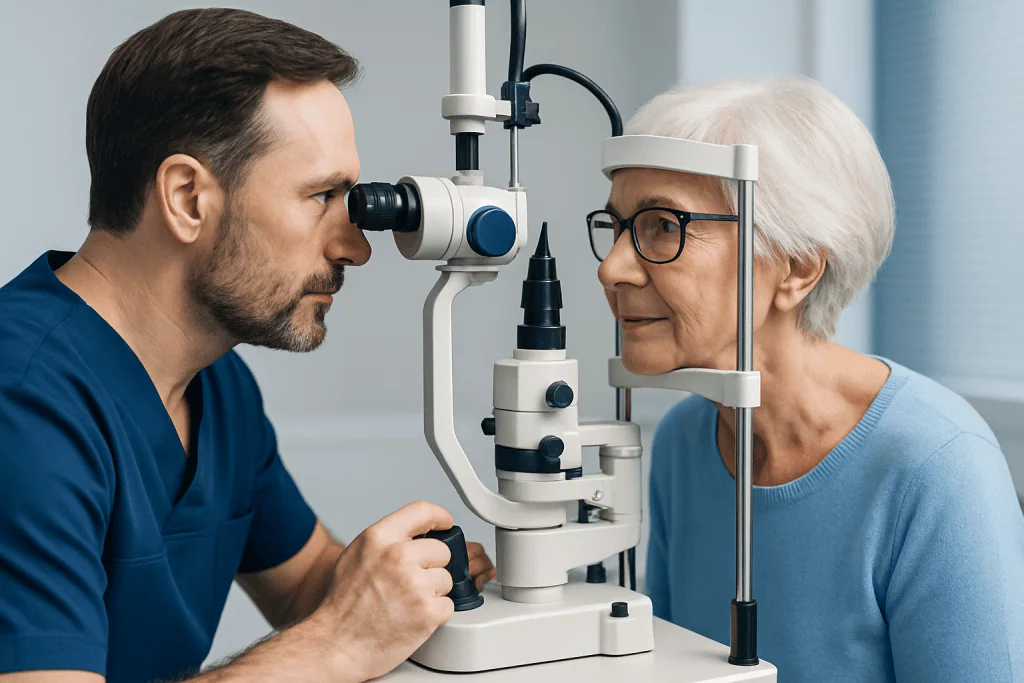
The artificial lens implanted during surgery is an important factor in whether glasses will be useful afterward. Monofocal lenses provide one main focal point, usually distance. Multifocal or extended-depth-of-focus lenses may support vision across more than one range, although some people may still need glasses for small print, prolonged reading, dim light, or detailed work.
Toric IOLs are designed to address regular corneal astigmatism. They may reduce the need for distance glasses in suitable candidates, but a small residual prescription can remain. The surgeon uses preoperative eye measurements and a discussion of the person’s daily activities to help select an IOL target. Previous laser vision correction, corneal irregularity, and eye surface dryness can make prediction and fine-tuning more complex.
Vision after surgery is also influenced by the health of the cornea, retina, optic nerve, and macula. For example, conditions such as macular degeneration or glaucoma can limit the amount of vision improvement that surgery alone can provide. A comprehensive examination helps identify these factors and supports realistic expectations.
How Long Does It Take for Eyesight to Recover After Cataract Surgery?

Many people notice brighter, clearer vision within a few days after cataract surgery, but full visual recovery varies. It is common for the eye to feel mildly scratchy or light-sensitive and for vision to be blurred, watery, or variable at first. These symptoms should gradually improve as the incision heals and postoperative inflammation settles.
For uncomplicated surgery, vision often becomes more stable over several weeks. The clinician may check vision the day after surgery and at further follow-up appointments. If surgery is planned for both eyes, the timing of the second procedure and the final glasses prescription are individualized.
Recovery can take longer when there is significant dry eye, corneal swelling, inflammation, pre-existing retinal disease, or another eye condition. Using prescribed eye drops as directed, avoiding rubbing the eye, and attending follow-up appointments help support safe healing. The ophthalmologist can explain what recovery pattern is expected for the individual eye.
How Long Do You Wear Glasses After Cataract Surgery?
How long a person wears glasses after cataract surgery depends on why they are being used. Temporary glasses may be helpful during the early healing period, while a new permanent prescription is commonly considered once refraction has stabilized, often several weeks after surgery. The timing may differ if the eye heals more slowly or if the other eye is scheduled for surgery soon.
Reading glasses may be needed indefinitely after a distance-focused monofocal IOL, because the lens does not restore the eye’s natural ability to change focus for close work. Some people wear glasses only for reading, computer work, night driving, or detailed tasks. Others may benefit from full-time glasses when there is residual nearsightedness, farsightedness, astigmatism, or a difference in prescription between the two eyes.
Existing glasses should not be expected to provide an ideal result immediately after surgery because the prescription of the operated eye changes. An optometrist or ophthalmologist can assess whether an updated prescription, task-specific glasses, or other measures are appropriate after healing.
Can Glasses Improve Vision After Cataract Surgery?
Yes. Glasses can improve vision after cataract surgery when there is a remaining refractive error, such as nearsightedness, farsightedness, or astigmatism. They can also sharpen vision for close or intermediate activities when the implanted lens was chosen primarily for distance. A careful refraction test identifies the prescription that may provide the clearest corrected vision.
However, glasses cannot correct every cause of blurred vision after surgery. Dry eye, corneal swelling, inflammation, posterior capsule opacification, retinal conditions, and optic nerve disease may also reduce vision. Posterior capsule opacification is a clouding of the thin membrane behind the IOL that can occur months or years later; when clinically appropriate, it may be treated with a brief laser procedure rather than a new glasses prescription.
If vision does not improve as expected, the clinician will examine the eye rather than assuming that glasses are the only answer. This assessment may include checking the eye pressure, cornea, lens position, retina, and ocular surface. Treatment is directed at the identified cause.
What Percentage of Patients Need Glasses After Cataract Surgery?
There is no single reliable percentage of patients who need glasses after cataract surgery because the answer depends on the IOL type, the intended visual target, pre-existing astigmatism, eye health, and the definition of “needing” glasses. Many people with distance-focused monofocal lenses use reading glasses, while some people with advanced presbyopia-correcting lenses still choose glasses for specific tasks such as very small print or prolonged near work.
For this reason, it is more useful to discuss the likelihood of glasses use for the activities that matter most to the individual. Someone who drives frequently may prioritize distance clarity, while another person may place greater value on reading or computer work. The trade-offs of each lens type should be reviewed before surgery.
Accurate measurements and surgical planning can reduce unexpected refractive error, but biological healing variation means that an exact final prescription cannot be guaranteed. If a meaningful residual prescription remains after healing, options may include glasses, contact lenses, or selected refractive procedures after specialist assessment.
Benefits, Possible Risks and Everyday Recovery
The main benefit of cataract surgery is removal of the cloudy lens that causes cataract-related blur, glare, reduced contrast, and difficulty with daily activities. A well-matched IOL plan can also reduce dependence on glasses for preferred tasks. Glasses after the operation can be a simple, safe way to optimize the final visual result when they are needed.
All surgery carries potential risks, although serious complications are uncommon. Possible concerns include infection, bleeding, raised eye pressure, persistent inflammation, corneal swelling, retinal detachment, displacement of the IOL, and residual refractive error. Some people experience glare, halos, or reduced contrast, particularly in low light; these effects may be more noticeable with certain lens designs.
During recovery, patients are usually advised to use prescribed drops, protect the eye from accidental rubbing or injury, and follow their surgeon’s instructions about bathing, exercise, lifting, makeup, and swimming. A multidisciplinary eye-care team can tailor follow-up when other conditions affect vision. Acibadem International’s specialists at JCI-accredited hospitals assess and treat cataracts and related eye-care needs for international patients.
When to Seek Medical Care
Routine follow-up is important even when the eye feels comfortable, because the clinician checks healing, eye pressure, and vision. Patients should contact their eye surgeon promptly if vision becomes worse rather than gradually better, if there is increasing eye pain, marked redness, increasing discharge, or persistent nausea and vomiting.
Urgent medical assessment is also needed for sudden loss of vision, a curtain or shadow across vision, new flashes of light, or a sudden shower of floaters. These symptoms do not always indicate a serious complication, but they should be evaluated without delay to protect sight.
Questions about persistent blur, glare, difficulty reading, or whether it is time for new glasses can usually be discussed at a scheduled follow-up visit. The care team can determine whether the symptoms are part of normal recovery, require an updated prescription, or need further testing.
Frequently asked questions
Will I need reading glasses after cataract surgery?
Many people need reading glasses after surgery, particularly when a monofocal IOL is set for distance vision. Reading glasses may be used for phones, books, medication labels, and other close tasks. The need may be lower with certain presbyopia-correcting lens options, but glasses can still be useful for fine print.
When can I get a new glasses prescription after cataract surgery?
A new prescription is commonly considered after the operated eye has healed and the vision has stabilized, often within several weeks. The exact timing varies with the healing process and whether the second eye is also having surgery. The operating ophthalmologist should advise when refraction is appropriate.
Why is my vision still blurry after cataract surgery?
Blurred vision can be part of early healing, especially in the first days after surgery. It may also result from dry eye, swelling, inflammation, a remaining prescription, or another eye condition. Persistent, worsening, or sudden blur should be assessed by an eye-care professional.
Can I use my old glasses after cataract surgery?
Old glasses are generally safe to use if they feel comfortable, but they may not give clear vision because the prescription in the operated eye has changed. Some people find that removing the lens on the operated side or using inexpensive temporary readers is more comfortable while waiting for healing. An eye-care professional can provide individualized advice.
Do multifocal lenses mean I will never need glasses?
No. Multifocal and extended-depth-of-focus IOLs can reduce reliance on glasses for some people, but they do not guarantee complete freedom from glasses. Small print, low-light reading, prolonged computer work, and certain visual tasks may still require correction.
Is it normal to see glare or halos after cataract surgery?
Mild glare or halos may occur during early recovery and can become less noticeable as the eye and brain adapt. They can also be related to the IOL design, dry eye, residual refractive error, or other eye issues. If symptoms are severe, worsening, or affecting driving, the person should discuss them with their ophthalmologist.
References
- American Academy of Ophthalmology
- National Eye Institute
- Royal College of Ophthalmologists
- Mayo Clinic
This article is for general information only and is not a substitute for professional medical advice. Please consult a qualified doctor about your individual situation.
Explore treatments in Turkey — costs, top hospitals & a free quote
JCI-accredited · board-certified surgeons · reply within 24h
Add us as a Preferred Source to see more of our trusted health content across Google Search, AI Overviews and Discover.

More from the Health Library



Related Specialists

Dr. Volkan Yurtman
Cardiovascular Surgery
Assoc. Prof. Dr. Mehmet Köstek
General Surgery
Assoc. Prof. Dr. Cem Gün
Emergency Service
Dr. Farıd Valıaghayev
Radiology