Inflammation Treatment: How It Works, Results and What to Expect

Inflammation is a normal healing response, but persistent or excessive inflammation needs medical assessment. Treatment depends on the cause, location, severity and whether inflammation is acute or chronic.
Key Takeaways
- Inflammation is a normal healing response, but persistent or excessive inflammation needs medical assessment.
- Treatment depends on the cause, location, severity and whether inflammation is acute or chronic.
- Improvement is usually seen as less pain, swelling, warmth, stiffness and reduced limitation in daily activities.
- There is no proven detox that flushes inflammation out; the body resolves it through normal immune and repair processes.
- Urgent medical care is important for severe symptoms, rapidly worsening swelling, breathing difficulty, chest pain or signs of serious infection.
Inflammation treatment works by identifying and addressing what is triggering the immune response, such as an injury, infection, autoimmune condition or long-term health factor. The best approach may involve rest and rehabilitation, lifestyle adjustments, medication, or targeted specialist treatment rather than trying to simply “flush” inflammation from the body.
Inflammation Treatment: What It Does and How It Works
Inflammation treatment reduces harmful or persistent immune activity while supporting the body’s ability to repair injured or affected tissue. It is not one single procedure. A clinician first considers why inflammation has developed, then recommends care directed at that cause—for example, treating an infection, protecting an injured joint, controlling an autoimmune disease, or managing an inflammatory bowel condition.
Acute inflammation often begins after an injury or infection and may cause redness, warmth, swelling, pain and temporary loss of function. It is commonly short-lived and can be an important part of healing. Chronic inflammation may be subtler and longer-lasting. It can occur with autoimmune diseases, ongoing infections, inflammatory disorders, obesity, smoking, repeated tissue stress and other health conditions.
Effective inflammation treatment therefore aims for balance. The goal is not to eliminate every inflammatory response, but to relieve symptoms, prevent avoidable tissue damage and address the underlying problem safely. A doctor may coordinate care with specialists in rheumatology, gastroenterology, dermatology, orthopedics, infectious diseases or other fields depending on the symptoms and diagnosis.
Who May Need Assessment or Treatment?
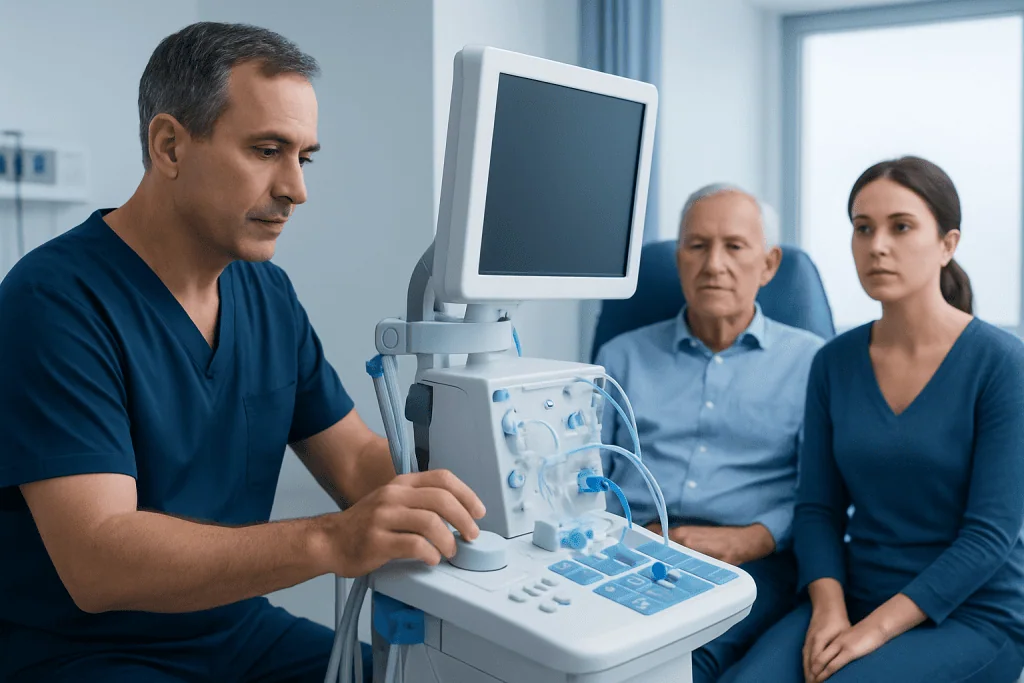
Many people with mild inflammation from a minor strain, brief viral illness or temporary irritation improve with appropriate self-care. Medical evaluation is more important when symptoms are severe, recurrent, unexplained, persistent or affecting work, sleep, mobility, digestion, breathing or everyday activities.
A clinician may consider inflammation treatment for a person with ongoing joint swelling or morning stiffness, repeated skin rashes, abdominal pain with diarrhea, unexplained fevers, persistent fatigue, inflammatory eye symptoms, or laboratory findings that suggest inflammation. The symptoms alone do not reveal the cause, so evaluation is particularly helpful before using repeated or long-term anti-inflammatory medicines.
Some people need more tailored care because they are pregnant, older, immunocompromised, have kidney, liver, heart or stomach conditions, take blood-thinning medicines, or have previously had medication reactions. Children with ongoing inflammatory symptoms should also be assessed by an appropriate pediatric clinician.
- Symptoms that last longer than expected or repeatedly return
- Inflammation linked with an established condition, such as arthritis or inflammatory bowel disease
- Symptoms that are limiting movement, eating, sleep or normal daily activities
- Concern for infection, medication side effects or an autoimmune condition
How Inflammation Is Evaluated Before Treatment

There is no single test that diagnoses all inflammation. Assessment generally begins with a discussion of symptoms, recent injuries or illnesses, medications, medical history and family history. The clinician may ask when symptoms began, whether they occur in episodes, what makes them better or worse, and whether there are associated concerns such as fever, weight change, bowel changes, weakness or rashes.
A physical examination may check the affected area for tenderness, warmth, swelling, range of movement, skin changes or signs of infection. Depending on the concern, testing may include blood tests, urine or stool tests, cultures, X-rays, ultrasound, CT, MRI or endoscopy. Certain tests can show that inflammation is present, but they must be interpreted alongside the person’s symptoms and examination.
For suspected inflammatory joint disease, a specialist may assess for conditions such as rheumatoid arthritis. If digestive symptoms are prominent, evaluation may focus on conditions such as inflammatory bowel disease. Identifying the source helps avoid treatment that only masks symptoms while the cause remains untreated.
Inflammation Treatment Options: A Step-by-Step Approach
Inflammation treatment is usually introduced in stages, with the plan adjusted as symptoms and test results become clearer. First, a clinician confirms whether urgent treatment is needed and looks for a specific cause. For a minor injury, the initial plan may include temporary activity modification, gentle movement as recovery allows, cold or heat when appropriate, and rehabilitation guidance. Infections may require targeted antimicrobial treatment rather than anti-inflammatory medicine alone.
Medicines may be considered for pain, swelling or immune-driven inflammation. These can include nonsteroidal anti-inflammatory drugs, corticosteroids or disease-modifying treatments, depending on the diagnosis. Each option has potential risks and is not suitable for everyone. Corticosteroids can be highly effective in selected situations, but they are generally used under medical guidance because the dose, duration and monitoring need to fit the individual condition.
When a local problem is not improving with conservative measures, some people may benefit from clinician-administered treatments. For example, carefully selected patients with joint inflammation may be offered joint injections after assessment of the cause, the joint involved and alternative options. Treatment for immune-mediated diseases may also require coordinated specialty care and regular monitoring.
Throughout the process, follow-up is used to check whether symptoms, function and relevant test results are improving. If a treatment is ineffective, causes side effects or the diagnosis changes, the clinician can modify the plan rather than continuing an approach that is not helping.
Benefits, Risks and Recovery Timeline
The potential benefits of treatment include less pain, stiffness, swelling and fatigue, improved mobility or organ function, and a lower risk of inflammation-related complications. The timing of improvement varies greatly. A mild strain may settle over days to weeks, while inflammation associated with an autoimmune condition can require ongoing treatment and monitoring over months or longer.
Recovery is not always linear. Symptoms may improve gradually, fluctuate with activity or illness, or return if the underlying condition is not fully controlled. A person should follow the clinician’s instructions about activity, medicines, appointments and monitoring tests. Stopping prescribed treatment suddenly or changing doses without advice can sometimes worsen inflammation or create avoidable risks.
Risks depend on the treatment used. Anti-inflammatory medicines can affect the stomach, kidneys, blood pressure or bleeding risk in some people. Corticosteroids may affect blood sugar, mood, bone health and infection risk, particularly with higher doses or longer use. Immune-modifying medicines may require screening and monitoring because they can affect the body’s infection defenses.
Promptly reporting new symptoms helps clinicians balance benefits and risks. This is especially important for fever, worsening pain, black stools, vomiting blood, unusual bruising, severe rash, shortness of breath or signs of an allergic reaction.
How Do You Know When Your Body Is Getting Rid of Inflammation?
There is no single feeling that proves the body is “getting rid of” inflammation. In many cases, healing is suggested by a gradual reduction in pain, warmth, swelling, redness and stiffness, along with better energy, movement and ability to return to normal activities. If tests were abnormal at the start, a doctor may use repeat examinations or laboratory results to assess improvement.
Healing can look different depending on the cause. A healing sprain may become less swollen and easier to move. An inflammatory skin condition may show less redness and itching. In a chronic inflammatory disease, symptoms may become less frequent or less intense, though regular monitoring may still be needed even when a person feels well.
Temporary changes during recovery, such as mild soreness after increasing activity, do not always mean inflammation is worsening. However, increasing swelling, new fever, spreading redness, escalating pain or a clear loss of function should be discussed with a healthcare professional.
How Long Does It Take to Flush Out Inflammation in the Body?
The body does not flush inflammation out in the way it removes waste through urine or bowel movements. Instead, immune cells, chemical signals and tissue-repair processes gradually switch off or resolve once the trigger is controlled. Hydration supports general health, but drinking extra fluids, taking detox products or following restrictive cleanses has not been shown to remove inflammation from the body.
How long recovery takes depends on the cause. Minor inflammation after routine exercise or a mild injury may improve within a few days. More substantial injuries can take weeks. Inflammatory diseases, chronic infections or immune-related conditions may need long-term management, and the goal may be stable control rather than a one-time cure.
A practical approach is to focus on the diagnosed cause and an individualized recovery plan. This may include adequate sleep, balanced nutrition, avoiding tobacco, pacing activity, maintaining a healthy weight where appropriate, and taking prescribed medicines as directed. A clinician can explain what timeframe is reasonable for the specific condition.
What Happens When Your Body Gets Rid of Inflammation?
When acute inflammation resolves normally, the immune system reduces inflammatory signaling, clears damaged cells and infectious material when present, and supports tissue repair. Blood flow and fluid accumulation in the area return toward normal, so redness, heat and swelling usually lessen. Pain often improves as pressure on surrounding tissues and pain-sensitive nerves decreases.
Repair does not always restore tissue instantly. Muscles, tendons, skin and other structures may need time to rebuild strength and function after the initial inflammatory phase has settled. Guided rehabilitation can be useful after certain injuries or surgeries because it helps restore movement without overloading healing tissue.
With chronic inflammatory conditions, the process can be more complex. Symptoms may be quiet for a period and then recur, particularly if treatment is changed or a trigger develops. Regular follow-up helps distinguish normal recovery from ongoing disease activity and allows treatment to be adjusted when necessary.
How Do You Know If Inflammation Is Healing?
Inflammation is often healing when the affected body part or system functions better over time. Common signs include less swelling, less tenderness, reduced stiffness after rest, improved sleep, greater comfort with daily activities and a reduced need for symptom-relief measures. The change should generally be gradual and sustained rather than only temporary.
For conditions affecting internal organs, symptoms may not fully reflect inflammation levels. A person with inflammatory bowel disease, for example, may need blood tests, stool tests, imaging or endoscopy to confirm control. Similarly, people with inflammatory arthritis may need clinical assessment to check for ongoing joint inflammation even if pain has improved.
It is helpful to keep a simple record of symptoms, activity limits, temperature when relevant, medicines and potential triggers. Sharing this information at follow-up appointments can help the care team judge response to treatment and plan the next steps.
When to Seek Medical Care
Medical advice should be sought promptly for inflammation that is severe, rapidly worsening, unexplained or accompanied by fever, chills, spreading redness, pus, marked weakness or difficulty using a limb. These signs can sometimes indicate infection or another condition that needs timely assessment.
Emergency care is needed for chest pain, trouble breathing, fainting, new confusion, facial or throat swelling, sudden weakness on one side of the body, severe headache with neurological symptoms, or signs of a serious allergic reaction. These symptoms should not be managed with home remedies alone.
For ongoing but non-urgent symptoms, an appointment with a doctor is appropriate when pain, swelling, fatigue, stiffness, bowel symptoms, rashes or recurrent fevers are not improving. Acibadem International’s multidisciplinary specialists and JCI-accredited hospitals diagnose and treat inflammatory conditions for international patients, with care plans based on the underlying cause and individual needs.
Frequently asked questions
What is the best inflammation treatment?
The best inflammation treatment depends on what is causing the inflammation. A minor injury may improve with temporary activity changes and rehabilitation, while an infection, autoimmune disease or inflammatory bowel condition needs cause-specific medical treatment. A clinician can help determine which approach is appropriate and safe.
Can inflammation go away on its own?
Mild acute inflammation often resolves as an injury heals or a short illness passes. Persistent, recurrent or severe inflammation may not resolve without addressing its cause. Medical assessment is important if symptoms are prolonged, worsening or interfering with daily life.
Are anti-inflammatory medicines safe for everyone?
No. Some anti-inflammatory medicines can affect the stomach, kidneys, blood pressure, heart health or bleeding risk, and they may interact with other medicines. A doctor or pharmacist should advise people with chronic conditions, pregnancy, older age, or regular medication use.
Can diet reduce inflammation?
A balanced dietary pattern that emphasizes vegetables, fruits, whole grains, legumes, nuts, healthy fats and appropriate protein can support overall health. Diet alone does not replace treatment for an infection, autoimmune disease or another diagnosed inflammatory condition. Individual dietary advice may be useful when digestive symptoms or medical conditions are involved.
Does drinking water flush inflammation out of the body?
Hydration is important for normal body function, but water does not directly flush inflammation out. Inflammation resolves through immune regulation and tissue repair after the underlying trigger is controlled. Detox drinks and cleanses are not proven treatments for inflammation.
Should inflammation always be treated?
Not all inflammation needs medication. A short-lived inflammatory response is part of normal healing, and care may focus on rest, gradual return to activity and symptom management. Treatment is more important when inflammation is excessive, persistent, linked to an underlying disease or causing significant symptoms.
References
- World Health Organization
- National Institute of Arthritis and Musculoskeletal and Skin Diseases
- National Institute of Diabetes and Digestive and Kidney Diseases
- Centers for Disease Control and Prevention
- Mayo Clinic
This article is for general information only and is not a substitute for professional medical advice. Please consult a qualified doctor about your individual situation.
Joint and spine care in Turkey — expert assessment & treatment
JCI-accredited · board-certified surgeons · reply within 24h
Add us as a Preferred Source to see more of our trusted health content across Google Search, AI Overviews and Discover.

More from the Health Library



Related Specialists

Pdg. Tuğçe Er
Podiatry & Foot Health
Assoc. Prof. Dr. Hatice Gamze Demirdağ
Dermatology
Assoc. Prof. Dr. Serap Şahin Önder
Otorhinolaryngology
Assoc. Prof. Dr. Tunay Erden
Orthopedic Surgery & Traumatology