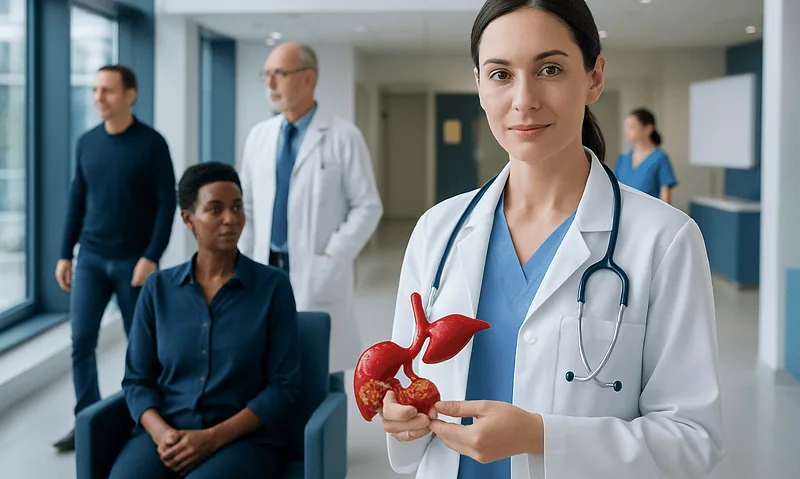
Irritable Bowel Syndrome: Symptoms, Triggers, and Relief Strategies

IBS is a functional bowel disorder, meaning symptoms are real but often occur without visible damage to the intestines. Common symptoms include recurring abdominal pain, bloating, gas, diarrhea, constipation, or alternating bowel habits.
Key Takeaways
- IBS is a functional bowel disorder, meaning symptoms are real but often occur without visible damage to the intestines.
- Common symptoms include recurring abdominal pain, bloating, gas, diarrhea, constipation, or alternating bowel habits.
- Triggers vary from person to person and may include certain foods, stress, hormonal changes, poor sleep, and infections.
- Diagnosis is based on symptom patterns, medical history, physical examination, and selective testing to rule out other conditions.
- Treatment may include dietary changes, stress management, physical activity, medicines, and gut-directed psychological therapies.
- New or worsening symptoms, bleeding, weight loss, fever, anemia, or symptoms that begin later in life should be assessed by a doctor.
Irritable Bowel Syndrome (IBS) is a common disorder of gut-brain interaction that can cause abdominal pain, bloating, diarrhea, constipation, or both. With an accurate diagnosis and a personalized plan, many people can reduce symptoms and improve daily comfort.
Overview
Irritable Bowel Syndrome, often called IBS, is a long-term condition that affects how the bowel functions. It is classified as a disorder of gut-brain interaction, which means the nerves, muscles, immune signals, and microbiome of the digestive tract may respond more sensitively than usual. IBS can be uncomfortable and disruptive, but it does not cause bowel cancer and does not usually damage the intestines.
People with IBS may have periods when symptoms are mild and other periods when symptoms flare. The condition can affect work, school, travel, sleep, and social activities, especially when bowel habits feel unpredictable. At the same time, IBS is manageable for many patients with a thoughtful approach that identifies symptom patterns and avoids unnecessary restrictions.
IBS is not the same as inflammatory bowel disease, such as Crohn’s disease or ulcerative colitis. In IBS, routine tests often appear normal, even when symptoms are significant. This can be frustrating, but it also helps guide care toward symptom control, lifestyle strategies, and targeted treatments rather than surgery or immune-suppressing therapy.
IBS Symptoms and Patterns
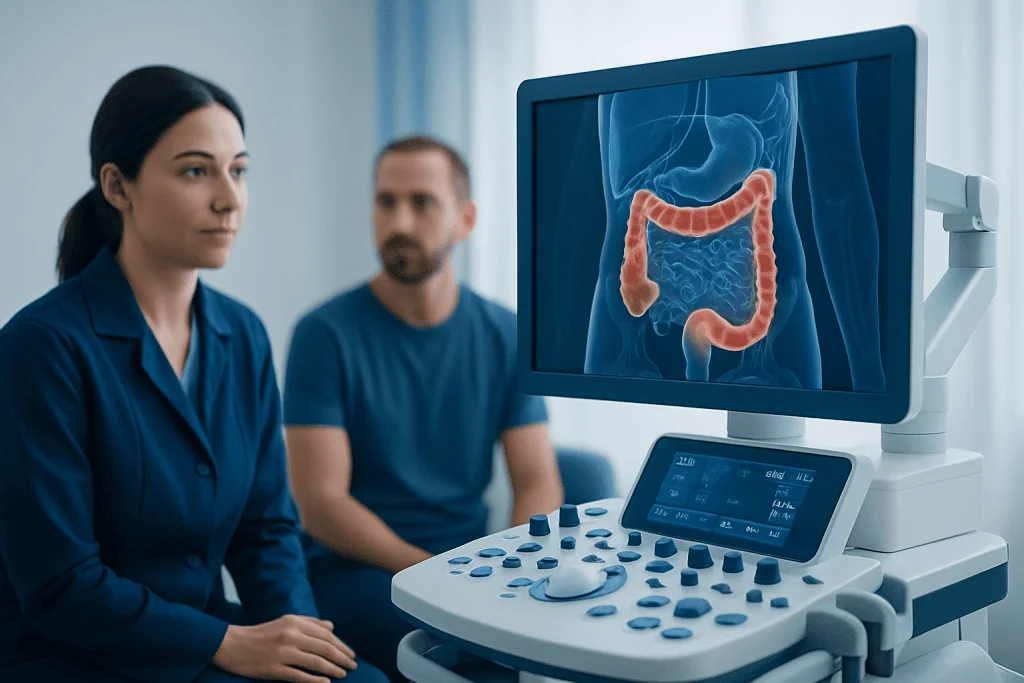
The main symptom of IBS is recurring abdominal pain or discomfort related to bowel movements. Pain may improve after passing stool, or it may be linked to a change in stool frequency or stool form. Some people describe cramping, pressure, sharp pains, or a sense of fullness that varies throughout the day.
Bowel habits differ from person to person. IBS may be constipation-predominant, diarrhea-predominant, mixed, or unclassified. Symptoms may include urgent bowel movements, straining, incomplete evacuation, mucus in the stool, bloating, gas, and visible abdominal distension. Many patients notice that symptoms fluctuate rather than staying the same every day.
IBS can also be associated with symptoms outside the bowel, such as fatigue, sleep disturbance, headaches, pelvic discomfort, or increased sensitivity to stress. These symptoms do not mean the condition is imagined; they reflect the close communication between the digestive system, nervous system, hormones, and immune responses.
- IBS-C: constipation-predominant symptoms, often with hard or infrequent stools.
- IBS-D: diarrhea-predominant symptoms, often with loose stools or urgency.
- IBS-M: mixed symptoms, with both constipation and diarrhea at different times.
- IBS-U: symptoms that do not fit clearly into the other patterns.
Common Triggers and Risk Factors
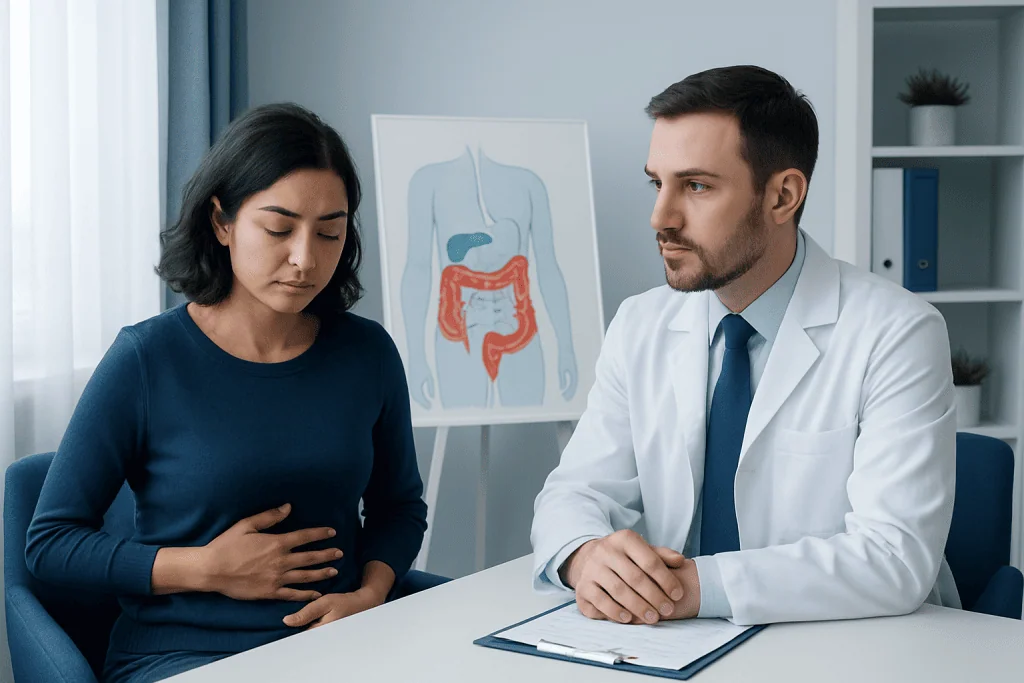
IBS triggers are highly individual. A food, situation, or habit that worsens symptoms for one person may not affect another. This is why a symptom diary can be useful: it helps identify patterns without assuming that every digestive symptom is caused by a specific food.
Common triggers include large meals, fatty foods, caffeine, alcohol, carbonated drinks, spicy foods, and certain fermentable carbohydrates known as FODMAPs. FODMAPs are found in foods such as wheat, onions, garlic, some dairy products, beans, apples, pears, and certain sweeteners. These carbohydrates can pull water into the bowel and be fermented by gut bacteria, leading to gas and bloating in sensitive individuals.
Non-food triggers are also important. Stress, anxiety, poor sleep, travel, changes in routine, menstrual cycle changes, and recent gastrointestinal infections can all influence symptoms. Some people develop IBS after an episode of gastroenteritis, known as post-infectious IBS.
Risk factors may include a family history of IBS, a history of anxiety or depression, previous gut infection, and heightened gut sensitivity. These factors do not mean a person is responsible for the condition. They simply help clinicians understand why the bowel may react strongly and which strategies may be most helpful.
Diagnosis: How Doctors Evaluate IBS
IBS is usually diagnosed through a careful medical history, physical examination, and symptom criteria. Doctors ask about the location and timing of abdominal pain, bowel habits, stool appearance, diet, medications, travel, infections, family history, and warning signs. The goal is to confirm a pattern consistent with IBS while making sure another condition is not being missed.
Tests are not always extensive, especially when symptoms are typical and there are no concerning features. Depending on age, symptoms, and medical history, a doctor may recommend blood tests, stool tests, celiac disease screening, thyroid testing, inflammatory markers, or colonoscopy. These tests may help rule out infections, inflammatory bowel disease, celiac disease, anemia, or other digestive disorders.
IBS can overlap with other conditions, including lactose intolerance, small intestinal bacterial overgrowth, pelvic floor dysfunction, endometriosis, bile acid diarrhea, and functional dyspepsia. For this reason, persistent or complicated symptoms should be assessed by a qualified healthcare professional rather than self-diagnosed.
A clear diagnosis can be reassuring. It helps patients understand that their symptoms are recognized medically and that treatment can be chosen based on the IBS pattern, symptom severity, and personal goals.
Treatment Options
IBS treatment is individualized. There is no single cure that works for everyone, but many people improve with a combination of education, diet changes, stress management, regular movement, and medication when needed. A step-by-step approach is usually best, because changing too many things at once can make it difficult to know what is helping.
Dietary treatment may include regular meal timing, smaller portions, adequate hydration, and limiting personal triggers. Some patients benefit from a low FODMAP diet, ideally guided by a dietitian. This diet is not meant to be permanent in its strictest form; it usually involves a short elimination phase followed by careful reintroduction to identify specific triggers while maintaining nutritional balance.
Medications may be considered depending on symptoms. Options can include antispasmodics for cramping, fiber supplements for constipation, laxatives, anti-diarrheal medicines, medicines that affect gut movement or secretion, and selected antidepressant medications used at low doses for gut pain modulation. Probiotics may help some patients, although effects vary by strain and person.
Gut-directed psychological therapies, such as cognitive behavioral therapy, relaxation training, mindfulness-based approaches, and gut-directed hypnotherapy, may reduce symptoms in some patients. These treatments do not imply that IBS is only psychological; they target the gut-brain communication pathways that are central to IBS.
Prevention and Self-Care Strategies
IBS cannot always be prevented, but symptom flares can often be reduced. Consistency is helpful: regular meals, regular sleep, moderate physical activity, and predictable bathroom routines may support bowel function. Gentle exercise, such as walking, swimming, cycling, or yoga, can help bowel movement patterns and reduce stress sensitivity.
Fiber can be beneficial, particularly for constipation-predominant IBS, but the type matters. Soluble fiber, such as psyllium, is often better tolerated than large amounts of insoluble bran. Fiber should generally be increased gradually with fluids to reduce gas and bloating. Patients with diarrhea-predominant symptoms should discuss fiber choices with a clinician.
A practical self-care plan may include keeping a food and symptom diary for two to four weeks, eating slowly, reducing very large or high-fat meals, limiting carbonated drinks if they worsen bloating, and setting aside time for bowel movements without rushing. Stress-reduction techniques, including breathing exercises and relaxation routines, can also help during flare-ups.
It is important to avoid overly restrictive diets without professional guidance. Long-term elimination of many foods can increase nutritional risk and anxiety around eating. The goal is not a perfect diet, but a sustainable pattern that supports nutrition, comfort, and quality of life.
When to See a Doctor
A medical evaluation is recommended for ongoing abdominal pain, frequent bowel changes, or symptoms that affect daily life. Even when IBS is likely, a doctor can confirm the diagnosis, identify the IBS subtype, and help choose safe treatment options. Early guidance can prevent unnecessary restrictions and reduce uncertainty.
Patients should seek prompt medical advice if they notice rectal bleeding, black stools, unexplained weight loss, fever, persistent vomiting, anemia, a new abdominal mass, nighttime diarrhea that wakes them from sleep, or a family history of colorectal cancer, celiac disease, or inflammatory bowel disease. New bowel symptoms that begin after age 50 should also be evaluated.
Specialist care may be helpful if symptoms are severe, do not improve with first-line strategies, or overlap with other digestive conditions. Gastroenterologists, dietitians, psychologists, and primary care doctors may all play a role in IBS care. At Acibadem International, multidisciplinary specialists in JCI-accredited hospitals diagnose and treat digestive conditions, including IBS, for international patients.
IBS is a real and manageable condition. With the right assessment and a personalized plan, many patients can understand their triggers, reduce flare-ups, and regain confidence in everyday activities.
Frequently asked questions
Is Irritable Bowel Syndrome a serious disease?
IBS can be very uncomfortable and disruptive, but it does not usually damage the intestines or increase the risk of bowel cancer. It is considered a disorder of gut-brain interaction. A doctor should still evaluate persistent or changing symptoms to confirm the diagnosis and rule out other conditions.
What foods commonly trigger IBS symptoms?
Common triggers include large meals, fatty foods, caffeine, alcohol, carbonated drinks, spicy foods, and foods high in FODMAPs. Examples of high-FODMAP foods include onions, garlic, wheat products, beans, some dairy products, apples, and certain sweeteners. Triggers vary, so a structured diary or dietitian-guided plan is more useful than guessing.
Can stress cause IBS?
Stress does not mean symptoms are imagined, but it can worsen IBS through gut-brain communication pathways. The bowel has a rich nerve supply and can become more sensitive during stress, poor sleep, or emotional strain. Stress management, relaxation techniques, and gut-directed therapy may help some patients.
Is the low FODMAP diet necessary for everyone with IBS?
No. Some people improve with simpler changes, such as regular meals, reducing large fatty meals, or adjusting fiber intake. The low FODMAP diet can help selected patients, but it should ideally be done with professional guidance and followed by food reintroduction.
How is IBS diagnosed?
IBS is diagnosed based on symptom patterns, medical history, physical examination, and the absence of warning signs. Doctors may order blood tests, stool tests, celiac screening, or colonoscopy depending on age and symptoms. Testing is used to rule out other causes rather than to prove IBS directly.
Can IBS be cured permanently?
IBS is often a long-term condition with symptoms that come and go. While there may not be a permanent cure for everyone, symptoms can often be controlled with a personalized plan. Many patients learn to identify triggers and manage flare-ups effectively.
When should someone with IBS symptoms seek urgent medical advice?
Medical advice should be sought promptly for rectal bleeding, black stools, unexplained weight loss, fever, anemia, persistent vomiting, or severe new pain. Nighttime diarrhea, symptoms starting after age 50, or a strong family history of serious bowel disease also require evaluation. These signs do not always mean a serious condition, but they should be checked.
References
- American College of Gastroenterology
- National Institute for Health and Care Excellence
- Rome Foundation
- National Institute of Diabetes and Digestive and Kidney Diseases
- World Gastroenterology Organisation
This article is for general information only and is not a substitute for professional medical advice. Please consult a qualified doctor about your individual situation.
Irritable Bowel Syndrome in Turkey — costs, top hospitals & a free quote
JCI-accredited · board-certified surgeons · reply within 24h
Add us as a Preferred Source to see more of our trusted health content across Google Search, AI Overviews and Discover.

Gastroenterology
Diagnosis and treatment of the digestive system and liver, with advanced endoscopy.
46 specialists in this unit