Ulcerative Colitis: Flares, Diagnosis, and Treatment Options

Ulcerative colitis causes long-term inflammation in the colon and rectum, most commonly leading to bloody diarrhea, urgency, abdominal cramps, and fatigue. Flares can vary from mild to severe and may be influenced by infections, missed medication, stress, certain medicines, and other individual triggers.
Key Takeaways
- Ulcerative colitis causes long-term inflammation in the colon and rectum, most commonly leading to bloody diarrhea, urgency, abdominal cramps, and fatigue.
- Flares can vary from mild to severe and may be influenced by infections, missed medication, stress, certain medicines, and other individual triggers.
- Diagnosis usually involves blood and stool tests, colonoscopy with biopsies, and sometimes imaging to assess severity and exclude other conditions.
- Treatment may include anti-inflammatory medicines, immune-modifying drugs, biologic or small-molecule therapies, nutritional support, and surgery in selected cases.
- Ongoing care is important because ulcerative colitis requires monitoring for anemia, medication side effects, complications, and colorectal cancer risk.
Ulcerative colitis is a chronic inflammatory bowel disease that affects the lining of the colon and rectum, often causing periods of symptoms called flares and quieter periods called remission. With accurate diagnosis, regular monitoring, and individualized treatment, many people can control inflammation and maintain a good quality of life.
Overview
Ulcerative colitis is one of the main forms of inflammatory bowel disease, often shortened to IBD. It causes inflammation and tiny ulcers in the inner lining of the large intestine, which includes the colon and rectum. Unlike Crohn’s disease, which can affect different parts of the digestive tract and deeper bowel layers, ulcerative colitis usually begins in the rectum and may extend continuously through part or all of the colon.
The condition is chronic, meaning it tends to last for many years. Symptoms often come and go. A period when inflammation becomes more active is called a flare, while a period when symptoms improve or disappear is called remission. The goal of care is not only to reduce symptoms but also to heal the bowel lining as much as possible, prevent complications, and help the person continue school, work, travel, and family life with confidence.
Ulcerative colitis is not caused by something a person did wrong. It is believed to develop when the immune system reacts in an abnormal way in a person who has a genetic tendency, with environmental factors also playing a role. Because the condition can look different from one patient to another, treatment is tailored to the severity, extent of disease, medical history, age, pregnancy plans, and personal preferences.
Symptoms and Flares
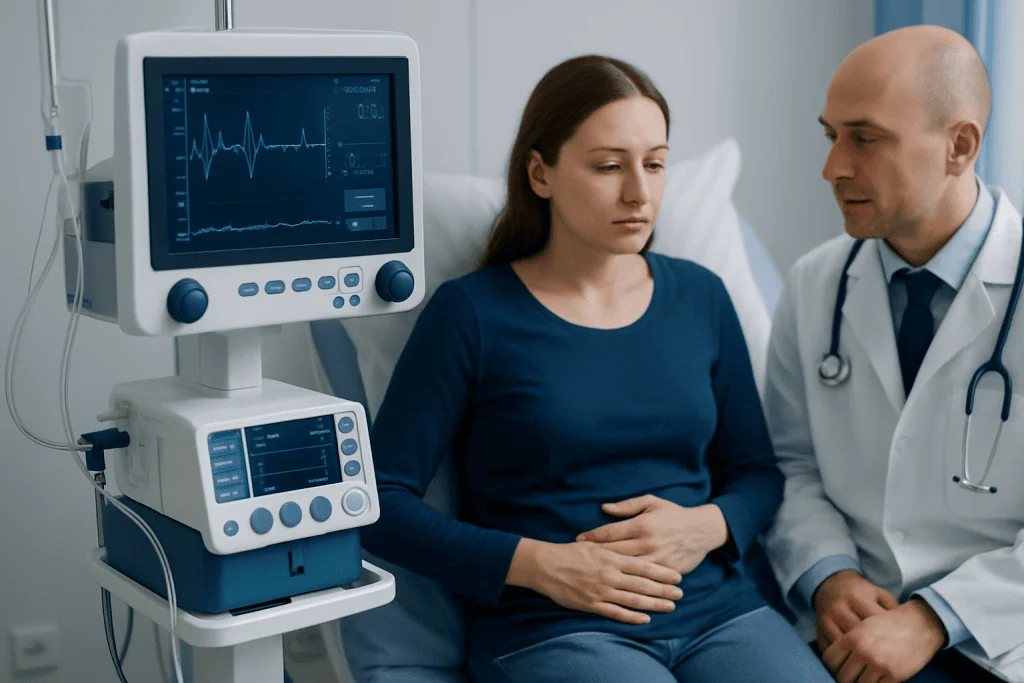
Ulcerative colitis symptoms depend on how much of the colon is inflamed and how active the inflammation is. Common symptoms include diarrhea, blood or mucus in the stool, an urgent need to pass stool, abdominal cramping, rectal pain, and a feeling that the bowel has not fully emptied. Some people also experience fatigue, reduced appetite, weight loss, fever during more active disease, or symptoms outside the gut such as joint pain, eye irritation, mouth ulcers, or skin changes.
A flare may be mild, with a small increase in stool frequency and traces of blood, or more significant, with frequent bloody stools, night-time bowel movements, dehydration, and marked tiredness. Patients are often encouraged to learn their own early warning signs. Prompt contact with a healthcare professional can help determine whether symptoms are due to inflammation, an infection, medication side effects, irritable bowel symptoms, or another cause.
Possible flare triggers vary between individuals. They may include missed doses of maintenance medicine, gastrointestinal infections, antibiotic use, non-steroidal anti-inflammatory drugs such as ibuprofen in some patients, major stress, poor sleep, and sometimes dietary factors. Food does not usually cause ulcerative colitis, but during a flare certain foods may worsen diarrhea, gas, or cramping.
- Seek medical advice for new or worsening blood in the stool.
- Do not stop prescribed ulcerative colitis medication without discussing it with a doctor.
- Keep a symptom diary to track stool frequency, bleeding, pain, fever, diet, medicines, and possible triggers.
Causes and Risk Factors
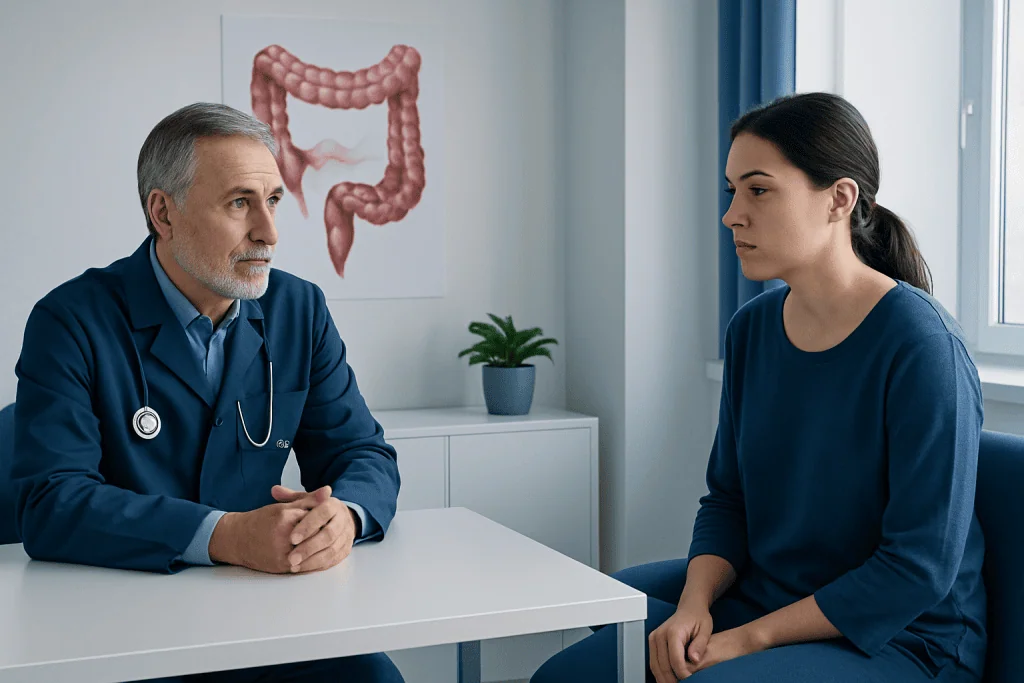
The exact cause of ulcerative colitis is not fully understood. Current evidence suggests that it results from a combination of immune system dysfunction, genetics, the gut microbiome, and environmental influences. In people with ulcerative colitis, the immune system appears to maintain inflammation in the colon lining even when it is no longer helpful.
Having a close relative with inflammatory bowel disease can increase risk, although many patients have no family history. Ulcerative colitis can occur at any age, but it is often diagnosed in young adults and can also begin later in life. Ethnicity, geography, urban living, diet patterns, prior infections, and changes in gut bacteria may influence risk, but no single factor explains the condition.
It is important to distinguish risk factors from causes. Stress, spicy foods, or a busy lifestyle do not by themselves cause ulcerative colitis. However, stress and certain dietary choices can affect symptoms, bowel sensitivity, sleep, and coping during a flare. A supportive care plan addresses both inflammation and day-to-day wellbeing.
Diagnosis
Diagnosis begins with a detailed medical history and physical examination. The doctor asks about stool frequency, bleeding, abdominal pain, weight changes, fever, family history, medication use, recent travel, infections, and symptoms outside the digestive system. Because other conditions can resemble ulcerative colitis, testing is important before starting long-term treatment.
Blood tests may check for anemia, inflammation, nutritional deficiencies, liver function, kidney function, and signs of infection. Stool tests can help exclude infections and may measure markers of intestinal inflammation, such as fecal calprotectin. These tests support the diagnosis and help monitor disease activity over time, but they do not replace endoscopic evaluation.
Colonoscopy with biopsies is central to diagnosing ulcerative colitis. During this procedure, a flexible camera examines the rectum and colon, and small tissue samples are taken even from areas that may look normal. Biopsies help confirm chronic inflammation and rule out other causes. In some cases, flexible sigmoidoscopy, ultrasound, CT, or MRI may be used to evaluate severity, complications, or alternative diagnoses.
Treatment Options
Treatment is chosen according to disease severity, the part of the colon affected, previous response to medicines, other health conditions, and patient goals. For mild to moderate ulcerative colitis, 5-aminosalicylate medicines may be used by mouth, rectally, or both, especially when inflammation is limited to the rectum or left side of the colon. Corticosteroids can be effective for short-term flare control, but they are generally not used as long-term maintenance therapy because of side effects.
For patients with more active disease, frequent flares, or steroid dependence, doctors may recommend immune-modifying medicines, biologic therapies, or targeted small-molecule medicines. These treatments work in different ways to reduce immune-driven inflammation. Before and during these therapies, patients may need screening for infections, vaccination review, blood tests, and follow-up visits to monitor response and safety.
Hospital treatment may be needed for severe flares, dehydration, significant bleeding, or complications. Care may include intravenous fluids, close monitoring, infection testing, and medicines to reduce inflammation. If medicines do not control disease adequately, or if complications develop, surgery may be discussed. Removal of the colon and rectum can eliminate colitis, although it is a major decision and requires careful counseling about options such as an ileal pouch or stoma.
The best treatment plan is usually shared and stepwise. A person’s plan may change over time as the disease changes, new life priorities arise, or better options become available. The aim is durable remission, healing of the bowel lining where possible, fewer flares, and prevention of long-term complications.
Prevention, Nutrition, and Self-care
There is no proven way to prevent ulcerative colitis from developing, but people who already have the condition can reduce flare risk by taking maintenance medicines as prescribed and attending regular follow-up. Even when symptoms are quiet, inflammation can sometimes continue silently, so monitoring is important. Patients should also discuss vaccines, infection prevention, bone health, and cancer surveillance with their healthcare team.
Nutrition should be individualized. During remission, many people do well with a balanced diet that includes adequate protein, fruits and vegetables as tolerated, whole grains if they do not worsen symptoms, healthy fats, and enough fluids. During a flare, a temporary lower-fiber or low-residue approach may reduce stool volume for some patients, but restrictive diets should not be continued without guidance. Iron, vitamin D, calcium, folate, or vitamin B12 may need checking, particularly if there is bleeding, poor intake, or certain medications.
Self-care supports medical treatment but does not replace it. Helpful habits may include regular sleep, gentle physical activity as tolerated, stress-management techniques, avoiding smoking and unnecessary non-steroidal anti-inflammatory drugs unless approved by a doctor, and planning ahead for travel or workdays. Carrying a medication list and knowing when to contact the care team can make flares easier to manage.
- Take prescribed medicines consistently, including during remission.
- Stay hydrated during diarrhea and seek advice if fluids cannot be maintained.
- Discuss supplements before using them, as some may interact with medicines.
- Keep scheduled colonoscopy surveillance appointments when recommended.
When to See a Doctor
A person should see a doctor if they have persistent diarrhea, blood in the stool, unexplained abdominal pain, unintentional weight loss, fever, or ongoing fatigue. These symptoms do not always mean ulcerative colitis, but they deserve proper evaluation. Early diagnosis can reduce uncertainty and allow treatment to begin before inflammation becomes more difficult to control.
Patients already diagnosed with ulcerative colitis should contact their healthcare team if symptoms worsen, bleeding increases, bowel movements become frequent at night, fever develops, or medicines seem to stop working. Urgent medical care is needed for severe abdominal pain, fainting, signs of dehydration, heavy bleeding, a swollen abdomen, or high fever. These situations require prompt assessment to protect the patient’s safety.
Long-term care is usually provided by a gastroenterologist, often with support from dietitians, colorectal surgeons, radiologists, pathologists, specialist nurses, and other clinicians when needed. Acibadem International’s multidisciplinary specialists and JCI-accredited hospitals diagnose and treat ulcerative colitis for international patients, including evaluation of flares, endoscopy, imaging, medical therapy, and surgical consultation when appropriate.
Frequently asked questions
Is ulcerative colitis the same as Crohn’s disease?
No. Both are types of inflammatory bowel disease, but ulcerative colitis affects the inner lining of the colon and rectum in a continuous pattern. Crohn’s disease can affect any part of the digestive tract and may involve deeper layers of the bowel wall.
Can ulcerative colitis be cured with medication?
Medication can often control inflammation, relieve symptoms, and maintain remission for long periods, but it is not considered a cure. Surgical removal of the colon and rectum can eliminate colitis, but it is major surgery and is considered only after careful discussion of benefits, risks, and lifestyle impact.
What should someone eat during an ulcerative colitis flare?
There is no single flare diet that works for everyone. Many patients temporarily choose easier-to-digest foods, smaller meals, and good hydration, while limiting foods that worsen diarrhea or cramping. A doctor or dietitian can help prevent unnecessary restriction and check for deficiencies.
Is blood in the stool always a sign of a flare?
Blood in the stool can occur during an ulcerative colitis flare, but it may also come from hemorrhoids, infections, fissures, or other conditions. Because the cause is not always clear, new or increasing bleeding should be discussed with a healthcare professional.
Can stress cause ulcerative colitis?
Stress does not directly cause ulcerative colitis. However, stress can affect sleep, appetite, pain sensitivity, and bowel habits, and some patients notice symptoms feel worse during stressful periods. Stress-management strategies can be useful alongside medical treatment.
How often is colonoscopy needed in ulcerative colitis?
Colonoscopy is used for diagnosis, monitoring, and colorectal cancer surveillance. The timing depends on how long the person has had colitis, how much of the colon is involved, disease activity, family history, and previous findings. A gastroenterologist can recommend an individualized schedule.
References
- European Crohn’s and Colitis Organisation
- American College of Gastroenterology
- Crohn’s & Colitis Foundation
- National Institute of Diabetes and Digestive and Kidney Diseases
- World Gastroenterology Organisation
This article is for general information only and is not a substitute for professional medical advice. Please consult a qualified doctor about your individual situation.
Ulcerative Colitis in Turkey — costs, top hospitals & a free quote
JCI-accredited · board-certified surgeons · reply within 24h
Add us as a Preferred Source to see more of our trusted health content across Google Search, AI Overviews and Discover.

Gastroenterology
Diagnosis and treatment of the digestive system and liver, with advanced endoscopy.
46 specialists in this unit