Palpitations: Causes, Tests, and When to Worry

Palpitations are a symptom, not a diagnosis, and can come from heart rhythm changes or non-cardiac triggers. Common triggers include anxiety, caffeine, alcohol, dehydration, fever, hormonal changes, and some medicines.
Key Takeaways
- Palpitations are a symptom, not a diagnosis, and can come from heart rhythm changes or non-cardiac triggers.
- Common triggers include anxiety, caffeine, alcohol, dehydration, fever, hormonal changes, and some medicines.
- Tests may include an electrocardiogram, blood tests, ambulatory heart monitoring, echocardiography, or exercise testing.
- Urgent medical care is needed if palpitations occur with chest pain, fainting, severe shortness of breath, or stroke-like symptoms.
- Treatment depends on the cause and may involve lifestyle changes, treating underlying conditions, medicines, or heart rhythm procedures.
Palpitations are the feeling that the heart is racing, fluttering, pounding, or skipping beats. They are often related to stress, stimulants, or temporary rhythm changes, but medical evaluation is important when symptoms are new, persistent, or occur with warning signs.
Overview
Palpitations are sensations that make a person unusually aware of their heartbeat. The heart may feel fast, strong, irregular, fluttery, or as if it has skipped or added an extra beat. Some people notice palpitations in the chest, while others feel them in the throat, neck, or while lying down at night.
In many cases, palpitations are not dangerous. They may occur after caffeine, emotional stress, lack of sleep, exercise, or dehydration. However, palpitations can also be caused by heart rhythm disorders, thyroid disease, anemia, medication effects, or other medical conditions. For this reason, the pattern, associated symptoms, and personal health history matter.
A careful medical assessment can help distinguish harmless extra beats from rhythm problems that need treatment. The goal is not only to detect abnormal heart rhythms, but also to identify reversible triggers and reassure patients when no serious cause is found.
What Palpitations May Feel Like
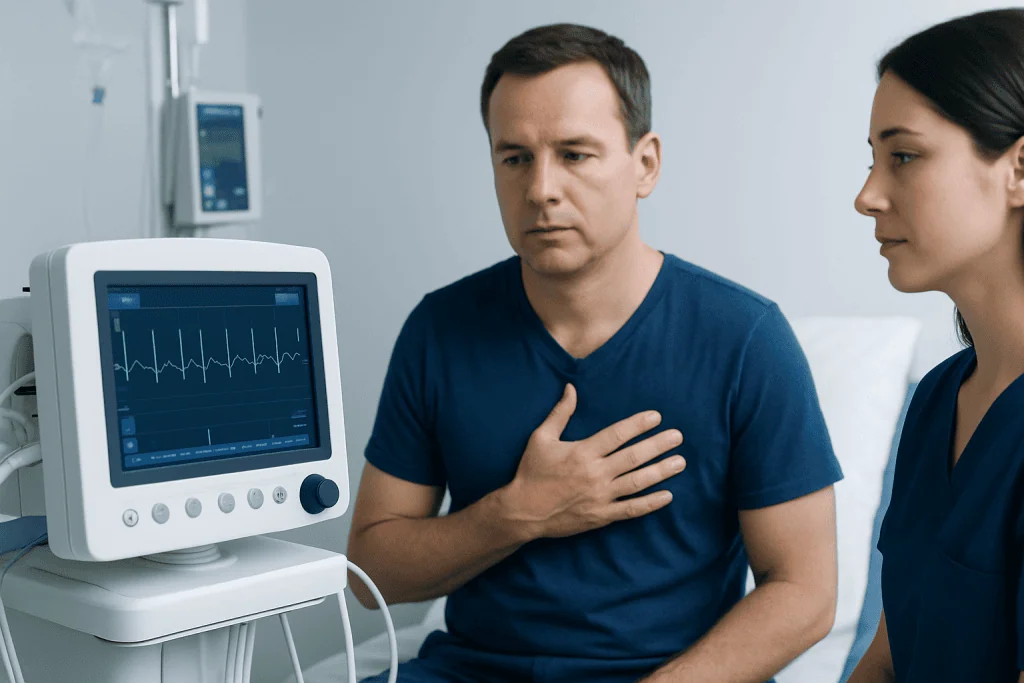
People describe palpitations in different ways. Some feel a rapid heartbeat that starts suddenly and then stops. Others notice a brief thump followed by a pause, which can happen with premature beats. Palpitations may last seconds, minutes, or longer, and they may occur at rest, during activity, after meals, or when trying to sleep.
Important details include how fast the heart feels, whether the rhythm seems regular or irregular, how long the episode lasts, and what was happening when it began. A person may also notice sweating, trembling, nausea, lightheadedness, chest discomfort, or shortness of breath. These associated symptoms can guide the doctor toward the likely cause.
Palpitations that are brief and occur occasionally in an otherwise healthy person are often benign. Still, new palpitations, frequent episodes, or symptoms that interfere with daily life deserve medical attention, especially in people with known heart disease or a family history of sudden cardiac death.
Common Causes and Risk Factors

Palpitations can come from the heart itself or from conditions that make the heart beat faster or more forcefully. Common non-cardiac triggers include stress, panic attacks, fever, dehydration, low blood sugar, anemia, thyroid overactivity, pregnancy, menopause, and poor sleep. Stimulants such as caffeine, nicotine, energy drinks, and some recreational substances can also provoke symptoms.
Medicines and supplements may play a role. Some cold and flu preparations, asthma inhalers, decongestants, weight-loss products, thyroid medicines, and certain herbal supplements can increase heart rate or trigger palpitations in susceptible people. Patients should not stop prescribed medicines without medical advice, but they should tell their doctor about all medicines and supplements they use.
Heart-related causes include premature atrial or ventricular beats, supraventricular tachycardia, atrial fibrillation, atrial flutter, ventricular tachycardia, valve disease, cardiomyopathy, and previous heart attack. Risk is higher in people with existing heart disease, high blood pressure, diabetes, sleep apnea, significant electrolyte imbalance, or a family history of inherited rhythm disorders.
- Common triggers: caffeine, alcohol, nicotine, stress, lack of sleep, and dehydration.
- Medical contributors: thyroid disease, anemia, fever, pregnancy, and electrolyte changes.
- Heart causes: extra beats, atrial fibrillation, supraventricular tachycardia, and less commonly more serious rhythm disorders.
Diagnosis and Tests
The evaluation begins with a medical history and physical examination. The doctor will ask about the timing, duration, frequency, triggers, and associated symptoms. It is helpful for patients to describe whether the rhythm feels regular or irregular and to note any connection with exercise, caffeine, meals, stress, or position changes. A pulse reading from a smartwatch or blood pressure device may be useful, but it does not replace a medical assessment.
An electrocardiogram, often called an ECG or EKG, records the heart’s electrical activity at one moment in time. It can detect rhythm abnormalities, signs of previous heart injury, conduction problems, and clues to inherited rhythm conditions. Because palpitations may not happen during the office visit, a normal ECG does not always rule out a rhythm problem.
Ambulatory monitoring may be recommended when symptoms are intermittent. A Holter monitor records continuously for one or more days, while event monitors, patch monitors, or implantable loop recorders can be used for less frequent symptoms. The aim is to match the patient’s symptoms with the heart rhythm at that exact time.
Additional tests may include blood tests for thyroid function, anemia, electrolytes, kidney function, or infection when clinically appropriate. An echocardiogram uses ultrasound to assess heart structure and valve function. Exercise stress testing may be considered if palpitations occur with exertion, and specialist electrophysiology evaluation may be needed for complex or recurrent rhythm disorders.
Treatment Options
Treatment depends on the cause, severity, and frequency of palpitations. If symptoms are linked to lifestyle triggers, reducing caffeine or alcohol, improving sleep, staying hydrated, and managing stress may be enough. Treating underlying conditions such as anemia, thyroid disease, fever, sleep apnea, or electrolyte imbalance can also reduce episodes.
When palpitations are caused by a heart rhythm disorder, treatment is individualized. Some rhythm problems only require monitoring and reassurance. Others may be treated with medicines that slow the heart rate, reduce extra beats, or help maintain a normal rhythm. The choice of medication depends on the specific diagnosis, other health conditions, and possible side effects.
In selected cases, procedures may be recommended. Catheter ablation can target small areas of heart tissue responsible for certain abnormal rhythms, such as some supraventricular tachycardias or atrial fibrillation in appropriate patients. People with particular high-risk rhythm disorders may need devices such as pacemakers or implantable cardioverter-defibrillators, but these are used only when clearly indicated.
Shared decision-making is important. Patients should understand the likely cause of their symptoms, the benefits and risks of each option, and when follow-up is needed. Many people with palpitations do very well once triggers are identified and any underlying medical issue is treated.
Prevention and Self-Care
Self-care can reduce palpitations for many people, especially when episodes are related to stimulants, stress, or dehydration. Keeping a symptom diary may help identify patterns. Patients can record the time of day, activity, food and drink intake, stress level, sleep quality, medicines, and how long the palpitations lasted.
Healthy heart habits are also useful. Regular physical activity, a balanced diet, adequate hydration, and consistent sleep support cardiovascular health. People who are not used to exercise should start gradually and seek medical advice if palpitations occur with exertion, chest discomfort, or unusual breathlessness.
Stress management can be helpful, particularly when palpitations occur during anxiety or panic. Slow breathing, mindfulness, relaxation exercises, and counseling may reduce symptom frequency. However, it is important not to assume that all palpitations are anxiety-related before an appropriate medical evaluation, especially when symptoms are new or accompanied by warning signs.
- Limit or avoid personal triggers such as energy drinks, excess caffeine, nicotine, or alcohol.
- Maintain hydration, particularly during hot weather, illness, or exercise.
- Review over-the-counter medicines and supplements with a doctor or pharmacist.
- Seek help for persistent stress, panic symptoms, or sleep problems.
When to See a Doctor
A person should schedule a medical visit if palpitations are new, recurring, becoming more frequent, or causing concern. Evaluation is especially important for people with known heart disease, high blood pressure, diabetes, thyroid disease, pregnancy, or a family history of serious rhythm disorders. Medical care is also advised when palpitations limit exercise or daily activities.
Urgent assessment is needed if palpitations occur with chest pain, fainting, near-fainting, severe shortness of breath, sudden weakness, confusion, or symptoms suggestive of stroke. A very fast heartbeat that does not settle, especially with dizziness or low blood pressure symptoms, should also be treated as urgent. These signs do not always mean a dangerous condition is present, but they require prompt evaluation.
Patients can prepare for an appointment by bringing a list of medicines and supplements, noting caffeine and alcohol intake, and recording details of episodes. If safe to do so, checking the pulse during symptoms may help determine whether the rhythm is fast, slow, regular, or irregular.
For international patients, Acibadem International provides access to multidisciplinary cardiology teams and JCI-accredited hospitals where palpitations and heart rhythm disorders can be evaluated and treated. Care should always be guided by a qualified clinician who can assess the individual patient’s symptoms and risks.
Frequently asked questions
Are palpitations always a sign of heart disease?
No. Palpitations are common and often occur without serious heart disease, especially when related to caffeine, stress, poor sleep, or dehydration. However, they can sometimes reflect a heart rhythm problem, so new, frequent, or concerning symptoms should be discussed with a doctor.
When should someone worry about palpitations?
Palpitations should be assessed urgently if they occur with chest pain, fainting, severe shortness of breath, sudden weakness, or confusion. Medical evaluation is also important if episodes are prolonged, very rapid, irregular, or occur in someone with known heart disease.
Can anxiety cause palpitations?
Yes. Anxiety and panic can increase adrenaline, which may make the heart beat faster or more forcefully. Still, it is best not to assume anxiety is the only cause until a clinician has considered other possibilities, particularly if symptoms are new or severe.
What tests are commonly used for palpitations?
Common tests include an ECG, blood tests, and ambulatory heart monitoring such as a Holter or patch monitor. Depending on symptoms and risk factors, a doctor may also recommend an echocardiogram, exercise stress test, or referral to a heart rhythm specialist.
Can lifestyle changes stop palpitations?
Lifestyle changes can help when palpitations are triggered by caffeine, alcohol, nicotine, dehydration, stress, or lack of sleep. Keeping a symptom diary may reveal patterns. If palpitations continue despite these changes, medical evaluation is recommended.
Are skipped beats dangerous?
Skipped or extra beats are often due to premature beats, which are common and frequently benign in healthy hearts. They should be evaluated if they are frequent, worsening, associated with other symptoms, or occur in a person with heart disease.
This article is for general information only and is not a substitute for professional medical advice. Please consult a qualified doctor about your individual situation.
Explore treatments in Turkey — costs, top hospitals & a free quote
JCI-accredited · board-certified surgeons · reply within 24h
Add us as a Preferred Source to see more of our trusted health content across Google Search, AI Overviews and Discover.
Check your numbers in seconds
BMI, calories, due date, blood pressure and 30+ more clinical calculators — free, instant, doctor-reviewed ranges.

Cardiology Department
Diagnosis and treatment of heart and vascular conditions, from prevention to advanced interventional procedures.
93 specialists in this unitRelated Treatments
Related Conditions
More from the Health Library
Electrophysiology Cardiology Explained: Testing and Treatment for Arrhythmias

Cardiac Sarcoidosis: Symptoms, MRI Findings, and Treatment Options

Interventional Cardiology Explained: What It Is and How It Helps

Medications After CABG: Antiplatelets, Statins, and Blood Pressure Control

Dental Checkup Before Heart Bypass Surgery: Preventing Infection Risks