Electrophysiology Cardiology Explained: Testing and Treatment for Arrhythmias

Electrophysiology cardiology evaluates the heart’s electrical system and helps identify the cause of arrhythmias. Common symptoms include palpitations, dizziness, fainting, shortness of breath, and unexplained fatigue.
Key Takeaways
- Electrophysiology cardiology evaluates the heart’s electrical system and helps identify the cause of arrhythmias.
- Common symptoms include palpitations, dizziness, fainting, shortness of breath, and unexplained fatigue.
- Diagnosis may involve ECGs, wearable monitors, imaging, and an electrophysiology study.
- Treatment depends on the rhythm problem and may include medicines, catheter ablation, pacemakers, or ICDs.
- Many arrhythmias can be managed effectively with expert care and regular follow-up.
Electrophysiology cardiology focuses on diagnosing and treating abnormal heart rhythms, also called arrhythmias. It uses specialized tests to understand how electrical signals move through the heart and offers treatments ranging from lifestyle changes and medicines to catheter-based procedures and implanted devices.
Overview of Electrophysiology Cardiology
Electrophysiology cardiology is a specialized area of heart care that focuses on the electrical signals controlling the heartbeat. When these signals are too fast, too slow, or irregular, the result is an arrhythmia. A cardiac electrophysiologist is a cardiologist with advanced training in finding the source of these rhythm problems and choosing the most suitable treatment.
The heart normally beats in a coordinated pattern because electrical impulses travel through a specific pathway. If that pathway is disrupted by extra signals, blocked signals, scar tissue, or changes in the heart muscle, the rhythm can become abnormal. Some arrhythmias are harmless and short-lived, while others may interfere with blood flow or increase the risk of serious complications.
Electrophysiology care often begins when a person has symptoms such as racing heartbeat, skipped beats, dizziness, or fainting. In other cases, an arrhythmia is found during a routine checkup, after heart surgery, or while evaluating another condition such as heart failure or coronary artery disease. The goal is not only to name the rhythm problem, but also to understand why it is happening and how it affects overall heart health.
Symptoms and Types of Arrhythmias
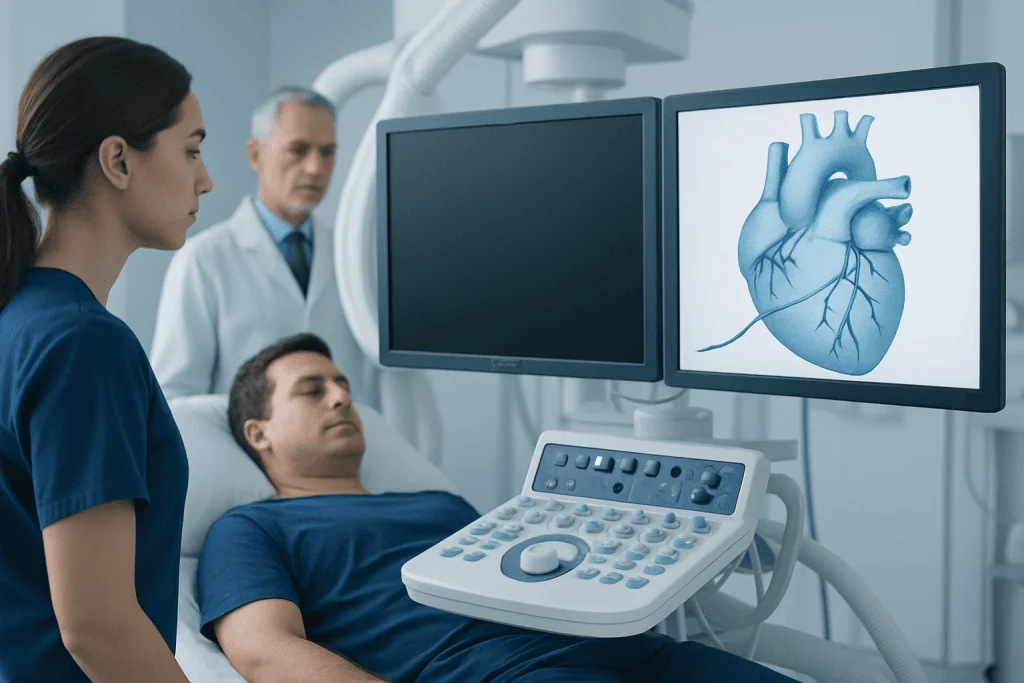
Arrhythmias can feel very different from person to person. Some people notice clear symptoms, while others have no symptoms at all. The most common complaint is palpitations, often described as fluttering, pounding, skipped beats, or a racing heart. Other symptoms may include dizziness, lightheadedness, chest discomfort, breathlessness, reduced exercise tolerance, fatigue, or fainting.
Symptoms do not always reflect how serious an arrhythmia is. A brief, noticeable flutter may be benign, while a dangerous rhythm problem can sometimes cause only mild warning signs. Because of this, symptoms should be assessed in context, especially in older adults or in people with structural heart disease.
Electrophysiologists commonly evaluate several broad categories of arrhythmia:
- Fast rhythms from the upper chambers: such as atrial fibrillation, atrial flutter, and supraventricular tachycardia.
- Fast rhythms from the lower chambers: such as ventricular tachycardia, which may require urgent evaluation.
- Slow heart rhythms: often related to aging or conduction system disease, including sick sinus syndrome.
- Extra or premature beats: which may feel like skipped or forceful beats and are often the cause of heart palpitations.
Understanding the exact rhythm type is important because treatment options differ widely. A rhythm that responds well to medication may not need a procedure, while another may be best treated with ablation or an implanted device.
Causes and Risk Factors

Arrhythmias can develop for many reasons. Sometimes the electrical system itself is the main problem, as in inherited conditions or extra conduction pathways such as Wolff-Parkinson-White syndrome. In other people, the rhythm disturbance is related to changes in the heart muscle or valves, previous heart damage, or another medical condition affecting the body.
Common cardiac causes include coronary artery disease, prior heart attack, cardiomyopathy, congenital heart disease, valve disease, and scarring from surgery or inflammation. Rhythm problems may also occur in association with cardiomyopathy or after a myocardial infarction. Non-cardiac factors can also contribute, including thyroid disorders, sleep apnea, electrolyte imbalance, fever, dehydration, alcohol, stimulants, and certain medications.
Age is an important risk factor because the heart’s conduction system can change over time. Blood pressure, diabetes, obesity, and smoking may also increase the likelihood of arrhythmia, partly because they affect overall cardiovascular health. Emotional stress and poor sleep can make symptoms more noticeable even when they are not the root cause.
In many cases, identifying and addressing triggers is part of treatment. This is one reason electrophysiology care often works closely with general cardiology, imaging, and other medical specialties to build a complete picture of heart health.
How Arrhythmias Are Diagnosed
Diagnosis starts with a careful review of symptoms, medical history, medications, family history, and possible triggers. The clinician will ask when symptoms occur, how long they last, whether they happen during exercise or rest, and whether fainting, chest pain, or breathlessness is involved. A physical examination helps look for clues such as valve disease, heart failure, or signs of thyroid problems.
The first-line test is usually an electrocardiogram, or ECG, which records the heart’s electrical activity. However, because many arrhythmias come and go, a standard ECG may be normal between episodes. In those cases, ambulatory monitoring can be very helpful. This may include a Holter monitor worn for 24 to 48 hours, an event recorder, a patch monitor, or an implantable loop recorder for longer-term rhythm tracking.
Additional tests are often used to look for related heart conditions. Echocardiography can evaluate heart structure and pumping function, and in some situations doctors may recommend echocardiography or non-invasive cardiology testing as part of a broader assessment. Blood tests may check thyroid function, electrolytes, kidney function, or markers of other medical problems.
When the cause of an arrhythmia remains unclear, or when a procedure is being considered, an electrophysiology study may be recommended. During this test, thin catheters are guided through blood vessels into the heart to record electrical signals directly and sometimes trigger the abnormal rhythm in a controlled setting. This helps map exactly where the rhythm starts and which treatment is most likely to work.
Treatment Options in Electrophysiology
Treatment depends on the type of arrhythmia, its cause, symptom burden, and any underlying heart disease. Some people need only reassurance and observation, especially if the rhythm change is benign and does not affect heart function. Others benefit from treating triggers such as caffeine excess, alcohol, poor sleep, or thyroid imbalance.
Medications may be used to slow the heart rate, control the rhythm, or reduce the risk of complications such as stroke in selected conditions. Drug choice varies according to the arrhythmia and the patient’s overall health, so treatment plans are individualized. Regular follow-up is important because medications can have side effects and sometimes need adjustment over time.
Catheter ablation is a common electrophysiology procedure used when a rhythm problem arises from a specific pathway or focus in the heart. Using heat or cold energy delivered through catheters, the electrophysiologist can target the small area causing the abnormal electrical circuit. For many patients, ablation procedures offer an effective way to reduce or eliminate recurrent arrhythmias, particularly certain supraventricular tachycardias, atrial flutter, and some ventricular rhythms.
Some patients need an implanted device rather than or in addition to medication. A pacemaker helps when the heart beats too slowly or pauses unexpectedly. An implantable cardioverter-defibrillator, or ICD, can detect and treat dangerous fast rhythms from the lower chambers. If arrhythmias are linked to a broader rhythm disorder, specialists may also coordinate care through services related to cardiac arrhythmia treatment and recovery support such as cardiac rehabilitation when appropriate.
What to Expect During an Electrophysiology Study or Ablation
An electrophysiology study or ablation is usually performed in a specialized cardiac catheterization or electrophysiology laboratory. Before the procedure, the care team reviews medications, allergies, and any blood thinner use. Patients are often asked not to eat or drink for several hours beforehand, and some medications may need to be adjusted according to medical advice.
During the procedure, thin flexible catheters are inserted through a blood vessel, usually in the groin, and carefully guided to the heart. The team monitors heart rhythm continuously while recording electrical signals from different areas. In an electrophysiology study, the doctor may use controlled pacing to understand how the arrhythmia starts and travels. If ablation is planned, the problem area is then treated through the catheter.
Most people remain in the hospital for monitoring for several hours, and some stay overnight depending on the procedure and overall health status. Mild bruising or soreness at the insertion site can happen, but severe complications are uncommon when procedures are done by experienced teams. Recovery instructions usually include avoiding strenuous activity for a short period and watching for signs such as persistent bleeding, fever, chest pain, or worsening shortness of breath.
Follow-up is an important part of care. Even when the procedure is successful, the heart may need time to settle, and symptoms can fluctuate temporarily. The doctor may repeat rhythm monitoring or adjust medications after the procedure to confirm long-term control.
Prevention, Self-care, and Long-term Follow-up
Not every arrhythmia can be prevented, but heart-healthy habits can reduce risk and improve symptom control. Helpful steps include managing blood pressure, keeping blood sugar in a healthy range, maintaining a healthy weight, not smoking, limiting excess alcohol, and staying physically active within medical guidance. Good sleep and stress management may also reduce symptom triggers in some people.
People who already have an arrhythmia should take medications exactly as prescribed and attend regular follow-up appointments. It can be useful to keep a simple symptom diary noting the time, duration, and possible triggers of episodes. This information can help the care team decide whether the current treatment is working well or needs to be changed.
Self-care also means knowing when home management is not enough. New fainting, severe dizziness, prolonged palpitations, chest pain, or shortness of breath should not be ignored. Patients with implanted devices should attend scheduled checks so battery life, settings, and rhythm recordings can be reviewed properly.
For international patients seeking coordinated care, Acibadem International’s multidisciplinary specialists and JCI-accredited hospitals diagnose and treat heart rhythm disorders with modern electrophysiology and cardiology services. A personalized plan may include evaluation of related conditions, long-term monitoring, and supportive lifestyle guidance.
When to See a Doctor
A doctor should assess recurring palpitations, unexplained dizziness, fainting, new exercise intolerance, or a heartbeat that is persistently too fast or too slow. Even when symptoms seem mild, repeated episodes may point to an underlying rhythm problem that deserves evaluation. Early assessment can also help distinguish a benign rhythm change from one that needs treatment.
Urgent medical attention is important if symptoms occur together with chest pain, severe shortness of breath, loss of consciousness, confusion, or signs of poor circulation. These symptoms may indicate a serious arrhythmia or another cardiac emergency. People with known heart disease, prior heart surgery, or a family history of sudden cardiac death should be especially careful not to delay assessment.
It is also sensible to seek review if a prescribed heart rhythm medication seems to cause side effects, or if symptoms continue despite treatment. Electrophysiology cardiology offers advanced tools to clarify the diagnosis and guide safer, more effective management. With expert care, many people are able to control symptoms well and return to their usual daily activities.
Frequently asked questions
What does an electrophysiology cardiologist do?
An electrophysiology cardiologist, also called a cardiac electrophysiologist, specializes in the heart’s electrical system. This doctor diagnoses abnormal heart rhythms and recommends treatments such as monitoring, medication, ablation, pacemakers, or ICDs.
Is an electrophysiology study painful?
An electrophysiology study is usually not described as painful, although it can be uncomfortable at times. The insertion site is numbed, and patients are monitored closely throughout the procedure. Some may feel temporary palpitations when the rhythm is being tested.
When is catheter ablation recommended?
Catheter ablation may be recommended when an arrhythmia causes significant symptoms, keeps returning, or does not respond well to medication. It is also considered when a specific electrical pathway can be identified and treated directly. The decision depends on the arrhythmia type and the patient’s overall heart health.
Can arrhythmias go away on their own?
Some arrhythmias are brief and may stop without treatment, especially if they are triggered by stress, stimulants, or dehydration. Others tend to recur or worsen over time and need medical evaluation. Because symptoms alone do not show how serious a rhythm problem is, it is wise to seek professional advice if episodes repeat.
What tests are used to diagnose an arrhythmia?
Doctors commonly use an ECG, Holter monitor, event monitor, blood tests, and echocardiography. If the rhythm problem is hard to capture or a procedure is being considered, an electrophysiology study may be recommended. These tests help identify both the rhythm itself and any underlying heart disease.
Do all arrhythmias need treatment?
No, not all arrhythmias require active treatment. Some are harmless and need only observation and trigger management, while others need medicine or procedures to reduce symptoms or prevent complications. The best approach depends on the exact rhythm, how often it occurs, and whether there is underlying heart disease.
This article is for general information only and is not a substitute for professional medical advice. Please consult a qualified doctor about your individual situation.
Cardiology in Turkey — costs, top hospitals & a free quote
JCI-accredited · board-certified surgeons · reply within 24h
Add us as a Preferred Source to see more of our trusted health content across Google Search, AI Overviews and Discover.

Cardiology Department
Diagnosis and treatment of heart and vascular conditions, from prevention to advanced interventional procedures.
93 specialists in this unitRelated Treatments
Related Conditions
More from the Health Library

Cardiometabolic Disorders: Why Blood Pressure, Cholesterol, Weight, and Blood Sugar Matter Together

Palpitations: Causes, Tests, and When to Worry

Heart Bypass Surgery After a Heart Attack: Timing and Decision Factors
What Is Nuclear Cardiology?

Cardiac MRI Before CABG: Assessing Heart Muscle Viability