Heart Screening for Athletes: Detecting Hidden Cardiac Risks
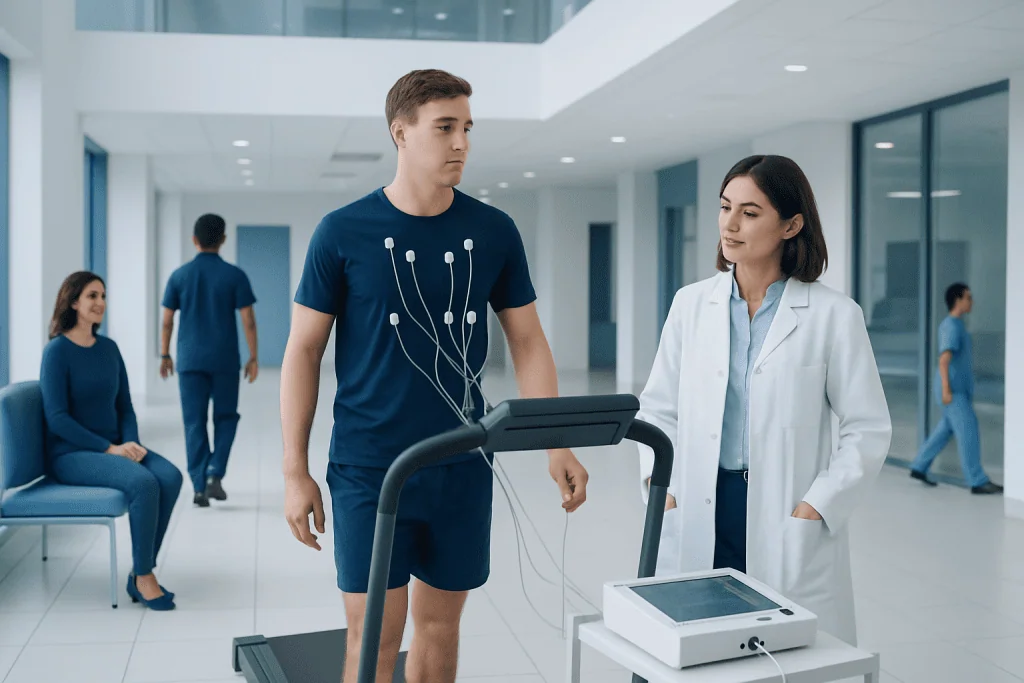
Most athletes have healthy hearts, but a small number may have silent heart conditions that become important during intense exercise. Screening usually begins with a medical history, family history, physical examination, and often an electrocardiogram.
Key Takeaways
- Most athletes have healthy hearts, but a small number may have silent heart conditions that become important during intense exercise.
- Screening usually begins with a medical history, family history, physical examination, and often an electrocardiogram.
- Further tests such as echocardiography, exercise testing, Holter monitoring, or cardiac MRI may be recommended when findings need clarification.
- Warning symptoms such as fainting during exercise, chest pain, unexplained shortness of breath, or palpitations should always be assessed by a doctor.
- A positive or unclear screening result does not automatically mean an athlete must stop sports permanently; many cases can be managed with specialist guidance.
Heart screening for athletes is a preventive evaluation designed to detect hidden cardiac conditions that may not cause symptoms during everyday life. It helps athletes, families, coaches, and doctors make safer decisions about training and competition.
Overview
Heart screening for athletes is a structured medical evaluation that looks for heart conditions that may increase risk during intensive training or competition. Although serious cardiac events in athletes are uncommon, they are deeply concerning because they can occur in people who appear fit and healthy. Screening aims to identify warning signs early, before an athlete is exposed to high physical demands.
Sports place unique stress on the cardiovascular system. During exercise, the heart beats faster, pumps more blood, and responds to changes in adrenaline, hydration, temperature, and oxygen needs. For most people this is safe and beneficial. However, certain inherited or acquired heart conditions can make vigorous exercise less safe unless they are recognized and managed.
Screening is not a single universal test. It usually combines a careful personal history, family history, physical examination, and selected heart tests. The exact approach depends on age, sport intensity, symptoms, family background, and national or sports federation recommendations. The goal is not to discourage activity, but to support safe participation.
Why Athletes May Need Heart Screening
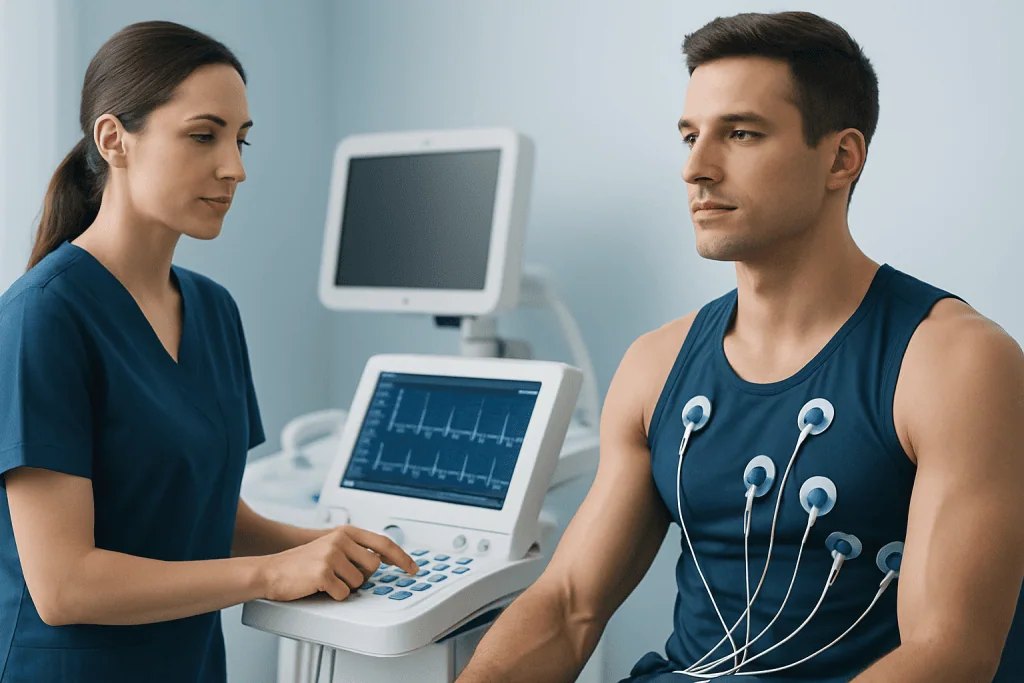
Athletes often develop normal training-related changes known as the athlete’s heart. These may include a slower resting pulse, stronger heart muscle, and increased heart chamber size. These adaptations are usually healthy, but they can sometimes look similar to findings seen in heart disease. A sports cardiology evaluation helps distinguish normal adaptation from possible risk.
Screening may be especially important for competitive athletes, endurance athletes, people starting intense exercise after years of inactivity, and those with symptoms or a family history of cardiac disease. It may also be recommended before joining professional teams, school programs, military-style training, or high-level recreational events such as marathons and triathlons.
The conditions doctors look for vary by age. In younger athletes, inherited electrical or structural heart diseases are a key focus. In athletes over 35, coronary artery disease becomes a more important consideration, especially when risk factors such as high blood pressure, diabetes, smoking, high cholesterol, or a strong family history are present.
Symptoms and Warning Signs That Should Not Be Ignored

Many athletes feel occasional fatigue, muscle soreness, or breathlessness during hard training. These are often normal. However, some symptoms deserve prompt medical assessment because they may suggest a heart rhythm problem, reduced blood flow to the heart, or another cardiovascular condition.
Important warning signs include fainting or near-fainting during exercise, chest pain or pressure with exertion, unexplained shortness of breath that is out of proportion to fitness level, palpitations that feel rapid or irregular, and unusual decline in performance without a clear reason. Dizziness, especially when it occurs during peak exertion rather than after stopping suddenly, should also be discussed with a doctor.
- Fainting during exercise or immediately after exertion
- Chest discomfort, tightness, or pressure during training
- Unexplained breathlessness, fatigue, or reduced exercise capacity
- Fast, irregular, or forceful heartbeats that recur
- Family history of sudden unexplained death, cardiomyopathy, or inherited rhythm disorders
Athletes may be tempted to minimize symptoms to avoid missing competition. It is safer to report symptoms early. In many cases, evaluation provides reassurance, and if a problem is found, treatment or sport-specific guidance can reduce risk.
What Conditions Can Screening Detect?
Sports cardiac screening can identify a range of conditions. Some involve the structure of the heart muscle, such as hypertrophic cardiomyopathy, dilated cardiomyopathy, arrhythmogenic cardiomyopathy, or inflammation of the heart muscle after infection. Others involve the heart’s electrical system, including long QT syndrome, Brugada syndrome, Wolff-Parkinson-White pattern, or other rhythm disorders.
Screening may also detect congenital heart problems that were not recognized earlier in life, such as abnormal coronary artery origins or certain valve abnormalities. In adult and masters athletes, doctors may focus more on coronary artery disease, where narrowed arteries can limit blood flow to the heart during exertion.
Not every finding is dangerous. For example, a slow resting heart rate is common in well-trained athletes. Some ECG changes are also considered normal in athletic hearts. This is why interpretation should ideally be performed by clinicians familiar with athlete-specific criteria, so that normal training effects are not mistaken for disease and true warning signs are not overlooked.
How Heart Screening Is Performed
The first step is a detailed medical history. The doctor asks about symptoms, previous illnesses, medications, supplements, stimulant use, infections, and exercise habits. Family history is also important, particularly sudden death before the age of 50, unexplained drowning or car accidents, known cardiomyopathy, pacemakers at a young age, or inherited rhythm disorders.
A physical examination may include blood pressure measurement, pulse assessment, listening for heart murmurs, and checking for features that could suggest connective tissue disorders. Many screening programs include a resting electrocardiogram, or ECG, which records the heart’s electrical activity. An ECG can detect many rhythm-related and structural clues, but it must be interpreted in the context of the athlete’s age, sex, ethnicity, sport, and training level.
If the initial evaluation raises questions, additional tests may be recommended. These can include echocardiography to assess heart structure and valves, exercise stress testing to monitor the heart during exertion, Holter or event monitoring to record rhythm over time, blood tests when inflammation or other illness is suspected, and cardiac MRI for detailed imaging. In selected adult athletes, coronary CT angiography or other tests for coronary artery disease may be considered.
Screening should be individualized. A young basketball player with a family history of cardiomyopathy, a 45-year-old cyclist with chest pressure, and a recreational runner returning after myocarditis may need different tests. The most useful evaluation is one that answers a specific clinical question rather than applying every test to every athlete.
Understanding Results and Sports Participation Decisions
Screening results are usually categorized as normal, requiring follow-up, or abnormal. A normal result is reassuring but cannot eliminate every possible risk. Athletes should continue to report new symptoms and update doctors if family history changes. Periodic reassessment may be appropriate for competitive athletes or those with evolving risk factors.
If a result is unclear, doctors may recommend repeat testing, specialist review, or temporary modification of training until the situation is clarified. This does not always mean a serious disease is present. Athlete-specific changes can create borderline findings, and additional imaging or rhythm monitoring often helps determine whether the heart is adapting normally to exercise.
When a heart condition is diagnosed, decisions about sports participation should be shared between the athlete, cardiologist, sports medicine team, and when appropriate, family members. Factors include the diagnosis, severity, symptoms, treatment response, sport type, level of competition, and the athlete’s personal values. Some athletes can continue with monitoring and treatment, while others may be advised to avoid high-intensity or certain competitive sports.
Clear communication is essential. Athletes should understand what has been found, what it means, what warning signs to watch for, and which activities are recommended or restricted. The goal is to protect health while supporting an active lifestyle whenever safely possible.
Prevention, Self-Care, and When to See a Doctor
Heart screening works best when combined with everyday preventive care. Athletes should avoid training through significant illness, fever, chest infection, or unexplained fatigue. Returning to sport after viral illness, myocarditis, COVID-19 with significant symptoms, or prolonged inactivity should be guided by a clinician, especially if chest pain, palpitations, or breathlessness occurred.
Healthy habits also reduce cardiovascular risk. These include adequate sleep, balanced nutrition, good hydration, gradual training progression, and avoiding tobacco, recreational drugs, and unsafe stimulant use. Supplements and performance-enhancing substances can affect heart rhythm and blood pressure, so athletes should discuss them openly with healthcare professionals.
An athlete should seek medical evaluation promptly for fainting during exercise, exertional chest pain, new palpitations, unexplained shortness of breath, or a sudden drop in performance. A family history of sudden unexplained death, inherited cardiomyopathy, or known rhythm disorders also warrants screening even if the athlete feels well.
For international patients who need assessment, Acibadem International offers multidisciplinary cardiology, sports medicine, imaging, and electrophysiology expertise in JCI-accredited hospitals. Evaluation should always be individualized by qualified doctors, with recommendations based on the athlete’s medical history, test results, and sport demands.
Frequently asked questions
Is heart screening necessary for every athlete?
Not every athlete needs the same level of screening. A basic assessment with medical history, family history, and physical examination is often a reasonable starting point, especially before competitive sports. More detailed testing may be recommended for athletes with symptoms, a concerning family history, higher age-related risk, or abnormal initial findings.
Can an ECG detect all dangerous heart conditions in athletes?
No single test can detect every heart condition. An ECG is useful because it can reveal many electrical and structural clues, but some conditions may require echocardiography, exercise testing, rhythm monitoring, or cardiac MRI. This is why screening is most effective when interpreted alongside history and examination.
What is the difference between athlete's heart and heart disease?
Athlete's heart refers to normal changes caused by regular intensive training, such as a lower resting heart rate and mild enlargement of heart chambers. Heart disease involves abnormal structure, function, rhythm, or blood flow that may increase health risk. Specialist evaluation may be needed because the two can sometimes appear similar on tests.
If screening finds a problem, does the athlete have to stop sports?
Not always. Some findings only need monitoring, while others can be treated or managed with sport-specific guidance. Decisions depend on the exact diagnosis, severity, symptoms, treatment response, and type of sport, and should be made with a cardiologist experienced in sports-related heart care.
How often should competitive athletes have heart screening?
The timing depends on age, sport level, medical history, and local or federation requirements. Some athletes are screened before a season or at regular intervals, while others are reassessed only if symptoms or risk factors develop. A doctor can advise an appropriate schedule based on individual risk.
Should older recreational athletes be screened before intense exercise?
Adults who are starting vigorous training after a long break, or who have risk factors such as high blood pressure, diabetes, smoking, high cholesterol, or family history of early heart disease, should consider medical evaluation first. This does not mean exercise is unsafe; it helps tailor activity and identify risks that may need treatment.
This article is for general information only and is not a substitute for professional medical advice. Please consult a qualified doctor about your individual situation.
Heart care in Turkey — expert evaluation and treatment
JCI-accredited · board-certified surgeons · reply within 24h
Add us as a Preferred Source to see more of our trusted health content across Google Search, AI Overviews and Discover.
Check your numbers in seconds
BMI, calories, due date, blood pressure and 30+ more clinical calculators — free, instant, doctor-reviewed ranges.

Cardiology Department
Diagnosis and treatment of heart and vascular conditions, from prevention to advanced interventional procedures.
93 specialists in this unitRelated Treatments
Related Conditions
More from the Health Library

Who Is a Good Candidate for Heart Bypass Surgery?

Brain Fog After Heart Bypass Surgery: Causes, Delirium Risk, and Recovery

Permanent Pacemaker Recovery: Activity Limits, Wound Care, and Follow-Up

Congenital Heart Defect Surgery in Adults: When Repair Is Still Possible

Aortic Aneurysm: How It Is Found and When Surgery Is Needed