Hypertension Stage 2 Treatment: How It Works, Results and What to Expect

Stage 2 hypertension generally means a blood pressure reading of 140/90 mmHg or higher, confirmed with repeat measurements. Most people need both lifestyle changes and prescription medication; treatment is not a one-time procedure.
Key Takeaways
- Stage 2 hypertension generally means a blood pressure reading of 140/90 mmHg or higher, confirmed with repeat measurements.
- Most people need both lifestyle changes and prescription medication; treatment is not a one-time procedure.
- High blood pressure often causes no noticeable symptoms, so regular monitoring is essential.
- Blood pressure can often be controlled well, but medicines should not be stopped or changed without medical advice.
- A reading of 180/120 mmHg or higher, especially with symptoms, needs urgent medical assessment.
Hypertension stage 2 treatment typically involves prompt medical assessment, sustained lifestyle measures and, for most people, two blood pressure medicines from different classes. Treatment is individualized and aims to bring blood pressure into a safer range while reducing the long-term risk of heart, brain, kidney and blood vessel disease.
Overview: What Is Hypertension Stage 2 Treatment?
Hypertension stage 2 treatment is a structured plan to lower persistently high blood pressure, usually through lifestyle changes plus prescription medicines. In common adult classification systems, stage 2 hypertension refers to blood pressure of at least 140/90 mmHg. A clinician normally confirms the diagnosis with repeat office readings and may recommend home or ambulatory blood pressure monitoring.
Because blood pressure at this level increases strain on the heart and arteries, treatment generally starts without unnecessary delay. The goal is not simply to improve a number on a monitor. Effective control helps lower the future risk of stroke, heart attack, heart failure, chronic kidney disease and some forms of vascular disease.
Care is individualized. A clinician considers the person’s average blood pressure, age, pregnancy status, other health conditions, current medicines, kidney function, cardiovascular risk and possible causes of secondary hypertension. Many people can achieve good control with consistent follow-up and a treatment plan they can maintain.
How Treatment Works and Who May Need It
Blood pressure medicines work in different ways. Some help the kidneys remove excess salt and fluid, some relax blood vessels, and others reduce hormonal signals that cause vessels to narrow. Combining medicines with complementary effects can lower blood pressure more effectively than increasing a single medicine alone, while helping limit side effects.
For confirmed stage 2 hypertension, clinicians commonly recommend starting two first-line medicines, often as separate tablets or a single combination tablet. The exact choice depends on individual factors. Examples of medicine groups used for many adults include thiazide-type diuretics, calcium channel blockers, angiotensin-converting enzyme inhibitors and angiotensin receptor blockers. Certain combinations are avoided, including using an ACE inhibitor and an ARB together.
People with very high readings, diabetes, kidney disease, coronary artery disease, heart failure, prior stroke, pregnancy, or suspected medication-related or hormonal causes may need a more tailored plan. A full review also checks for substances that can raise blood pressure, such as some anti-inflammatory pain medicines, decongestants, stimulants, corticosteroids, excess alcohol and certain herbal products.
- Medication is recommended when high readings are confirmed, unless a clinician advises otherwise.
- Lifestyle changes support every treatment plan, including when medication is necessary.
- Pregnancy or plans for pregnancy should be discussed before starting or changing blood pressure medicines.
What Happens During Assessment and Treatment Follow-Up?

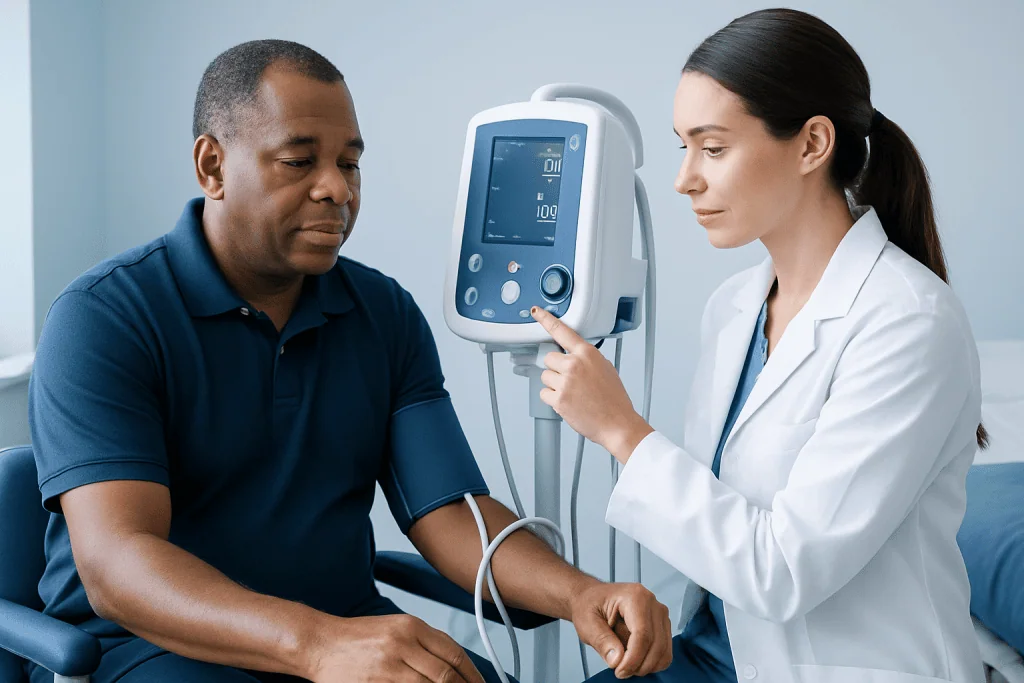
There is no surgical procedure for routine stage 2 hypertension. Instead, care follows a step-by-step clinical process. At the first assessment, a healthcare professional reviews blood pressure readings, symptoms, medical and family history, medicines, diet, sleep, activity, alcohol and tobacco use. Blood pressure is measured using the correct cuff size after a period of rest.
Testing may include blood and urine tests to assess kidney function, electrolytes, blood sugar and cholesterol. An electrocardiogram may be used to look for effects on the heart. Further tests are considered when there are signs of an underlying cause, such as kidney artery disease, sleep apnea or a hormone disorder.
After medicines are prescribed, blood pressure is checked again within weeks rather than months. The clinician may adjust the dose, change a medicine or add another option based on home readings, side effects and laboratory results. Once readings are stable, follow-up remains important because blood pressure and health needs can change over time.
Home monitoring provides useful information between visits. Patients should use a validated upper-arm monitor, follow the device instructions, sit quietly for several minutes, and record readings at consistent times. A single unusual result does not always reflect a person’s usual blood pressure; the pattern over multiple readings is more informative.
Benefits, Risks and Recovery Timeline
The main benefit of treatment is a sustained reduction in blood pressure and, over time, a lower risk of hypertension-related organ damage. Some people see meaningful improvement in home readings within days to a few weeks of starting therapy, but finding the most suitable regimen can take several appointments. Long-term success depends on taking medicine as prescribed and maintaining follow-up.
There is usually no recovery period in the procedural sense. Most people continue work, daily activities and exercise plans as advised while treatment begins. However, it can take time to build medication routines, make dietary adjustments and identify any side effects. Clinicians may repeat blood tests after starting or changing certain medicines.
Possible side effects vary by medication. They can include dizziness, ankle swelling, increased urination, cough, changes in potassium or kidney test results, or sexual side effects. These effects are often manageable by adjusting the regimen, but patients should report them rather than stopping treatment on their own. Severe swelling of the face or lips, fainting, chest pain, breathing difficulty or new neurological symptoms requires urgent care.
Some people need more than two medicines to reach an appropriate target. Needing several medicines does not mean treatment has failed; it may reflect the biology of hypertension and the presence of other health conditions. A clinician can also assess adherence, measurement technique and possible secondary causes when blood pressure remains above target.
Lifestyle Measures That Support Blood Pressure Control
Lifestyle measures can enhance the effects of medication and improve overall cardiovascular health. They are recommended for everyone with hypertension, regardless of body size or fitness level. Changes should be realistic, culturally appropriate and sustainable rather than overly restrictive.
Helpful steps include eating a pattern rich in vegetables, fruits, legumes, whole grains and other minimally processed foods; reducing sodium from packaged and restaurant foods; being physically active on most days; maintaining a weight that supports health; limiting alcohol; avoiding tobacco; and getting adequate sleep. Regular exercise should be selected with a clinician’s advice when blood pressure is severely elevated or when heart symptoms are present.
Sleep apnea can contribute to difficult-to-control hypertension, especially when loud snoring, witnessed pauses in breathing, unrefreshing sleep or daytime sleepiness are present. Stress management may also support healthy routines, although it does not replace medical treatment. Patients should discuss supplements or “natural” remedies with a clinician, as some can interact with medicines or raise blood pressure.
Acibadem International’s multidisciplinary specialists and JCI-accredited hospitals assess and treat hypertension for international patients, coordinating care when heart, kidney, endocrine or sleep-related factors may be involved.
When to Seek Medical Care
Anyone with repeated readings in the stage 2 range should arrange a medical appointment promptly, even when feeling well. High blood pressure is often silent, and early evaluation allows clinicians to confirm the readings, look for contributing factors and begin a safe plan. It is particularly important to seek timely care during pregnancy or when there is known kidney, heart or vascular disease.
A blood pressure reading of 180/120 mmHg or higher should be repeated after resting quietly for a few minutes. If it remains this high, urgent medical advice is needed. Emergency services should be contacted immediately if a very high reading occurs with chest pain, shortness of breath, weakness or numbness, trouble speaking, confusion, vision changes, severe headache, fainting or other new concerning symptoms.
People should not use an extra dose of prescribed medication or take another person’s medication to manage a high reading unless specifically instructed by a qualified clinician. Bringing a home monitor and a record of recent readings to appointments can help ensure accurate decisions.
Common Questions About Stage 2 Hypertension
How long can you survive with stage 2 hypertension? There is no reliable time limit because risk differs from person to person and depends on factors such as age, smoking, diabetes, kidney health, cholesterol, existing heart disease and how long blood pressure remains uncontrolled. Many people live for many years with hypertension, especially when it is identified and treated. Leaving stage 2 hypertension unmanaged increases the chance of serious complications over time, so prompt treatment is important.
Can stage 2 hypertension go back to normal? Blood pressure can often be brought into a healthy or target range with medicines and sustained lifestyle measures. Whether medication can later be reduced depends on the underlying cause, blood pressure pattern and overall health, and should be decided with a clinician. Even if readings improve, hypertension may return if treatment is stopped without guidance.
Is stage 2 hypertension very serious? Stage 2 hypertension is clinically important because it is associated with a higher long-term risk of cardiovascular and kidney complications than lower blood pressure levels. It is usually manageable, particularly when treatment begins early and is followed consistently. It is not necessarily an emergency unless readings are extremely high or accompanied by concerning symptoms.
How does stage 2 hypertension make you feel? Most people do not feel high blood pressure, including when it is in the stage 2 range. Some may report nonspecific symptoms such as headache or dizziness, but these cannot confirm hypertension and may have many causes. Blood pressure measurement, not symptoms, is the reliable way to identify and monitor it.
Frequently asked questions
What blood pressure numbers are considered stage 2 hypertension?
For many adults, stage 2 hypertension means a systolic reading of 140 mmHg or higher, or a diastolic reading of 90 mmHg or higher. A diagnosis should be based on properly measured readings on more than one occasion, often supported by home or ambulatory monitoring.
Will I need two medicines for stage 2 hypertension?
Many people with confirmed stage 2 hypertension are started on two medicines from different drug classes, alongside lifestyle changes. The best regimen depends on medical history, kidney function, pregnancy considerations, other medicines and possible side effects.
How quickly does stage 2 hypertension treatment lower blood pressure?
Some blood pressure reduction may occur within days to weeks, depending on the medicines used and the person’s response. Reaching and maintaining an individualized target can take longer because doses or medicines may need adjustment.
Can I stop blood pressure medication after my readings improve?
Blood pressure medicines should not be stopped without discussing it with the prescribing clinician. Improved readings may mean the treatment is working, and stopping suddenly can allow blood pressure to rise again.
What should I do if my home blood pressure reading is very high?
Sit quietly and repeat the reading after several minutes using correct technique. If the reading remains 180/120 mmHg or higher, seek urgent medical advice; call emergency services immediately if there are symptoms such as chest pain, breathlessness, weakness, speech problems, confusion or vision changes.
Does stress alone cause stage 2 hypertension?
Stress can temporarily raise blood pressure and can make healthy routines harder to maintain, but persistent stage 2 hypertension usually requires a full clinical assessment. Treatment may include stress-management strategies, but these do not replace appropriate monitoring, lifestyle measures or prescribed medication.
References
- American Heart Association
- American College of Cardiology
- Centers for Disease Control and Prevention
- World Health Organization
- National Heart, Lung, and Blood Institute
This article is for general information only and is not a substitute for professional medical advice. Please consult a qualified doctor about your individual situation.
Hypertension in Turkey — costs, top hospitals & a free quote
JCI-accredited · board-certified surgeons · reply within 24h
Add us as a Preferred Source to see more of our trusted health content across Google Search, AI Overviews and Discover.
Check your numbers in seconds
BMI, calories, due date, blood pressure and 30+ more clinical calculators — free, instant, doctor-reviewed ranges.