Endometriosis Specialist CT: An Evidence-Based Patient Guide

Endometriosis can cause pain, heavy periods, bowel or bladder symptoms, fatigue and fertility difficulties, but symptoms vary widely. A specialist gynecologist can often make a clinical diagnosis using symptoms, examination and targeted imaging; surgery is not required for every person.
Key Takeaways
- Endometriosis can cause pain, heavy periods, bowel or bladder symptoms, fatigue and fertility difficulties, but symptoms vary widely.
- A specialist gynecologist can often make a clinical diagnosis using symptoms, examination and targeted imaging; surgery is not required for every person.
- Ultrasound and MRI can identify some forms of disease, while CT is usually used to assess other conditions or complications rather than diagnose superficial endometriosis.
- Treatment may include pain management, hormone-based medicines, fertility planning and minimally invasive surgery when appropriate.
- Care is most effective when it is tailored to the person’s pain, daily functioning, reproductive plans and overall health.
An endometriosis specialist CT patients seek is typically a gynecologist or gynecologic surgeon with focused experience in endometriosis, chronic pelvic pain, fertility concerns and minimally invasive surgery. The right care team considers symptoms, personal goals and the possible involvement of the bowel, bladder or other pelvic organs before recommending treatment.
Overview: finding an endometriosis specialist in CT
People searching for an endometriosis specialist CT or an endometriosis specialist Connecticut often need help for persistent pelvic pain, difficult periods, pain during sex, bowel symptoms around menstruation, or problems becoming pregnant. Endometriosis occurs when tissue similar to the lining of the uterus grows outside the uterus. These deposits can cause inflammation, scarring and adhesions, although the amount of visible disease does not always match the severity of symptoms.
The most suitable clinician is usually a gynecologist with substantial experience in endometriosis and pelvic pain. Depending on the symptoms and treatment plan, care may also involve a reproductive endocrinology and infertility specialist, pelvic floor physiotherapist, pain specialist, radiologist, colorectal surgeon, urologist or mental health professional. A coordinated approach can be especially helpful when disease is suspected to affect more than one organ system.
Endometriosis is a chronic condition, but effective symptom control and fertility-focused care are available. A consultation should provide time to discuss symptoms, prior treatments, imaging findings, preferences about pregnancy and the possible advantages and limitations of medical or surgical approaches.
Symptoms and the “5 D’s” of endometriosis
Endometriosis symptoms can begin during adolescence or later in adult life. Some people have severe symptoms, while others have mild symptoms or none at all. Pain can be cyclical, meaning it worsens before or during a period, but it may also become persistent over time.
What are the 5 D’s of endometriosis? The “5 D’s” is a practical, informal memory aid rather than a diagnostic rule. It commonly refers to dysmenorrhea (painful periods), dyspareunia (pain during or after sex), dyschezia (painful bowel movements, often around periods), dysuria (painful urination, sometimes cyclical), and difficulty conceiving. These symptoms can have other causes, so they should be assessed in context by a qualified clinician.
Other possible features include heavy menstrual bleeding, pelvic or lower-back pain, bloating, nausea, constipation, diarrhea, fatigue and pain that affects work, sleep, exercise or relationships. Keeping a record of symptoms, bleeding, bowel or urinary changes, and their timing in relation to the menstrual cycle can help make a specialist appointment more productive.
- Period pain that limits normal activities or does not improve with usual measures
- Pain with penetration or deep intercourse
- Cyclical bowel or urinary pain
- Persistent pelvic pain outside menstruation
- Difficulty conceiving after regular unprotected intercourse
What is the best doctor to see for endometriosis?
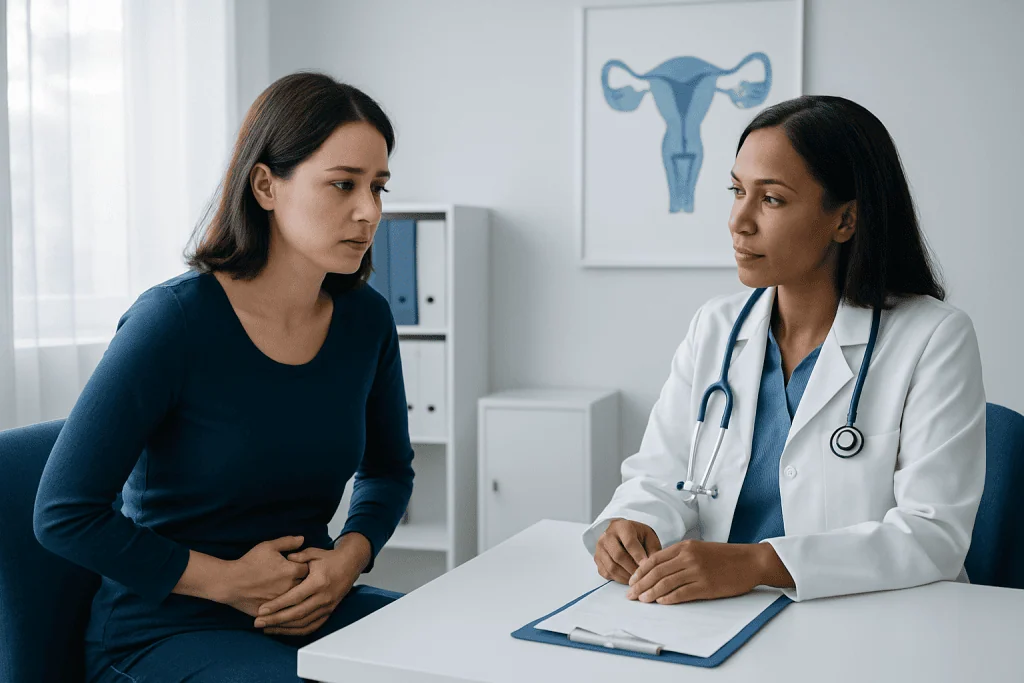
What is the best doctor to see for endometriosis? A gynecologist with expertise in endometriosis is generally the best starting point. This may be a general gynecologist with a special interest in pelvic pain, or a gynecologic surgeon experienced in advanced laparoscopic treatment. The best fit depends on the person’s symptoms, previous care, fertility wishes and whether deep disease involving the bowel, bladder or ureters is suspected.
It is reasonable to ask whether the clinician regularly assesses and treats endometriosis, how imaging is interpreted, when surgery is recommended, and whether the practice works with fertility, pain, bowel and urinary specialists. An experienced clinician should discuss non-surgical options as well as surgery, rather than assuming that one path suits everyone.
For people trying to conceive, input from a fertility specialist may be valuable early in the process. For complex disease, multidisciplinary planning is important because surgery near the bowel, bladder or ureters may require appropriately trained surgeons. Pelvic floor physiotherapy and pain support can also be meaningful parts of care, particularly when muscles and nerves have become sensitized by long-term pain.
Diagnosis and why CT scans may not show endometriosis
Diagnosis begins with a detailed history of pain, menstrual patterns, fertility goals, bowel and bladder symptoms, and previous treatments. A pelvic examination may identify tenderness, pelvic floor muscle tension, ovarian cysts or nodules, but a normal examination does not rule out endometriosis. Clinicians may diagnose suspected endometriosis based on symptoms and examination without immediately proceeding to surgery.
Why can’t you see endometriosis on a CT scan? CT scans have limited ability to detect the small, superficial implants that are common in endometriosis because these lesions can be thin, subtle and similar in appearance to nearby soft tissues. CT also does not provide the same detailed evaluation of pelvic soft tissues as specialized pelvic MRI. A normal CT scan therefore does not exclude endometriosis.
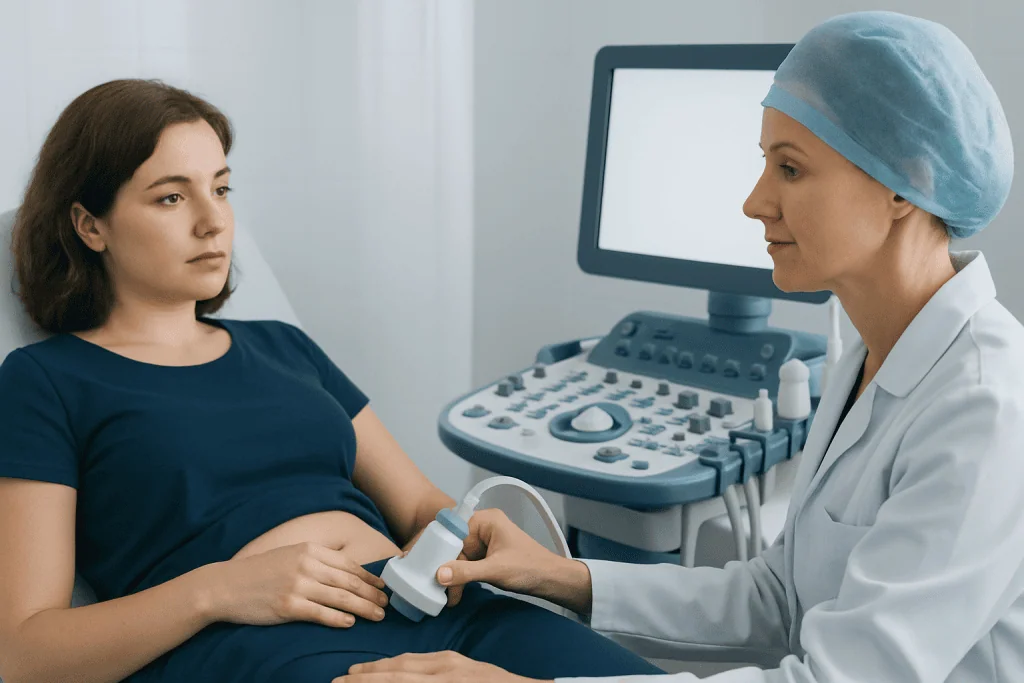
Transvaginal ultrasound performed by an experienced clinician can identify ovarian endometriomas and may detect deep endometriosis in selected locations. Pelvic MRI may help map suspected deep disease and support surgical planning. CT may still be used when doctors need to investigate other causes of abdominal or pelvic symptoms, evaluate urgent concerns, or assess anatomy in particular clinical situations.
Laparoscopy, a minimally invasive operation using a small camera, can confirm disease visually and may allow treatment during the same procedure. However, because surgery has risks, it is not essential for every person before beginning symptom-directed treatment.
Treatment options and how endometriosis surgery works
Treatment is individualized. The main goals are to reduce pain, support daily functioning, protect fertility options where relevant, and address lesions that may affect organs. Non-surgical treatment can include anti-inflammatory pain medicines when safe for the individual, hormone-based therapies that suppress or modify menstrual cycling, and supportive therapies such as pelvic floor rehabilitation, sleep support and psychological care for the impact of chronic pain.
When symptoms remain troublesome, an endometrioma requires assessment, infertility planning calls for it, or deep disease is suspected to affect important structures, minimally invasive surgery may be discussed. Endometriosis surgery usually involves laparoscopy under general anesthesia. Small incisions are made in the abdomen, a camera is inserted, and the surgeon examines the pelvis and treats visible disease by excision or other appropriate techniques. The exact approach depends on lesion location, adhesions, ovarian involvement and the need to protect nearby organs.
Potential benefits of surgery include diagnosis confirmation, removal of selected lesions, improvement in pain for some people, treatment of adhesions or endometriomas, and support for certain fertility plans. Benefits vary, symptoms can recur, and surgery does not guarantee pregnancy or permanent pain relief. Hormone therapy may be recommended after surgery for those not trying to conceive, as it can help reduce recurrence of symptoms.
How do the Japanese treat endometriosis? In Japan, as in other countries, treatment is individualized and commonly includes pain relief, hormonal therapy and laparoscopic surgery when indicated. Japanese clinical practice also emphasizes preserving fertility where possible and using imaging and specialist referral for suspected deep disease. Care should be based on the individual’s needs and current clinical guidance, rather than on a country-specific approach alone.
Candidacy, procedure steps, recovery and possible risks
People may be candidates for laparoscopic surgery when symptoms significantly affect quality of life despite appropriate medical treatment, imaging suggests an endometrioma or deep disease, a diagnosis remains uncertain, or surgical findings would meaningfully influence fertility or treatment planning. Surgery is not automatically the best first option. A specialist should review medical history, prior operations, imaging, medications, pregnancy intentions and personal priorities before recommending it.
Before surgery, the team may arrange blood tests, imaging, anesthetic assessment and, for complex disease, consultations with colorectal or urology specialists. During the procedure, the surgeon evaluates the pelvis and may remove endometriosis lesions, release adhesions, treat ovarian endometriomas or address disease on other structures. Tissue may be sent to a laboratory for confirmation. The operation’s scope should be discussed in advance, including what may happen if extensive disease is found.
Recovery after uncomplicated laparoscopy often begins with discharge the same day or after an overnight stay, but timing varies. Shoulder-tip discomfort from surgical gas, abdominal soreness, fatigue, light vaginal bleeding and temporary bowel changes can occur. Many people gradually return to light activity within days and need longer before strenuous exercise, driving, intercourse or heavy lifting; the surgical team provides individualized instructions.
Possible risks include bleeding, infection, blood clots, reactions to anesthesia, injury to the bowel, bladder, ureters or blood vessels, adhesions and the need for further surgery. Risks are generally higher with extensive disease or operations involving other organs. Urgent advice is needed for fever, worsening severe pain, heavy bleeding, persistent vomiting, shortness of breath, fainting, leg swelling, or wound redness and discharge.
Living with endometriosis and when to seek medical care
Self-care does not replace medical treatment, but it can complement a broader plan. Regular gentle movement, pacing activities during pain flares, adequate sleep, a balanced eating pattern, heat therapy and symptom tracking may help some people manage daily life. Pelvic floor physiotherapy can be useful when muscle tightness contributes to pain. It is important to avoid feeling pressured to tolerate disabling pain simply because it occurs during menstruation.
When to seek medical care A person should arrange a medical assessment for persistent or worsening pelvic pain, periods that interfere with everyday activities, pain with sex, cyclical urinary or bowel symptoms, or concerns about fertility. A prompt assessment is also appropriate if symptoms change significantly or current treatment is no longer helping.
Emergency evaluation may be needed for sudden severe pelvic or abdominal pain, fainting, heavy bleeding, fever, persistent vomiting, or possible pregnancy with pain or bleeding. These symptoms can have causes other than endometriosis and should not be self-diagnosed.
Acibadem International’s multidisciplinary specialists and JCI-accredited hospitals support international patients requiring evaluation and treatment for endometriosis, including complex cases that may need coordinated gynecologic, fertility, bowel or urinary care.
Frequently asked questions
Can an endometriosis specialist diagnose the condition without surgery?
Yes. A specialist can often diagnose suspected endometriosis based on symptoms, pelvic examination and targeted imaging, particularly when the clinical pattern is clear. Laparoscopy may be considered when diagnosis remains uncertain, symptoms do not respond to treatment, or surgery may offer a meaningful treatment benefit.
Does a normal ultrasound mean that endometriosis is not present?
No. Ultrasound can identify some findings, including ovarian endometriomas and certain deep lesions, but it may not show superficial endometriosis. A normal scan should be interpreted together with symptoms, examination findings and the clinician’s assessment.
Should a person see a fertility specialist for endometriosis?
A fertility specialist may be helpful for someone who is having difficulty conceiving, has known endometriosis, is considering surgery that could affect the ovaries, or wants to discuss fertility preservation. The timing of referral depends on age, reproductive history, symptoms and individual goals.
Can hormonal treatment cure endometriosis?
Hormonal treatments do not remove endometriosis permanently, but they can reduce bleeding, inflammation-related symptoms and pain for many people. Symptoms may return after treatment is stopped, so follow-up and an individualized long-term plan are important.
Can endometriosis return after surgery?
Yes. Symptoms or lesions can recur after surgery, particularly because endometriosis is a chronic condition. Follow-up care, symptom monitoring and, when suitable, postoperative hormonal treatment may help manage the risk of recurrence.
How should someone prepare for an endometriosis specialist appointment?
It can help to bring a symptom diary, details of menstrual cycles, prior imaging reports, operative records, medication lists and information about fertility goals. Writing down the main questions in advance can also help ensure that pain, treatment preferences and concerns are fully discussed.
References
- World Health Organization
- American College of Obstetricians and Gynecologists
- European Society of Human Reproduction and Embryology
- National Institute for Health and Care Excellence
- American Society for Reproductive Medicine
This article is for general information only and is not a substitute for professional medical advice. Please consult a qualified doctor about your individual situation.
Endometriosis in Turkey — costs, top hospitals & a free quote
JCI-accredited · board-certified surgeons · reply within 24h
Add us as a Preferred Source to see more of our trusted health content across Google Search, AI Overviews and Discover.

Gynecology & Obstetrics
Women’s health across pregnancy, gynecologic surgery and high-risk pregnancy care.
187 specialists in this unit