

Male Infertility: Causes, Semen Analysis, and Treatment Options

Male infertility may be related to sperm number, movement, shape, hormone balance, ejaculation, blockages or genetic factors. Semen analysis is the first-line test, but results can vary, so repeat testing is often recommended.
Key Takeaways
- Male infertility may be related to sperm number, movement, shape, hormone balance, ejaculation, blockages or genetic factors.
- Semen analysis is the first-line test, but results can vary, so repeat testing is often recommended.
- Many causes are manageable with lifestyle support, treatment of infections or hormones, varicocele repair, sperm retrieval or assisted reproductive technologies.
- Both partners are usually evaluated because fertility is a shared reproductive health issue.
- A reproductive urologist, andrologist or fertility specialist can help choose the safest and most appropriate treatment plan.
Male infertility is a common and often treatable factor when a couple has difficulty conceiving. A structured evaluation, beginning with semen analysis, helps identify causes and guide options such as lifestyle changes, medication, surgery, IUI, IVF or ICSI.
Overview
Male infertility means that a male partner has a reduced chance of contributing to a pregnancy after a period of regular, unprotected intercourse. It does not mean that pregnancy is impossible. Fertility depends on many steps working together: the testicles must produce healthy sperm, sperm must travel through the reproductive tract, ejaculation must occur, and sperm must be able to reach and fertilize an egg.
In many couples, fertility challenges involve more than one factor. A male factor may be present alone or together with a female factor such as ovulation problems, tubal disease or age-related changes in egg quantity and quality. For this reason, fertility evaluation is usually most effective when both partners are assessed in a coordinated way.
The first test for most men is a semen analysis. This laboratory test measures the volume of semen and several sperm characteristics. When results are outside the expected range, doctors interpret them in the context of medical history, physical examination and sometimes hormone, genetic or imaging tests. With modern fertility care, many men with abnormal semen results still have practical paths toward parenthood.
How Male Fertility Works
Sperm production takes place in the testicles and is controlled by hormones from the brain and pituitary gland, especially follicle-stimulating hormone and luteinizing hormone, along with testosterone produced in the testicles. Sperm development takes several weeks, so recent fever, illness, medication changes, heat exposure or stress may affect semen results for a period of time.
After sperm are made, they mature and are stored in the epididymis, a small coiled structure behind each testicle. During ejaculation, sperm pass through the vas deferens and mix with fluids from the seminal vesicles and prostate to form semen. Any problem along this pathway, including inflammation, scarring, congenital absence of tubes or prior surgery, may reduce the number of sperm reaching the semen.
For natural conception, sperm also need adequate motility, meaning the ability to move forward, and suitable shape, known as morphology. These features do not have to be perfect for pregnancy to occur, but significant changes can reduce the chance of sperm reaching and fertilizing an egg. Assisted reproductive technologies can sometimes help by bringing sperm closer to the egg or injecting a single sperm into an egg.
Symptoms and Signs

Male infertility often has no obvious symptoms. Many men feel healthy and only discover a fertility concern after a semen analysis. The main sign is difficulty achieving pregnancy with a partner after regular unprotected intercourse, commonly after 12 months, or after 6 months when the female partner is 35 or older.
Some men may notice symptoms that suggest an underlying condition affecting fertility. These may include sexual difficulties, reduced libido, erectile or ejaculation problems, pain or swelling in the testicle area, or a history of undescended testicles. Hormonal concerns may be associated with reduced facial or body hair, breast tenderness or changes in muscle mass, although these signs can have several explanations.
Men should not assume that fertility problems reflect masculinity, sexual performance or overall health. Sperm production is a biological process influenced by genetics, hormones, prior illness, anatomy, lifestyle and environmental exposures. A calm, medical evaluation can often identify modifiable factors and help reduce uncertainty.
Causes and Risk Factors
Male infertility can result from problems with sperm production, sperm transport, ejaculation or the environment in which sperm develop. A common and treatable finding is varicocele, an enlargement of veins around the testicle that may raise local temperature and affect sperm quality. Other causes include infections, inflammation, hormonal disorders, genetic conditions, prior testicular injury, undescended testicles, cancer treatment, and obstruction of the reproductive tract.
Certain medications and substances may affect sperm production or sexual function. Examples include some testosterone or anabolic steroid use, certain chemotherapy medicines, some drugs used for chronic illness, and recreational substances. Men should never stop prescribed medication without medical advice, but they should inform their doctor about all medicines, supplements and hormones they use.
Lifestyle and general health also matter. Factors that may reduce fertility potential include smoking, heavy alcohol use, obesity, poor sleep, unmanaged diabetes, frequent heat exposure to the testicles, and occupational exposure to certain toxins. Risk factors do not always cause infertility on their own, but improving them can support overall reproductive and long-term health.
- Prior groin, scrotal, prostate or hernia surgery
- History of sexually transmitted infections or epididymitis
- Testicular pain, swelling or varicocele
- Use of testosterone, anabolic steroids or performance-enhancing hormones
- Family history of infertility or known genetic conditions
Semen Analysis and Diagnosis
Semen analysis is the cornerstone of male fertility testing. The sample is usually collected by masturbation into a sterile container after a short period of abstinence, often two to seven days depending on the laboratory instructions. The test commonly reports semen volume, sperm concentration, total sperm number, motility, morphology, pH and the presence of round cells that may suggest inflammation or immature sperm cells.
One abnormal result does not automatically diagnose permanent infertility. Semen quality naturally varies, and it can be influenced by recent fever, illness, stress, ejaculation timing, sample collection issues and temporary lifestyle factors. For this reason, doctors often request a repeat semen analysis, usually several weeks apart, before making major treatment decisions.
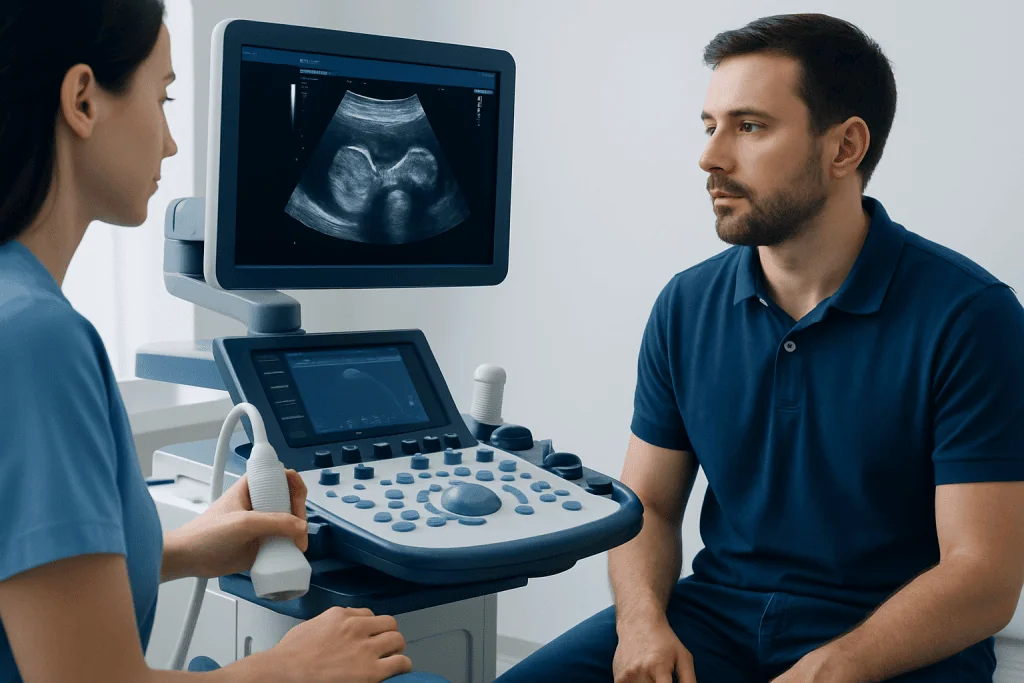
If semen analysis shows very low sperm count, no sperm, poor motility or other significant changes, additional tests may be recommended. These can include a physical examination by a reproductive urologist or andrologist, hormone blood tests, scrotal ultrasound, urine testing after ejaculation, infection screening or genetic tests. The choice of tests depends on the pattern of results and the couple’s reproductive goals.
It is important that results are explained by a qualified clinician rather than interpreted in isolation. Some men with results below reference ranges may still conceive naturally, while others with results near normal may need help because of combined factors. The best plan considers semen findings together with the female partner’s age, ovarian reserve, tubal status and overall health.
Treatment Options
Treatment depends on the cause, severity and time considerations for the couple. If a reversible factor is found, the first step may be lifestyle improvement, stopping harmful exposures, treating infection or adjusting medications under medical supervision. Hormonal treatment may be appropriate for selected men with specific hormone deficiencies, but testosterone replacement is usually avoided when trying to conceive because it can suppress sperm production.
Surgery may help in certain situations. Varicocele repair can be considered when a clinically significant varicocele is present together with abnormal semen parameters and infertility. Surgery may also correct blockages in selected men, or sperm may be retrieved directly from the testicle or epididymis when sperm are not present in the ejaculate but production is possible.
Assisted reproductive technologies can offer additional options. Intrauterine insemination, or IUI, places prepared sperm into the uterus around ovulation and may be considered for mild male factor infertility. In vitro fertilization, or IVF, fertilizes eggs with sperm in a laboratory. Intracytoplasmic sperm injection, or ICSI, involves injecting a single sperm into an egg and is commonly used for more significant sperm abnormalities or when sperm are retrieved surgically.
Some couples may also discuss donor sperm, embryo donation or adoption depending on medical findings, personal values and local regulations. Emotional support is an important part of treatment, as fertility care can be stressful even when options are available. A good care plan explains the expected steps, possible benefits, limitations and alternatives in a way the couple can understand.
Prevention and Self-Care
Not all causes of male infertility can be prevented, especially genetic or congenital conditions. However, men can take practical steps to support sperm production and general health. Because sperm development takes time, improvements may need several months before they are reflected in semen analysis.
Healthy habits include avoiding smoking, limiting alcohol, maintaining a healthy weight, exercising regularly and sleeping well. Men trying to conceive should avoid anabolic steroids and non-prescribed testosterone, and they should discuss any fertility concerns before starting hormone or bodybuilding products. Managing chronic conditions such as diabetes, thyroid disease or high blood pressure can also support reproductive health.
Heat and toxin exposure should be considered when relevant. Men may reduce prolonged heat to the testicles by avoiding frequent hot tubs or saunas during active attempts to conceive and by taking breaks from prolonged laptop use on the lap. Workplace exposures to pesticides, solvents, heavy metals or radiation should be discussed with an occupational health professional if there is concern.
- Use condoms to reduce the risk of sexually transmitted infections when appropriate.
- Seek treatment for testicular pain, swelling or urinary symptoms.
- Review medications and supplements with a doctor before conception attempts.
- Keep vaccinations and general preventive care up to date.
When to See a Doctor
A couple should consider medical evaluation after 12 months of regular unprotected intercourse without pregnancy, or after 6 months if the female partner is 35 or older. Earlier evaluation is recommended when the male partner has a history of undescended testicle, testicular injury, cancer treatment, prior pelvic or groin surgery, known varicocele, sexual or ejaculation problems, or previous abnormal semen analysis.
Urgent or prompt medical attention is appropriate for sudden testicular pain, significant swelling, fever with scrotal pain or symptoms suggesting infection. These symptoms do not always mean fertility will be affected, but timely assessment can protect reproductive and general health. Men should also seek care if they are using testosterone or anabolic steroids and want to preserve or restore fertility.
International patients may benefit from coordinated evaluation in centers where fertility specialists, reproductive urologists, embryologists and genetic counselors work together. Acibadem International’s multidisciplinary specialists and JCI-accredited hospitals diagnose and treat male infertility as part of comprehensive fertility care for international patients. Any treatment decision should be made after individualized consultation with a qualified doctor.
Frequently asked questions
What is the most common test for male infertility?
The first and most common test is a semen analysis. It measures semen volume, sperm concentration, total sperm number, motility and morphology. Because results can vary, doctors often repeat the test before confirming a diagnosis or recommending treatment.
Can a man with low sperm count still have a baby?
Yes, pregnancy may still be possible, depending on the sperm count, motility, female partner factors and overall fertility history. Some couples conceive naturally, while others may benefit from IUI, IVF or ICSI. A fertility specialist can explain which option is most appropriate.
Does varicocele always need treatment?
No. Many varicoceles do not require treatment, especially if semen results and testicular health are normal. Treatment may be considered when there is a palpable varicocele, abnormal semen analysis, infertility, discomfort or testicular growth concerns in younger patients.
How long does it take to improve sperm quality?
Sperm production takes several weeks, so changes in lifestyle or treatment may take about three months or longer to appear in semen results. The exact timeline depends on the cause and the treatment used. Doctors may schedule repeat semen analysis to monitor progress.
Can testosterone therapy improve male fertility?
Testosterone therapy usually does not improve fertility and can reduce or stop sperm production. Men who are trying to conceive should tell their doctor before using testosterone, anabolic steroids or hormone supplements. Other hormone-based treatments may be used in selected cases under specialist supervision.
What happens if no sperm are found in semen?
No sperm in semen is called azoospermia, and it can be due to blockage or reduced sperm production. Further testing may include hormone tests, genetic tests, ultrasound or specialist examination. In some men, sperm can be retrieved surgically for use with IVF and ICSI.
This article is for general information only and is not a substitute for professional medical advice. Please consult a qualified doctor about your individual situation.
Male Infertility in Turkey — costs, top hospitals & a free quote
JCI-accredited · board-certified surgeons · reply within 24h
Add us as a Preferred Source to see more of our trusted health content across Google Search, AI Overviews and Discover.
Check your numbers in seconds
BMI, calories, due date, blood pressure and 30+ more clinical calculators — free, instant, doctor-reviewed ranges.

Urology
Treatment of the urinary system and male reproductive health, including robotic and laser procedures.
60 specialists in this unitRelated Treatments
Related Conditions
More from the Health Library

Embryo Quality in IVF: Grading, Transfer Decisions, and What It Means

IVF Add-Ons: Evidence, Benefits, and Questions to Ask Your Doctor

Single vs Multiple Embryo Transfer in IVF: Safety and Success Considerations

Intrauterine Insemination (IUI): Who It Helps and How It Works

OHSS in IVF: Symptoms, Risk Factors, and Prevention

Preparing for IVF Abroad: Tests, Travel Planning, and Follow-Up
Gynecology & Obstetrics Specialists at Acibadem

Assoc. Prof. Dr. Emre Özgü
Gynecology & Obstetrics
Assoc. Prof. Dr. Engin Çelik
Gynecology & Obstetrics
Prof. Dr. Engin Oral (m)
Gynecology & Obstetrics
Dr. A. Ezgi Sancaklı
Gynecology & Obstetrics