

Non-Hodgkin Lymphoma
Non-Hodgkin Lymphoma explained: symptoms, causes, diagnosis, treatment options, and when to see a doctor for swollen lymph nodes.

Quick answer
Non-Hodgkin lymphoma is a group of cancers that begin in the lymphatic system, usually affecting lymphocytes in lymph nodes, bone marrow, or other organs. At Acibadem, evaluation focuses on the lymphoma type and stage using imaging and laboratory tests, and treatment may include chemotherapy, targeted therapy, immunotherapy, radiotherapy, or stem cell transplantation depending on the disease profile.
Non-Hodgkin Lymphoma is a group of cancers that start in lymphocytes, a type of white blood cell that is part of the immune system. It can develop in lymph nodes, the spleen, bone marrow, digestive tract, skin, or other organs, and treatment depends on the exact lymphoma type, stage, and a person’s overall health.
Overview
Non-Hodgkin Lymphoma is a cancer of the lymphatic system, which is part of the body’s immune defense. It begins when lymphocytes, usually B cells or T cells, grow and multiply in an abnormal and uncontrolled way. These cells may collect in lymph nodes, but they can also involve organs outside the lymph nodes, such as the stomach, intestines, skin, bone marrow, liver, or spleen.
The term Non-Hodgkin Lymphoma, often shortened to NHL, includes many different lymphoma subtypes. Some grow slowly over years and may not need immediate treatment, while others grow quickly and require prompt specialist care. Because the behavior of NHL varies widely, an accurate diagnosis of the specific subtype is essential before treatment decisions are made.
Non-Hodgkin Lymphoma is different from Hodgkin lymphoma, another lymphatic system cancer, because of differences in the affected cells, microscopic features, and usual treatment approaches. A hematologist or oncologist uses biopsy results, imaging, blood tests, and overall health assessment to understand the disease and recommend the most suitable care pathway.
Symptoms
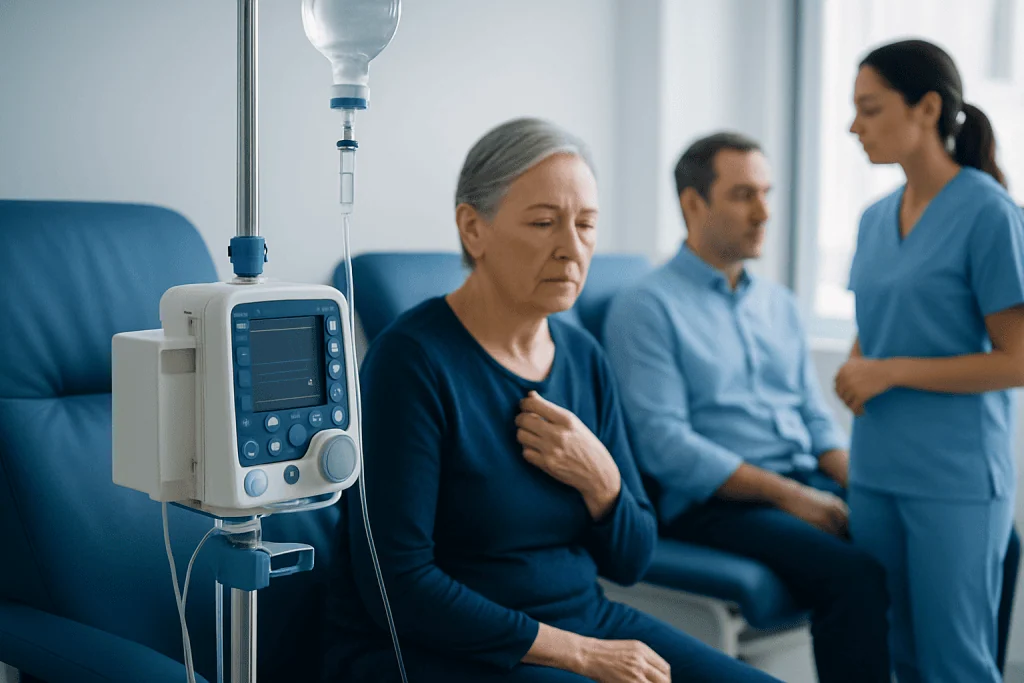
Non-Hodgkin Lymphoma symptoms vary depending on where the lymphoma is located, how fast it is growing, and whether it affects the whole body. One of the most common signs is a painless lump or swelling in the neck, armpit, or groin caused by enlarged lymph nodes. These swollen nodes may feel firm and may persist rather than coming and going like many infection-related swellings.
Some people develop general symptoms known as systemic or “B symptoms.” These can include unexplained fever, drenching night sweats, and unintentional weight loss. Other possible symptoms include ongoing tiredness, reduced appetite, itching, frequent infections, or a feeling of fullness under the left ribs due to an enlarged spleen.
When lymphoma develops outside the lymph nodes, symptoms may reflect the affected area. For example, lymphoma in the chest may cause cough, shortness of breath, or chest pressure; lymphoma in the abdomen may cause pain, swelling, nausea, or changes in bowel habits; and lymphoma in the skin may appear as patches, plaques, or lumps. These symptoms can also be caused by many non-cancerous conditions, so medical evaluation is important rather than self-diagnosis.
- Painless swollen lymph nodes that do not settle
- Unexplained fever, night sweats, or weight loss
- Persistent fatigue or weakness
- Itching without a clear skin cause
- Cough, abdominal discomfort, or symptoms linked to a specific organ
Causes & Risk Factors
The exact cause of Non-Hodgkin Lymphoma is often not known. In many cases, it develops after changes occur in the DNA of lymphocytes, causing them to survive longer than normal or multiply too quickly. These changes are usually acquired during life rather than inherited from parents, and having a risk factor does not mean a person will definitely develop lymphoma.
Risk can be higher in people with weakened immune systems, including those taking long-term immune-suppressing medicines or people with certain immune deficiency conditions. Some infections are linked with specific lymphoma subtypes, because long-lasting immune stimulation or direct effects on lymphocytes can contribute to abnormal cell growth. Certain autoimmune diseases may also be associated with increased risk, although most people with autoimmune disease do not develop lymphoma.
Other factors that may influence risk include increasing age, previous treatment with chemotherapy or radiotherapy for another cancer, and exposure to some environmental or occupational substances. Family history can play a role in a small number of cases, but Non-Hodgkin Lymphoma is not usually considered a strongly inherited cancer. A specialist may ask about medical history, infections, medications, immune conditions, and previous treatments when assessing risk and planning tests.
Diagnosis
Diagnosis of Non-Hodgkin Lymphoma usually begins with a medical history and physical examination. The doctor checks for enlarged lymph nodes, liver or spleen enlargement, fever, weight changes, and symptoms affecting the chest, abdomen, skin, or nervous system. Blood tests may evaluate blood cell counts, organ function, inflammation, and markers that help doctors understand the overall condition of the body.
The most important test is a biopsy, because lymphoma can only be confirmed by examining tissue under a microscope. Whenever possible, doctors may remove an entire lymph node or obtain a substantial tissue sample so that pathologists can study the cell type, growth pattern, and molecular features. Fine-needle samples may be useful in some situations, but they may not always provide enough information to classify lymphoma accurately.
After lymphoma is confirmed, additional tests help determine the subtype and stage. Imaging such as CT, PET-CT, MRI, or ultrasound may be used depending on the situation. Bone marrow examination, lumbar puncture, viral testing, or specialized genetic and immunologic tests may be recommended for certain subtypes. Staging describes where lymphoma is located and helps guide treatment, but it must be interpreted together with the lymphoma subtype, symptoms, and general health.
Treatment Options
Non-Hodgkin Lymphoma treatment is highly individualized. The right approach is decided by a hematology or oncology specialist after assessment of the lymphoma subtype, stage, symptoms, growth rate, test results, age, other health conditions, and personal preferences. Some slow-growing lymphomas may be monitored closely at first if they are not causing symptoms or organ problems, an approach sometimes called active surveillance or watchful waiting.
When treatment is needed, it may involve one or more treatment categories. Immunotherapy helps the immune system recognize or attack lymphoma cells. Chemotherapy uses anti-cancer medicines to destroy rapidly dividing cells and is often combined with other therapies. Targeted therapy focuses on specific signals or changes that lymphoma cells use to grow. Radiotherapy may be used to treat lymphoma in a limited area or to relieve symptoms in selected cases.
For some people, higher-intensity treatment followed by stem cell transplantation may be considered, particularly in relapsed or high-risk situations. Cellular therapies and newer targeted approaches may be options for selected lymphoma types in specialized centers. Supportive care is also an important part of treatment and may include infection prevention, blood transfusion support, nutrition advice, symptom control, fertility counseling when relevant, and rehabilitation to help maintain strength and daily function.
Treatment plans are regularly reassessed. Doctors monitor response using physical examinations, blood tests, and imaging when appropriate, and adjust care if the lymphoma does not respond as expected or returns after treatment. Patients are encouraged to discuss the goals, expected benefits, possible side effects, follow-up schedule, and alternatives with their care team before starting therapy.
Living With / Prognosis
The outlook for Non-Hodgkin Lymphoma depends on many factors, including the exact subtype, stage, growth rate, response to treatment, age, and general health. Some lymphomas are highly treatable and may go into long remission after therapy. Others behave as long-term conditions that may need periods of treatment and monitoring over time. Because the term NHL covers many different diseases, prognosis should be discussed with a specialist who has reviewed the full pathology and staging results.
Living with lymphoma often involves regular follow-up visits, especially after treatment. These visits help monitor for recurrence, manage late or ongoing side effects, check blood counts and organ function, and support emotional well-being. Patients should tell their doctor about new lumps, persistent fever, night sweats, weight loss, unusual infections, shortness of breath, bleeding, or symptoms that interfere with daily life.
Healthy routines can support recovery and quality of life, although they do not replace medical treatment. Balanced nutrition, gentle physical activity as advised, adequate rest, vaccination discussions, smoking cessation, and infection-prevention habits may all be helpful. Emotional support from family, counseling, patient groups, or psycho-oncology services can also make treatment and follow-up easier to manage.
For international patients who need coordinated evaluation or treatment, Acibadem International provides access to multidisciplinary specialists and JCI-accredited hospitals experienced in diagnosing and treating lymphoma. Any decision to travel for care should include a review of medical records, pathology reports, imaging, current symptoms, and fitness for travel with a qualified doctor.
When to See a Doctor
A person should see a doctor if they notice a painless swollen lymph node that persists, enlarges, or is accompanied by other symptoms. Lymph nodes commonly swell due to infections, but persistent or unexplained swelling should be assessed. Early medical evaluation can help identify whether the cause is infection, inflammation, lymphoma, or another condition.
Medical advice is also important for unexplained fever, drenching night sweats, unintentional weight loss, persistent fatigue, ongoing itching, recurrent infections, or a feeling of fullness in the abdomen. Symptoms such as chest pressure, shortness of breath, severe abdominal pain, confusion, weakness in a limb, or signs of significant bleeding require urgent medical assessment.
People who have already been diagnosed with Non-Hodgkin Lymphoma should contact their care team if symptoms worsen, side effects become difficult to manage, or new symptoms appear between appointments. Because some treatments can affect immunity, fever or signs of infection during therapy should be treated as medically important and assessed promptly according to the care team’s instructions.
Frequently asked questions
What is Non-Hodgkin Lymphoma?
Non-Hodgkin Lymphoma is a group of cancers that begin in lymphocytes, which are white blood cells involved in immune defense. It can affect lymph nodes or organs such as the spleen, bone marrow, skin, stomach, or intestines. The type of lymphoma is important because different subtypes behave and respond to treatment differently.
Is Non-Hodgkin Lymphoma the same as Hodgkin lymphoma?
No. Both are cancers of the lymphatic system, but they have different cell features, classification systems, and treatment approaches. A biopsy reviewed by a specialist pathologist is needed to distinguish between them accurately.
What are the early symptoms of Non-Hodgkin Lymphoma?
Early symptoms may include painless swelling of lymph nodes in the neck, armpit, or groin. Some people also have fatigue, fever, night sweats, weight loss, itching, or symptoms related to the chest or abdomen. These symptoms can have many causes, so a doctor’s assessment is needed.
How is Non-Hodgkin Lymphoma diagnosed?
Diagnosis usually requires a biopsy of an enlarged lymph node or affected tissue. Blood tests, imaging scans, and specialized laboratory tests help determine the lymphoma subtype and stage. Accurate classification is essential before choosing treatment.
Can Non-Hodgkin Lymphoma be treated?
Yes, many types of Non-Hodgkin Lymphoma can be treated, and some can go into long remission. Treatment depends on the subtype, stage, symptoms, and overall health. Options may include monitoring, immunotherapy, chemotherapy, targeted therapy, radiotherapy, stem cell transplantation, or supportive care.
Does every person with Non-Hodgkin Lymphoma need treatment right away?
Not always. Some slow-growing lymphomas that are not causing symptoms may be monitored closely before treatment begins. This decision should only be made by a lymphoma specialist after careful assessment and discussion with the patient.
When should someone seek medical advice for swollen lymph nodes?
A person should see a doctor if a swollen lymph node persists, grows, feels firm, or appears without a clear infection. Medical advice is especially important if swelling is accompanied by fever, night sweats, unexplained weight loss, fatigue, or shortness of breath. Prompt evaluation helps identify the cause and guide appropriate care.
References
- World Health Organization
- National Cancer Institute
- American Cancer Society
- European Society for Medical Oncology
- National Comprehensive Cancer Network
This article is for general information only and is not a substitute for professional medical advice. Please consult a qualified doctor about your individual situation.
Treatments for This Condition
Doctors Who Treat This Condition

Prof. Dr. Abdullah Büyükçelik
Medical Oncology
Prof. Dr. Ahmet Öztürk
Hematology
Prof. Dr. Ali Arican
Medical Oncology
Prof. Dr. Ayşen Timurağaoğlu
Hematology
Prof. Dr. Aziz Yazar
Medical Oncology
Prof. Dr. Başak Oyan Uluç
Medical Oncology
Prof. Dr. Bülent Karabulut
Medical Oncology
Prof. Dr. Eren Erken
Hematology
Prof. Dr. Ersin Özaslan
Medical Oncology
Prof. Dr. Faysal Dane
Medical Oncology
Prof. Dr. Gülsan Sucak
Hematology