Dystonia
Dystonia is a movement disorder causing involuntary muscle contractions. Learn about dystonia symptoms, diagnosis, treatment and living well.

Quick answer
Dystonia is a neurological movement disorder that causes involuntary muscle contractions, leading to twisting movements, abnormal postures, or repetitive spasms. At Acibadem in Turkey, evaluation focuses on identifying the type and underlying cause, and treatment may include medication, botulinum toxin injections, physical therapy, and in selected cases surgical options such as deep brain stimulation.
Dystonia is a neurological movement disorder in which involuntary muscle contractions cause twisting movements, repetitive postures, tremor or spasms. It can affect one body area or several areas, and treatment is tailored by a neurologist according to the type, cause and impact on daily life.
Overview
Dystonia is a neurological movement disorder that causes involuntary muscle contractions. These contractions may lead to twisting movements, repetitive motions, abnormal postures, cramping or tremor. The muscles are usually structurally normal, but the brain circuits that coordinate movement send signals in an irregular way.
Dystonia can affect almost any part of the body. It may involve the neck, eyelids, jaw, vocal cords, hand, foot, trunk or a combination of areas. Some people have symptoms only during a specific activity, such as writing or playing a musical instrument, while others notice symptoms during many everyday movements or even at rest.
The condition varies widely from person to person. Some forms are mild and mainly uncomfortable; others may interfere with walking, speaking, working, reading, driving or self-care. Dystonia is not contagious, and in many cases it does not affect thinking or life expectancy. However, it can significantly affect comfort and quality of life, which is why expert assessment is important.
Dystonia may occur on its own or as part of another neurological or medical condition. A neurologist, often a movement disorders specialist, helps identify the type of dystonia, possible causes and the most suitable treatment approach.
Symptoms
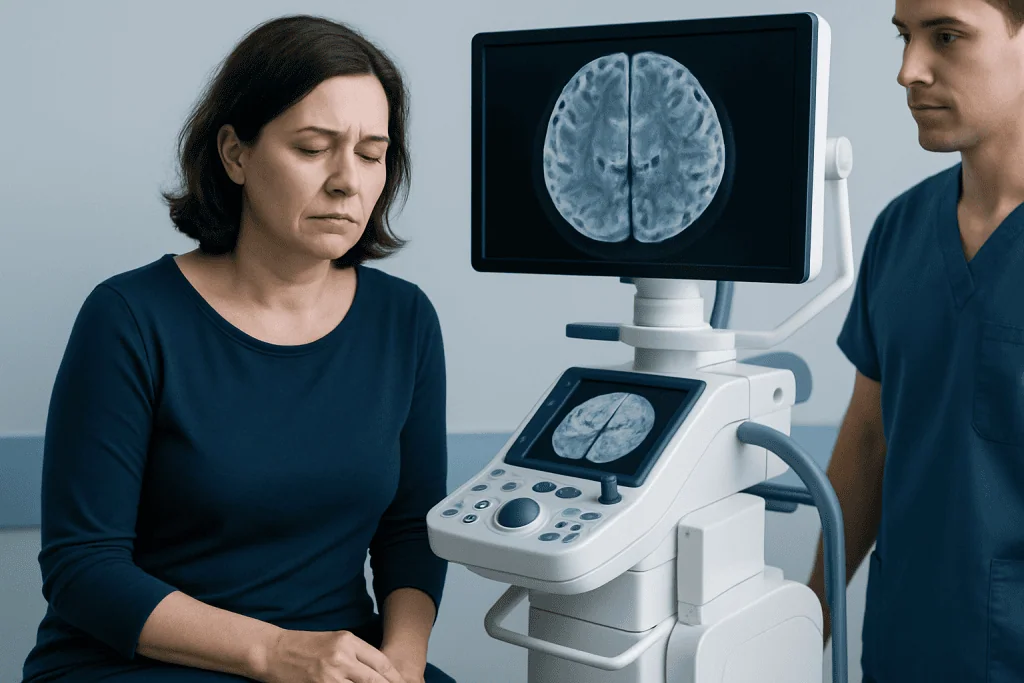
Dystonia symptoms usually involve involuntary muscle tightening that the person cannot fully control. The movement may be sustained, intermittent, patterned or triggered by action. Symptoms often become more noticeable with stress, fatigue, walking, speaking, writing or other purposeful movements, and they may improve with rest or sleep.
Common symptoms include:
- Twisting or pulling of the neck, sometimes called cervical dystonia
- Excessive blinking, eyelid closure or eye spasms
- Jaw clenching, mouth pulling, tongue movements or swallowing difficulty
- Voice changes, strained speech or voice breaks when the vocal cords are involved
- Hand cramping during writing, typing, playing an instrument or using tools
- Foot turning, toe curling or abnormal walking patterns
- Tremor, shaking or jerky movements in the affected area
- Pain, stiffness, muscle fatigue or soreness from repeated contractions
Dystonia can be classified by the body region involved. Focal dystonia affects one body part, such as the neck, eyes or hand. Segmental dystonia affects two or more nearby areas. Generalized dystonia involves the trunk and at least two other body regions, while hemidystonia affects one side of the body.
Symptoms may begin gradually and can fluctuate. In some people, a light touch or specific sensory trick, such as touching the chin or back of the head, temporarily reduces the abnormal posture. This is a recognized feature of some dystonias and can help doctors understand the pattern of the condition.
Causes & Risk Factors
Dystonia is linked to changes in the way the brain controls muscle activity, especially in movement networks involving the basal ganglia, cerebellum, cortex and related pathways. These networks help select, start and stop movements. When their signaling becomes disrupted, opposing muscle groups may contract at the same time, causing abnormal posture or repetitive movement.
Dystonia may be primary, meaning it occurs without another clear neurological disease, or secondary, meaning it is associated with another factor. Secondary causes can include brain injury, stroke, lack of oxygen to the brain, certain infections, metabolic disorders, exposure to some medicines or toxins, or degenerative neurological conditions. In children and young adults, inherited or genetic forms may be considered, especially when symptoms begin in the legs or become generalized.
Risk factors depend on the type of dystonia. A family history may increase risk in some genetic forms. Repetitive skilled tasks may be associated with task-specific dystonia, such as hand dystonia in writers or musicians. Previous neck injury, eye irritation or other local factors may sometimes be reported before focal symptoms, although they are not always the direct cause.
Dystonia is not caused by emotional weakness or lack of effort. Stress and anxiety can make symptoms more visible, as they can with many movement disorders, but they are not the same as the underlying neurological cause. Understanding this distinction can help patients and families approach treatment with confidence and less self-blame.
Diagnosis
Dystonia diagnosis begins with a detailed medical history and neurological examination. The doctor observes the pattern of movement, which muscles are involved, whether symptoms occur at rest or during action, and whether they are triggered by a specific task. Video recordings of symptoms at home or during a particular activity may be helpful if symptoms are intermittent.
The specialist will ask about age at symptom onset, progression, family history, previous illnesses, injuries, medication exposure and other neurological symptoms. The examination may assess muscle tone, strength, reflexes, coordination, sensation, walking, posture, eye movements, speech and swallowing. This helps distinguish dystonia from tremor, tics, spasticity, cramps, functional movement disorders and other conditions.
Tests are chosen according to the patient’s age, symptoms and examination findings. Brain MRI may be recommended when symptoms are sudden, one-sided, progressive or associated with other neurological signs. Blood or urine tests may be used to look for metabolic, autoimmune, infectious or toxic causes. Genetic testing may be considered in selected patients, particularly those with early-onset symptoms, generalized dystonia or a strong family history.
There is no single test that confirms all forms of dystonia. In many cases, diagnosis is clinical, meaning it is based on the recognizable movement pattern and expert assessment. A clear diagnosis is important because the best treatment depends on the dystonia type, severity, body region and underlying cause.
Treatment Options
Dystonia treatment is individualized. The right approach is decided by a neurologist or movement disorders specialist after assessing the diagnosis, symptom pattern, overall health, goals and possible risks. Treatment aims to reduce involuntary contractions, relieve pain, improve function and support daily life; it may not always remove symptoms completely.
For focal dystonia, targeted muscle-relaxing injections are commonly used to reduce overactivity in selected muscles. These injections are planned according to the affected body area and may be guided by examination or special techniques that identify active muscles. Effects are temporary, so follow-up treatments may be needed at intervals determined by the specialist.
Oral medicines may be considered for some patients, especially when symptoms are more widespread or when injections are not enough. These medicines work through different nervous system pathways involved in muscle tone and movement control. Because they may cause side effects such as sleepiness, dry mouth, dizziness or memory difficulties, the choice and monitoring should be handled by a qualified doctor.
Rehabilitation can be an important part of care. Physiotherapy may focus on posture, stretching, strengthening, balance, walking and pain reduction. Occupational therapy can help adapt work, writing, self-care and home activities. Speech and swallowing therapy may be useful when the voice, jaw, tongue or throat muscles are affected. In selected severe or treatment-resistant cases, neurosurgical treatments such as deep brain stimulation may be discussed after comprehensive evaluation by a specialized team.
Living With / Prognosis
The outlook for dystonia depends on the type, age at onset, cause, body regions involved and response to treatment. Some focal dystonias remain limited to one area for many years. Other forms may spread or become more disabling, particularly when symptoms begin in childhood or are linked to an underlying neurological condition. Regular follow-up helps monitor changes and adjust treatment safely.
Daily strategies can make symptoms easier to manage. Patients may benefit from identifying triggers such as fatigue, stress, prolonged posture or specific repetitive movements. Planned rest, ergonomic adjustments, supportive seating, voice pacing, modified writing tools or task breaks may reduce strain. Gentle physical activity, when approved by the treating doctor, can support flexibility, balance and general wellbeing.
Living with dystonia can also affect mood, confidence and social participation, especially when movements are visible or painful. Psychological support, patient education and communication with family, school or workplace can be valuable. Pain should be discussed with the medical team because it may come from sustained muscle contraction, posture changes or secondary strain.
Patients receiving care through Acibadem International can be evaluated by multidisciplinary neurology, neurosurgery, rehabilitation and related specialists in JCI-accredited hospitals. International patients may need coordinated assessment, imaging, treatment planning and follow-up advice, all of which should be based on individual medical findings.
When to See a Doctor
A person should see a doctor if they develop repeated involuntary muscle contractions, abnormal twisting, persistent cramping, unusual posture, new tremor or movement that interferes with daily activities. Early evaluation is especially important when symptoms are progressive, painful, affect speech or swallowing, or involve walking and balance.
Medical assessment should be prompt if dystonia-like symptoms start suddenly, affect only one side of the body, occur with weakness, numbness, severe headache, confusion, vision loss, fever or recent head injury. These features may suggest a different neurological problem that needs urgent evaluation.
Children with foot turning, abnormal walking, unexplained cramps, progressive postures or loss of motor skills should be assessed by a pediatric neurologist or appropriate specialist. Early-onset dystonia may have genetic, metabolic or treatable causes that require specific investigation.
Anyone already diagnosed with dystonia should seek follow-up if symptoms change, pain increases, swallowing becomes difficult, medication side effects occur or treatment benefit wears off sooner than expected. Ongoing care helps keep treatment aligned with the person’s needs and safety.
Frequently asked questions
What is dystonia?
Dystonia is a neurological movement disorder that causes involuntary muscle contractions. These contractions can lead to twisting, repetitive movements, abnormal posture, tremor, cramping or pain. It may affect one body part or several areas.
What are the first symptoms of dystonia?
Early symptoms may include muscle tightness, pulling, cramping, tremor or a body part turning into an unusual position. Some people notice symptoms only during a specific task, such as writing, walking or speaking. Symptoms often develop gradually and may fluctuate during the day.
Is dystonia the same as Parkinson’s disease?
Dystonia and Parkinson’s disease are different neurological movement disorders, although they can sometimes occur together. Dystonia mainly causes involuntary muscle contractions and abnormal postures, while Parkinson’s disease commonly causes slowness, stiffness, tremor and balance problems. A neurologist can distinguish them through history and examination.
Can dystonia be cured?
Some secondary forms of dystonia may improve if an underlying cause is identified and treated, but many forms are long-term conditions. Treatment can often reduce symptoms, improve function and relieve pain. The most suitable plan depends on the type of dystonia and should be decided by a specialist.
How is dystonia diagnosed?
Dystonia is usually diagnosed through a medical history and neurological examination by a doctor experienced in movement disorders. Tests such as MRI, blood tests or genetic testing may be used when the doctor needs to look for an underlying cause. There is no single test that confirms every type of dystonia.
What treatments are available for dystonia?
Treatment may include targeted injections into overactive muscles, oral medicines, physiotherapy, occupational therapy, speech therapy and pain management. In selected severe cases, deep brain stimulation or other specialist procedures may be considered. A neurologist chooses the approach after assessing the patient’s symptoms, health and goals.
Can stress make dystonia worse?
Stress does not usually cause dystonia by itself, but it can make symptoms more noticeable in some people. Fatigue, anxiety, pain and intense concentration may also increase muscle contractions. Relaxation strategies, rest, rehabilitation and medical treatment may help reduce the impact of triggers.
References
- National Institute of Neurological Disorders and Stroke
- Dystonia Medical Research Foundation
- International Parkinson and Movement Disorder Society
- European Federation of Neurological Societies
- Mayo Clinic
This article is for general information only and is not a substitute for professional medical advice. Please consult a qualified doctor about your individual situation.
Treatments for This Condition
Doctors Who Treat This Condition

Prof. Dr. Akin Sabanci
Neurosurgery
Prof. Dr. Ali Kurtsoy
Neurosurgery
Prof. Dr. Altay Bedük
Neurosurgery
Prof. Dr. Deniz Konya (m)
Neurosurgery
Prof. Dr. Gökhan Bozkurt
Neurosurgery
Prof. Dr. Hakan Seçkin
Neurosurgery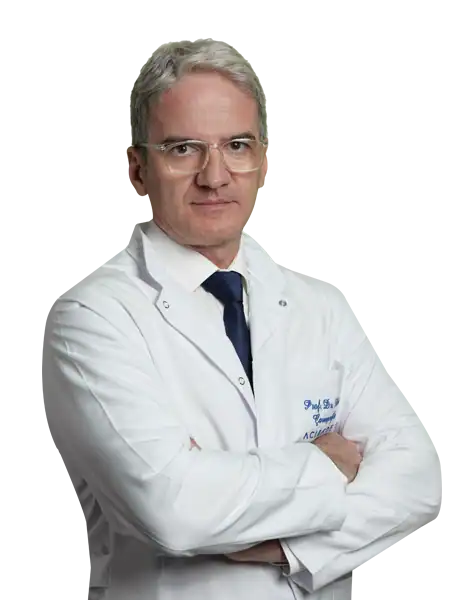
Prof. Dr. Halit Çavuşoğlu
Neurosurgery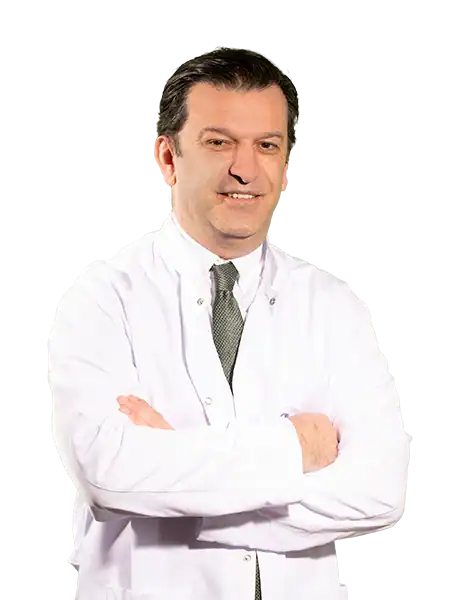
Prof. Dr. Kağan Tun
Neurosurgery
Prof. Dr. Kenan Koç
Neurosurgery
Prof. Dr. Koray Özduman
Neurosurgery
Prof. Dr. Mehmet Zafer Berkman
Neurosurgery
Prof. Dr. Memet Özek
NeurosurgeryRelated Articles

Nerve Compression Symptoms: When Peripheral Nerve Treatment May Help

Unexplained Fainting: When Heart Rhythm and Neurology Tests Are Both Needed

Swallowing Problems in Neurological Disease: When Dysphagia Needs Specialist Care

When Dizziness Is Neurological: Signs You May Need a Neuro-Otology Assessment

Motor Neuron Disease: When Speech or Swallowing Problems Are the First Clues

Tourette Syndrome in Children and Adults: Symptoms and Treatment Options

Swallowing Problems in Motor Neuron Disease: Early Warning Signs and Supportive Care

Narcolepsy Testing: How to Prepare for an MSLT and Sleep Lab Evaluation

What Is a Neuro-Ophthalmology Exam? Step by Step for Patients With Vision and Nerve Symptoms

Pediatric Epilepsy Surgery: Who May Be a Candidate and How Evaluation Works

Cerebral Angiography vs MR Angiography: Which Brain Vessel Test Is Right?