Swallowing Problems in Neurological Disease: When Dysphagia Needs Specialist Care

Neurological dysphagia happens when the nerves and muscles that control swallowing do not work together normally. Symptoms may include coughing during meals, a wet voice, food sticking, repeated chest infections, or unexplained weight loss.
Key Takeaways
- Neurological dysphagia happens when the nerves and muscles that control swallowing do not work together normally.
- Symptoms may include coughing during meals, a wet voice, food sticking, repeated chest infections, or unexplained weight loss.
- Assessment often involves a neurologist, speech and language therapist, and sometimes imaging or endoscopic swallowing tests.
- Treatment depends on the cause and may include swallowing therapy, texture changes, posture strategies, and treatment of the underlying neurological disease.
- Urgent medical advice is needed if swallowing problems cause choking, breathing trouble, dehydration, or sudden new symptoms.
Dysphagia, or difficulty swallowing, is common in many neurological conditions and should not be ignored. Early specialist assessment can reduce the risk of choking, dehydration, poor nutrition, and chest infections while helping a person eat and drink more safely.
Overview: What Dysphagia Means in Neurological Disease
Dysphagia means difficulty swallowing. Swallowing is a complex action that relies on the brain, nerves, throat, and esophagus working in precise coordination. When a neurological disease disrupts this control, food, drink, or saliva may move more slowly, go the wrong way, or become difficult to clear from the mouth or throat.
Neurological dysphagia can occur in conditions such as stroke, Parkinsonian and other movement disorders, multiple sclerosis, dementia, motor neuron disease, brain or spinal cord injuries, and some neuromuscular conditions. It may appear suddenly, as after a stroke, or develop gradually over time in progressive disorders, including neurodegenerative diseases.
Swallowing problems are important because they can affect everyday comfort and safety. If swallowing is not working well, a person may eat less, avoid drinking, take a long time to finish meals, or inhale food and fluid into the airway. This can lead to dehydration, poor nutrition, aspiration, and chest infections.
Specialist care helps identify where the swallowing problem is happening and why. Once the cause is clearer, the care team can recommend practical steps to support safer swallowing and better quality of life.
Symptoms and Warning Signs
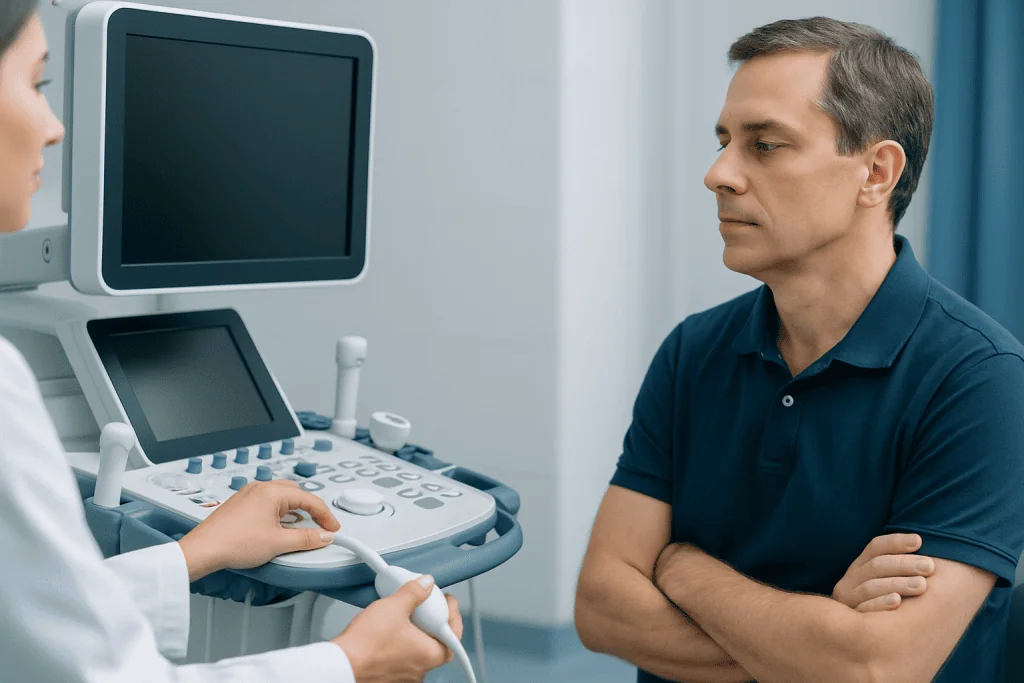
The symptoms of dysphagia are not always dramatic. Some people notice obvious choking or coughing during meals, while others only feel that food sticks in the throat or that swallowing requires more effort than before. A change in eating habits, such as needing to cut food very small or avoiding certain textures, can also be an early sign.
Common symptoms include coughing or throat clearing when eating or drinking, a wet or gurgly voice after swallowing, drooling, trouble chewing, food remaining in the mouth, or needing several swallows for one mouthful. Some people report pain with swallowing, a sensation of food getting stuck, or fatigue during meals.
Other signs may be less direct but still important. Recurrent chest infections, unexplained weight loss, dehydration, prolonged mealtimes, or fever after eating may suggest that swallowing is not safe or effective. In some neurological diseases, a person may have reduced awareness of swallowing difficulty, so family members or caregivers may notice the first changes.
- Coughing or choking during meals
- Wet voice or breathy voice after swallowing
- Food sticking in the mouth, throat, or chest
- Unintentional weight loss or poor appetite
- Repeated pneumonia or chest infections
- Avoiding food, fluids, or social meals
Causes and Risk Factors

Swallowing has oral, pharyngeal, and esophageal phases. Neurological disease can interfere with any of these stages. Weakness, slowed movement, poor coordination, sensory loss, spasticity, tremor, reduced attention, or difficulty planning movements can all disrupt the normal swallowing sequence.
Common neurological causes include stroke, Parkinson’s disease and related conditions, dementia, traumatic brain injury, multiple sclerosis, cerebral palsy, and spinal cord disorders. Diseases affecting the peripheral nerves and muscles, such as some neuromuscular diseases or motor neuron disease, can also weaken the muscles involved in chewing, tongue control, and throat clearance. In rarer cases, structural nervous system problems such as spinal cord injury or certain brain lesions may contribute.
Risk factors for complications include older age, reduced mobility, drowsiness, poor cough strength, weak breathing muscles, dental problems, and cognitive impairment. Medicines that cause sleepiness, dry mouth, or reduced muscle control may worsen symptoms in some people.
The severity of dysphagia does not always match the severity of the neurological disease. Even mild swallowing changes can matter if they lead to aspiration or low intake. That is why persistent symptoms should be assessed rather than simply accepted as part of an existing condition.
How Specialists Diagnose Neurological Dysphagia
Diagnosis begins with a careful history. The doctor or speech and language therapist asks when symptoms started, whether solids or liquids are harder to swallow, how often coughing happens, and whether there have been weight changes, dehydration, or chest infections. A review of the person’s neurological condition, medications, and daily eating routine is also important.
A bedside swallowing assessment often follows. This may include checking lip and tongue movement, voice quality, cough strength, alertness, posture, and the ability to manage saliva and small test swallows. Although this assessment is useful, it may not show the full picture, especially if aspiration happens silently without coughing.
For a more detailed view, specialists may recommend instrumental tests. Common options include videofluoroscopic swallow study, sometimes called a modified barium swallow, and fiberoptic endoscopic evaluation of swallowing. These tests help the team see how food and fluid move through the mouth and throat and whether material is entering the airway.
Additional evaluation may be needed to understand the neurological cause. Depending on the situation, this can include neurological examination, brain or spine imaging, and tests used in neurophysiology. When a swallowing problem has changed suddenly or is accompanied by new weakness, speech difficulty, or facial droop, urgent assessment is especially important.
Treatment Options and Specialist Care
Treatment depends on the cause, the stage of swallowing affected, and the person’s overall health. Care is often multidisciplinary, involving a neurologist, speech and language therapist, dietitian, rehabilitation specialist, and sometimes gastroenterologist, pulmonologist, or ear, nose, and throat specialist. The goal is to make swallowing as safe, efficient, and comfortable as possible.
Swallowing therapy may include exercises, techniques to improve timing and coordination, changes in head or body position during meals, and strategies such as smaller sips, slower pace, and double swallowing. Texture modification can also help. Some people manage better with thickened liquids or softer foods, while others need a different approach based on formal assessment rather than trial and error.
Treating the underlying neurological condition can improve swallowing in some cases. For example, stroke rehabilitation, medication adjustment in movement disorders, or treatment of inflammatory and immune-related disease through services such as neuroimmunology may play a role. If swallowing remains very unsafe or nutrition becomes inadequate, temporary or longer-term tube feeding may be discussed to support hydration and nutrition.
Specialist centers can also help when symptoms are complex or progressive. Near the end of the care pathway, patients may benefit from coordinated review of swallowing, breathing, nutrition, and rehabilitation needs. Acibadem International’s multidisciplinary specialists in JCI-accredited hospitals diagnose and treat neurological conditions affecting swallowing for international patients.
Prevention, Daily Self-care, and Safer Eating Habits
Not every case of neurological dysphagia can be prevented, but complications can often be reduced. Good self-care starts with following the swallowing plan provided by the clinical team. This may include specific food textures, fluid consistencies, positioning advice, and supervision during meals if needed.
Helpful habits include sitting fully upright for meals, taking small bites and sips, avoiding rushing, minimizing distractions, and staying upright for a period after eating. Good mouth care is also important because poor oral hygiene may increase the risk of infection if material enters the airway. Dentures should fit well, and dry mouth should be discussed with a clinician.
Nutrition and hydration deserve close attention. If eating becomes tiring or slow, smaller frequent meals may be easier than three large ones. A dietitian can suggest ways to maintain calorie, protein, and fluid intake without compromising safety. Caregivers should also watch for fatigue, coughing, voice changes, or increasing difficulty with certain foods.
Families should not make major texture changes or start thickening liquids long term without professional advice. What seems safer in one person may reduce intake or be less effective in another. Individual assessment is the best guide.
When to Seek Medical Advice
A person should arrange medical review if swallowing difficulty is new, worsening, or interfering with eating and drinking. Persistent coughing with meals, frequent choking, food sticking, or unexplained weight loss all deserve attention. Recurrent chest infections, dehydration, or fear of eating are also signs that specialist care may be needed.
Urgent medical assessment is important if swallowing problems start suddenly, especially with weakness, facial droop, slurred speech, confusion, or trouble walking, as these can be signs of a neurological emergency such as stroke. Emergency care is also needed if a person cannot swallow saliva, has severe breathing difficulty, or appears to be choking.
For progressive neurological disease, regular follow-up can be very helpful even before severe symptoms appear. Early assessment may detect subtle changes, support better nutrition, and reduce the chance of aspiration-related complications. Caregivers should feel comfortable raising concerns, as they often notice changes before the patient does.
Although swallowing problems can feel worrying, many people improve with timely assessment and practical strategies. A qualified doctor can help determine whether the issue is neurological, structural, medication-related, or due to another condition and guide the next steps safely.
Frequently asked questions
What is the difference between occasional difficulty swallowing and dysphagia?
Occasional swallowing difficulty can happen if a person eats too quickly or does not chew well. Dysphagia refers to an ongoing problem with swallowing that may affect safety, comfort, nutrition, or hydration. If symptoms are persistent or getting worse, medical assessment is recommended.
Why do neurological diseases cause swallowing problems?
Swallowing depends on signals between the brain, nerves, and muscles. Neurological diseases can disrupt timing, strength, coordination, or sensation, making it harder to move food and liquids safely from the mouth to the stomach. The exact pattern depends on the condition involved.
Can a person have dysphagia without choking?
Yes. Some people have subtle or silent swallowing problems, including aspiration without obvious coughing. Signs such as a wet voice, recurrent chest infections, slow eating, or weight loss can suggest a problem even when choking is not seen.
Which specialist usually evaluates neurological dysphagia?
Assessment often involves a neurologist and a speech and language therapist, sometimes alongside a dietitian and other specialists. The team may recommend bedside testing and more detailed swallowing studies if needed. A multidisciplinary approach is often the most helpful.
Can swallowing problems improve with treatment?
In many cases, yes. Improvement may come from swallowing therapy, better meal strategies, treatment of the underlying neurological condition, and support for nutrition and hydration. The degree of recovery depends on the cause and whether the condition is temporary, stable, or progressive.
Is thickened liquid always the best option for dysphagia?
Not always. Thickened liquids help some people, but they are not right for everyone and may reduce fluid intake in some cases. The safest and most effective choice should be based on professional swallowing assessment.
References
- World Health Organization
- National Institute of Neurological Disorders and Stroke
- American Speech-Language-Hearing Association
- National Institute on Aging
- European Stroke Organisation
This article is for general information only and is not a substitute for professional medical advice. Please consult a qualified doctor about your individual situation.
Dysphagia in Turkey — costs, top hospitals & a free quote
JCI-accredited · board-certified surgeons · reply within 24h