Parkinson’s Disease in Older Adults: How Care Changes With Age

Parkinson’s disease care in later life often focuses on both motor and non-motor symptoms. Older adults may be more sensitive to medication side effects such as dizziness, confusion, or hallucinations.
Key Takeaways
- Parkinson’s disease care in later life often focuses on both motor and non-motor symptoms.
- Older adults may be more sensitive to medication side effects such as dizziness, confusion, or hallucinations.
- Fall prevention, physical activity, nutrition, and home safety are important parts of treatment.
- Cognitive changes, sleep problems, swallowing difficulty, and mood symptoms should be assessed regularly.
- A multidisciplinary team can help adapt care as needs change with age.
Parkinson’s disease in older adults can affect movement, thinking, sleep, mood, and daily independence in ways that change over time. Care often needs to become more individualized with age, balancing symptom control, safety, quality of life, and support for caregivers.
Overview
Parkinson’s disease is a progressive neurological condition that mainly affects movement, but it can also influence mood, sleep, digestion, thinking, and overall daily function. It becomes more common with increasing age, and many people living with Parkinson’s are older adults. While the disease process is broadly similar across age groups, care often needs to be adjusted in later life because older adults may have other health conditions, use multiple medications, or be more vulnerable to falls and side effects.
Common movement-related symptoms include tremor, slowness of movement, stiffness, and balance problems. Over time, some people may also develop changes in speech, facial expression, walking pattern, and fine motor skills such as buttoning clothes or writing. Not every person has the same symptoms or the same rate of progression, which is why treatment plans should be individualized.
In older adults, the goals of care usually go beyond symptom control alone. Doctors also pay close attention to independence, mobility, cognition, nutrition, safety, and caregiver support. Management may involve neurologists, rehabilitation specialists, nurses, speech and swallowing therapists, mental health professionals, and primary care doctors working together, often through services such as geriatric neurology or movement disorders care.
How Parkinson’s Changes With Age
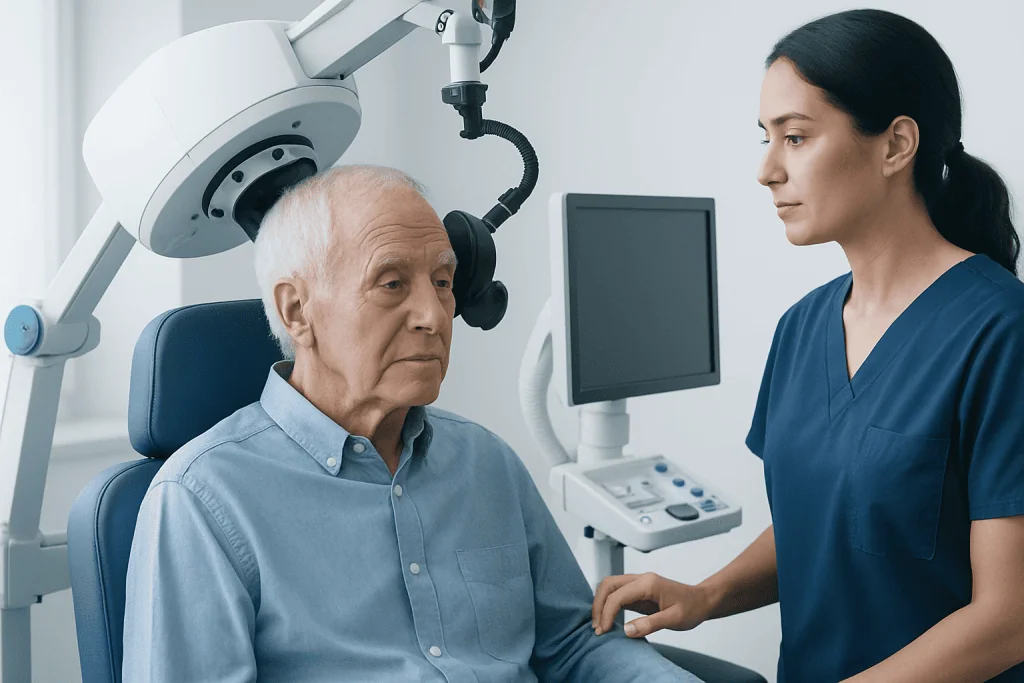
As people grow older, Parkinson’s disease may interact with the normal changes of aging. Muscle strength, balance, vision, reaction time, and bone health can all decline with age, which may make walking and daily activities more difficult. Older adults with Parkinson’s may also recover more slowly from illness, surgery, or periods of immobility.
Non-motor symptoms often become especially important in later life. These can include constipation, bladder urgency, low blood pressure when standing, sleep disturbance, fatigue, depression, anxiety, and changes in memory or thinking. In some people, cognitive changes become more noticeable over time and may affect medication management, safety, or decision-making.
Age can also change the way treatment is tolerated. A medicine that improves movement may sometimes cause lightheadedness, excessive sleepiness, nausea, involuntary movements, or confusion, especially in frailer older adults. For this reason, doctors often start with careful dosing and regular review rather than simply increasing medication to address every symptom.
Another important issue is that symptoms in older adults may overlap with other conditions. Tremor, for example, is not always due to Parkinson’s disease and may need to be distinguished from essential tremor. Likewise, sudden weakness, speech trouble, or abrupt walking difficulty may suggest another neurological problem such as stroke, which needs urgent evaluation.
Symptoms and Daily Challenges in Older Adults

The classic motor symptoms of Parkinson’s disease are tremor, bradykinesia (slowness of movement), rigidity, and postural instability. In older adults, these symptoms may show up as shuffling steps, reduced arm swing, trouble turning in bed, slower dressing, difficulty rising from a chair, or softer speech. Freezing of gait, where the feet briefly feel stuck to the floor, can increase the risk of falls.
Non-motor symptoms can affect quality of life just as much as movement problems. These may include constipation, pain, reduced sense of smell, vivid dreams, sleep disruption, daytime drowsiness, anxiety, depression, and apathy. Some older adults experience hallucinations or confusion, sometimes related to the disease itself and sometimes influenced by medications, infection, dehydration, or other medical illness.
Swallowing difficulties may become more important with age and can lead to coughing during meals, weight loss, dehydration, or chest infections. Speech may become quieter or less clear, making conversation more tiring. Caregivers may notice that daily routines take longer, and tasks that were once easy become more effortful.
These symptoms can influence independence in practical ways. Driving, managing finances, shopping, meal preparation, and taking medications on time may all become harder over time. Regular review helps identify which challenges are most relevant for the individual so that the care plan remains realistic and supportive.
Causes, Risk Factors, and Related Concerns
Parkinson’s disease develops when nerve cells involved in dopamine signaling gradually deteriorate. The exact cause is not fully understood, and it is likely to involve a combination of aging, genetic susceptibility, and environmental influences. Most cases are not caused by a single inherited gene, especially when symptoms begin later in life.
Age is one of the strongest risk factors. Having a family history may slightly increase risk in some people, but many older adults with Parkinson’s have no clear family history. Researchers also study other possible influences, including toxin exposure and long-term biological changes in the brain, though these do not explain every case.
Older adults often have additional health conditions that can complicate Parkinson’s care. Arthritis, heart disease, diabetes, vision loss, hearing impairment, osteoporosis, and memory problems can all affect mobility and treatment choices. Multiple medications may interact or add to dizziness, sleepiness, constipation, or confusion.
It is also important to remember that not every tremor or walking problem is Parkinson’s disease. Other movement disorders, medication effects, spinal conditions, and certain brain diseases can look similar. If symptoms are unclear, assessment by specialists in neurodegenerative diseases or related neurological services may help clarify the diagnosis.
Diagnosis and Ongoing Assessment
Parkinson’s disease is mainly diagnosed through a clinical assessment rather than a single definitive blood test. A doctor will ask about symptoms, examine movement, balance, muscle tone, reflexes, gait, and coordination, and review how symptoms have changed over time. The pattern of slowness, stiffness, tremor, and response to medication can provide important clues.
In older adults, diagnosis may take extra care because symptoms can be less typical or mixed with other age-related problems. Doctors may also look for signs that suggest a different condition, such as early severe balance impairment, prominent blood pressure changes, or rapid decline in thinking. Brain imaging is sometimes used to rule out other causes rather than to confirm Parkinson’s itself. Depending on the situation, investigations may involve services such as neurophysiology or neuroradiological assessment.
Assessment should not stop at the initial diagnosis. Ongoing reviews usually include medication effects, balance and fall risk, swallowing, sleep, bladder and bowel function, mood, and cognitive health. Screening for depression, anxiety, and hallucinations can be especially helpful because these symptoms may be underreported.
Cognitive evaluation can be important when memory, planning, attention, or judgment seem affected. This may guide support with safety, driving, finances, and treatment decisions. In some cases, structured assessment through neuropsychological evaluation can help build a clearer picture of strengths, limitations, and care needs.
Treatment Options for Older Adults
Treatment usually combines medication, rehabilitation, lifestyle measures, and monitoring for complications. Medicines that support dopamine function can improve slowness, stiffness, and sometimes tremor, but doctors aim for the lowest effective regimen because older adults may be more prone to side effects. The right balance depends on symptom severity, age, frailty, cognitive status, and other health conditions.
Medication plans often need adjustment over time. If movement symptoms are well controlled but confusion, hallucinations, dizziness, or daytime sleepiness appear, the doctor may review whether treatment is contributing. Careful timing of doses, checking for dehydration or infection, and simplifying medication schedules can make a meaningful difference.
Rehabilitation is a key part of care. Physiotherapy can support gait, posture, flexibility, strength, and fall prevention. Occupational therapy can help with dressing, bathing, home adaptations, and energy-saving strategies. Speech and language therapy may assist with communication and swallowing problems. These approaches are especially valuable in older adults because they help maintain independence and safety.
For selected people, advanced therapies may be considered when symptoms are difficult to control, although suitability depends on age, overall health, cognition, and personal goals. Some patients are assessed within specialist programs such as neuromodulation services. When mood, behavior, or hallucinations complicate care, input from neuropsychiatry can also be helpful.
Prevention of Complications and Self-care
Although Parkinson’s disease cannot currently be prevented once it develops, many complications can be reduced with proactive care. Regular physical activity is one of the most helpful self-care measures. Exercises that support walking, balance, flexibility, and strength may improve confidence and function. A doctor or therapist can suggest activities that match the person’s ability and safety needs.
Fall prevention deserves special attention in older adults. Helpful steps include reviewing medications, wearing supportive footwear, improving lighting, removing loose rugs, installing grab bars, and using mobility aids when advised. If blood pressure drops on standing, standing up slowly, maintaining hydration, and discussing symptoms with a doctor may help reduce dizziness and falls.
Nutrition also matters. A balanced diet with enough fluids and fiber can help with constipation and general health. If swallowing becomes difficult, meals may need texture changes or supervised eating after professional assessment. Weight loss should not be ignored, especially in frail older adults.
Good self-care also includes sleep support, social engagement, and mental well-being. Structured routines, regular review of hearing and vision, and support for caregivers can all improve daily life. Near the end of the care pathway, some international patients seek assessment at Acibadem International, where multidisciplinary specialists in JCI-accredited hospitals diagnose and treat Parkinson’s disease and related neurological conditions.
When to See a Doctor
Any new tremor, persistent slowness, stiffness, balance problem, or change in walking should be discussed with a doctor, especially if symptoms are affecting daily activities. Early assessment can help identify whether symptoms are due to Parkinson’s disease, another movement disorder, medication effects, or a different neurological problem. A timely diagnosis also allows earlier planning for treatment and safety.
People already diagnosed with Parkinson’s should seek medical review if medications seem less effective, symptoms fluctuate more, or falls become more frequent. Medical advice is also important for new confusion, hallucinations, fainting, choking, unintended weight loss, severe constipation, depression, or marked sleep problems. These issues are common and treatable, but they should not simply be accepted as unavoidable aging.
Urgent medical attention is needed for sudden symptoms such as one-sided weakness, facial droop, trouble speaking, severe sudden confusion, chest pain, or shortness of breath. These may point to another acute illness rather than Parkinson’s progression. Caregivers should also ask for help if the person can no longer manage medications, eating, hygiene, or safe mobility at home.
Regular follow-up is often the best way to stay ahead of complications. As needs change with age, the care plan may need to shift from mainly treating movement symptoms to a broader focus on cognition, comfort, function, and caregiver support. Open communication with the medical team helps make these changes more manageable and person-centered.
Frequently asked questions
Is Parkinson’s disease worse in older adults?
Not necessarily in every person, but older adults may face extra challenges because Parkinson’s can combine with age-related changes in balance, strength, memory, and other medical conditions. This often means care needs to be more individualized and focused on safety, daily function, and quality of life.
What symptoms are especially important to watch for in seniors with Parkinson’s?
In addition to tremor and stiffness, doctors pay close attention to falls, freezing of gait, swallowing difficulty, weight loss, confusion, hallucinations, sleep problems, and changes in memory or mood. These symptoms can have a major effect on independence and may need treatment adjustments.
Can older adults with Parkinson’s still exercise safely?
Yes, in most cases exercise is encouraged because it can support mobility, balance, flexibility, mood, and confidence. The type of exercise should match the person’s abilities and fall risk, and guidance from a physiotherapist can be especially helpful.
Why do Parkinson’s medications sometimes need changing with age?
As people get older, they may become more sensitive to side effects such as dizziness, sleepiness, low blood pressure, confusion, or hallucinations. Doctors may adjust timing, reduce complexity, or rebalance medications to improve both symptom control and safety.
Does Parkinson’s disease always lead to dementia?
No, not everyone with Parkinson’s develops dementia. However, some people may experience mild cognitive changes or more significant thinking and memory problems over time, which is why regular assessment is important.
When should a caregiver ask for extra medical help?
A caregiver should seek review if the person is falling more often, choking or coughing during meals, becoming confused, seeing things that are not there, losing weight, or struggling to manage medications and daily tasks. Prompt assessment can often improve safety and reduce stress for both the patient and the caregiver.
References
- World Health Organization
- National Institute on Aging
- National Institute of Neurological Disorders and Stroke
- Parkinson's Foundation
- NHS
This article is for general information only and is not a substitute for professional medical advice. Please consult a qualified doctor about your individual situation.
Explore treatments in Turkey — costs, top hospitals & a free quote
JCI-accredited · board-certified surgeons · reply within 24h
Add us as a Preferred Source to see more of our trusted health content across Google Search, AI Overviews and Discover.
Check your numbers in seconds
BMI, calories, due date, blood pressure and 30+ more clinical calculators — free, instant, doctor-reviewed ranges.

Neurology
Diagnosis and treatment of disorders of the brain, spinal cord, nerves and muscles.
51 specialists in this unit