Vaginal Atrophy
Vaginal atrophy is thinning and dryness of vaginal tissues, often after menopause. Learn symptoms, causes, diagnosis and treatment options.

Quick answer
Vaginal atrophy is the thinning, drying, and inflammation of vaginal tissues, most often linked to reduced estrogen levels and commonly causing dryness, irritation, pain during intercourse, and urinary symptoms. At Acibadem in Turkey, evaluation focuses on symptoms and gynecologic assessment, and treatment may include vaginal moisturizers or lubricants, local or systemic hormone therapy when appropriate, and supportive care tailored to…
Vaginal atrophy is a condition in which the vaginal and urinary tissues become thinner, drier and more delicate, most often because of lower estrogen levels after menopause. It is now commonly included under the term genitourinary syndrome of menopause, because symptoms can affect the vagina, vulva, bladder and sexual comfort.
Overview
Vaginal atrophy is the thinning, drying and reduced elasticity of the vaginal tissues that occurs when estrogen levels are low. Estrogen helps maintain the thickness, blood flow, natural moisture and healthy acidity of the vagina. When estrogen decreases, the vaginal lining can become more fragile and less well lubricated, causing discomfort in daily life or during sexual activity.
Many specialists now use the broader term genitourinary syndrome of menopause, or GSM, because the same hormonal changes can affect the vulva, urethra and bladder as well as the vagina. This means a person may have vaginal dryness and irritation together with urinary urgency, burning with urination or recurrent urinary tract infections. The term is descriptive and does not mean that symptoms are severe; it simply recognizes that the genital and urinary systems are closely connected.
Vaginal atrophy most often appears during perimenopause and after menopause, but it may also occur at other times when estrogen levels fall. Examples include breastfeeding, after removal of the ovaries, or during certain cancer treatments and hormone-suppressing therapies. Symptoms may begin gradually and are sometimes mistaken for normal aging, yeast infection or relationship-related sexual discomfort.
The condition is treatable, and many patients experience meaningful relief with simple measures or targeted medical therapy. Because symptoms can overlap with infections, skin conditions and other gynecological problems, an accurate diagnosis by a qualified doctor is important before starting treatment.
Symptoms
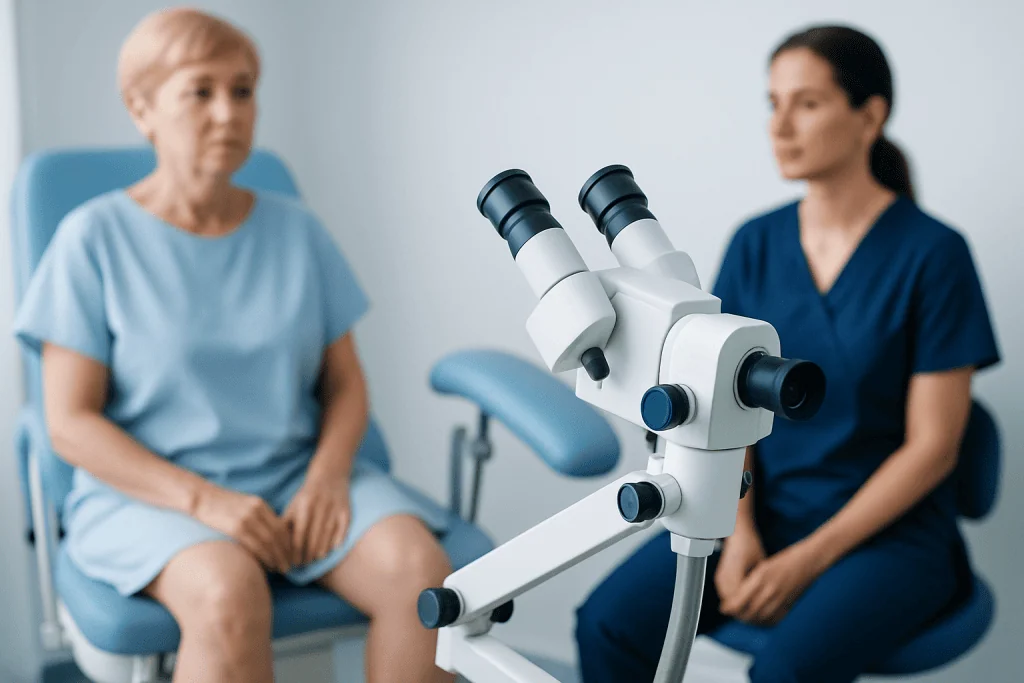
Vaginal atrophy symptoms vary from mild and occasional to persistent and bothersome. Some people notice dryness only during sexual activity, while others feel irritation when sitting, exercising or wearing tight clothing. Symptoms may fluctuate and often develop slowly over months or years.
Common symptoms include:
- Vaginal dryness or reduced natural lubrication
- Burning, stinging, itching or tenderness around the vagina or vulva
- Pain, tightness or discomfort during sexual intercourse
- Light spotting or bleeding after sex or a pelvic examination
- Changes in vaginal discharge, often less discharge than before
- Urinary urgency, frequency, burning or recurrent urinary tract infections
Sexual symptoms can affect confidence and intimacy, but they are medical symptoms and not a personal failing. Pain during sex may lead to involuntary tightening of the pelvic floor muscles, which can make penetration more uncomfortable over time. Early discussion with a gynecologist can help prevent a cycle of pain, avoidance and anxiety.
Some symptoms need careful assessment because they may have causes other than vaginal atrophy. Bleeding after menopause, persistent pelvic pain, a new lump, unusual discharge with odor, sores, or symptoms that do not improve with basic care should be evaluated promptly. A doctor can distinguish vaginal atrophy from infection, dermatological conditions, urinary problems or, rarely, more serious disease.
Causes & Risk Factors
The main cause of vaginal atrophy is reduced estrogen effect on the tissues of the vagina and lower urinary tract. Estrogen supports the collagen, blood supply, elasticity and moisture of these tissues. When estrogen levels decline, the vaginal lining becomes thinner, the natural acidity may change, and protective bacteria may become less dominant, which can increase irritation and susceptibility to infection.
The most common risk factor is menopause, including the years leading up to and following the final menstrual period. Other situations associated with low estrogen include breastfeeding, postpartum hormonal changes, surgical removal of both ovaries, pelvic radiation therapy, some chemotherapy treatments, and medications that reduce estrogen activity. People receiving treatment for hormone-sensitive cancers should always discuss symptoms and treatment options with their oncology and gynecology teams.
Additional factors may make symptoms more noticeable. Smoking can affect blood flow and tissue health. Lack of regular sexual activity or vaginal stimulation may be associated with reduced elasticity, although this is not the sole cause and should not be viewed as blame. Certain soaps, perfumed products, douches, tight clothing, frequent irritants and untreated infections can worsen dryness or burning.
Vaginal atrophy is not caused by poor hygiene and is not a sexually transmitted infection. It is also not an inevitable problem that must simply be tolerated. Understanding the hormonal and tissue changes helps patients seek care without embarrassment and choose practical steps that support comfort.
Diagnosis
Diagnosis usually begins with a discussion of symptoms, menstrual history, sexual discomfort, urinary symptoms, childbirth history, medications and past medical conditions. The doctor may ask when symptoms began, what makes them better or worse, whether there is bleeding, and whether there is a history of cancer treatment or hormone therapy. These questions help identify both vaginal atrophy and other possible explanations.
A pelvic examination is often helpful. The gynecologist may look for signs such as dryness, paleness, redness, small tears, loss of elasticity, narrowing of the vaginal opening or tenderness. A gentle speculum examination may be performed if appropriate, and the clinician can adapt the examination to minimize discomfort. Patients should feel able to ask for pauses, smaller instruments or additional lubrication.
Tests are not always needed, but they may be recommended to rule out infection or other conditions. A vaginal swab can check for yeast, bacterial imbalance or sexually transmitted infections when symptoms suggest them. A urine test may be used for burning, urgency or suspected urinary tract infection. If there is postmenopausal bleeding or an abnormal finding, additional evaluation such as ultrasound or tissue sampling may be needed.
The goal of diagnosis is to confirm the likely cause and choose treatment safely. This is especially important for patients with unexplained bleeding, ongoing pelvic pain, a history of gynecological cancer, breast cancer, blood clotting disorders, or use of medications that affect hormones. A personalized assessment helps avoid unnecessary treatment and ensures that important conditions are not missed.
Treatment Options
Treatment for vaginal atrophy depends on symptom severity, medical history, personal preferences and whether urinary or sexual symptoms are present. The right approach is decided by a gynecologist or relevant specialist after assessment. Many people benefit from a stepwise plan, starting with simple measures and adding targeted therapies when needed.
Non-hormonal options are often used first, especially for mild symptoms or for patients who cannot use estrogen. Vaginal moisturizers are applied regularly to improve comfort over time, while lubricants are used during sexual activity to reduce friction and pain. Choosing fragrance-free, gentle products and avoiding douches, perfumed washes and irritating hygiene products can also reduce burning or itching.
Medical treatments may be considered when symptoms are moderate, persistent or affecting quality of life. These can include local hormonal therapies placed in the vagina, certain non-hormonal prescription options, or other specialist-directed treatments depending on the patient’s needs. Local treatments are designed to act mainly on vaginal and urinary tissues, but safety must still be reviewed individually, particularly for patients with hormone-sensitive cancer history, unexplained bleeding or complex medical conditions.
Supportive treatments may also be important. Pelvic floor physiotherapy can help when pain has led to muscle tightening, bladder symptoms or difficulty with intercourse. Vaginal dilator therapy may be recommended in selected cases, such as after pelvic cancer treatment or when narrowing makes examinations or intimacy difficult. If urinary tract infections, skin conditions or sexual pain syndromes are present, they are treated as part of the overall plan. Energy-based vaginal procedures are sometimes discussed, but their benefits, risks and long-term evidence should be reviewed carefully with a qualified specialist before considering them.
Living With / Prognosis
Vaginal atrophy is usually a long-term condition related to hormonal changes, but it can be managed effectively. Symptoms often improve when tissues are protected from irritation and appropriate therapy is used consistently. Because the underlying low-estrogen state may continue after menopause, some people need ongoing maintenance care rather than a short one-time treatment.
Daily habits can support comfort. Patients may benefit from gentle, unscented cleansing, breathable underwear, avoiding harsh soaps or wipes, and using lubrication during sexual activity. Staying sexually active is not required for treatment, but comfortable sexual activity, self-stimulation or specialist-guided vaginal stretching may help maintain tissue flexibility for some people. Pain should not be ignored or forced through, as this can increase muscle tension and anxiety.
Emotional and relationship effects are common and deserve respectful care. Dryness, pain or reduced arousal can be difficult to discuss, but these symptoms are medical and treatable. Open communication with a partner, counseling when needed, and pelvic floor or sexual health support can help restore confidence and reduce distress.
For international patients seeking specialist assessment, Acibadem International offers multidisciplinary gynecology and related services in JCI-accredited hospitals. Care may involve gynecologists, urologists, pelvic floor physiotherapists, oncology specialists or sexual health professionals depending on the patient’s history and symptoms.
When to See a Doctor
A doctor should be consulted when vaginal dryness, burning, itching, painful sex or urinary symptoms are persistent, recurring or affecting quality of life. Patients do not need to wait until symptoms are severe. Early assessment can identify vaginal atrophy, rule out infection and provide safe options for relief.
Prompt medical evaluation is especially important for any bleeding after menopause, bleeding after sex, pelvic pain, new sores, a lump, unusual discharge with odor, fever, or symptoms of a urinary tract infection that do not improve. These signs may still have simple explanations, but they should not be assumed to be caused by atrophy without examination.
Patients with a history of breast cancer, endometrial cancer, ovarian cancer, blood clots, liver disease, or use of hormone-blocking medication should seek individualized advice before using hormonal products. A gynecologist can coordinate with an oncologist or other specialist when needed and discuss non-hormonal options if hormone exposure is a concern.
Medical visits for vaginal atrophy are common and confidential. Bringing a list of symptoms, medications, previous treatments and questions can make the appointment more productive. If an examination is uncomfortable, patients can tell the clinician so that the process can be adjusted with care and respect.
Frequently asked questions
What is vaginal atrophy?
Vaginal atrophy is thinning, dryness and reduced elasticity of the vaginal tissues, usually due to lower estrogen levels. It is often part of genitourinary syndrome of menopause, which can also affect the vulva, urethra and bladder. Symptoms may include dryness, burning, painful sex and urinary discomfort.
Is vaginal atrophy the same as menopause?
No. Menopause is the life stage when menstrual periods have stopped, while vaginal atrophy is one possible result of lower estrogen levels. Not everyone after menopause has significant symptoms, and similar symptoms can also occur during breastfeeding or after certain medical treatments.
Can vaginal atrophy cause urinary problems?
Yes. Because estrogen also supports the tissues around the urethra and bladder, low estrogen can contribute to urinary urgency, frequency, burning or recurrent urinary tract infections. A urine test may be needed to check for infection, especially if symptoms are new or painful.
Does vaginal atrophy go away on its own?
Symptoms related to temporary low estrogen, such as during breastfeeding, may improve when hormone levels recover. After menopause, symptoms often persist or gradually progress without treatment, although their severity varies. Many people improve with regular moisturizers, lubricants or specialist-prescribed therapies.
Is treatment for vaginal atrophy safe?
Treatment can be safe when it is chosen according to the patient’s medical history and symptoms. Non-hormonal moisturizers and lubricants are commonly used, while local hormonal or prescription options require medical review. People with a history of hormone-sensitive cancer or unexplained bleeding should always speak with a specialist before starting treatment.
Can sex make vaginal atrophy worse?
Sexual activity does not cause vaginal atrophy, but friction without enough lubrication can worsen irritation, small tears or pain. Using an appropriate lubricant, taking more time for arousal and addressing pelvic floor tension can help. If sex is painful, a gynecologist should assess the cause rather than encouraging the patient to push through pain.
When should a patient seek urgent medical advice?
Bleeding after menopause, persistent pelvic pain, fever, new sores, a lump, or unusual discharge with odor should be assessed promptly. Severe urinary pain or symptoms suggesting a urinary tract infection also need medical evaluation. These symptoms may have treatable causes, but they should not be assumed to be vaginal atrophy without examination.
References
- American College of Obstetricians and Gynecologists
- The North American Menopause Society
- International Menopause Society
- National Institute for Health and Care Excellence
- Mayo Clinic
This article is for general information only and is not a substitute for professional medical advice. Please consult a qualified doctor about your individual situation.
Treatments for This Condition
Doctors Who Treat This Condition

Prof. Dr. Bülent Saçak
Aesthetic Plastic & Reconstructive Surgery
Prof. Dr. Ersin Ülkür
Aesthetic Plastic & Reconstructive Surgery
Prof. Dr. Hakan Ağır
Aesthetic Plastic & Reconstructive Surgery
Prof. Dr. Mehmet Veli Karaaltın
Aesthetic Plastic & Reconstructive Surgery
Prof. Dr. Çiğdem Ünal Gülmeden
Aesthetic Plastic & Reconstructive Surgery
Prof. Dr. Şükrü Yazar
Aesthetic Plastic & Reconstructive Surgery
Dr. Burak Sercan Erçin
Aesthetic Plastic & Reconstructive Surgery
Dr. Cem Öz
Aesthetic Plastic & Reconstructive Surgery
Dr. Mahmut Özyilmaz
Aesthetic Plastic & Reconstructive Surgery
Dr. Mehmet Severcan
Aesthetic Plastic & Reconstructive Surgery
Dr. Mithat Ulay
Aesthetic Plastic & Reconstructive Surgery
Dr. Mutluhan Temizsoy
Aesthetic Plastic & Reconstructive SurgeryRelated Articles

Embryo Donation in IVF: Who May Consider It and How the Process Works

Ectopic Pregnancy After IVF: Symptoms, Risk Factors, and Early Monitoring

Ectopic Pregnancy: A Complete Clinical Guide for Patients

IVF Risks and Side Effects: What Patients Should Know Before Treatment

Unexplained Recurrent Miscarriage: When IVF Testing May Help

IVF After Tubal Ligation: Is Treatment Still Possible?

IVF With Blocked Sperm Retrieval: TESE, ICSI, and Treatment Planning

Fertility Tests Before IVF: Which Results Matter Most?

Endometrial Receptivity in IVF: Why the Uterine Lining Matters

When Is IVF a Good Option for Tubal Infertility?

What Happens During Egg Retrieval in IVF?