Fungal Skin Infections
Fungal Skin Infections cause itchy, scaly or discolored skin, nails or scalp. Learn symptoms, causes, diagnosis and treatment options.

Quick answer
Fungal skin infections are common conditions caused by fungi that affect the skin, nails, or scalp, often leading to itching, redness, scaling, or changes in nail appearance. Treatment depends on the type and extent of infection and may include dermatology evaluation, skin examination, and topical or oral antifungal medicines, with further testing used when needed to confirm the diagnosis.
Fungal skin infections are common infections of the skin, nails or scalp caused by fungi such as dermatophytes, yeasts or molds. They often cause itching, scaling, redness, cracking, peeling or discolored patches and are usually treatable with antifungal care guided by a doctor.
Overview
Fungal skin infections are infections caused by fungi that grow on or in the outer layers of the skin, hair or nails. They are also called mycoses. Many are superficial, meaning they affect the surface rather than deeper tissues, but they can still be uncomfortable, persistent and contagious in some situations.
The main groups include dermatophyte infections, often known as tinea or ringworm; yeast infections, commonly related to Candida; and Malassezia-related conditions such as pityriasis versicolor. Despite the name ringworm, tinea is not caused by a worm. It is a fungal infection that may create a circular or ring-shaped rash.
Fungal skin infections can appear almost anywhere on the body. Common types include athlete’s foot, jock itch, ringworm of the body, scalp ringworm, nail fungus and yeast infections in skin folds. The condition is usually not dangerous in otherwise healthy people, but it can spread, return or become more difficult to treat if it is not managed properly.
Symptoms
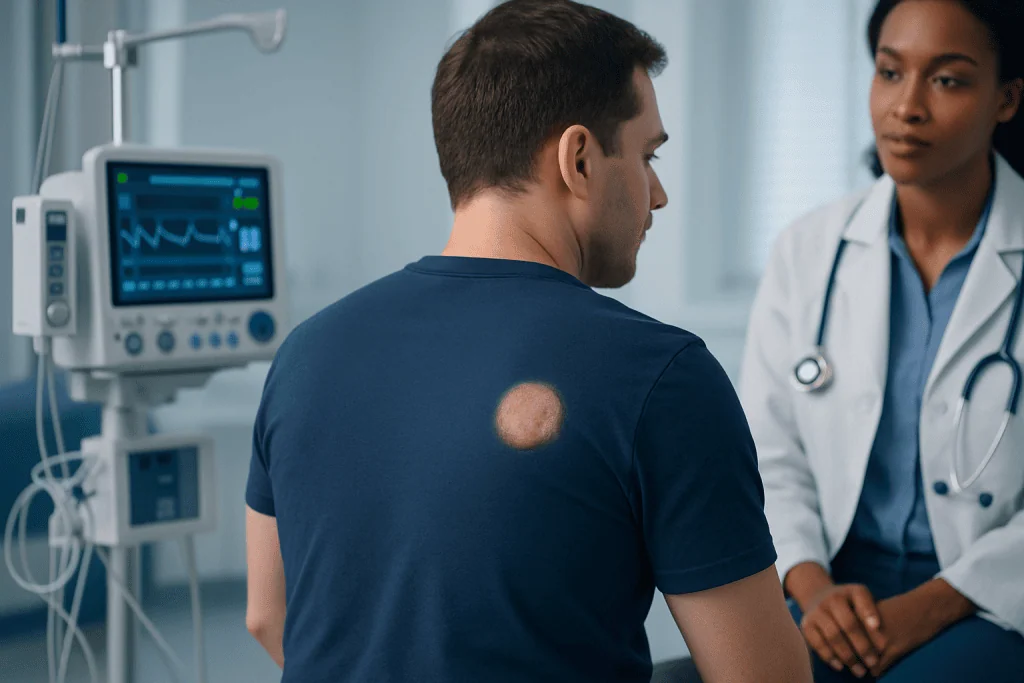
Symptoms of fungal skin infections depend on the type of fungus and the area affected. Many cases cause itching, redness, scaling, peeling, burning or cracking. The skin may look dry and flaky, moist and irritated, or sharply bordered from surrounding normal skin.
Dermatophyte infections of the body can form round or oval patches with a raised, scaly edge and clearer skin in the center. Athlete’s foot often affects the spaces between the toes and may cause peeling, soreness, odor or small blisters. Jock itch usually causes an itchy red rash in the groin folds, while scalp infections may cause scaling, broken hairs, tender patches or hair loss in a limited area.
Yeast infections tend to occur in warm, moist skin folds such as under the breasts, in the groin, around the diaper area or between abdominal folds. They can look bright red, sore and moist, sometimes with small surrounding spots. Fungal nail infections may cause thickened, brittle, crumbly, yellow, white or brown nails that lift from the nail bed.
- Itchy, scaly or ring-shaped patches
- Peeling or cracked skin, especially between the toes
- Redness, burning or soreness in skin folds
- Discolored, thick or brittle nails
- Patchy scaling or hair breakage on the scalp
- Light or dark patches on the chest, back or shoulders in pityriasis versicolor
Causes & Risk Factors
Fungi live in the environment and some are normally present on human skin. Infection can develop when conditions allow fungi to multiply or invade the outer skin layers. Warmth, moisture and friction are especially favorable for fungal growth, which is why infections commonly affect the feet, groin and skin folds.
Dermatophytes can spread through direct skin contact with an infected person or animal, or indirectly through contaminated towels, shoes, clothing, sports equipment, locker room floors and shower surfaces. Yeast-related infections are often linked to moisture, skin irritation and changes in the normal balance of skin microorganisms.
Risk factors include heavy sweating, wearing tight or non-breathable clothing, not drying the feet or skin folds well, sharing personal items, walking barefoot in communal wet areas, having minor skin injuries, obesity, diabetes, circulation problems and a weakened immune system. Antibiotic use, pregnancy and some medical treatments may also increase susceptibility to yeast overgrowth.
Fungal infections are not a sign of poor hygiene, although hygiene and drying practices can influence recurrence. Many active, healthy people develop athlete’s foot or ringworm. Identifying the source and reducing moisture are important parts of prevention and long-term control.
Diagnosis
A doctor or dermatologist usually begins by asking about symptoms, duration, contact with infected people or animals, sports activities, footwear, sweating, previous treatments and underlying medical conditions. The skin, nails or scalp are then examined for typical patterns such as scaling borders, involvement of toe spaces, nail thickening or rash distribution in folds.
Because other skin conditions can look similar, testing may be helpful. A clinician may gently scrape a small amount of scale from the skin, take nail clippings or collect hair fragments. These samples can be examined under a microscope with a potassium hydroxide preparation, sent for fungal culture, or assessed with other laboratory methods when needed.
In selected cases, a Wood’s lamp examination may help identify certain scalp or pigment-related fungal conditions, although it does not detect all fungal infections. Dermoscopy, a magnified skin examination, may help evaluate nails, scalp and rash patterns. If symptoms are severe, recurrent or unusual, the doctor may also consider tests for contributing conditions such as diabetes or immune system problems.
Accurate diagnosis matters because eczema, psoriasis, allergic contact dermatitis, bacterial infection and some inflammatory skin diseases can mimic fungal infections. Using the wrong treatment can delay recovery or change how the rash looks, making diagnosis more difficult.
Treatment Options
Treatment for fungal skin infections depends on the type of fungus, the body area involved, severity, duration, previous treatments and the patient’s overall health. The right approach should be decided by a qualified doctor or dermatologist after assessment, especially for nail, scalp, widespread, recurrent or treatment-resistant infections.
Many limited skin infections can be treated with topical antifungal medicines applied directly to the affected area. These may come as creams, gels, sprays, powders or washes. Treatment usually needs to continue for the full recommended course, even if symptoms improve early, because stopping too soon can allow the infection to return.
Oral antifungal medicines may be considered for scalp infections, nail infections, extensive disease, deep involvement or infections that do not improve with topical treatment. Before oral treatment, doctors may review other medications, liver health, pregnancy status and possible side effects. For inflamed or irritated skin, additional supportive care may be used, but steroid-containing creams should not be used without medical guidance because they can mask or worsen some fungal infections.
Non-medicine measures are also important. Keeping the affected skin clean and dry, changing socks and underwear daily, using breathable footwear and clothing, avoiding shared towels, washing sports clothing, disinfecting or rotating shoes when appropriate, and treating infected household members or pets when advised can reduce spread and recurrence. Nail infections often require longer management than skin infections because nails grow slowly.
Living With / Prognosis
Most fungal skin infections improve with appropriate treatment and prevention measures. The prognosis is generally good, particularly when the infection is recognized early and the affected area is kept dry and protected from repeated friction. Some infections, such as athlete’s foot or nail fungus, may recur if risk factors continue.
Daily habits can reduce the chance of recurrence. Feet should be dried carefully after bathing, especially between the toes. Socks should be changed when damp, shoes should be allowed to air out, and shower sandals may be useful in communal wet areas. Loose, breathable fabrics can help reduce moisture in the groin and skin folds.
People with diabetes, reduced circulation or weakened immunity should take fungal infections seriously because skin breaks can increase the risk of additional problems. They should check their feet and skin regularly and seek medical advice early if symptoms appear. Families can reduce transmission by avoiding shared towels, combs, hats, footwear and nail tools.
For international patients who need specialist evaluation, Acibadem International’s multidisciplinary dermatology teams and JCI-accredited hospitals can diagnose and treat fungal skin infections using evidence-based approaches. Any treatment decision should still be individualized after examination and, when needed, laboratory confirmation.
When to See a Doctor
A doctor should be consulted if a suspected fungal skin infection is spreading, painful, recurrent, affecting the scalp or nails, or not improving with appropriate over-the-counter care. Medical assessment is also important when the diagnosis is unclear, because several non-fungal conditions can cause similar rashes and need different treatment.
People should seek prompt medical advice if there is increasing redness, warmth, swelling, pus, fever, rapidly worsening pain or open sores. These signs may suggest a secondary bacterial infection or another condition requiring timely care. Children with scalp scaling, hair loss or tender patches should be assessed because scalp fungal infections often require specific medical treatment.
Patients with diabetes, immune suppression, circulation problems, pregnancy, extensive skin disease or repeated infections should not rely on self-diagnosis. A dermatologist can confirm the cause, choose the safest treatment category and help identify preventable triggers.
Frequently asked questions
What are fungal skin infections?
Fungal skin infections are infections of the skin, nails or scalp caused by fungi such as dermatophytes, yeasts or molds. They often affect warm, moist areas and may cause itching, scaling, redness, peeling or nail changes. Most are treatable when correctly diagnosed.
Are fungal skin infections contagious?
Some fungal skin infections are contagious, especially dermatophyte infections such as ringworm and athlete’s foot. They can spread through skin contact, shared towels, shoes, clothing or contaminated floors in locker rooms and showers. Good hygiene and avoiding shared personal items help reduce transmission.
How can a person tell if a rash is fungal?
A fungal rash may be itchy, scaly, sharply bordered or ring-shaped, and it often appears in moist areas such as the feet, groin or skin folds. However, eczema, psoriasis and allergic reactions can look similar. A doctor can confirm the diagnosis with examination and, if needed, skin scrapings or laboratory tests.
Can fungal skin infections go away on their own?
Mild cases may sometimes improve if the area is kept dry and the trigger is removed, but many fungal infections persist or spread without proper treatment. Nail and scalp infections are especially unlikely to clear without medical care. A doctor can recommend the most appropriate treatment category.
What helps prevent fungal skin infections from returning?
Keeping skin dry, changing damp clothing, wearing breathable shoes and fabrics, not sharing towels or footwear, and using shower sandals in communal wet areas can help. Recurrent infections may require checking shoes, sports gear, household contacts or pets as possible sources. Underlying conditions such as diabetes should also be well managed.
When is oral treatment needed for a fungal skin infection?
Oral antifungal treatment may be considered for scalp infections, nail infections, widespread disease, severe inflammation or infections that do not respond to topical care. It is not suitable for everyone and may require review of medical history and other medicines. A specialist should decide whether oral treatment is necessary.
References
- American Academy of Dermatology Association
- Centers for Disease Control and Prevention
- British Association of Dermatologists
- European Academy of Dermatology and Venereology
- Mayo Clinic
This article is for general information only and is not a substitute for professional medical advice. Please consult a qualified doctor about your individual situation.
Doctors Who Treat This Condition




Related Articles

What Is Hair Plantation? Understanding Hair Transplantation

Alopecia Symptoms: Early Signs and When to See a Doctor

Hair Loss Treatment for Women: Effective Medical Options

Alopecia Treatment: How Different Types Are Managed

How Is Female Baldness Treated? Options for Women

Treatment for Baldness: What Works for Hair Regrowth?

Hair Loss Treatment Options: Medicines, PRP, and Transplants

How Fast Does Hair Grow? Normal Rates and What Can Slow It Down

Hair Transplant in Turkey vs at Home: What International Patients Should Compare

How Fast Does Hair Grow After Shedding, Illness, or Treatment?

Scalp Micropigmentation Cost: What Is Included and Who Is It For?