


Quick answer
Encephalitis is inflammation of the brain, usually caused by a viral infection or, less commonly, an autoimmune reaction, and it requires prompt diagnosis and treatment to reduce the risk of serious complications. At Acibadem in Turkey, evaluation may include neurological examination, brain imaging, laboratory tests, and sometimes spinal fluid analysis, with treatment based on the cause and severity, such as…
Overview
Encephalitis is inflammation of the brain tissue. It is a serious neurological condition that can affect people of any age, although the cause, severity and recovery can vary widely. In many cases, encephalitis is linked to an infection, such as a virus. Less commonly, it may occur when the immune system mistakenly attacks the brain after an infection or due to an autoimmune condition.
Because the brain controls movement, speech, memory, behavior and many body functions, encephalitis can cause a wide range of symptoms. Some people have mild symptoms at first, such as fever and headache, while others may develop confusion, seizures or changes in consciousness. Early medical assessment is important, as encephalitis can become life-threatening and may require care in a hospital setting.
Symptoms
Symptoms of encephalitis may appear suddenly or develop over several days. They can resemble common infections at the beginning, which is why worsening symptoms or neurological changes should be taken seriously.
- Fever, headache or general tiredness
- Nausea, vomiting or sensitivity to light
- Confusion, unusual behavior or personality changes
- Difficulty speaking, understanding speech or remembering things
- Weakness, numbness or problems with balance and coordination
- Seizures, including first-time seizures in someone without epilepsy
- Drowsiness, reduced alertness or loss of consciousness
In babies and young children, symptoms may be less specific. Parents or caregivers may notice poor feeding, unusual irritability, persistent crying, vomiting, sleepiness, a bulging soft spot on the head or stiffness of the body.
Causes and Risk Factors
Encephalitis has several possible causes. Viral infections are among the most common. Some viruses can directly infect the brain, while others may trigger inflammation after the main infection has passed. In certain regions, viruses spread by mosquitoes or ticks may also be relevant. Other infections, including some bacterial, fungal or parasitic infections, can rarely lead to brain inflammation, especially in people with weakened immune systems.
Autoimmune encephalitis occurs when the immune system attacks healthy brain tissue. This may happen after an infection, be associated with certain immune conditions, or in some cases be linked to an underlying tumor. Sometimes, despite careful testing, the exact cause cannot be identified.
Risk factors may include a weakened immune system, very young or older age, lack of protection against preventable infections, travel or residence in areas where insect-borne infections occur, and exposure to ticks or mosquitoes. However, encephalitis can also occur in people without obvious risk factors.
Diagnosis
Diagnosis of encephalitis requires medical evaluation, often by emergency medicine, neurology, infectious diseases or intensive care specialists. The doctor will ask about symptoms, recent infections, travel, vaccination history, insect bites, immune system problems and any medicines or medical conditions.
A neurological examination checks alertness, memory, speech, strength, reflexes, coordination and signs of irritation around the brain and spinal cord. Tests may include blood tests to look for infection or inflammation, brain imaging to assess swelling or other changes, and an electroencephalogram to evaluate electrical activity in the brain, especially if seizures are suspected.
A lumbar puncture may be recommended to collect a small sample of cerebrospinal fluid, the fluid surrounding the brain and spinal cord. This test can help identify infection, inflammation and other conditions that may mimic encephalitis. In some cases, additional immune, genetic or cancer-related tests may be needed depending on the suspected cause.
Treatment Options
Treatment depends on the suspected or confirmed cause, the severity of symptoms and the patient’s overall health. Many people with encephalitis need hospital care for close monitoring and supportive treatment. In more severe cases, care in an intensive care unit may be required to support breathing, circulation, hydration and brain function.
If an infectious cause is suspected, doctors may start treatment promptly while test results are pending. If autoimmune encephalitis is suspected, treatment may focus on reducing harmful immune activity. Seizures, swelling, fever, pain, agitation or changes in consciousness may also need medical management. The exact treatment plan is individualized and adjusted as test results become available.
Recovery can be gradual. Some people recover fully, while others may experience ongoing problems with memory, concentration, speech, mood, movement or fatigue. Rehabilitation may involve physiotherapy, occupational therapy, speech and language therapy, neuropsychological support and follow-up with neurology. Family support and careful follow-up are often important parts of recovery.
When to See a Doctor
Seek urgent medical care if a person has fever with confusion, unusual behavior, severe headache, seizures, difficulty speaking, weakness, a stiff neck, persistent vomiting, extreme drowsiness or loss of consciousness. These symptoms may indicate encephalitis or another serious condition affecting the brain or nervous system.
Babies, young children, older adults and people with weakened immune systems should be assessed promptly if they develop concerning neurological symptoms or become unusually sleepy, irritable or difficult to wake. Early evaluation helps doctors identify the cause and begin appropriate care as soon as possible.
Doctors Who Treat This Condition

Prof. Dr. Aytekin Akyüz
Neurology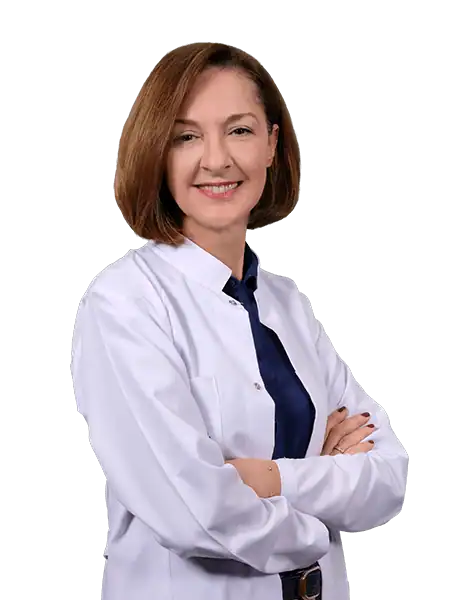
Prof. Dr. Ayşe Sağduyu Kocaman
Neurology
Prof. Dr. Dilaver Kaya
Neurology
Prof. Dr. Elif Ilgaz Aydınlar
Neurology
Prof. Dr. Kayihan Uluç
Neurology
Prof. Dr. Murat Aksu
Neurology
Prof. Dr. Nergiz Hüseyinoğlu
Neurology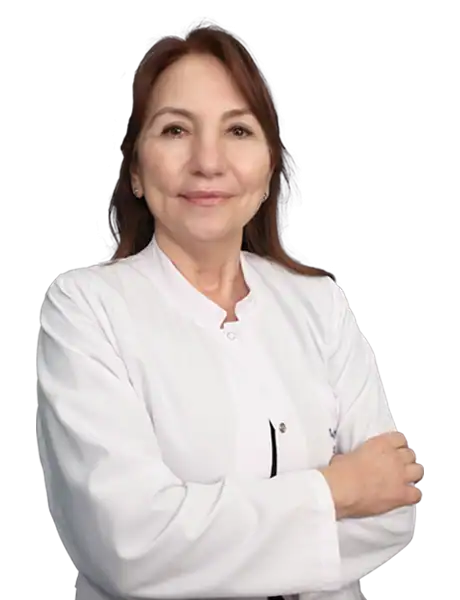
Prof. Dr. Neşe Tuncer
Neurology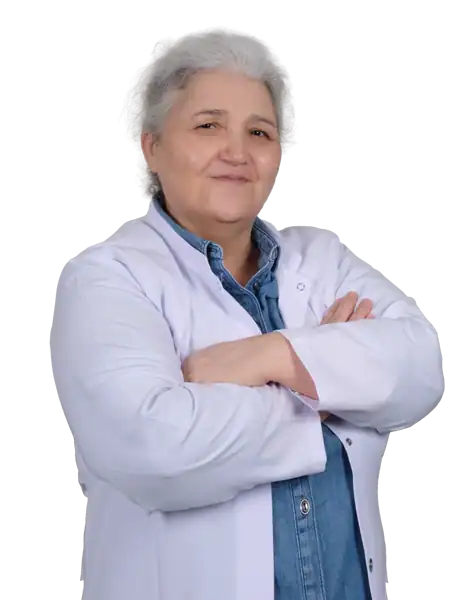
Prof. Dr. Nur Aydinli
Pediatric Neurology
Prof. Dr. Pervin İşeri
Neurology
Prof. Dr. Pınar Yalınay Dikmen
Neurology