
Quick answer
Typhoid fever is a bacterial infection caused by Salmonella Typhi, usually spread through contaminated food or water, and it typically causes prolonged fever, weakness, stomach pain, and digestive symptoms. At Acibadem in Turkey, care focuses on confirming the diagnosis with clinical evaluation and laboratory tests, then treating the infection with appropriate antibiotics, fluids, and supportive monitoring based on the patient’s…
Overview
Typhoid fever is a bacterial infection that mainly affects the digestive system and can spread throughout the body if not treated. It is caused by a type of bacteria called Salmonella Typhi. A related but usually milder illness can be caused by Salmonella Paratyphi. Typhoid fever is more common in areas where access to clean water, safe food handling, and sanitation may be limited.
The infection is usually spread through food or water contaminated with the bacteria. International travelers may be at higher risk when visiting regions where typhoid fever is common, especially if they eat or drink items prepared in unsafe conditions. With timely medical care, most people recover, but untreated typhoid fever can lead to serious complications.
Symptoms
Symptoms of typhoid fever often develop gradually after exposure. The illness can look similar to many other infections, so medical evaluation is important. Common symptoms may include:
- Persistent fever that may increase over several days
- Headache
- Weakness and tiredness
- Loss of appetite
- Stomach pain or abdominal discomfort
- Diarrhea or constipation
- Nausea or vomiting
- Muscle aches
- Dry cough
- Rash with small, flat, rose-colored spots in some people
In more severe cases, a person may become very weak, confused, dehydrated, or develop signs of complications involving the intestines or other organs. Symptoms can vary by age, general health, and how early treatment begins.
Causes and Risk Factors
Typhoid fever is caused by Salmonella Typhi bacteria. The bacteria are passed in the stool or urine of infected people. Contamination can occur when food or water is handled without proper hygiene or when sewage contaminates water supplies.
People can become infected by consuming:
- Untreated or contaminated drinking water
- Ice made from unsafe water
- Raw fruits or vegetables washed with contaminated water
- Food prepared by someone who is infected and did not practice proper hand hygiene
- Undercooked or improperly stored foods in high-risk settings
Risk factors include travel to areas where typhoid fever is common, living in crowded conditions with poor sanitation, close contact with someone who has the infection, and lack of access to safe water. Some people may carry the bacteria after recovery and can spread it to others without feeling ill.
Preventive measures may include safe food and water practices, careful hand hygiene, and vaccination when recommended for travel or occupational risk. Vaccination can reduce risk but does not replace food and water precautions.
Diagnosis
A healthcare professional may suspect typhoid fever based on symptoms, travel history, exposure risks, and physical examination. Because symptoms can resemble other illnesses, laboratory testing is needed to help confirm the diagnosis.
Tests may include blood tests and cultures to look for the bacteria. Depending on the stage of illness and symptoms, stool or urine samples may also be tested. In some cases, additional tests may be used to check hydration, organ function, or possible complications.
It is important to tell the doctor about recent international travel, foods or drinks consumed during travel, contact with anyone who was ill, and any prior vaccination. This information helps guide appropriate testing and care.
Treatment Options
Typhoid fever requires medical treatment. Treatment typically includes medicines that target the bacteria, along with supportive care. The choice of treatment depends on factors such as the patient’s age, medical condition, severity of illness, travel location, and local patterns of bacterial resistance.
Supportive care may include monitoring fluid balance, managing fever and discomfort, and ensuring adequate nutrition. People with vomiting, diarrhea, dehydration, severe weakness, or signs of complications may need hospital care for closer monitoring and intravenous fluids or other medical support.
It is important to complete treatment exactly as prescribed by a healthcare professional, even if symptoms improve. Stopping treatment early or using inappropriate medicines can increase the risk of relapse or bacterial resistance. Patients should also follow medical advice on hygiene to avoid spreading the infection to others, especially around food preparation and shared bathrooms.
Serious complications are uncommon when typhoid fever is treated promptly, but they can occur. Possible complications may involve the intestines, bloodstream, liver, gallbladder, or other organs. Follow-up may be needed to ensure recovery and to check whether the bacteria have cleared.
When to See a Doctor
Seek medical attention if you develop a persistent fever, abdominal pain, diarrhea, constipation, or unusual weakness after traveling to or living in an area where typhoid fever may occur. Early evaluation is especially important if symptoms are worsening or lasting more than a few days.
Urgent medical care is needed if there are signs of dehydration, confusion, severe abdominal pain, blood in the stool, repeated vomiting, fainting, difficulty breathing, or extreme weakness. Children, older adults, pregnant people, and individuals with weakened immune systems should be assessed promptly if typhoid fever is suspected.
If you have been diagnosed with typhoid fever, follow your healthcare provider’s instructions and attend recommended follow-up visits. Avoid preparing food for others until a healthcare professional advises that it is safe. Good hand hygiene and safe sanitation practices help protect family members and the wider community.
Treatments for This Condition
Doctors Who Treat This Condition
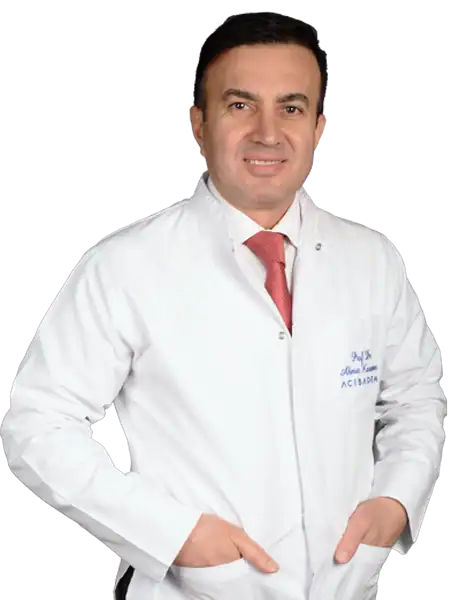
Prof. Dr. Ahmet Karaman
Gastroenterology
Prof. Dr. Arzu Tiftikçi
Gastroenterology
Prof. Dr. Bahattin Çiçek
Gastroenterology
Prof. Dr. Bülent Değertekin
Gastroenterology
Prof. Dr. Can Gönen
Gastroenterology
Prof. Dr. Cem Aygün
Gastroenterology
Prof. Dr. Ebubekir Şenateş
Gastroenterology
Prof. Dr. Erkin Öztaş
Gastroenterology
Prof. Dr. Ethem Tankurt
Gastroenterology
Prof. Dr. Fatih Oğuz Önder
Gastroenterology
Prof. Dr. Ferdane Pirinççi Sapmaz
Gastroenterology