


Quick answer
Meningitis is inflammation of the membranes around the brain and spinal cord, usually caused by an infection, and it is treated according to the cause with urgent hospital-based care such as antibiotics, antiviral medicines, supportive therapy, and close monitoring. At Acibadem in Turkey, evaluation focuses on rapid diagnosis with neurological examination, laboratory testing, and imaging to guide timely treatment and…
Overview
Meningitis is inflammation of the protective membranes that cover the brain and spinal cord. These membranes are called the meninges. The condition can develop when germs, such as viruses, bacteria, fungi or parasites, enter the body and reach this area. Meningitis can affect people of any age, including babies, children, adults and older adults.
Some types of meningitis are mild and improve with supportive care, while others can become life-threatening very quickly. Bacterial meningitis, in particular, is a medical emergency and needs urgent hospital assessment and treatment. Early recognition and prompt medical care can help reduce the risk of serious complications.
Symptoms
Symptoms of meningitis can appear suddenly or develop over several days. They may vary depending on age, cause and general health. Common symptoms in older children and adults may include:
- High fever
- Severe headache
- Stiff neck or pain when trying to bend the neck forward
- Nausea or vomiting
- Sensitivity to bright light
- Confusion, drowsiness or difficulty waking
- Seizures
- Skin rash, which may occur with some infections
- Muscle or joint pain
Babies and young children may not show typical symptoms. Warning signs may include fever, poor feeding, unusual crying, irritability, sleepiness, vomiting, a bulging soft spot on the head, or a stiff or floppy body. Because symptoms can be difficult to recognize in infants, medical advice should be sought urgently if meningitis is suspected.
Causes and Risk Factors
Meningitis can be caused by different organisms. Viral meningitis is often less severe than bacterial meningitis, but it still requires medical evaluation. Bacterial meningitis can progress rapidly and may cause serious complications. Fungal or parasitic meningitis is less common and is more likely to occur in people with weakened immune systems or after certain exposures.
Infections may spread through respiratory droplets, close contact, contaminated food, or from another infection in the body, depending on the organism involved. Not everyone exposed to these germs will develop meningitis.
Risk factors that may increase the chance of meningitis include:
- Age, especially infancy, early childhood or older age
- Weakened immune system due to illness or medical treatment
- Living or spending time in crowded settings
- Not being up to date with recommended vaccinations
- Recent ear, sinus or respiratory infection
- Head injury, brain or spinal surgery, or certain medical devices
- Travel or exposure to regions where some infections are more common
Diagnosis
Meningitis is diagnosed by a healthcare professional based on symptoms, physical examination and medical tests. Because some forms can worsen quickly, doctors may begin evaluation and treatment urgently, sometimes before all test results are available.
During the examination, the doctor may check temperature, heart rate, alertness, neck stiffness, skin changes and signs of infection. Tests may include blood tests to look for infection, imaging studies if needed, and a lumbar puncture. A lumbar puncture is a procedure in which a small sample of fluid surrounding the brain and spinal cord is collected for laboratory testing. This fluid can help identify inflammation and may show whether the cause is bacterial, viral, fungal or another condition.
Additional tests may be recommended depending on the patient’s age, symptoms, travel history, immune status and possible exposure to infections.
Treatment Options
Treatment depends on the cause of meningitis, the severity of illness and the patient’s overall health. Suspected bacterial meningitis is treated as an emergency in the hospital. Care may include medications given through a vein, close monitoring, fluids, oxygen support if needed and treatment of complications such as seizures or swelling.
Viral meningitis may require hospital observation or supportive care, depending on symptoms and the specific virus suspected. Supportive care can include rest, hydration and monitoring for worsening symptoms. Some viral infections may need targeted medical treatment.
Fungal or parasitic meningitis usually requires specialist care and specific treatments. Patients with weakened immune systems may need additional evaluation and a longer period of monitoring.
Prevention is also important. Recommended vaccines can protect against some of the infections that cause meningitis. Good hand hygiene, avoiding close contact with people who are ill, safe food practices and appropriate travel advice can also reduce risk. In some situations, close contacts of a person with certain types of bacterial meningitis may need medical assessment to help prevent spread.
When to See a Doctor
Seek urgent medical care immediately if meningitis is suspected. Warning signs include high fever with severe headache, stiff neck, confusion, extreme sleepiness, seizures, repeated vomiting, sensitivity to light, or a new rash with illness. In babies, urgent signs include fever, poor feeding, unusual crying, difficulty waking, a bulging soft spot, or a stiff or floppy body.
Do not wait for all symptoms to appear. Meningitis can progress quickly, and early medical assessment is important. If a person has been in close contact with someone diagnosed with bacterial meningitis, they should contact a healthcare provider promptly for guidance, even if they feel well.
Doctors Who Treat This Condition

Prof. Dr. Aytekin Akyüz
Neurology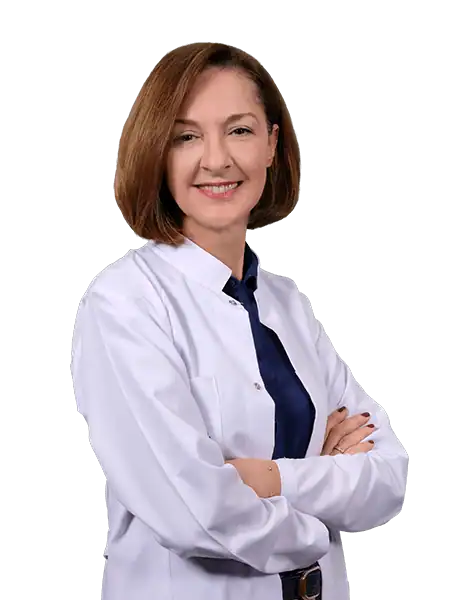
Prof. Dr. Ayşe Sağduyu Kocaman
Neurology
Prof. Dr. Dilaver Kaya
Neurology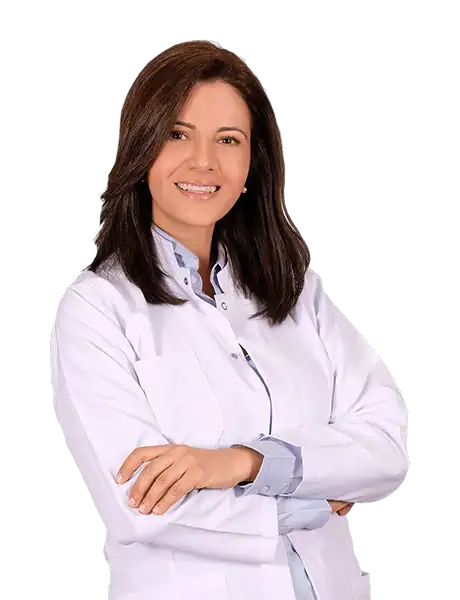
Prof. Dr. Elif Ilgaz Aydınlar
Neurology
Prof. Dr. Kayihan Uluç
Neurology
Prof. Dr. Murat Aksu
Neurology
Prof. Dr. Nergiz Hüseyinoğlu
Neurology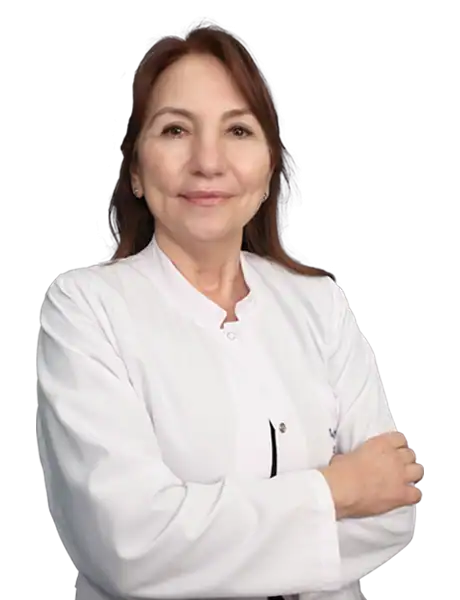
Prof. Dr. Neşe Tuncer
Neurology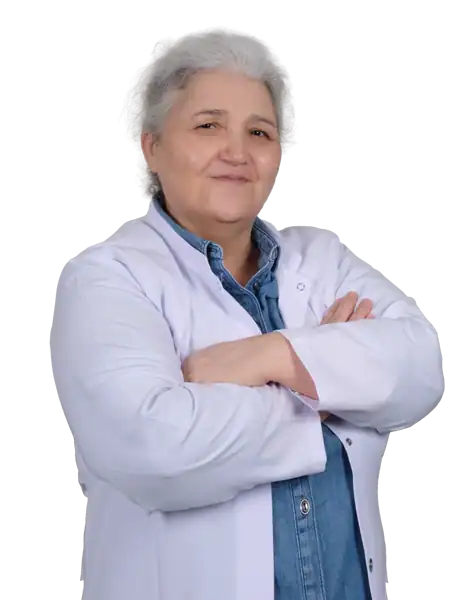
Prof. Dr. Nur Aydinli
Pediatric Neurology
Prof. Dr. Pervin İşeri
Neurology
Prof. Dr. Pınar Yalınay Dikmen
Neurology