

Loose Skin After Major Weight Loss: Body Contouring and Timing Considerations

Loose skin can occur when skin and connective tissue do not fully retract after significant weight loss. Body contouring is usually considered after weight has been stable and nutrition is optimized.
Key Takeaways
- Loose skin can occur when skin and connective tissue do not fully retract after significant weight loss.
- Body contouring is usually considered after weight has been stable and nutrition is optimized.
- Common procedures include tummy tuck, lower body lift, arm lift, thigh lift, breast lift, and targeted skin removal.
- A plastic surgeon evaluates skin quality, scars, medical conditions, weight history, and patient goals before recommending a plan.
- Surgery can improve function and shape, but it involves scars, recovery time, and possible complications.
- Persistent rashes, skin infections, mobility problems, or major discomfort are reasons to seek medical advice.
Loose skin after major weight loss is common and can affect comfort, movement, hygiene, and body confidence. Body contouring surgery may help selected patients, but timing, weight stability, nutrition, and overall health are essential to safe planning.
Overview
Major weight loss, whether achieved through lifestyle changes, medication, bariatric surgery, or a combination of methods, can bring important health benefits. However, after the body becomes smaller, the skin may not always shrink enough to match the new shape. This can leave folds of loose skin on the abdomen, arms, thighs, breasts, back, buttocks, neck, or other areas.
Loose skin after major weight loss is not simply a cosmetic concern for many people. Skin folds can rub, trap moisture, make exercise uncomfortable, affect clothing fit, and contribute to irritation or recurrent rashes. Some patients also feel that their body does not reflect the work they have done to improve their health.
Body contouring is a group of surgical procedures designed to remove excess skin and reshape body areas after weight loss. It is not a weight loss treatment. Instead, it is considered when a patient is near a healthy, stable weight and wants to address skin laxity that will not improve enough with time, exercise, or skin care alone.
Why Loose Skin Happens After Weight Loss
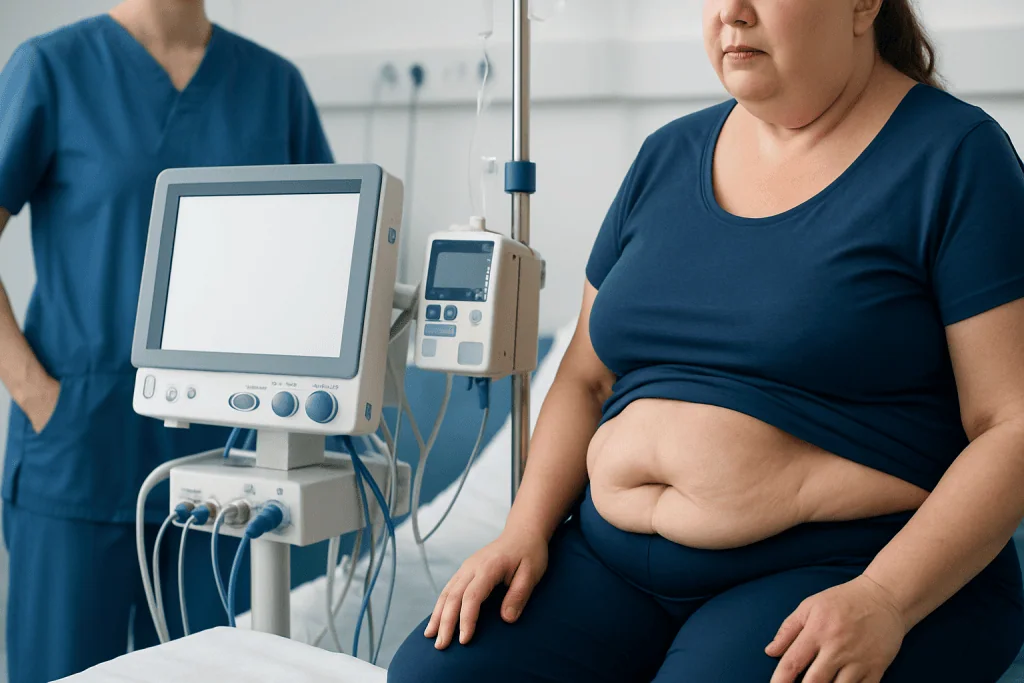
Skin has natural elasticity because of collagen, elastin, and other supportive structures. When weight is gained, the skin stretches to cover a larger body size. If the skin has been stretched for a long time or stretched significantly, it may lose some ability to tighten after weight is lost. The underlying fat volume decreases, but the skin envelope may remain larger.
Several factors influence how much the skin retracts. These include age, genetics, total amount of weight lost, how long the person carried extra weight, smoking history, sun exposure, hydration, muscle mass, and overall nutrition. People who lose a large amount of weight, especially after bariatric surgery, often have more noticeable skin folds than those who lose a smaller amount.
Exercise can improve strength, posture, endurance, and muscle tone, which may enhance body shape. However, exercise cannot remove a large excess of stretched skin. Creams, massage, and non-surgical skin tightening treatments may provide modest improvement in selected cases, but they are usually limited when there is significant hanging skin.
Common Symptoms and Daily Challenges

Loose skin may appear as soft folds, wrinkling, sagging, or hanging tissue. The abdomen is one of the most common areas affected, sometimes forming an overhanging fold known as a pannus. The upper arms may develop loose skin that moves with activity, while the inner thighs may rub together during walking.
Some people experience physical symptoms related to friction and trapped moisture. These may include redness, itching, odor, chafing, painful skin breakdown, or recurrent fungal or bacterial infections in skin folds. Excess skin can also make it harder to maintain hygiene, especially in warm weather or during exercise.
Loose skin may affect daily life in several ways:
- Difficulty finding comfortable clothing or supportive undergarments
- Skin irritation under abdominal, breast, arm, or thigh folds
- Discomfort during walking, running, cycling, or strength training
- Pulling or heaviness in the lower abdomen or thighs
- Self-consciousness in social, intimate, or physical activity settings
These concerns are valid and should be discussed openly with a qualified doctor. A medical evaluation can help distinguish normal post-weight-loss skin laxity from problems that may require treatment, such as chronic dermatitis, infections, hernias, or nutritional deficiencies.
Timing Considerations for Body Contouring
Timing is one of the most important parts of body contouring planning. Surgeons generally prefer that weight is stable before surgery, because additional weight loss can create new laxity and weight regain can stretch the results. Stability also suggests that eating patterns, activity habits, and overall health are more predictable.
After bariatric surgery, many patients continue losing weight for many months. Body contouring is usually discussed only after the weight loss phase slows and the patient can maintain adequate nutrition. Protein intake, vitamin and mineral levels, blood counts, and medical conditions should be checked because poor nutrition can interfere with wound healing.
Patients considering body contouring should also be free from active skin infections and should have any chronic conditions, such as diabetes, anemia, or thyroid disease, well managed. Smoking and nicotine use significantly affect blood flow and wound healing, so surgeons commonly require patients to stop nicotine before and after surgery according to medical guidance.
Emotional readiness matters as well. Body contouring can improve shape and comfort, but it leaves permanent scars and involves recovery time. A thoughtful consultation helps patients understand what is realistic, what procedures may be staged, and how surgery fits into long-term weight maintenance.
Body Contouring Treatment Options
The best procedure depends on the location and amount of excess skin, the patient’s anatomy, health status, and goals. Some people need one targeted procedure, while others benefit from a staged plan involving several areas. Staging can reduce surgical time and may support safer healing when multiple body regions are involved.
Common body contouring procedures after major weight loss include:
- Abdominoplasty: Often called a tummy tuck, this removes excess abdominal skin and may repair separated abdominal muscles when appropriate.
- Panniculectomy: This removes a hanging lower abdominal skin fold, mainly to improve hygiene, irritation, or function.
- Lower body lift: This addresses loose skin around the abdomen, hips, outer thighs, and buttocks.
- Arm lift: Also called brachioplasty, this removes excess skin from the upper arms.
- Thigh lift: This targets loose skin on the inner or outer thighs.
- Breast lift or chest contouring: These procedures reshape sagging breast or chest tissue after weight loss.
Non-surgical treatments, such as energy-based skin tightening, may be discussed for mild laxity. They generally cannot replace surgery when there is a large amount of loose skin, but they may be considered for selected patients who are not ready for surgery or have only minor skin looseness.
Every procedure has trade-offs. Body contouring can improve body proportions and reduce troublesome folds, but it involves incisions, scars, swelling, temporary activity limits, and possible complications such as bleeding, infection, fluid collection, delayed wound healing, or changes in skin sensation. A qualified plastic surgeon should explain benefits and risks in relation to the individual patient.
Diagnosis and Pre-Surgical Evaluation
Evaluation begins with a detailed medical history and physical examination. The surgeon asks about total weight loss, current weight stability, previous bariatric or abdominal surgery, pregnancies, medications, supplements, smoking or nicotine use, allergies, and existing medical conditions. It is helpful for patients to describe which skin folds cause symptoms and which body areas bother them most.
The physical examination assesses skin quality, fat distribution, scars, muscle laxity, hernias, and signs of irritation or infection. Photographs may be taken for medical planning. The surgeon may also discuss scar placement, expected contour changes, and whether one procedure or several staged procedures would be safer and more appropriate.
Laboratory tests may be recommended, especially for patients who have had bariatric surgery. These may include checks for anemia, protein status, vitamin or mineral deficiencies, blood sugar control, and other health factors that affect healing. If there are symptoms of an abdominal hernia or other internal issue, imaging or referral to another specialist may be needed.
Pre-surgical planning is a shared decision. Patients should feel comfortable asking about realistic results, recovery timelines, scars, drains, compression garments, return to work, exercise restrictions, and warning signs after surgery. Clear expectations help reduce stress and support safer recovery.
Recovery, Self-Care, and Long-Term Results
Recovery depends on the type and extent of surgery. Most patients can expect swelling, bruising, tightness, and temporary fatigue during the early healing period. Pain is managed with the surgeon’s instructions, and some procedures may involve drains or compression garments for a limited time. Walking is usually encouraged early to support circulation, but strenuous activity is restricted until the surgeon confirms it is safe.
Good self-care supports healing. Patients should follow wound-care instructions, attend follow-up visits, maintain adequate protein and fluid intake, and avoid smoking or nicotine. It is important not to rush exercise, lifting, or travel plans. Healing continues for months, and scars usually mature gradually over time.
Long-term results are best supported by stable weight, regular physical activity, and balanced nutrition. Future weight fluctuations, pregnancy, aging, and changes in muscle tone can affect the result. Body contouring does not prevent weight regain, so it works best as part of a long-term health plan rather than a final step separated from lifestyle care.
Some patients need additional procedures or scar revisions, while others are satisfied after one operation. The decision should be individualized, medically appropriate, and guided by a surgeon experienced in post-weight-loss body contouring.
When to See a Doctor
A person should consider medical advice if loose skin causes recurrent rashes, sores, odor, drainage, discomfort, mobility problems, or difficulty with hygiene. A doctor can treat skin conditions, check for infections, and determine whether excess skin is contributing to ongoing symptoms. Sudden pain, a new bulge, fever, spreading redness, or an open wound should be assessed promptly.
People who are interested in body contouring should schedule a consultation when their weight is stable, their nutrition is adequate, and they are ready to discuss goals and recovery realistically. Patients who have had bariatric surgery may also benefit from coordination between their bariatric team, dietitian, primary doctor, and plastic surgeon.
Acibadem International’s multidisciplinary specialists and JCI-accredited hospitals diagnose and treat post-weight-loss concerns, including body contouring evaluation, for international patients. As with any surgery, the safest plan is individualized after a full medical assessment by qualified clinicians.
Frequently asked questions
Will loose skin go away on its own after major weight loss?
Some mild looseness may improve gradually as weight stabilizes and the skin adapts. However, significant hanging skin often does not disappear completely, especially after a large weight loss. Exercise can improve muscle tone and body shape, but it cannot remove excess skin.
When is the best time to have body contouring after bariatric surgery?
Body contouring is usually considered after the main weight loss phase has ended and weight has remained stable for a period of time. The exact timing depends on nutrition, medical conditions, healing capacity, and the surgeon’s assessment. Patients should also be able to maintain adequate protein, vitamins, and minerals before surgery.
Is body contouring the same as weight loss surgery?
No. Bariatric surgery is performed to support weight loss and improve weight-related health conditions. Body contouring is performed after weight loss to remove excess skin and reshape certain areas. It is not a treatment for obesity or a substitute for long-term weight management.
Does body contouring leave scars?
Yes, all surgical skin removal procedures leave scars because incisions are required to remove excess tissue. Surgeons plan incision placement carefully, often in areas that can be covered by clothing when possible. Scars usually fade over time, but they are permanent and vary from person to person.
Can loose skin cause medical problems?
Loose skin can contribute to chafing, moisture buildup, rashes, skin infections, discomfort, and difficulty with hygiene. In some people, heavy folds can interfere with walking, exercise, or clothing fit. A doctor can evaluate whether symptoms are related to excess skin and recommend appropriate treatment.
Can several body contouring procedures be done at once?
Sometimes more than one area can be treated during the same operation, but this depends on the patient’s health, surgical time, blood loss risk, and recovery needs. Many post-weight-loss patients are treated in stages to improve safety and allow proper healing. A plastic surgeon can recommend the most appropriate sequence.
How can a patient prepare for a body contouring consultation?
Patients can prepare by bringing a weight history, list of medications and supplements, details of previous surgeries, and information about any rashes or skin infections. It is useful to identify the body areas that cause the most discomfort or concern. Questions about scars, risks, recovery, time off work, and long-term maintenance should be discussed openly.
References
- American Society of Plastic Surgeons
- American Society for Metabolic and Bariatric Surgery
- National Institute of Diabetes and Digestive and Kidney Diseases
- British Association of Plastic Reconstructive and Aesthetic Surgeons
- Mayo Clinic
This article is for general information only and is not a substitute for professional medical advice. Please consult a qualified doctor about your individual situation.
Body Contouring in Turkey — costs, top hospitals & a free quote
JCI-accredited · board-certified surgeons · reply within 24h
Add us as a Preferred Source to see more of our trusted health content across Google Search, AI Overviews and Discover.
Check your numbers in seconds
BMI, calories, due date, blood pressure and 30+ more clinical calculators — free, instant, doctor-reviewed ranges.

Plastic, Reconstructive & Aesthetic Surgery
Reconstructive and aesthetic procedures for the face and body, performed by experienced surgeons.
35 specialists in this unitRelated Treatments
Related Conditions
More from the Health Library



Related Specialists
Prof. Dr. Tayfun Karahasanoğlu
General Surgery
Prof. Dr. Güralp Onur Ceyhan
General Surgery
Prof. Dr. Volkan Özben
General Surgery
Assoc. Prof. Dr. Halil Kara
General Surgery