Cancer Rehabilitation
Cancer rehabilitation, also called oncology rehabilitation, is a coordinated program that helps people manage the physical and functional effects of cancer and its treatments. Delivered by physical medicine and rehabilitation doctors, physiotherapists,…
Quick answer
Cancer rehabilitation is a team-based program of physiotherapy, occupational therapy, lymphedema treatment, and related support that helps people regain strength, movement, energy, and independence during and after cancer treatment. It does not treat the cancer itself but manages side effects such as fatigue, weakness, swelling, stiffness, and nerve damage, and can begin before, during, or after treatment.
What is cancer rehabilitation?
Cancer rehabilitation (also called oncology rehabilitation) is a program of supportive care that helps people keep or regain physical strength, movement, energy, and independence during and after cancer treatment. It is not a treatment for the cancer itself. Instead, it addresses the side effects that cancer and its treatments, such as surgery, chemotherapy, radiation therapy, and hormone therapy, can leave behind.
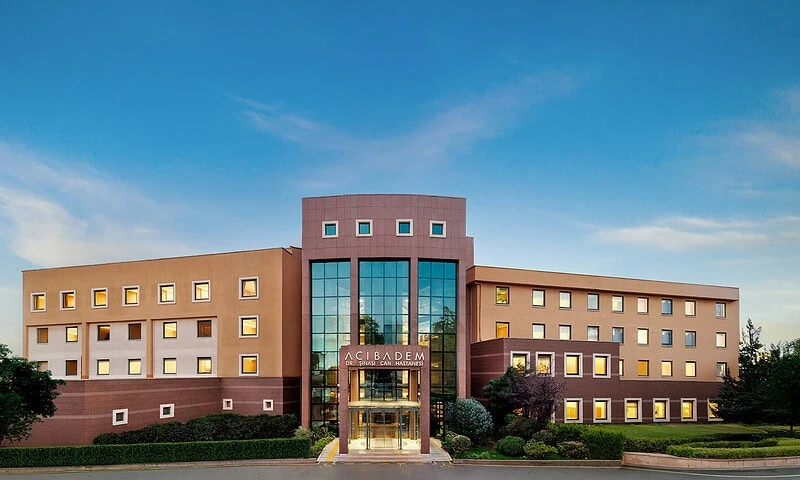
A cancer rehabilitation program is usually delivered by a team. Depending on your needs, this team may include a physical medicine and rehabilitation doctor (a physician who specializes in restoring function), physiotherapists (also called physical therapists), occupational therapists (who focus on daily tasks such as dressing, cooking, and working), speech and swallowing therapists, lymphedema therapists, dietitians, and psychologists. Many hospitals manage these services through a dedicated department, such as the Physical Medicine & Rehabilitation unit at Acibadem, working alongside the oncology team.
Cancer rehabilitation is commonly used for problems such as:
- Cancer-related fatigue: a deep tiredness that does not improve with rest.
- Muscle weakness and deconditioning: loss of fitness after long periods of illness or bed rest.
- Lymphedema: swelling, most often in an arm or leg, caused by a buildup of lymph fluid when lymph nodes have been removed or damaged by surgery or radiation.
- Stiffness and limited range of motion, for example in the shoulder after breast surgery or in the neck and jaw after head and neck cancer treatment.
- Peripheral neuropathy: nerve damage from certain chemotherapy drugs that causes numbness, tingling, pain, or balance problems in the hands and feet.
- Difficulty swallowing or speaking after head and neck or brain tumor treatment.
- Balance problems and fall risk, bone weakness, and pain.
- Cognitive changes sometimes described as “chemo brain,” such as trouble with memory or concentration.
Who is a candidate
In principle, anyone whose daily life has been affected by cancer or its treatment may be considered for oncology rehabilitation. It can be offered at several points along the cancer journey:
- Before treatment (prehabilitation): building strength and fitness before major surgery or intensive therapy, which may help the body cope with treatment.
- During treatment: managing fatigue, keeping muscles active, and protecting mobility while chemotherapy or radiation is ongoing.
- After treatment: physiotherapy after cancer treatment to restore movement, treat lymphedema, and return to work, sport, or family roles.
- Living with advanced cancer: maintaining comfort, safety, and independence for as long as possible, often alongside palliative care (care focused on comfort and quality of life).
Rehabilitation is generally suitable for people of all ages and for most cancer types. A doctor’s assessment is important, however, because some situations call for caution or a delay:
- Very low blood counts during chemotherapy (for example, low platelets that raise bleeding risk, or low white cells that raise infection risk) may mean that exercise needs to be paused or made gentler.
- Cancer that has spread to bone can weaken it; certain exercises or manual techniques may be unsafe until imaging is reviewed.
- Active infection, uncontrolled pain, fever, unstable heart or lung problems, or fresh surgical wounds usually mean that planned activities are adjusted or postponed.
- Lymphedema treatment with compression or massage is not appropriate when there is an active skin infection (cellulitis) or a blood clot in the limb until those are treated.
These are not permanent exclusions. In many cases the program is simply modified, and your rehabilitation doctor may coordinate timing with your oncologist.
How the procedure works
Cancer rehabilitation is not a single procedure but a planned course of care. The steps below describe what typically happens.
Before: assessment
The first visit is usually a detailed assessment. The rehabilitation physician or therapist reviews your cancer history, treatments received, other health conditions, medications, and your own goals, whether that is walking up stairs, lifting a grandchild, or returning to work. They may measure strength, joint range of motion, balance, walking speed, limb size (for lymphedema), swallowing, or thinking skills. Blood test results and imaging from your oncology team are often reviewed to make sure exercise is safe.
During: the individualized program
Based on the assessment, a written plan is created. Common components include:
- Cancer rehab exercises: a progressive mix of aerobic activity (walking, cycling), resistance training (using bands or light weights), stretching, and balance work. Intensity is set low at first and increased gradually.
- Lymphedema treatment: often called complete decongestive therapy. It combines gentle skin care, manual lymphatic drainage (a light, specialized massage that encourages fluid to move), compression bandaging or garments, and specific exercises. Once swelling is reduced, a maintenance phase with a fitted compression sleeve or stocking usually follows.
- Fatigue management: energy-conservation techniques, activity pacing, and sleep guidance.
- Occupational therapy: practicing everyday tasks, adapting the home or workplace, and using aids where helpful.
- Speech and swallowing therapy for people treated for head, neck, or brain tumors.
- Pain and neuropathy management, which may include exercise, sensory retraining, footwear advice, and referral for medication if needed.
- Psychological and nutritional support, since mood, appetite, and weight all affect physical recovery.
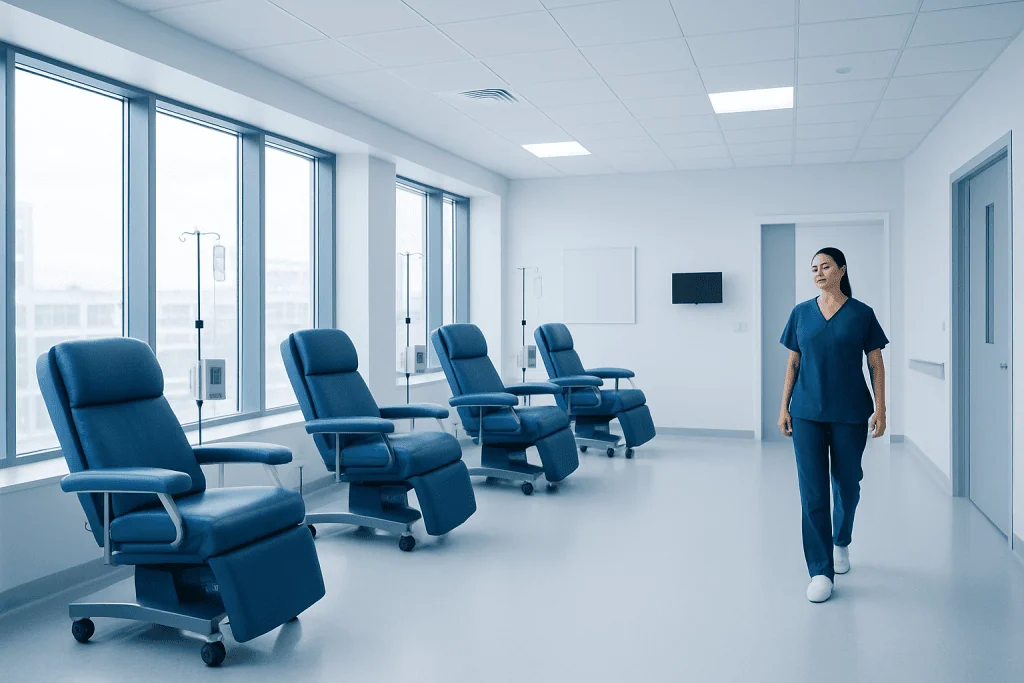
Sessions are commonly outpatient, meaning you attend a clinic and go home the same day. Some people who are very weak after major surgery or a long hospital stay may receive inpatient rehabilitation for a period. Most sessions last around 30 to 60 minutes, and the frequency ranges from once a week to several times a week, depending on the goals.
After: home program and follow-up
A key part of every program is a home exercise plan. You are taught how to perform exercises safely, how to monitor swelling or symptoms, and when to slow down. Progress is reviewed at intervals, and the plan is adjusted. When goals are met, many patients move to a self-managed routine with periodic check-ins.
Preparation for cancer rehabilitation
Preparation is usually simple, and your rehabilitation team will explain anything specific to your situation. Practical points often include:
- Bring a list of your cancer treatments, dates of surgery or radiation, current medications, and recent blood test results if you have them.
- Write down your goals and the activities that are hardest for you right now. This helps the team tailor the plan.
- Wear loose, comfortable clothing and supportive footwear to sessions.
- If you have a central line, drain, stoma, or recent wound, tell the therapist so exercises can be adapted.
- Eat a light meal and drink water before exercise sessions, unless told otherwise.
- If you are still receiving chemotherapy, ask your oncologist whether there are days in your cycle when activity should be lighter.
- For lymphedema treatment, avoid tight jewelry or clothing on the affected limb and keep the skin clean and moisturized; the therapist will check the skin at each visit.
Recovery and what to expect over time
Because cancer rehabilitation is a gradual process rather than an operation, “recovery” here means the pace at which function improves. This varies widely with the type of cancer, the treatments used, your age, and other health conditions. Some general patterns are worth knowing:
- First 1 to 2 weeks: many patients feel mildly tired or have some muscle soreness after early sessions. This usually settles as the body adapts.
- Weeks 2 to 6: people often notice small gains in stamina, easier walking, or improved shoulder movement. Lymphedema swelling typically begins to decrease during the intensive phase of decongestive therapy, which commonly lasts a few weeks.
- Weeks 6 to 12 and beyond: strength and endurance generally continue to build with regular practice. Cancer-related fatigue often improves over months rather than weeks. Nerve symptoms from chemotherapy may improve slowly, and in some cases only partially.
Aftercare focuses on continuing the home program, wearing any prescribed compression garments as directed, protecting the skin on a swollen limb, and keeping follow-up appointments. Progress is rarely a straight line; setbacks during further treatment cycles or illness are common and are not a sign of failure. Your doctor may recommend restarting or intensifying sessions when circumstances change.
Risks and side effects
Cancer rehabilitation is considered low risk when supervised by trained professionals, but no physical program is entirely free of side effects. Possible issues include:
- Temporary muscle soreness or fatigue after exercise, particularly at the start.
- Overexertion, which can worsen fatigue for a day or two if the intensity is increased too quickly.
- Falls or minor injury, especially in people with neuropathy, balance problems, or weakened bones. Programs are designed to minimize this, but the risk is not zero.
- Skin irritation from compression bandages or garments, or discomfort if a garment does not fit well.
- Bone injury in people with cancer that has spread to bone, if exercises are not appropriately modified; this is why imaging review and medical clearance matter.
- Bleeding or bruising during periods of low platelet counts.
- Emotional strain: confronting physical limits can be upsetting for some people, which is one reason psychological support is often part of the program.
Manual lymphatic drainage is gentle and generally well tolerated. It is avoided over areas of active skin infection, known blood clots, or uncontrolled heart failure, so it is important that your medical history is complete before it begins.
Results and outlook
Research on cancer rehabilitation has grown considerably. In general terms, the evidence supports several conclusions that are widely accepted by major cancer organizations:
- Regular, appropriately dosed exercise during and after cancer treatment is safe for most people and is associated with less fatigue, better physical function, and improved quality of life.
- Supervised physiotherapy after cancer treatment can improve shoulder movement after breast cancer surgery and reduce stiffness after head and neck treatment.
- Complete decongestive therapy is the standard first-line approach for lymphedema. It often reduces limb volume and symptoms, although lymphedema is usually a long-term condition that is managed rather than cured.
- Prehabilitation before major surgery may help people recover more quickly afterward, although how much benefit it provides varies between studies and patient groups.
- Exercise may help with some aspects of chemotherapy-related neuropathy, particularly balance, but nerve recovery itself is unpredictable.
Results depend heavily on consistency. People who continue their home program tend to keep their gains, while those who stop often lose some benefit. Rehabilitation does not change the outlook of the cancer itself, and no program can promise a specific outcome. What it aims to do is help you function as well as possible, whatever stage you are at.
Cost considerations
The cost of cancer rehabilitation varies widely, and it is best discussed directly with the hospital’s patient services and your insurer. Factors that generally influence the total include:
- Whether care is outpatient or requires an inpatient rehabilitation stay.
- The number and length of sessions, and how many different specialists are involved (for example, physiotherapy alone versus a combined team with occupational, speech, and psychological therapy).
- Lymphedema supplies such as bandages and custom-fitted compression garments, which usually need replacing over time.
- Any assistive devices, braces, or home equipment recommended.
- Follow-up assessments and repeat measurements over the months after the intensive phase.
- Whether the program is bundled with your cancer treatment or billed separately, and what portion your health insurance or national health system covers.
Frequently asked questions
When should cancer rehabilitation start?
Many specialists suggest that rehabilitation can begin as early as diagnosis, in the form of prehabilitation before surgery or chemotherapy, and continue through and after treatment. There is no single correct starting point; it depends on your treatment plan, your current strength, and medical clearance from your oncology team. It is also never too late to start, even years after treatment has ended.
Is physiotherapy after cancer treatment safe during chemotherapy?
For most people, gentle to moderate activity during chemotherapy is considered safe and is often encouraged. Exercise intensity is usually adjusted around infusion days and periods of low blood counts. Your therapist will typically check in on how you feel and may review recent blood results before sessions, and your oncologist should be aware of the program.
What cancer rehab exercises can I do at home?
Home programs are individual, but they commonly include walking, gentle stretching, light resistance exercises with bands, and balance practice such as standing on one foot near a support. The right exercises depend on your cancer type, surgery site, and any bone or nerve involvement, so it is safer to start with a program designed and demonstrated by a therapist rather than following generic online routines.
Can lymphedema treatment make the swelling go away completely?
Lymphedema treatment often reduces swelling and discomfort significantly, and early treatment tends to produce better control. However, lymphedema is usually a chronic condition because the underlying damage to the lymphatic system does not fully repair itself. Most people need ongoing self-care, including compression garments and skin protection, to keep swelling stable.
How is oncology rehabilitation different from regular physiotherapy?
Oncology rehabilitation uses many of the same methods as general physiotherapy but is adapted for the effects of cancer and its treatments. Therapists with this training understand issues such as low blood counts, radiation-related tissue changes, bone metastases, surgical drains, and lymphedema risk, and they coordinate closely with the oncology team. This context helps them set safe limits and realistic goals.
Does cancer rehabilitation help with fatigue and “chemo brain”?
Regular, paced physical activity is one of the better-supported approaches for cancer-related fatigue, and many patients report gradual improvement over weeks to months. For cognitive changes, rehabilitation may include memory strategies, attention training, and planning tools from occupational therapy or neuropsychology. Improvements are often modest and gradual, and results vary from person to person.
How long does a cancer rehabilitation program last?
There is no fixed length. Some people attend a few sessions to learn a home program, while others with lymphedema, major surgery, or neurological effects may need weeks or months of supervised therapy, followed by long-term self-management. Programs are reviewed regularly and adjusted as your treatment and recovery progress.
When to see a doctor
Consider asking your oncologist or family doctor for a referral to a rehabilitation specialist if you notice any of the following during or after cancer treatment:
- New or worsening swelling, heaviness, or tightness in an arm, leg, chest, or face, especially on the side of surgery or radiation.
- Fatigue that limits everyday tasks and does not improve with rest.
- Stiffness or pain that prevents you from raising your arm, turning your head, or opening your mouth fully.
- Numbness, tingling, or burning in your hands or feet, difficulty with buttons or handwriting, or unsteadiness when walking.
- Falls or a fear of falling.
- Difficulty swallowing, frequent coughing when eating, or changes in your voice.
- Trouble returning to work, driving, or caring for yourself or your family.
Some symptoms during a rehabilitation program require prompt or urgent medical attention rather than waiting for your next session:
- A swollen limb that becomes red, hot, painful, or develops a rash, or a fever with these changes: this may signal cellulitis (a skin infection) and usually needs same-day assessment.
- Sudden swelling and pain in one leg or arm, or new chest pain or shortness of breath: these could indicate a blood clot and are emergencies.
- Sudden severe bone pain, especially in the back, hip, or thigh, or pain after a minor fall.
- New weakness in the legs, loss of bladder or bowel control, or numbness around the groin, which can indicate pressure on the spinal cord and requires emergency care.
- Fainting, an irregular or racing heartbeat, or dizziness that does not settle with rest during exercise.
- Unusual bleeding or extensive bruising after activity.
- Fever, particularly if you are receiving chemotherapy, as this may indicate infection when the immune system is weakened.
Your rehabilitation team and oncology team share responsibility for your safety, so any new or worrying symptom is worth reporting, even if you are unsure whether it is related to your program.
Preparation
- Bring a summary of your cancer treatments, medications, and recent blood results, and write down the daily activities you find hardest. Wear comfortable clothing and supportive shoes, and tell the therapist about any wounds, drains, lines, or stomas. If you are still receiving chemotherapy, ask your oncologist whether exercise should be lighter on certain days.
Aftercare
- Continue the home exercise program as taught and increase intensity only as advised. Wear any prescribed compression garments, keep the skin on a swollen limb clean and protected, and attend follow-up reviews. Report new swelling, redness, fever, sudden pain, or unsteadiness promptly to your care team.
Medically reviewed by the Acıbadem International Medical Board — September 8, 2026
See our medical review board →
Update history
- PublishedSeptember 8, 2026
- Medical review approvedSeptember 8, 2026
- Last content updateSeptember 8, 2026
Doctors Performing This Treatment

Prof. Dr. Cihan Aksoy
Physical Medicine & Rehabilitation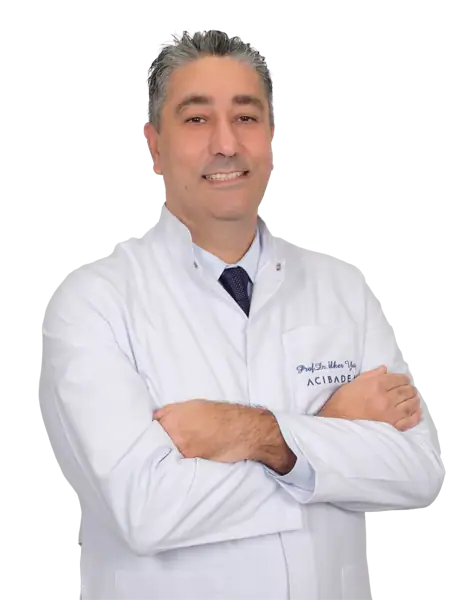
Prof. Dr. İlker Yağcı
Physical Medicine & Rehabilitation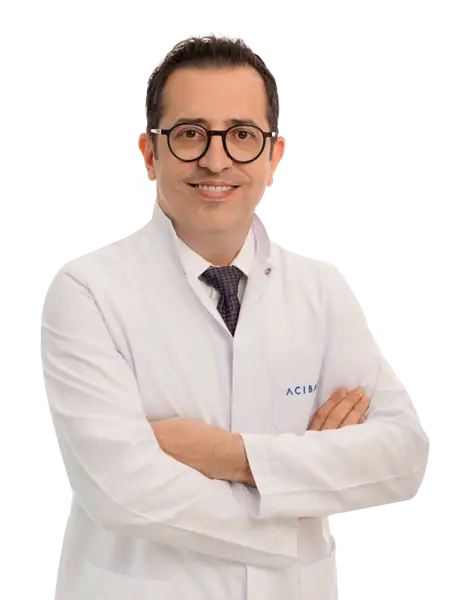
Prof. Dr. Ayhan Aşkın
Physical Medicine & Rehabilitation
Prof. Dr. Halil Koyuncu
Physical Medicine & Rehabilitation
Prof. Dr. Emel Özcan
Physical Medicine & Rehabilitation
Prof. Dr. Ece Aydoğ
Physical Medicine & Rehabilitation
Assoc. Prof. Dr. Gökşen Gökşenoğlu
Physical Medicine & Rehabilitation
Dr. Mukhtar Shahgaldıyev
Physical Medicine & Rehabilitation
Dr. Aynur Göksel
Physical Medicine & Rehabilitation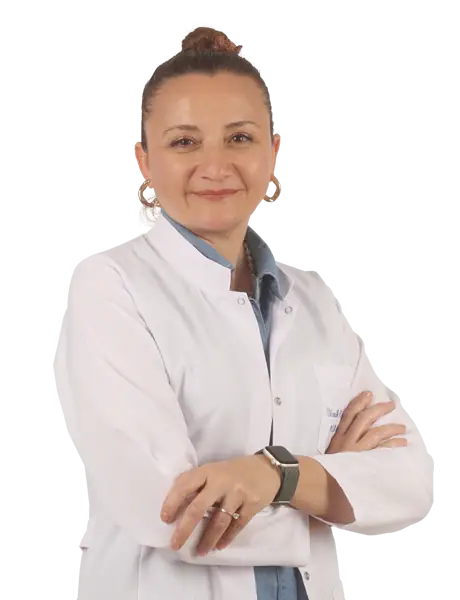
Dr. R.Şirin Atlığ
Physical Medicine & Rehabilitation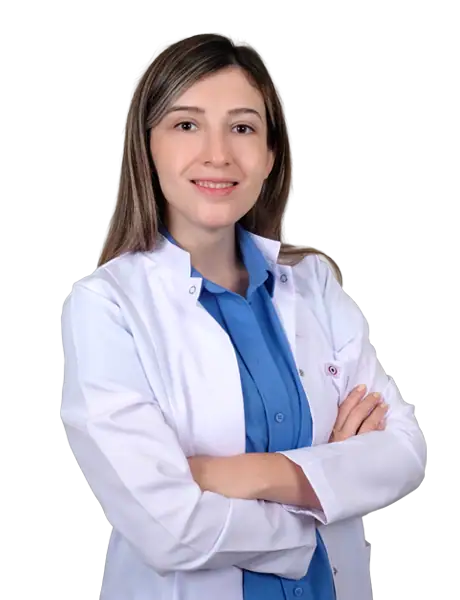
Dr. Nesrin Yılmaz Baıramov
Physical Medicine & Rehabilitation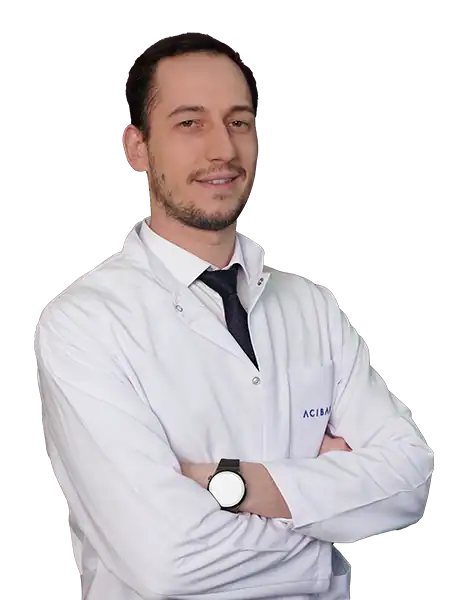
Dr. Ufuk Güngör
Physical Medicine & Rehabilitation
Dr. Sema Çetin
Physical Medicine & Rehabilitation
Fzt. Perihan Yıldız
Physical Medicine & Rehabilitation
Fzt. Serkan Başkurt
Physical Medicine & Rehabilitation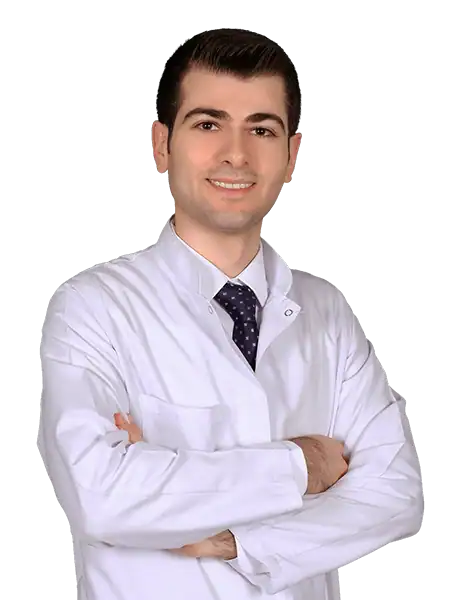
Fzt. Mert Vural
Physical Medicine & Rehabilitation
Fzt. Erdem Terzi
Physical Medicine & Rehabilitation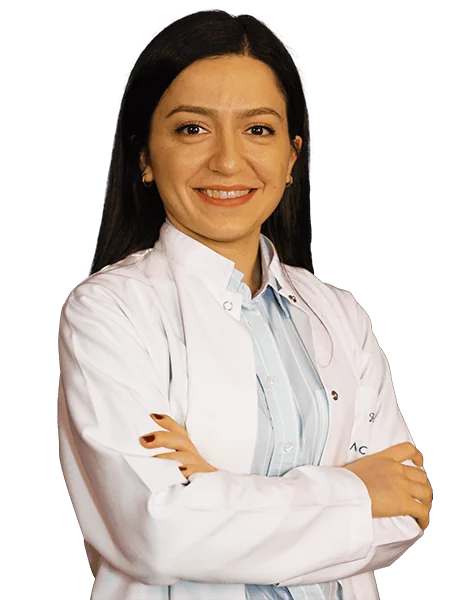
Fzt. Gizem Aydın
Physical Medicine & Rehabilitation
Fzt. Necla Aleyna Yiğit
Physical Medicine & Rehabilitation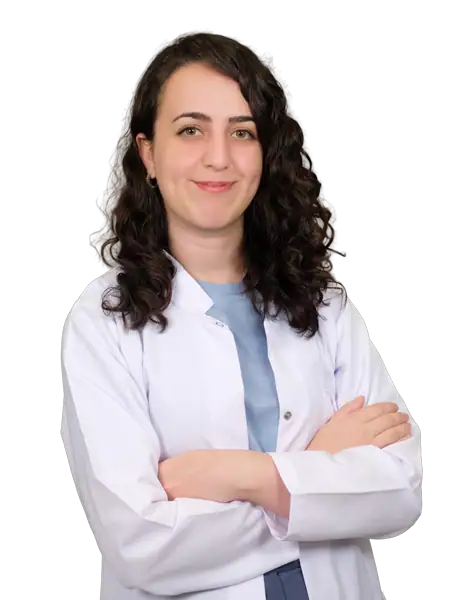
Fzt. Busenur Sezer
Physical Medicine & Rehabilitation
Fzt. Elif Tokgöz Nizam
Physical Medicine & Rehabilitation
Fzt. Yaren Yıldız
Physical Medicine & Rehabilitation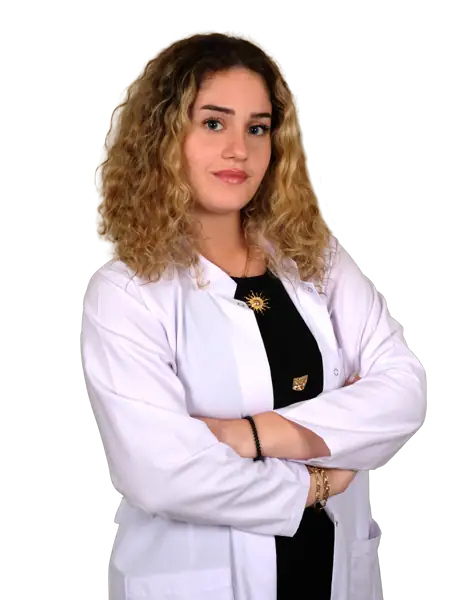
Fzt. Gizem Sevimli
Physical Medicine & Rehabilitation
Fzt. Ece Burçak Özuyguntaş
Physical Medicine & RehabilitationMedical Units
Available at These Hospitals