

Mommy Makeover: Combined Cosmetic Surgery After Pregnancy

A mommy makeover is not one fixed operation; it may combine procedures such as tummy tuck, breast lift, breast augmentation or reduction, and liposuction. The best candidates are generally healthy, close to a stable weight, finished with pregnancy or planning no near-term pregnancy, and no longer breastfeeding.
Key Takeaways
- A mommy makeover is not one fixed operation; it may combine procedures such as tummy tuck, breast lift, breast augmentation or reduction, and liposuction.
- The best candidates are generally healthy, close to a stable weight, finished with pregnancy or planning no near-term pregnancy, and no longer breastfeeding.
- Combining procedures can reduce the need for separate recoveries, but it also requires careful surgical planning and attention to anesthesia time, blood clot prevention, and wound healing.
- Recovery often takes several weeks, with temporary limits on lifting, exercise, driving, and childcare duties.
- A board-certified or appropriately qualified plastic surgeon should explain benefits, risks, alternatives, scarring, and expected results before surgery.
A mommy makeover is a personalized combination of cosmetic procedures designed to address body changes that can remain after pregnancy, childbirth, and breastfeeding. Careful timing, realistic expectations, and evaluation by a qualified plastic surgeon are essential for safe planning and recovery.
Overview
A mommy makeover is a term used for a customized set of cosmetic surgeries that aim to improve body areas commonly affected by pregnancy, weight changes, and breastfeeding. It often focuses on the abdomen and breasts, but it may also include body contouring of the waist, hips, thighs, arms, or other areas. The goal is not to create a standard appearance, but to help restore body proportions in a way that fits the person’s anatomy and preferences.
Pregnancy can stretch abdominal skin and muscles, change breast volume and shape, and alter fat distribution. Some changes improve with time, exercise, skin care, and weight stabilization, while others, such as separated abdominal muscles or significant loose skin, may not fully respond to lifestyle measures alone. Cosmetic surgery may be considered when these concerns affect comfort, clothing fit, or body confidence.
Because a mommy makeover combines procedures, it requires a thoughtful medical assessment. The surgeon considers general health, previous surgeries, body mass index, smoking status, medications, plans for future pregnancy, and the ability to rest during recovery. A safe plan may involve one combined operation or staged surgeries performed at different times.
Common Procedures Included

A mommy makeover is individualized, so the combination of procedures varies. One of the most common components is abdominoplasty, often called a tummy tuck. This procedure removes excess lower abdominal skin and may tighten stretched abdominal wall muscles, especially when diastasis recti is present. It can improve abdominal contour but is not a weight-loss operation.
Breast procedures are also frequently included. A breast lift can raise and reshape breasts that have drooped after pregnancy or breastfeeding. Breast augmentation may restore lost volume using implants or, in selected cases, fat transfer. Breast reduction may be appropriate when breasts remain heavy, uncomfortable, or out of proportion after pregnancy-related changes.
Liposuction may be added to refine areas of stubborn fat, such as the flanks, abdomen, thighs, upper arms, or back. It is most effective for contouring rather than treating loose skin. In some patients, liposuction is combined with skin tightening surgery; in others, liposuction alone may be enough for specific areas.
Other options may include scar revision, correction of a cesarean section scar, or limited body contouring procedures. Non-surgical treatments, such as skin tightening devices or injectables, may be discussed for patients who prefer less invasive options, although they cannot achieve the same changes as surgery in cases of marked skin laxity or muscle separation.
Who May Be a Good Candidate?

Good candidates are typically adults in stable overall health who have recovered from pregnancy and childbirth. They should have realistic expectations and understand that surgery can improve contour but cannot stop natural aging, weight fluctuation, or future body changes. A stable weight is important because significant weight gain or loss after surgery can affect the result.
Timing matters. Many surgeons recommend waiting until breastfeeding has fully stopped and breast size has stabilized before planning breast surgery. It is also helpful to wait until the body has recovered from childbirth and the patient has enough support for childcare during the early recovery period. People planning another pregnancy soon may be advised to postpone abdominal and breast surgery, because another pregnancy can stretch repaired tissues and change the outcome.
A careful health review is essential. Conditions such as uncontrolled diabetes, active smoking or nicotine use, untreated anemia, clotting disorders, or certain heart and lung problems may increase surgical risk. These factors do not always rule out surgery, but they may need treatment or optimization first.
- Close to a stable, healthy weight
- No active nicotine use and willing to stop as advised
- Finished breastfeeding and breast size is stable
- Able to arrange help with children, housework, and transportation
- Understands scars, recovery time, and possible need for revisions
Consultation and Surgical Planning
The consultation is the foundation of a safe mommy makeover. The plastic surgeon reviews medical history, pregnancies, prior abdominal or breast surgeries, allergies, medications, supplements, and family or personal history of blood clots. A physical examination helps assess skin quality, abdominal muscle separation, hernias, breast position, fat distribution, and scar patterns.
Patients are encouraged to explain their priorities clearly. For example, one person may be most concerned about loose abdominal skin, while another may want breast reshaping or improved waist contour. The surgeon can then recommend which procedures are most likely to address those goals and whether they can be performed together safely.
Planning also includes discussion of anesthesia, operating time, incision locations, expected scars, recovery restrictions, and possible risks. Before-and-after photographs of similar body types may help patients understand realistic outcomes, but they should not be viewed as guarantees. If implants are considered, the consultation should cover implant type, size, placement, long-term monitoring, and the possibility of future implant-related surgery.
Preoperative preparation may include blood tests, imaging when appropriate, medication adjustments, stopping nicotine, and avoiding certain supplements or medicines that can increase bleeding risk. Patients should follow their surgeon’s instructions closely and ask questions until they feel informed and comfortable with the plan.
Surgery and Recovery
A mommy makeover is usually performed under general anesthesia in an accredited surgical facility or hospital. Depending on the procedures included, surgery may take several hours. Some patients return home the same day, while others may require overnight observation, especially if more extensive body contouring is performed or if the surgeon recommends additional monitoring.
After surgery, temporary swelling, bruising, tightness, and soreness are expected. Drains may be placed after a tummy tuck or other procedures to remove fluid while tissues heal. Compression garments or surgical bras may be recommended to support the treated areas. Pain control, wound care, and early gentle walking are important parts of recovery.
Most patients need help during the first days and should avoid lifting children, carrying heavy bags, driving while taking strong pain medicines, or strenuous activity until cleared by the surgeon. Light walking is often encouraged to support circulation, but exercise and abdominal strain are reintroduced gradually. Recovery varies based on the number of procedures, individual healing, and the type of work or childcare responsibilities a person has.
Visible improvements may appear early, but final results take time. Swelling can last for weeks to months, scars mature gradually, and breast or abdominal tissues settle as healing progresses. Keeping follow-up appointments helps the surgical team monitor healing and address concerns promptly.
Benefits, Limits, and Possible Risks
The main benefit of a mommy makeover is that multiple concerns can be addressed in a coordinated way. For selected patients, combining procedures may mean one anesthesia event and one recovery period rather than several separate operations. It may also create more balanced results, such as improving the abdomen and breast shape together.
However, combined surgery is not suitable for everyone. Longer operations can increase the need for careful risk management, particularly related to blood clots, fluid shifts, anesthesia, and wound healing. In some cases, the safest approach is to stage procedures over time. This is a normal recommendation and does not mean a patient is not a candidate for cosmetic improvement.
As with any surgery, mommy makeover procedures carry possible risks. These can include bleeding, infection, fluid collection, delayed wound healing, changes in sensation, visible or widened scars, asymmetry, contour irregularities, blood clots, anesthesia-related complications, and dissatisfaction with the cosmetic result. Breast implants, when used, have additional considerations such as implant rupture, capsular contracture, implant position changes, and future replacement or removal.
Risk can be reduced but not eliminated. Choosing a qualified surgeon, using an accredited facility, following instructions about nicotine and medications, maintaining good nutrition, and reporting unusual symptoms promptly all support safer recovery. Patients should receive clear written instructions about what is expected and what should be checked urgently.
Prevention, Self-Care, and When to See a Doctor
Healthy lifestyle habits can improve comfort, healing, and long-term results. Maintaining a stable weight, building core strength safely after medical clearance, eating a balanced diet with adequate protein, and caring for the skin may help some post-pregnancy changes. Pelvic floor physical therapy or core rehabilitation may also benefit patients with weakness, posture changes, or mild diastasis, and may be recommended before considering surgery.
After surgery, self-care includes following wound care instructions, wearing garments as advised, walking gently, staying hydrated, avoiding nicotine, and attending follow-up visits. Patients should not rush activity, even if they feel well early in recovery. Lifting restrictions are especially important after abdominal muscle repair because strain may affect healing.
A doctor should be contacted promptly if there is increasing pain, fever, spreading redness, unusual drainage, sudden swelling, chest pain, shortness of breath, fainting, or calf pain and swelling. These symptoms do not always mean a serious complication, but they should be evaluated quickly. For non-urgent concerns such as scars, swelling, or return to exercise, the surgeon can provide individualized guidance.
People considering a mommy makeover should consult an experienced plastic surgeon for a personalized assessment. Acibadem International’s multidisciplinary specialists and JCI-accredited hospitals diagnose and treat international patients seeking aesthetic and reconstructive care, including post-pregnancy body contouring, with individualized planning and follow-up.
Frequently asked questions
What is included in a mommy makeover?
A mommy makeover is a customized combination of procedures rather than a single standard operation. It often includes a tummy tuck, breast lift, breast augmentation or reduction, and liposuction. The exact plan depends on the patient’s anatomy, goals, health status, and what can be performed safely.
How long should someone wait after pregnancy before having a mommy makeover?
Timing should be individualized, but patients are generally advised to wait until they have fully recovered from childbirth, reached a stable weight, and stopped breastfeeding. Breast size and shape should be stable before breast surgery is planned. Patients who expect another pregnancy soon may be advised to postpone surgery.
Can a mommy makeover remove stretch marks?
A tummy tuck can remove some stretch marks if they are located on the skin that is surgically removed, usually below the belly button. Stretch marks outside that area may remain, although the overall skin contour may improve. No surgery can guarantee complete removal of stretch marks.
Is it safe to combine several cosmetic procedures?
Combining procedures can be appropriate for carefully selected patients when performed by a qualified surgeon in an accredited facility. Safety depends on overall health, procedure length, anesthesia planning, and prevention of complications such as blood clots. In some cases, staging procedures is the safer option.
Will a tummy tuck repair separated abdominal muscles?
A tummy tuck can often include repair of diastasis recti, which is separation of the abdominal muscles that may occur after pregnancy. This repair can improve abdominal firmness and contour, but it is not a substitute for weight loss or treatment of certain hernias. If a hernia is suspected, additional evaluation may be needed.
What is recovery like after a mommy makeover?
Recovery usually involves several weeks of reduced activity, with temporary limits on lifting, driving, exercise, and childcare tasks. Swelling, bruising, tightness, and fatigue are common early on. The surgeon provides a step-by-step plan for wound care, garments, medications, activity, and follow-up visits.
Will the results be permanent?
Results can be long-lasting, especially when weight remains stable and the patient follows healthy habits. However, aging, gravity, weight changes, and future pregnancy can change the appearance over time. Some patients may choose minor revisions or additional procedures later, but these are not always necessary.
References
- American Society of Plastic Surgeons
- International Society of Aesthetic Plastic Surgery
- American Society for Aesthetic Plastic Surgery
- Royal College of Surgeons of England
- U.S. Food and Drug Administration
This article is for general information only and is not a substitute for professional medical advice. Please consult a qualified doctor about your individual situation.
Mommy Makeover in Turkey — costs, top hospitals & a free quote
JCI-accredited · board-certified surgeons · reply within 24h
Add us as a Preferred Source to see more of our trusted health content across Google Search, AI Overviews and Discover.
Check your numbers in seconds
BMI, calories, due date, blood pressure and 30+ more clinical calculators — free, instant, doctor-reviewed ranges.

Related Treatments
Related Conditions
More from the Health Library



Related Specialists

Prof. Dr. Şükrü Yazar
Aesthetic Plastic & Reconstructive Surgery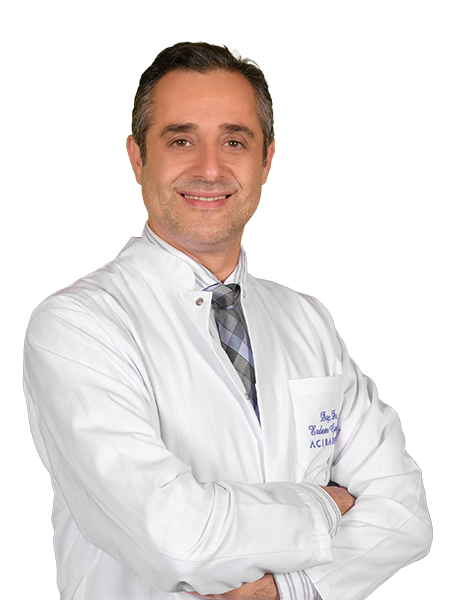
Assoc. Prof. Dr. Erdem Güven (m)
Aesthetic Plastic & Reconstructive Surgery
Prof. Dr. Hakan Ağır
Aesthetic Plastic & Reconstructive Surgery
Prof. Dr. Bülent Saçak
Aesthetic Plastic & Reconstructive Surgery