

Breast Implant Removal: Reasons, Capsulectomy, and Revision Choices

Breast implant removal may be chosen because of implant rupture, capsular contracture, pain, changes in breast shape, lifestyle preferences, or concerns about long-term implants. Capsulectomy means removing part or all of the scar tissue capsule that naturally forms around an implant; it is not required in every case.
Key Takeaways
- Breast implant removal may be chosen because of implant rupture, capsular contracture, pain, changes in breast shape, lifestyle preferences, or concerns about long-term implants.
- Capsulectomy means removing part or all of the scar tissue capsule that naturally forms around an implant; it is not required in every case.
- Revision choices may include implant replacement, a breast lift, fat grafting, or removal without replacement, depending on anatomy and goals.
- A careful consultation, physical examination, and appropriate imaging help guide safe surgical planning.
- Recovery varies by procedure type, especially if capsulectomy, lift, or reconstruction is performed at the same time.
Breast implant removal, also called explant surgery, is a planned procedure to remove saline or silicone breast implants for medical, cosmetic, or personal reasons. Some patients also need capsulectomy, implant replacement, fat grafting, or a breast lift to achieve a safe and balanced result.
Overview
Breast implant removal is a surgical procedure to take out breast implants that were previously placed for cosmetic breast augmentation or breast reconstruction. It is often called explant surgery. Some patients choose removal because their preferences have changed over time, while others need surgery because of implant-related concerns such as rupture, hardening of scar tissue, discomfort, or changes in breast appearance.
During breast implant removal, the surgeon may remove only the implant or may also remove some or all of the surrounding capsule. The capsule is the layer of scar tissue the body naturally forms around any implanted medical device. In many people, this capsule is soft and harmless; in others, it may become thick, tight, calcified, painful, or distorted.
There is no single best approach for every patient. A safe plan depends on the reason for removal, implant type, implant position, breast tissue quality, skin elasticity, prior surgeries, general health, and the patient’s expectations. The goal is to address symptoms or concerns while preserving breast health, comfort, and a natural-looking contour whenever possible.
Common Reasons for Breast Implant Removal
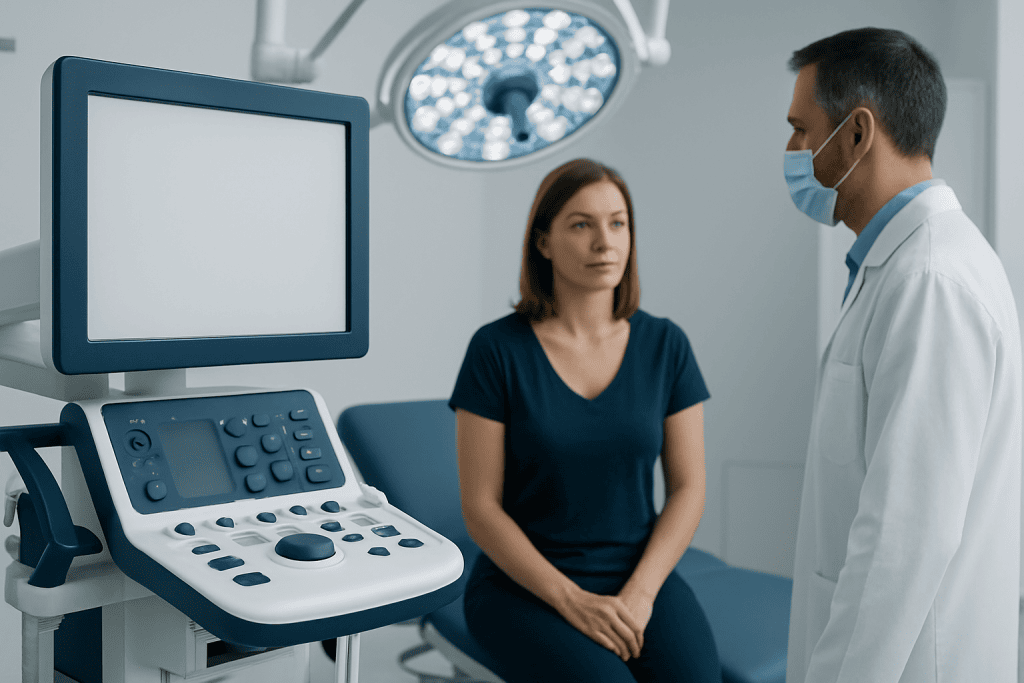
Patients seek breast implant removal for many valid reasons. Some reasons are medical, such as implant rupture, capsular contracture, infection, implant malposition, or persistent pain. Others are personal, such as wishing for a smaller breast size, preferring a more athletic lifestyle, or no longer wanting implants as part of body image or identity.
Breast implants are not lifetime devices. Although many implants remain in place for years without causing problems, they may eventually require monitoring, replacement, or removal. Changes can occur because of aging, pregnancy, breastfeeding, weight fluctuation, gravity, trauma, or the normal wear of the implant shell.
Common reasons for explant surgery include:
- Capsular contracture: tightening or hardening of the capsule around the implant, sometimes causing firmness, pain, or distortion.
- Rupture or leakage: rupture of a saline implant is usually noticed quickly as deflation; silicone implant rupture may be silent and detected by imaging.
- Implant displacement: implants may move too high, too low, outward, or toward the center.
- Size or lifestyle preference: a patient may prefer smaller, lighter breasts or no implants.
- Breast changes: sagging, asymmetry, thinning tissue, or visible rippling may develop over time.
- Health concerns: some patients report systemic symptoms they believe may be related to implants and want removal after discussion with a qualified doctor.
What Is Capsulectomy?

Capsulectomy is the surgical removal of the capsule, the scar tissue layer surrounding a breast implant. The capsule is a normal response to an implant and does not automatically mean there is a problem. In many straightforward implant removals, the capsule may be left partially or completely in place if it is thin, soft, and not causing symptoms.
There are different types of capsule management. A partial capsulectomy removes selected parts of the capsule. A total capsulectomy removes the entire capsule, when safely possible. An en bloc capsulectomy means the implant and capsule are removed together as one unit without opening the capsule; this is typically reserved for specific medical indications and is not necessary or feasible for every patient.
Capsulectomy may be recommended when the capsule is thick, painful, calcified, infected, ruptured with silicone gel, distorted, or suspicious on imaging or examination. It may also be considered in some revision cases to improve shape or create a cleaner pocket for new implants. However, capsulectomy can add operative time and may increase risks such as bleeding, tissue injury, fluid collection, or changes in chest wall comfort, so the decision should be individualized.
Diagnosis and Preoperative Assessment
Before breast implant removal, the patient should have a detailed consultation with a board-qualified plastic surgeon or breast specialist. The consultation usually includes medical history, prior operative records if available, implant details, symptoms, physical examination, and discussion of goals. The surgeon assesses breast skin, nipple position, implant placement, scar location, tissue thickness, asymmetry, and the quality of the implant pocket.
Imaging may be recommended depending on age, symptoms, implant type, and screening history. Ultrasound, mammography, or breast MRI can help evaluate implant integrity, breast tissue, fluid collections, or areas requiring further assessment. Patients should also remain up to date with routine breast cancer screening according to their doctor’s advice and national guidelines.
Important topics to discuss before surgery include:
- Whether the implants will be removed only or replaced.
- Whether partial, total, or en bloc capsulectomy is appropriate.
- Whether a breast lift, fat grafting, or other revision procedure is advisable.
- Expected breast size, shape, scarring, and possible asymmetry after surgery.
- Recovery time, activity restrictions, anesthesia, and follow-up schedule.
- Whether removed tissue or capsule should be sent for pathology evaluation.
Treatment Options and Revision Choices
Breast implant removal can be performed as a standalone procedure or combined with other breast revision options. The simplest approach is implant removal without replacement. This may be suitable for patients who have enough natural breast tissue, good skin elasticity, and realistic expectations about reduced volume and possible looseness after implants are removed.
Some patients choose implant replacement, also known as implant exchange. This may involve changing implant size, shape, surface, or position. Replacement may be appropriate when the patient still wants breast volume but needs a ruptured, aged, displaced, or uncomfortable implant addressed. In some cases, the surgeon may adjust the pocket, remove abnormal capsule tissue, or use supportive techniques to improve implant position.
A breast lift, or mastopexy, may be recommended when removal leaves excess skin, drooping, or a low nipple position. A lift reshapes the breast and repositions the nipple-areola complex but does not add significant volume. Fat grafting may also be considered for selected patients; it uses the patient’s own fat, usually taken by liposuction from another area, to improve contour or add modest volume. Fat grafting may require more than one session and is not a direct substitute for large implants.
For patients who had implants after breast cancer surgery or risk-reducing mastectomy, removal may be part of reconstructive revision. Options can include implant exchange, conversion to autologous tissue reconstruction, or other specialized techniques. These decisions are best made with a reconstructive plastic surgeon and, when relevant, a breast surgeon or oncology team.
Recovery and Aftercare
Recovery after breast implant removal depends on the extent of surgery. Removal alone is usually less involved than removal with total capsulectomy, breast lift, implant exchange, or reconstruction. Patients commonly experience temporary swelling, bruising, tightness, and mild to moderate discomfort, which are managed with the care plan provided by the surgical team.
A supportive surgical bra may be recommended, and drains may be used in some cases, especially after capsulectomy or larger revisions. Patients are usually advised to avoid heavy lifting, strenuous exercise, and upper-body strain during the early healing period. Walking is often encouraged soon after surgery to support circulation, but activity should increase gradually and only as approved by the surgeon.
Scars continue to mature over many months. Breast shape also evolves as swelling improves and tissues settle. It is normal for the breasts to look flatter, smaller, or different from their final appearance in the early weeks. Follow-up appointments are important so the surgeon can monitor healing, review pathology results if tissue was analyzed, and guide safe return to daily activities, travel, exercise, and work.
Risks, Safety, and Realistic Expectations
Breast implant removal is generally safe when performed by an appropriately trained surgeon in a properly equipped medical setting, but all surgery carries risks. Possible risks include bleeding, infection, fluid collection, delayed wound healing, scarring, changes in nipple or breast sensation, asymmetry, contour irregularities, and the need for additional surgery. More complex procedures, such as capsulectomy near the ribs or chest muscles, may have additional technical considerations.
Patients should have realistic expectations about breast appearance after implant removal. The final shape depends on how much natural tissue remains, how much the skin has stretched, whether the implant was above or below the muscle, and whether a lift or fat grafting is performed. Some patients are pleased with a smaller, softer, more natural look, while others may need staged procedures to reach their goals.
Patients should also discuss implant-related conditions with their doctor. Breast implant-associated anaplastic large cell lymphoma, often shortened to BIA-ALCL, is a rare immune system cancer associated mainly with certain textured implants. Symptoms such as late swelling, a new fluid collection, a lump, or breast asymmetry years after implantation require medical evaluation. Breast implant-associated squamous cell carcinoma and other capsule-related malignancies have also been reported very rarely; persistent or unusual symptoms should always be assessed rather than ignored.
When to See a Doctor
A patient with breast implants should seek medical evaluation if there is new breast pain, swelling, redness, hardening, sudden size change, implant deflation, a lump, skin changes, fluid around the implant, fever, or a change in breast shape that is concerning. Medical review is also appropriate when implants are old, when screening is overdue, or when a patient is considering removal for personal or health-related reasons.
Urgent care may be needed if symptoms suggest infection, significant bleeding, sudden severe pain, or rapidly increasing swelling after surgery. Otherwise, a planned consultation allows time to review options carefully and choose the safest approach. Patients should bring implant cards, previous surgical notes, imaging reports, and a list of symptoms or questions if available.
International patients considering breast implant removal or revision can benefit from coordinated assessment, imaging, surgery, and follow-up planning. Acibadem International’s multidisciplinary specialists and JCI-accredited hospitals diagnose and treat breast implant concerns for international patients, including explant surgery, capsulectomy, and revision procedures when appropriate.
Frequently asked questions
Is breast implant removal always medically necessary?
No. Some patients remove implants for medical reasons, such as rupture or capsular contracture, while others choose removal because of personal preference, lifestyle changes, or cosmetic goals. A consultation helps determine whether removal is recommended, optional, or part of a broader revision plan.
Does every patient need a capsulectomy during implant removal?
Not every patient needs capsulectomy. If the capsule is thin, soft, and not causing symptoms, it may be safe to leave some or all of it in place. Capsulectomy is more likely to be considered when the capsule is painful, thick, calcified, infected, associated with rupture, or medically suspicious.
What will breasts look like after implant removal?
Appearance varies from person to person. Breasts may look smaller, softer, flatter, or looser, depending on natural breast tissue, skin elasticity, implant size, and the length of time implants were in place. A breast lift, fat grafting, or implant exchange may be discussed if shape or volume correction is desired.
Can silicone implant rupture be detected without symptoms?
Silicone implant rupture can sometimes be silent, meaning there may be no obvious change in breast size or shape. Imaging such as ultrasound or MRI may be used when rupture is suspected or when routine implant surveillance is recommended. A doctor can advise which imaging is appropriate.
Is en bloc capsulectomy the best option for everyone?
No. En bloc capsulectomy has specific uses, especially when certain capsule-related disease processes are suspected, but it is not required or technically appropriate for every patient. The safest surgical approach depends on anatomy, implant position, capsule condition, symptoms, and overall risk.
How long does recovery take after explant surgery?
Recovery time depends on whether the procedure includes implant removal only or additional surgery such as capsulectomy, breast lift, fat grafting, or implant replacement. Many patients resume light daily activities relatively soon, but strenuous exercise and heavy lifting are restricted for longer. The surgeon provides individualized guidance based on healing progress.
Can breast implants be replaced at the same operation?
Yes, implant exchange can often be performed during the same operation if the tissues are healthy and the surgical plan is appropriate. In some cases, staged surgery may be safer, especially when there is infection, significant tissue thinning, complex capsule problems, or a need to let tissues heal before further revision.
References
- U.S. Food and Drug Administration
- American Society of Plastic Surgeons
- The Aesthetic Society
- National Comprehensive Cancer Network
- World Health Organization
This article is for general information only and is not a substitute for professional medical advice. Please consult a qualified doctor about your individual situation.
Explore treatments in Turkey — costs, top hospitals & a free quote
JCI-accredited · board-certified surgeons · reply within 24h
Add us as a Preferred Source to see more of our trusted health content across Google Search, AI Overviews and Discover.

Related Treatments
Related Conditions
More from the Health Library



Related Specialists

Prof. Dr. Şükrü Yazar
Aesthetic Plastic & Reconstructive Surgery
Assoc. Prof. Dr. Erdem Güven (m)
Aesthetic Plastic & Reconstructive Surgery
Prof. Dr. Hakan Ağır
Aesthetic Plastic & Reconstructive Surgery
Prof. Dr. Bülent Saçak
Aesthetic Plastic & Reconstructive Surgery