

Accessory Breast Tissue: Symptoms, Diagnosis, and Treatment Choices

Accessory breast tissue is congenital extra breast tissue, most often found in the armpit. Symptoms may worsen with puberty, menstrual cycles, pregnancy, or breastfeeding.
Key Takeaways
- Accessory breast tissue is congenital extra breast tissue, most often found in the armpit.
- Symptoms may worsen with puberty, menstrual cycles, pregnancy, or breastfeeding.
- Diagnosis is usually based on a physical exam and may include imaging to rule out other causes of a lump.
- Treatment depends on symptoms and preferences, ranging from observation to surgical removal.
- Any new, painful, rapidly changing, or suspicious lump should be assessed by a qualified doctor.
Accessory breast tissue is extra breast tissue that develops along the milk line, most often near the armpit or chest wall. It is usually harmless, but it can become tender, enlarge with hormones, or cause cosmetic or functional concerns.
Overview
Accessory breast tissue is extra breast tissue that forms outside the usual breast area. It develops along the embryologic “milk line,” which extends from the armpit to the groin, and it is most often noticed in the underarm region. Some people have only a small, soft area of tissue, while others have a more obvious lump that becomes more noticeable over time.
It is a benign condition in many cases, but it can be uncomfortable or cosmetically bothersome. Because it may behave like normal breast tissue, it can become tender or swell during hormonal changes such as puberty, menstruation, pregnancy, or breastfeeding. When appropriate, specialists may discuss accessory breast removal as a treatment option.
Accessory breast tissue is different from a simple fat pad or swollen lymph node, although it may initially look similar. For that reason, a doctor may recommend a careful exam and, if needed, imaging tests to confirm what the lump represents and to guide the best next steps.
Symptoms
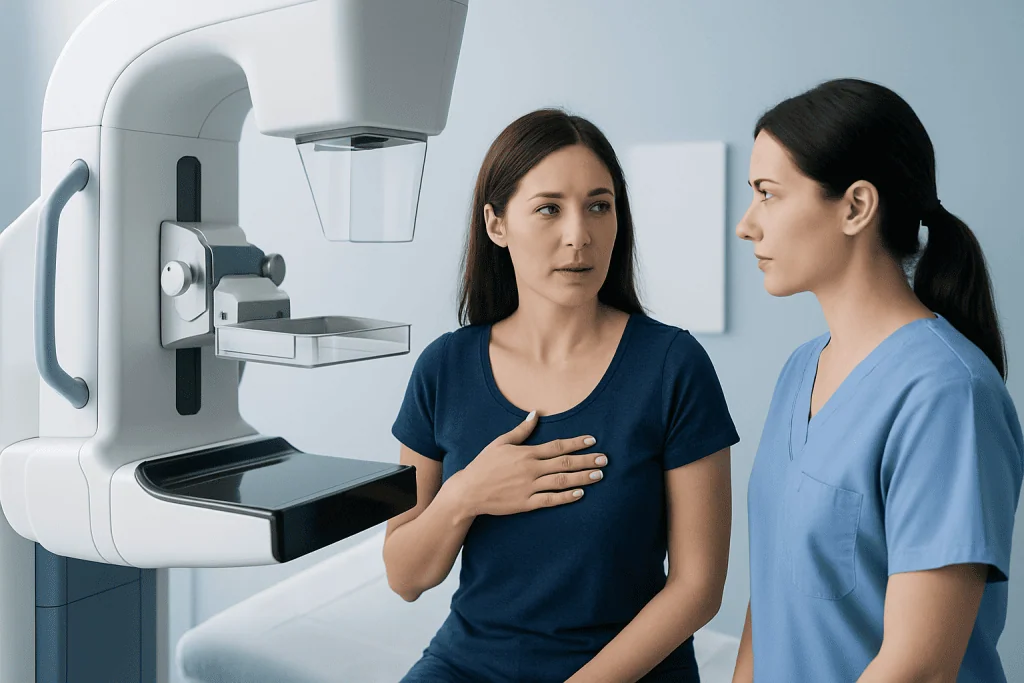
The most common sign is a soft or firm lump near the armpit, along the chest wall, or less commonly on the breast or other areas of the milk line. The tissue may be present on one side or both sides. In some people, it is small and only noticed when clothing rubs against it or when the area is examined closely.
Symptoms often change with hormones. The area may become swollen, tender, heavy, or painful around periods, during pregnancy, or while breastfeeding. Some people notice skin irritation, limited arm movement if the tissue is bulky, or distress about appearance.
- Visible or palpable lump near the armpit or chest
- Tenderness or discomfort with hormonal changes
- Swelling that seems to fluctuate over time
- Cosmetic concern or difficulty with clothing fit
Rarely, accessory breast tissue can develop the same problems as normal breast tissue, including benign lumps or, uncommonly, cancer. This is one reason why persistent or changing symptoms should not be ignored, even when the area seems longstanding.
Causes & Risk Factors
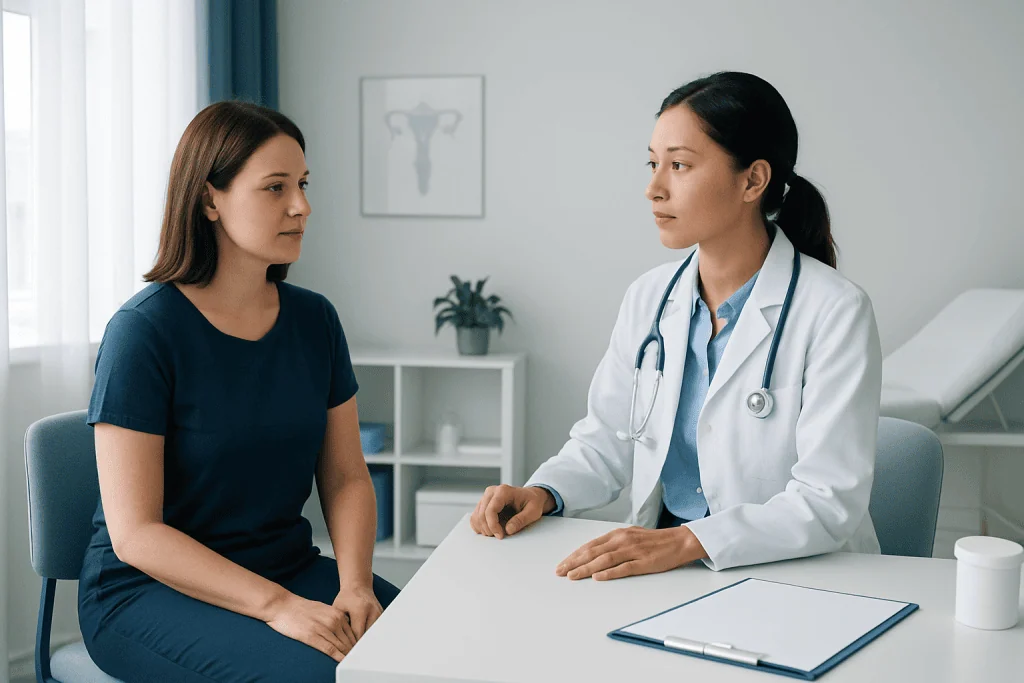
Accessory breast tissue is usually congenital, meaning it is present from birth, although it may not be noticeable until later in life. It results from incomplete regression of the milk line during fetal development. It is not caused by injury, poor hygiene, or anything the person did.
Anyone can have accessory breast tissue, but it may be more noticeable during periods of hormonal change. Puberty, pregnancy, breastfeeding, and weight changes can make the tissue enlarge or become sensitive. A family history does not always play a clear role, although some people may have a tendency to notice extra breast tissue more readily.
Risk is less about developing the tissue and more about when it becomes symptomatic. The presence of glandular tissue, skin changes, or a nipple-like structure may make the area more noticeable and more likely to cause concerns during hormonal shifts.
Diagnosis
Diagnosis usually begins with a medical history and physical examination. A clinician looks at the size, location, texture, tenderness, and mobility of the tissue, and asks whether the area changes with menstrual cycles, pregnancy, or breastfeeding. The main goal is to distinguish accessory breast tissue from other causes of a lump, such as a lipoma, cyst, lymph node, or skin lesion.
Imaging may be used when the exam is not enough to confirm the diagnosis or when the lump has changed. Ultrasound is often helpful for evaluating soft tissue and nearby structures, while mammography or other imaging may be used depending on age, symptoms, and the exact location. In selected cases, a biopsy may be advised if the appearance is not typical or if a suspicious feature needs clarification.
A careful diagnostic approach matters because accessory breast tissue can respond to hormones just like normal breast tissue. A clear diagnosis helps guide whether simple observation is enough or whether treatment, such as aesthetic breast surgery, is the most appropriate option for comfort or appearance.
Treatment Options
Not every case needs treatment. If the tissue is small, stable, and not causing discomfort, a doctor may recommend observation. For people who mainly want reassurance and monitoring, this is often a reasonable approach. If symptoms are present or the appearance is bothersome, treatment can be individualized.
Surgical removal is the most definitive option when accessory breast tissue causes pain, swelling, recurrent irritation, or cosmetic concern. The technique depends on the amount of tissue, the amount of skin involved, and whether the tissue contains mainly glandular tissue, fat, or both. In some cases, a combined approach with liposuction and excision may be considered for contouring, while more prominent tissue may require direct removal.
When the tissue is part of a broader breast contour concern, a surgeon may also discuss other breast procedures such as breast reduction or breast lift (mastopexy), depending on the overall anatomy and goals. The right treatment depends on symptoms, physical findings, and the person’s preferences after a full consultation.
As with any surgery, the team will review expected recovery, scar placement, and the possibility of temporary swelling, numbness, or bruising. A careful preoperative plan helps make the result more predictable and supports a smoother recovery.
Prevention & Self-care
Accessory breast tissue itself cannot usually be prevented because it develops before birth. However, people can reduce discomfort by choosing supportive clothing, avoiding repeated friction over the area, and noting whether symptoms change with hormonal cycles. Keeping track of tenderness, swelling, or skin changes can help a clinician understand the pattern.
If the area becomes sore, a cool compress may offer temporary relief, and over-the-counter pain relief may be appropriate for some people if a doctor says it is safe for them. Gentle self-awareness is helpful, but self-diagnosis is not enough when a lump is new, changing, or uncertain.
It is also wise to maintain routine breast awareness. Because accessory breast tissue can behave like normal breast tissue, any new firmness, rapid enlargement, persistent pain, redness, or skin change should be assessed. Early evaluation is especially important if there is concern for a separate breast condition in the same region.
When to See a Doctor
A doctor should evaluate any lump that is new, enlarging, painful, or not clearly understood. This is especially important if the area is firm, fixed, associated with skin dimpling or redness, or appears different from previous exams. Even when accessory breast tissue is suspected, a professional assessment helps confirm the diagnosis and rule out other conditions.
Medical advice is also appropriate if the tissue interferes with movement, causes recurrent irritation, or becomes more noticeable during pregnancy or breastfeeding. People who are concerned about appearance may also benefit from a consultation, since treatment can often be planned around both function and contour.
For international patients, Acibadem International’s multidisciplinary specialists and JCI-accredited hospitals can help diagnose and treat accessory breast tissue in a coordinated setting. The key is to seek an experienced clinician who can tailor evaluation and treatment to the individual’s anatomy and goals.
Frequently asked questions
What is accessory breast tissue?
Accessory breast tissue is extra breast tissue that develops outside the normal breast area, usually along the milk line. It is often found in the armpit and may look like a small lump or fullness. In many people it is harmless, but it can still cause symptoms or cosmetic concern.
Can accessory breast tissue become painful?
Yes. It may become tender or swollen during puberty, menstrual cycles, pregnancy, or breastfeeding because it can respond to hormones like normal breast tissue. Pain that is persistent or getting worse should be checked by a doctor.
Is accessory breast tissue cancerous?
Accessory breast tissue is usually benign, but it can develop the same conditions as regular breast tissue, including rare cancers. Any new, changing, or suspicious lump should be evaluated so the cause can be confirmed safely.
How is accessory breast tissue diagnosed?
Diagnosis usually starts with a physical examination and a history of symptoms and hormonal changes. Imaging such as ultrasound may be used if the diagnosis is unclear or if another cause of a lump needs to be ruled out.
Do all cases need surgery?
No. Small, stable, and symptom-free accessory breast tissue may only need observation. Surgery is usually considered when there is pain, swelling, irritation, or cosmetic concern.
Can accessory breast tissue come back after removal?
When the tissue is completely removed, recurrence is less likely, but the exact outcome depends on the amount and type of tissue and the surgical technique used. A consultation with an experienced surgeon helps set realistic expectations and plan the most suitable approach.
References
- American Society of Plastic Surgeons
- Mayo Clinic
- Cleveland Clinic
- National Cancer Institute
- Radiopaedia
This article is for general information only and is not a substitute for professional medical advice. Please consult a qualified doctor about your individual situation.
Accessory Breast in Turkey — costs, top hospitals & a free quote
JCI-accredited · board-certified surgeons · reply within 24h
Add us as a Preferred Source to see more of our trusted health content across Google Search, AI Overviews and Discover.

Plastic, Reconstructive & Aesthetic Surgery
Reconstructive and aesthetic procedures for the face and body, performed by experienced surgeons.
35 specialists in this unitRelated Treatments
Related Conditions
More from the Health Library



Related Specialists

Prof. Dr. Şükrü Yazar
Aesthetic Plastic & Reconstructive Surgery
Assoc. Prof. Dr. Erdem Güven (m)
Aesthetic Plastic & Reconstructive Surgery
Prof. Dr. Hakan Ağır
Aesthetic Plastic & Reconstructive Surgery
Prof. Dr. Bülent Saçak
Aesthetic Plastic & Reconstructive Surgery