

Aesthetic Genital Surgery: Safety, Recovery, and Realistic Results
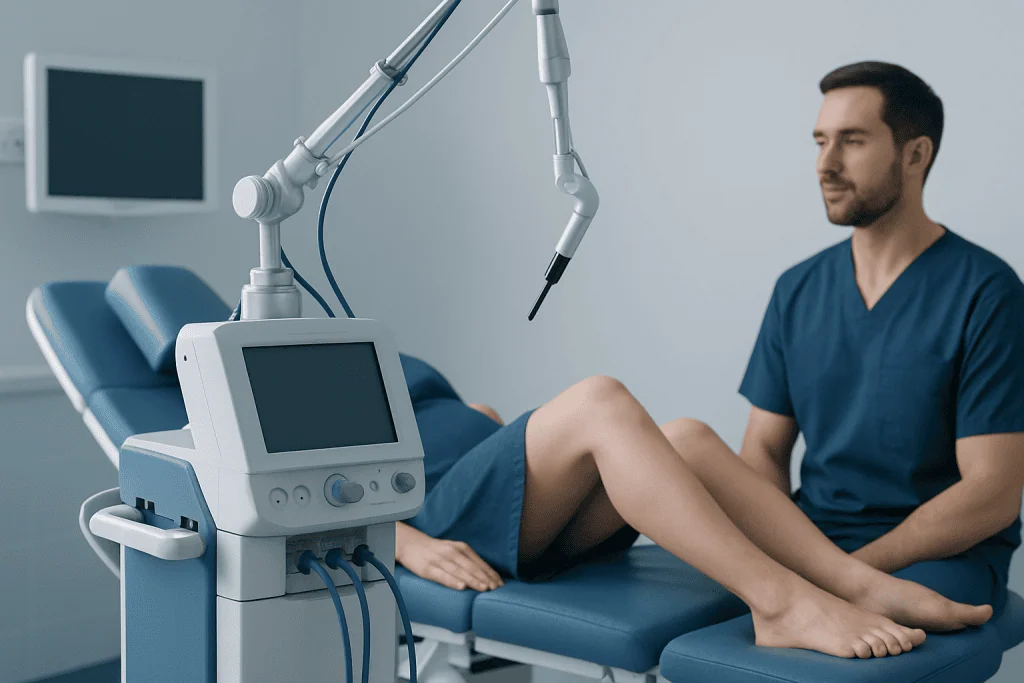
Aesthetic genital surgery should be considered after a thorough consultation and a clear discussion of goals. Not every concern requires surgery; sometimes conservative options or reassurance are more appropriate.
Key Takeaways
- Aesthetic genital surgery should be considered after a thorough consultation and a clear discussion of goals.
- Not every concern requires surgery; sometimes conservative options or reassurance are more appropriate.
- Recovery is usually gradual and depends on the exact procedure, healing speed, and aftercare adherence.
- Good candidates understand the limits of surgery and choose treatment for personal, not external, reasons.
- A skilled surgeon focuses on safety, anatomy, and natural-looking results rather than perfection.
Aesthetic genital surgery includes procedures that change the appearance or, in some cases, the function of the genital area. When planned carefully with a qualified specialist, it can offer realistic, patient-specific improvements in comfort and self-confidence.
Overview
Aesthetic genital surgery refers to a group of procedures designed to alter the appearance of the external genital area and, in some cases, address discomfort related to tissue shape or excess skin. Common procedures may include labiaplasty, clitoral hood reduction, vaginal tightening procedures, or other individualized corrections depending on the person’s anatomy and goals.
These procedures are highly personal. Some people seek treatment because clothing or exercise causes friction, while others want to address concerns that affect body image, intimacy, or confidence. A careful consultation is essential so the surgeon can explain what is medically appropriate, what is optional, and what result is realistically achievable.
It is also important to understand that normal genital anatomy varies widely. A qualified surgeon will assess whether the concern is a true structural issue, a symptom of another condition, or mainly a cosmetic preference. In some cases, a person may benefit more from education, reassurance, pelvic floor therapy, or non-surgical care than from an operation.
Common Procedures
The exact procedure depends on the concern being addressed. Labiaplasty is among the most commonly discussed options and usually involves reshaping or reducing the labia minora when excess tissue causes irritation or self-consciousness. Some people also consider clitoral hood reduction or related contouring procedures when tissue folds create discomfort or asymmetry.
For selected patients, vaginal tightening procedures may be discussed, especially when laxity or widening is a major concern. In other cases, surgery may be aimed at correcting asymmetry, post-childbirth changes, or tissue redundancy after aging or weight changes. The surgeon may also recommend combining techniques to create a balanced, natural appearance.
Because terminology can be confusing, patients should ask the surgeon to explain exactly what is being proposed, where incisions will be placed, what tissue will be removed or reshaped, and how the procedure may affect sensation and function. Informed decision-making is a central part of safe care, and reputable centers will encourage questions rather than rushing the process. For some patients, a broader cosmetic plan may include procedures such as aesthetic breast surgery or body aesthetics, but only when each treatment has its own clear indication and recovery plan.
Symptoms and Reasons People Seek Consultation

People usually seek consultation for one or more of three broad reasons: physical symptoms, appearance concerns, or both. Physical symptoms may include rubbing, pulling, difficulty with certain clothing, discomfort during sports, irritation during hygiene, or pain with sexual activity. Appearance concerns may involve asymmetry, prominence of tissue, or a feeling that the genital area does not match personal preferences.
Emotional reasons are also valid. Some patients feel embarrassed, avoid certain activities, or worry excessively about how they look. A compassionate specialist will acknowledge these feelings without judgment while still keeping the conversation medically grounded. The goal is to understand whether surgery is likely to help and whether expectations are realistic.
It is equally important to note that sudden changes, bleeding, lumps, discharge, burning, or persistent pain are not simply “aesthetic” concerns. These symptoms deserve medical evaluation first, because they may point to infection, skin conditions, cysts, hormonal changes, or other gynecologic issues that need different treatment.
Causes & Risk Factors
There is no single cause for the concerns that lead someone to consider aesthetic genital surgery. Natural anatomical variation is common, and the genital area can change over time because of puberty, childbirth, aging, weight fluctuations, hormonal shifts, or tissue stretching from daily friction and exercise.
Some people develop symptoms after pregnancy or childbirth, while others notice changes after menopause or significant weight loss. Prior surgery, scarring, chronic irritation, or congenital asymmetry may also play a role. In many patients, the issue is not a disease but a personal mismatch between anatomy and comfort.
Risk factors for a less satisfactory outcome often relate more to expectations and overall health than to anatomy alone. Smoking, poorly controlled chronic illness, active infection, blood-clotting problems, and unrealistic goals can increase the chance of complications or disappointment. Emotional readiness matters too; people should not undergo surgery to satisfy a partner or to meet a trend.
Diagnosis and Consultation
Diagnosis begins with a detailed consultation, not a single test. The surgeon takes a medical history, asks about symptoms, prior births or surgeries, medications, allergies, and any history of skin disease or pelvic pain. A respectful physical examination helps determine the anatomy and whether surgery is appropriate.
During planning, the surgeon should discuss goals, the likely surgical approach, risks, recovery time, and possible effects on sensitivity, scar formation, and function. Photographs may be used for documentation and planning when appropriate and with consent. If symptoms suggest another condition, the patient may need a gynecologic exam or additional evaluation before any cosmetic procedure is considered.
This visit is also the right time to discuss alternatives. For example, some concerns may improve with topical care, pelvic floor therapy, changes in clothing or exercise habits, or treatment of an underlying medical issue. A responsible surgeon will not recommend surgery simply because it is technically possible.
Treatment Options
When surgery is appropriate, the technique is tailored to the individual. Labiaplasty may involve trim, wedge, or other reshaping methods, depending on tissue quality and the desired result. The surgeon chooses the approach that best balances appearance, healing, and preservation of normal anatomy.
Some procedures are performed under local anesthesia with sedation, while others may use general anesthesia. The safest option depends on the procedure length, patient comfort, and medical history. Before surgery, patients are typically advised to stop smoking and to review all medications and supplements that could affect bleeding or healing.
In select cases, non-surgical or reconstructive options may be more suitable than a purely cosmetic operation. If there is underlying laxity, scarring, or a more complex body-contouring concern, a specialist may discuss related procedures such as buttock lift or bariatric contouring when relevant to the broader body-shape goals after major weight change. The most important principle is individualized planning rather than a one-size-fits-all approach.
Safety, Risks, and Realistic Results
Like all surgery, aesthetic genital surgery carries risks. These may include bleeding, infection, wound separation, scarring, swelling, temporary numbness, altered sensation, asymmetry, or the need for revision. Most complications are uncommon when the procedure is performed by a qualified surgeon in an appropriate setting, but no operation is risk-free.
Realistic results usually mean improved comfort, a more balanced appearance, or better confidence—not perfection or a complete change in identity. Swelling can last for weeks, and final tissue settling may take longer. The early appearance after surgery is not the final result, so patients should avoid judging the outcome too soon.
Expectations should be grounded in anatomy. A skilled surgeon aims for proportion and function, not a copy of an image or an idealized standard. Acibadem International’s multidisciplinary specialists and JCI-accredited hospitals can diagnose and treat this condition for international patients, with planning that prioritizes safety, informed consent, and individualized outcomes.
Recovery and Self-care
Recovery depends on the exact procedure, but patients are commonly advised to rest, keep the area clean, and avoid pressure or friction during early healing. Swelling, mild bruising, and temporary discomfort are expected. The surgeon may recommend sitz baths, careful hygiene, loose clothing, and short walks to support circulation.
Activity restrictions are important. Patients are often told to avoid sexual activity, strenuous exercise, tampon use, and anything that creates friction until healing is adequate. Follow-up visits allow the surgeon to check the incision lines, answer questions, and confirm that healing is progressing normally.
Self-care also includes patience. Healing in this area can be sensitive and emotionally significant, so support and clear instructions matter. If pain worsens, bleeding increases, fever develops, or the wound opens, the patient should contact the surgical team promptly for advice.
When to See a Doctor
A consultation with a qualified plastic surgeon or gynecologic specialist is appropriate when genital appearance or discomfort is causing ongoing distress, interfering with exercise or intimacy, or making daily life harder. The best time to seek advice is before making assumptions or attempting self-treatment.
Medical evaluation is especially important if there is pain, discharge, odor, bleeding, a new lump, skin changes, or sudden swelling. These symptoms may have causes other than cosmetic concerns and should be assessed properly. A doctor can help distinguish normal variation from a condition that requires treatment.
Patients should also seek care if they are unsure whether surgery is truly right for them. A good consultation should leave them better informed, not pressured. The most reliable results come from careful selection, honest discussion, and a treatment plan that respects both safety and personal goals.
Frequently asked questions
Who is a good candidate for aesthetic genital surgery?
A good candidate is someone with a clear personal goal, stable expectations, and a reason that makes sense medically or emotionally. They should be in good overall health and understand the benefits, limits, and risks of the procedure. A specialist consultation is the best way to confirm whether surgery is appropriate.
Is aesthetic genital surgery always cosmetic?
Not always. Some procedures are done mainly for appearance, but others are chosen to reduce rubbing, improve comfort, or address changes after childbirth or aging. The distinction depends on the symptoms and the goals discussed with the surgeon.
How long does recovery usually take?
Recovery varies by procedure and by person. Many patients need several weeks for the area to settle, and some restrictions on activity may last longer. The surgeon’s aftercare instructions are the most reliable guide for when normal routines can resume.
Will the results look completely natural?
The goal of a good surgeon is a balanced and natural-looking result that fits the person’s anatomy. However, every body is different, and scars or subtle asymmetry can still occur. Final results also depend on healing, which takes time.
Can sensation change after surgery?
Yes, sensation can change temporarily or, less commonly, longer term. Some people notice numbness or sensitivity as healing progresses. A surgeon should discuss this risk clearly before any operation is chosen.
What should patients ask during a consultation?
They should ask what problem the surgery is meant to solve, exactly what technique will be used, what recovery involves, and what risks are most relevant to them. It also helps to ask about alternatives and whether the surgeon recommends any non-surgical care first.
References
- American College of Obstetricians and Gynecologists
- American Society of Plastic Surgeons
- Royal College of Obstetricians and Gynaecologists
- NHS
This article is for general information only and is not a substitute for professional medical advice. Please consult a qualified doctor about your individual situation.
Aesthetic Genital Surgery in Turkey — costs, top hospitals & a free quote
JCI-accredited · board-certified surgeons · reply within 24h
Add us as a Preferred Source to see more of our trusted health content across Google Search, AI Overviews and Discover.

Gynecology & Obstetrics
Women’s health across pregnancy, gynecologic surgery and high-risk pregnancy care.
187 specialists in this unitRelated Treatments
Related Conditions
More from the Health Library



Related Specialists

Prof. Dr. Şükrü Yazar
Aesthetic Plastic & Reconstructive Surgery
Assoc. Prof. Dr. Erdem Güven (m)
Aesthetic Plastic & Reconstructive Surgery
Prof. Dr. Hakan Ağır
Aesthetic Plastic & Reconstructive Surgery
Prof. Dr. Bülent Saçak
Aesthetic Plastic & Reconstructive Surgery