Bariatric Contouring
Bariatric contouring is post-weight-loss body reshaping surgery that removes excess skin and improves body proportions after bariatric surgery or major weight loss.

Quick answer
Bariatric contouring is a group of reconstructive and aesthetic operations that remove excess skin and reshape soft tissue after major weight loss. It may involve one procedure or a staged series, abdominoplasty, lower body lift, arm lift, thigh lift, breast or chest surgery, performed under general anaesthesia once weight is stable and nutrition is adequate. It is not a weight-loss procedure.
What Is Bariatric Contouring?
Bariatric contouring is a group of reconstructive and aesthetic operations that remove excess skin and reshape the soft tissues left behind after major weight loss. It is designed for people who have already lost a substantial amount of weight, after bariatric surgery, medication-supported weight loss or sustained lifestyle change, and who now live with loose, redundant skin. It is not a weight-loss procedure, and it does not replace one.
Major weight loss is a significant medical and personal achievement. It often improves health, mobility, energy and confidence. Yet for many people the journey does not feel complete while excess skin remains. Loose skin around the abdomen, arms, thighs, chest, breasts, back or buttocks can cause discomfort, interfere with clothing, create hygiene problems and change how you see yourself after working hard to lose the weight. Patients often describe feeling “smaller inside a larger skin envelope”, or feeling that the body does not yet reflect the progress they have made. These feelings are common, they are valid, and for the right candidate they have a surgical answer.
Depending on your anatomy and priorities, your plan may include an abdominoplasty or panniculectomy, a lower body lift, an arm lift, a thigh lift, a breast lift or reduction, male chest contouring, buttock reshaping or a back lift. Liposuction is sometimes used alongside these operations to refine a contour, but it cannot replace skin removal when laxity is significant. The techniques overlap with general body contouring, but the planning is different: post-weight-loss tissue behaves differently, the volumes involved are larger, the incisions are longer and your nutritional history matters far more.
What is post-bariatric body contouring?
Post-bariatric body contouring, also called post-weight-loss body reshaping, is another name for the same tailored surgical plan. Whichever term a clinic uses, the substance is identical: a plan built around your specific pattern of skin excess, your health status, your priorities and your capacity to recover. It may mean one focused operation or a staged series performed months apart. Because every weight-loss pattern is different, there is no single standard operation. One person needs an abdominal procedure to remove a heavy apron of skin that causes rashes and mobility problems. Another is more troubled by the arms, breasts or thighs. A third heals best with staged surgery that keeps each operation within safe limits. The plan is individualised after physical examination, medical assessment and an honest discussion of what you want and what your tissues can deliver.
Why does skin stay loose after major weight loss?
Skin that has been stretched for years often loses the ability to contract over a new, smaller body shape. How much it retracts depends on your age, your genetics, how long you carried the excess weight, how much weight you lost, sun exposure, smoking history, pregnancy history and nutritional status. When elasticity is exhausted, exercise builds muscle underneath the skin but does not shrink the envelope itself. The result is folds, hanging tissue, chafing, moisture trapping and uneven contours. That is the specific problem bariatric contouring exists to solve: it removes the surplus envelope surgically because the skin can no longer do it on its own.
How many inches can you lose with body contouring?
There is no honest standard answer, because surgeons do not plan these operations in inches. The amount of skin and tissue removed varies enormously from one person to the next, depending on how much weight was lost, where the laxity sits and how many areas are treated. Some patients notice a marked change in clothing size after an abdominal procedure or lower body lift; others see a more modest change in measurements but a large change in comfort. The realistic goals are a smoother contour, less hanging tissue, easier hygiene and clothes that fit, not a target measurement. Any clinic quoting a fixed number of inches before examining you is guessing, and you should treat the number accordingly.
Who Is a Candidate for Post-Weight-Loss Body Contouring?
Post-weight-loss body contouring suits adults who have lost a large amount of weight and are left with loose skin that affects comfort, hygiene, movement, clothing fit or body confidence. Many candidates have had a sleeve gastrectomy, gastric bypass or another bariatric procedure. Others reached their lower weight through medical treatment or lifestyle change alone. The route matters less than the destination: the common factor is a stable lower weight combined with skin and soft-tissue redundancy that will not improve with exercise.
The problems that bring patients to consultation are practical as often as they are aesthetic. Skin folds trap moisture and cause recurrent irritation or fungal infection. Keeping the skin clean and dry becomes a daily task. Chafing makes walking and exercise unpleasant. A heavy lower abdominal fold pulls on the back and makes sitting uncomfortable. Clothing that fits the new body does not fit the residual skin. Many patients also describe an emotional weight: the excess skin reminds them of their previous size and keeps them self-conscious despite genuine health progress.
Assessment is clinical. A plastic surgeon examines the distribution of excess skin, your scar history, skin quality, any separation of the abdominal muscles, possible hernias, fat distribution and overall body proportions. Photographs are usually taken for planning and documentation. The team also reviews your weight history, any bariatric surgery details, current medicines, nutritional intake, smoking status, chronic conditions and previous operations. This is not box-ticking; each of these factors changes what can be done safely and how well you will heal.
Good candidates are at or near their target weight, and that weight has been stable for a meaningful period. Surgeons prefer to operate after the body has settled at its new weight and any nutritional deficiencies have been corrected. You should also understand the central trade-off before you commit: this surgery creates scars. They are placed as discreetly as safe surgery allows, but they are long and they are permanent. Most patients accept the exchange, scars for shape, comfort and easier hygiene, but only you can decide whether that trade is right for you, and you can only decide it well if it is explained plainly.
Some patients need more preparation before surgery is sensible. Anaemia, low protein, vitamin deficiency, poorly controlled diabetes, nicotine use, active skin infection or an untreated medical risk can all be reasons to postpone. This is not a refusal of care; it is part of responsible planning. Optimising your health before body contouring reduces complications and improves the quality of healing, and a surgeon who insists on it is protecting your result.
Which Areas Can Be Treated After Major Weight Loss?
The changes that remain after major weight loss are usually most visible where the skin was stretched for the longest time and where gravity pulls loose tissue downward. Each region has its own procedures, its own scar patterns and its own recovery character.
Abdominoplasty and panniculectomy
The abdomen is the most commonly treated area. Many patients carry a hanging abdominal pannus: an apron of skin that can cover the lower abdomen, pubic region or upper thighs. It causes rashes, odour, hygiene difficulty, back strain and constant problems with clothing. A panniculectomy removes this overhanging skin and fat; its purpose is primarily functional. An abdominoplasty goes further: as well as removing the excess, it can repair separated abdominal muscles in suitable patients and reshape the waist. Which operation fits you depends on your anatomy, your goals and your medical picture.
Lower body lift
A lower body lift is a circumferential operation used when loose tissue extends around the trunk, abdomen, hips, flanks, lower back and buttocks. It removes excess skin around the whole lower torso and improves the transition between waist, hips and buttocks. It is one of the larger procedures in post-weight-loss surgery and is planned only when your health and recovery circumstances support it. The dedicated post-bariatric body lift page explains this operation in more detail.
Arm lift (brachioplasty)
An arm lift, or brachioplasty, removes and tightens hanging skin along the upper arm that strengthening exercises cannot fix. The incision is planned around the amount and location of laxity: a shorter scar for limited excess, a longer one running along the inner arm when the redundancy is substantial. The goal is a slimmer arm contour and more comfort in sleeves and in movement.
Thigh lift
A thigh lift removes redundant skin from the thighs, most often the inner thighs, where loose tissue rubs during walking, causes irritation and makes exercise uncomfortable. Scar planning and recovery management matter especially here, because the thigh moves constantly, sits close to skin folds and is prone to swelling. Your surgeon should explain where the scar will run and why before you agree to the operation.
Breast lift, breast reduction and chest contouring
Breast and chest changes are near-universal after major weight loss. Women may be left with deflated, low-positioned breasts, asymmetry or excess skin extending toward the side of the chest. Options include a breast lift, a reduction, an augmentation combined with a lift in selected cases, or lateral chest contouring. Men may have persistent chest skin laxity or residual glandular tissue, which male chest contouring techniques can address. In both cases the operation is chosen around your tissue, not around a catalogue.
Back, buttocks and pubic area
Back rolls, buttock descent, heaviness in the pubic area and generalised laxity can all be treated, usually as part of a staged plan. The right sequence depends on which areas cause you the greatest functional or emotional burden, how much surgery can be performed safely in one sitting, and how the result in one region will influence its neighbours. Treating the trunk first, for example, often changes how the thighs sit.
How Bariatric Contouring Is Performed
Assessment and surgical planning
The process begins with a detailed consultation. For international patients, an initial review can often start remotely, using your medical history, photographs, weight-loss details and prior surgical records; the final plan is confirmed only after in-person examination. The surgeon evaluates your skin excess from multiple angles, checks for hernias and muscle separation, reviews existing scar patterns and works through your priorities with you.
Planning includes medical clearance. Blood tests assess haemoglobin, protein levels, vitamins and minerals, kidney and liver function, blood sugar control and clotting. If you have had bariatric surgery, particular attention goes to iron, vitamin B12, folate, vitamin D, calcium and protein intake, because absorption changes after these operations. Nutritional readiness is not a formality: body contouring involves long incisions and places substantial demands on healing, and a body short of protein or iron heals poorly.
Smoking and nicotine in any form reduce blood flow to the skin and raise the risk of wound-healing problems, which is why patients are usually asked to stop nicotine well before surgery and to stay off it through recovery. Your regular medicines and supplements are reviewed by the surgical and anaesthesia teams before the operation; any decision about adjusting them rests with your treating doctors, not with a website. If you have diabetes, high blood pressure, sleep apnoea, heart disease or a history of blood clots, additional specialist input may be arranged as part of planning.
One operation or a staged plan?
Post-weight-loss contouring can be a single focused procedure or a staged series. A common pattern is to begin with the abdomen, because that is where the functional gain is usually greatest, and to address the arms, breasts, thighs or back in a later stage. Staging reduces operative stress, keeps anaesthesia time within safer limits and lets each region heal properly before the next is treated.
Some procedures can be combined in one sitting when circumstances allow. The decision weighs your health, the estimated operative time, expected blood loss, the positioning changes required on the table and the sheer volume of tissue to be removed. Longer surgery is not better surgery. A responsible plan achieves meaningful improvement within safe medical limits, and a surgeon who declines to combine everything at once is exercising judgement, not caution for its own sake.
What happens on the day of surgery?
The day itself follows a structured sequence:
- The surgical team confirms the treatment plan with you and reviews consent.
- The surgeon marks the incision lines while you stand. This step matters more than it sounds: loose tissue shifts when you lie down, and standing markings are what keep the skin removal accurate.
- General anaesthesia is administered, with continuous monitoring throughout.
- The surgeon removes the excess skin and soft tissue according to the markings. Deeper tissues may be tightened or repositioned to improve support; in abdominal surgery, muscle repair is performed where there is significant separation and it is medically suitable.
- Drains may be placed to carry away fluid that can otherwise collect under the skin.
- The incisions are closed in layers to support healing and reduce tension on the skin edge.
- Compression garments are applied to control swelling and support the new contour.
Operative time varies widely with the number of areas treated and the complexity of the work. A focused arm lift takes far less time than a circumferential lower body lift or a combined abdominal and breast procedure. Many of these operations run to several hours, and safety monitoring continues through anaesthesia and into early recovery.
Technology and safety measures
Modern post-weight-loss surgery depends on precise preoperative assessment, careful anaesthesia management and close postoperative monitoring as much as on the surgery itself. Imaging is used when a hernia, abdominal wall weakness or another internal concern is suspected. Laboratory evaluation catches nutritional and metabolic problems before they become wound problems. In the operating room, energy-based surgical tools help control bleeding, and meticulous closure technique supports the long incisions these operations require.
Safety measures also target the risks you cannot see. Compression devices, early mobilisation and, where indicated, medication reduce the risk of blood clots. Infection-prevention protocols, temperature control, fluid management and structured pain control run through the whole surgical pathway. None of this is visible to you as a patient, but it shapes how well and how safely you recover.
Hospital stay and early recovery
Some procedures need an overnight stay; larger operations may need several days of inpatient monitoring. The care team checks circulation, drain output, pain control, mobility and early wound healing, and you will be encouraged to walk carefully as soon as it is safe, because movement supports circulation and reduces clot risk.
Expect discomfort, tightness, swelling, bruising and fatigue in the first days. Drains, if used, come out once fluid output falls to an acceptable level. Fluid collection under the skin, a seroma, is one of the more common issues after large-scale skin removal, which is why drains, compression garments and scheduled follow-up visits all matter. Before discharge you receive specific instructions on wound care, garment use, showering, activity restrictions and the warning signs that need medical attention, and following them is genuinely part of the operation, not an optional extra.
How painful is body contouring surgery?
Most patients describe tightness, pulling and pressure rather than sharp pain, and the first few days are the hardest. How much discomfort you feel depends on which areas were treated and whether procedures were combined: an abdominal or circumferential operation is more demanding than an isolated arm lift, and inner-thigh surgery is felt with every step in the first week. Medication, careful positioning and gradual movement keep symptoms manageable for most people, and the discomfort eases week by week. No honest surgeon will promise you a comfortable first week; what they can offer is a structured pain-management plan and a team that adjusts it when needed.
Recovery Timeline After Body Contouring Surgery
Recovery depends on the procedure performed, your general health and whether multiple areas were treated at once. Most patients follow a gradual return to normal life over several weeks, along roughly this pattern:
| Time Period | What You Can Expect |
|---|---|
| Day 1 | Monitoring after anaesthesia, assistance with walking, pain control, compression garments, and drain care if drains were placed. |
| First week | Swelling, bruising, tightness and fatigue are normal. Light walking is encouraged; lifting, bending and strenuous activity are restricted. |
| First month | Most patients feel more independent, though swelling and sensitivity continue. Desk-based work may be possible, depending on the extent of surgery and your surgeon’s advice. |
| Six to twelve weeks | Activity increases gradually. Exercise resumes in stages once healing is adequate and your surgeon confirms it is safe. |
| Longer term | Scars mature over many months, residual swelling settles, and the final contour becomes clear. Weight stability and healthy habits protect the result. |
If you are travelling for surgery, build the early follow-up period into your plans before you fly home. Long flights soon after major surgery carry their own considerations, particularly around clot risk, and your surgical team will tell you when flying is reasonable for your specific operation. When you do travel, small measures matter after long incisions and reduced mobility: an aisle seat, regular walking during the flight, good hydration and, if your team advises them, compression stockings.
Scars deserve a mention of their own in any honest recovery discussion. They usually look at their worst in the early months, raised, pink or red, and then soften and fade over a year or more. They do not disappear. Sun protection, garment compliance and patience all help; so does knowing in advance exactly where the scars will run.
Benefits of Skin-Removal Surgery After Weight Loss
The benefits vary by procedure and by patient, but these operations can improve both day-to-day function and body proportion after major weight loss. The table below summarises what each benefit means in practice.
| Benefit | What It Means for You |
|---|---|
| Removal of excess skin | Reduces hanging folds that cause heaviness, irritation, hygiene problems or difficulty with clothing. |
| Improved body proportions | Helps the body’s shape reflect the weight-loss achievement by refining the abdomen, arms, thighs, chest, breasts, back or lower body. |
| Greater comfort with movement | Can make walking, exercising, sitting and daily activities easier when excess tissue has been limiting mobility. |
| Better skin care and hygiene | Reduces moisture-trapping folds that contribute to rashes, odour, chafing and recurrent irritation. |
| Improved clothing fit | Makes fitted clothing, exercise garments, undergarments and professional attire easier to wear comfortably. |
| Support for long-term lifestyle goals | By removing physical barriers, contouring can help you stay active and keep the habits that maintain your weight. |
Why Timing Matters and the Risks of Delay
This surgery rewards patience at the start and punishes indefinite postponement at the end. Acting early does not mean operating immediately after weight loss. The best timing is usually once your weight has stabilised, your nutrition is adequate and any medical conditions are well controlled. Surgery performed while weight is still changing, or while deficiencies remain, tends to produce less predictable contours, poorer healing and a higher chance of needing revision later.
Delaying indefinitely has its own costs for some patients. Heavy skin folds keep causing rashes, recurrent infections, odour, skin breakdown and difficulty exercising. The weight of an abdominal pannus can contribute to posture problems and constant low-grade discomfort. Skin rubbing at the thighs or under the arms makes the daily activity that maintains your weight loss steadily less pleasant, which is a quiet way of undermining the result you worked for.
There is an emotional dimension too. Many people expect to feel at home in their body once the weight is gone, and instead feel unfinished, still negotiating with a skin envelope that belongs to their former size. Surgery is not the answer to every part of that adjustment, but for well-selected patients it removes a persistent physical barrier and supports a more active, more comfortable life.
A timely consultation is valuable even if you plan to operate later. It tells you where you stand, gives you time to correct nutrition, lets you plan time away from work, and helps you choose the safest sequence of procedures rather than an improvised one.
What Influences the Final Result?
A good outcome in post-weight-loss contouring is not just skilled skin removal. It is the product of surgical judgement, tissue quality, your health, your behaviour in recovery and the accuracy of your expectations. The factors below are the ones that consistently matter.
Weight stability comes first. Continued weight loss after surgery can create new looseness; weight regain stretches the repaired tissues and distorts the contour. Surgeons prefer patients who are stable and confident in their long-term maintenance plan before proceeding, and that preference protects you as much as the result.
Nutritional status drives healing. Protein deficiency, anaemia and low vitamin or mineral levels raise the risk of wound problems and prolonged fatigue. If you have had bariatric surgery you may absorb nutrients differently, so laboratory testing and supplementation are a routine part of preparation rather than an afterthought.
Skin quality and elasticity set the ceiling on how smooth and tight the result can be. Very thin, damaged or inelastic skin may leave some residual looseness even after well-executed surgery. The realistic aim is meaningful improvement, not perfection, and a good surgeon will show you what your specific tissue can and cannot achieve.
Scar healing varies between individuals. Removing a large amount of skin requires long incisions, so the scars are significant even when they are well placed. They fade and soften with time, but they are permanent. If you are prone to thick, raised or dark scars, raise it at consultation so it can be factored into planning.
Medical conditions such as diabetes, cardiovascular disease, sleep apnoea, clotting disorders, autoimmune disease or a history of blood clots shape the plan. They rarely rule surgery out entirely, but they may require extra evaluation, tailored anaesthesia planning or a staged approach instead of a combined one.
Smoking and nicotine exposure are the clearest modifiable risks on this list. Nicotine narrows the small blood vessels the healing skin depends on, and it increases wound breakdown, infection and tissue-healing problems. Staying off nicotine before and after surgery is one of the few outcome factors entirely in your hands.
Postoperative behaviour matters more than most patients expect. Wearing compression garments as instructed, walking early without overexerting, attending follow-up visits, caring for incisions and reporting concerning symptoms promptly all feed directly into the quality of your result. If you are travelling internationally, plan enough time near the hospital for early follow-up before you fly.
Expectations determine satisfaction. Surgery can transform comfort and contour, but it cannot produce a body untouched by prior weight change. Small asymmetries, permanent scars, months of settling swelling and occasional staged refinements are part of the territory. The most satisfied patients are the ones who understood the trade-offs before the first incision.
What is the most regretted cosmetic surgery?
There is no reliable single answer, and published surveys disagree with one another too much to name one procedure honestly. What the research and clinical experience do agree on is what drives regret: expectations that did not match what the tissue could deliver, surprise at the length or visibility of scars, operating too early or for the wrong reasons, and poor candidate selection. In post-weight-loss surgery specifically, patients who were briefed plainly about scar trade-offs, residual laxity and the possibility of staged refinement are the ones who tend to look back on the decision positively. The best insurance against regret is not choosing a different operation: it is an honest consultation and enough time to think.
Cost and Insurance: What to Know Before You Plan
How much does body contouring typically cost after weight loss?
There is no single honest figure, which is why this page does not quote one. The cost of post-weight-loss body contouring depends on how many areas are treated, whether surgery is performed in one sitting or staged, the operative time involved, the anaesthesia required, the length of hospital stay, garments and dressings, and the follow-up schedule. A circumferential lower body lift sits at a very different point from an isolated arm lift, and a staged three-operation plan is priced differently from a single combined procedure. Any meaningful quote requires an examination first: a number given before a surgeon has assessed your skin, your health and your goals is marketing, not a price.
Does health insurance cover body contouring after bariatric surgery?
Sometimes, for specific procedures, and only when the policy’s criteria for medical necessity are met. Most insurers and national health systems distinguish between reconstructive surgery and cosmetic surgery. A panniculectomy may qualify as reconstructive when there is documented, recurring trouble caused by the overhanging skin, such as rashes or skin infections that have not resolved with conservative treatment, together with evidence of weight stability. Procedures performed primarily to improve shape, such as abdominoplasty, arm lifts, thigh lifts and breast lifts, are usually classed as cosmetic and excluded. Documentation is decisive: photographs, treatment records and your weight history all matter. Policies change and individual plans differ, so the policy document itself and the insurer’s pre-authorisation process are the only reliable sources. If you are considering treatment outside your home country, check separately whether your plan covers planned procedures abroad; many do not.
How Acibadem Approaches Body Reshaping After Weight Loss
Patients considering this surgery need more than a surgical appointment. They need a medical environment that can evaluate complex post-weight-loss anatomy, coordinate several specialties when the case demands it, and support recovery after discharge. That is the pathway this treatment sits inside at Acibadem.
The pathway can involve plastic surgeons, anaesthesiologists, the Bariatric & Metabolic Surgery team, internal medicine specialists, nutrition professionals, nurses, wound-care teams and rehabilitation support. When a patient has a history of bariatric surgery, diabetes, sleep apnoea, hernia repair or complex nutritional issues, this multidisciplinary coordination stops being a nice-to-have and becomes the core of safe planning. Collaborative case discussion aligns the surgical plan with your medical condition and your long-term goals.
Experienced surgeons assess not only what can be removed but what should be removed safely, and in post-bariatric surgery that distinction carries real weight. Removing too much tissue, combining too many procedures or operating before medical optimisation raises complication risk. A careful plan weighs operative time, blood loss, scar placement, recovery logistics and your capacity to heal, and it says no to combinations that fail that test. Advanced diagnostics support the planning: imaging where a hernia or abdominal wall concern is suspected, laboratory work-up for nutritional and metabolic readiness, modern anaesthesia monitoring and blood-management practice during the operation, and structured monitoring, pain control, early mobilisation and wound assessment afterwards.
For patients travelling from abroad, Acibadem International provides dedicated services with support available in more than 20 languages, covering appointment coordination, medical record transfer, interpreter services, hospital admission guidance and travel-related planning. Clear communication in your own language is not a comfort feature in surgery of this scale; it is part of safe care. Treatment planning itself stays personal, because priorities differ so widely: one patient wants the functional abdominal overhang addressed first, another prefers to begin with the breasts and arms because those most affect clothing and confidence, and a third needs a period of medical optimisation before any surgery at all. The consultation process exists to sort those priorities honestly and turn them into a realistic surgical roadmap.
Making the Decision
Bariatric contouring is often the final stage of the journey that began with weight loss. Done at the right time, for the right reasons, it removes excess skin, improves comfort, simplifies hygiene and brings your proportions in line with the weight you actually carry. Done too early, or on the strength of vague expectations, it disappoints, which is why the decision deserves the same seriousness as the weight-loss treatment that preceded it.
Before committing, you should be able to answer a short list of questions honestly. Is your weight stable, and do you trust your maintenance plan? Is your nutrition, protein, iron, vitamins, actually adequate, or merely assumed to be? Which area troubles you most, and would you accept a staged plan that treats it first and the rest later? Do you understand where the scars will run and how long they take to mature? Have you planned realistic time off work and, if you are travelling, enough time near the hospital for early follow-up? An individualised assessment by a qualified plastic surgery team is what turns those questions into a concrete plan, one that respects both what you want and what your body can safely deliver.
Preparation
- A plastic surgery consultation evaluates weight stability, skin excess, scars, nutrition, and overall health. Patients may need blood tests, imaging if indicated, medication review, and smoking cessation before surgery. A stable weight for several months and adequate protein, vitamin, and mineral levels are important for healing.
Aftercare
- Patients wear compression garments, care for incision sites, and attend follow-up visits to monitor healing. Walking is encouraged early, but heavy lifting and strenuous exercise are usually avoided for several weeks. Final contour results become clearer as swelling decreases and scars mature over time.
Frequently Asked Questions
What affects the cost of bariatric contouring the most?
The main factors are the body areas treated, the amount of excess skin, whether procedures are combined or staged, operating time, anaesthesia, hospital stay, garments, tests, medications, and follow-up needs. A personalised plan is required before a reliable quote can be prepared.
How can I get a personalised quote from Acibadem?
You can request a free consultation and share recent photos, weight history, bariatric surgery history if applicable, medical conditions, current medications, and your goals. The specialist team reviews suitability and prepares a tailored treatment and cost plan.
Is bariatric contouring usually done in one visit?
Some procedures can be combined, but extensive contouring may be safer when staged. The decision depends on your health, body mass stability, anaesthesia risk, skin excess, and recovery capacity, and is made by the plastic surgeon.
What is typically included in an international patient package?
Package contents vary by provider, but may include consultation coordination, preoperative tests, hospital stay, surgery-related care, standard medications, compression garments, interpreter support, transfers, and postoperative checks. Always confirm inclusions and exclusions before travel.
Will insurance cover bariatric contouring?
Coverage depends on the insurer, country, policy terms, and whether the procedure is considered functional or aesthetic. Patients should confirm directly with their insurer; the hospital can provide medical documentation when appropriate.
Medically reviewed by the Acıbadem International Medical Board September 13, 2026
See our medical review board →
Update history
- PublishedJune 8, 2026
- Medical review approvedSeptember 13, 2026
- Last content updateSeptember 12, 2026
References1
- Weight Loss Surgery medlineplus.gov
Trusted care for international patients
Tummy tuck costsledger-based guide ranges, or browse the full Turkey Medical Price Index.
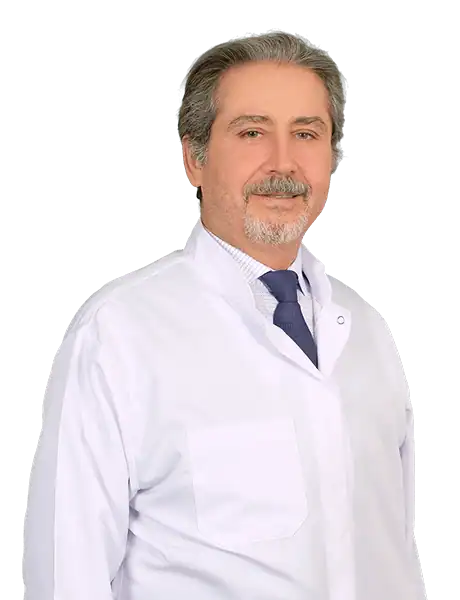
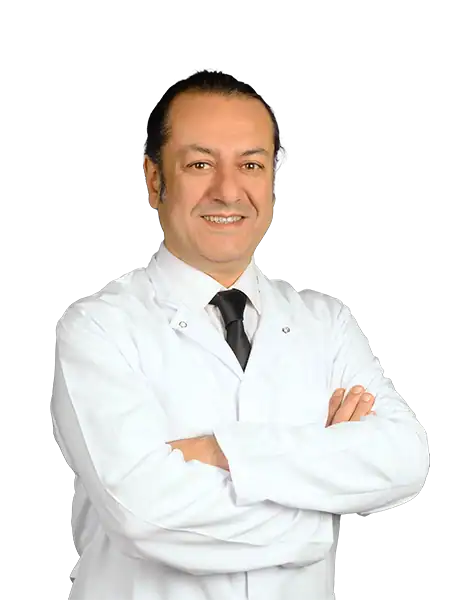
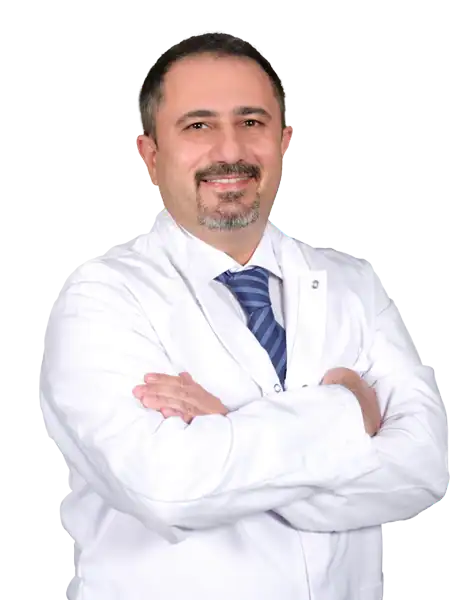
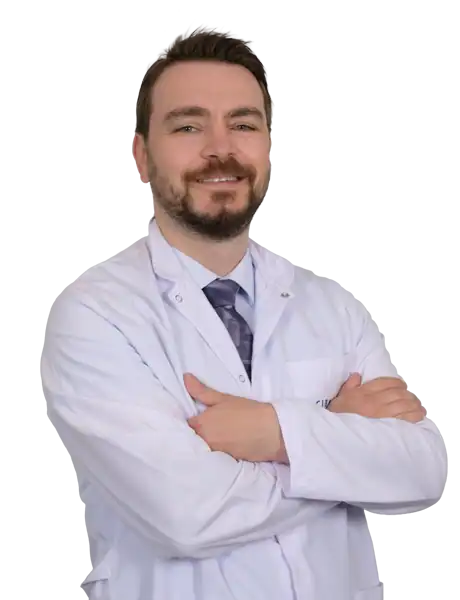
Doctors Performing This Treatment


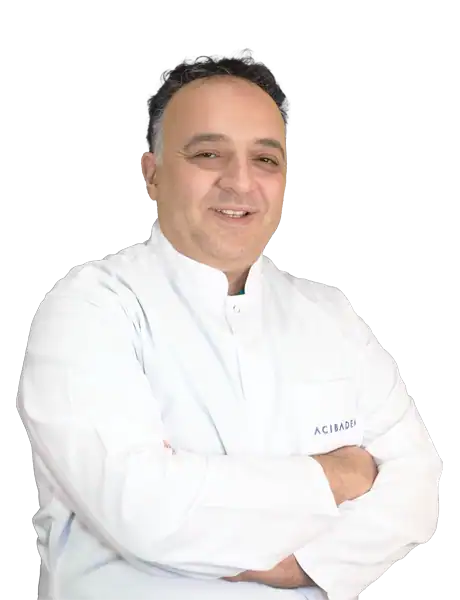
Aesthetic Plastic & Reconstructive Surgery
Prof. Mehmet Veli Karaaltın, MD

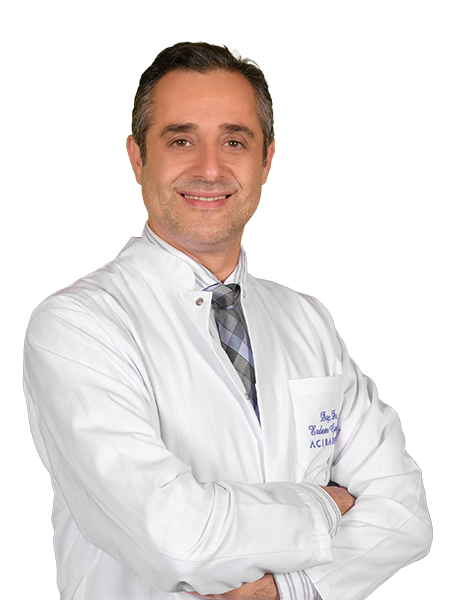
Aesthetic Plastic & Reconstructive Surgery
Assoc. Prof. Erdem Güven, MD

Aesthetic Plastic & Reconstructive Surgery
Assoc. Prof. Ahmet Küçükçelebi, MD

Aesthetic Plastic & Reconstructive Surgery
Assoc. Prof. Mehmet Altıparmak, MD

Aesthetic Plastic & Reconstructive Surgery