

Breast Reduction Recovery: Week-by-Week Healing and Aftercare

Swelling, soreness, and tightness are common early after breast reduction surgery and usually improve gradually. Most patients need to limit lifting, exercise, and upper-body strain while incisions heal.
Key Takeaways
- Swelling, soreness, and tightness are common early after breast reduction surgery and usually improve gradually.
- Most patients need to limit lifting, exercise, and upper-body strain while incisions heal.
- Supportive bras, wound care, and follow-up visits are important parts of aftercare.
- Breast shape continues to settle for months, even after daily activities feel normal again.
- Unexpected redness, fever, worsening pain, or drainage should be discussed with a doctor promptly.
Breast reduction recovery happens in stages, with the first days focused on rest, pain control, and wound care, followed by a gradual return to normal activity over several weeks. Understanding what is typical week by week can help patients heal comfortably and know when to contact their surgeon.
Overview
Breast reduction recovery is a gradual process that changes from day to day and week to week. In the early period, the body focuses on protecting the incisions, reducing swelling, and adjusting to a new breast shape and weight.
Recovery times vary from person to person based on the surgical technique, the amount of tissue removed, general health, and how well aftercare instructions are followed. Many people are able to return to light daily routines within a couple of weeks, but complete healing takes longer.
Patients considering the procedure often find it helpful to review the surgical journey as a whole, including breast reduction itself and related options within aesthetic breast surgery. This article explains what healing commonly looks like, while reminding readers that their surgeon’s instructions should always come first.
Common Symptoms During Recovery
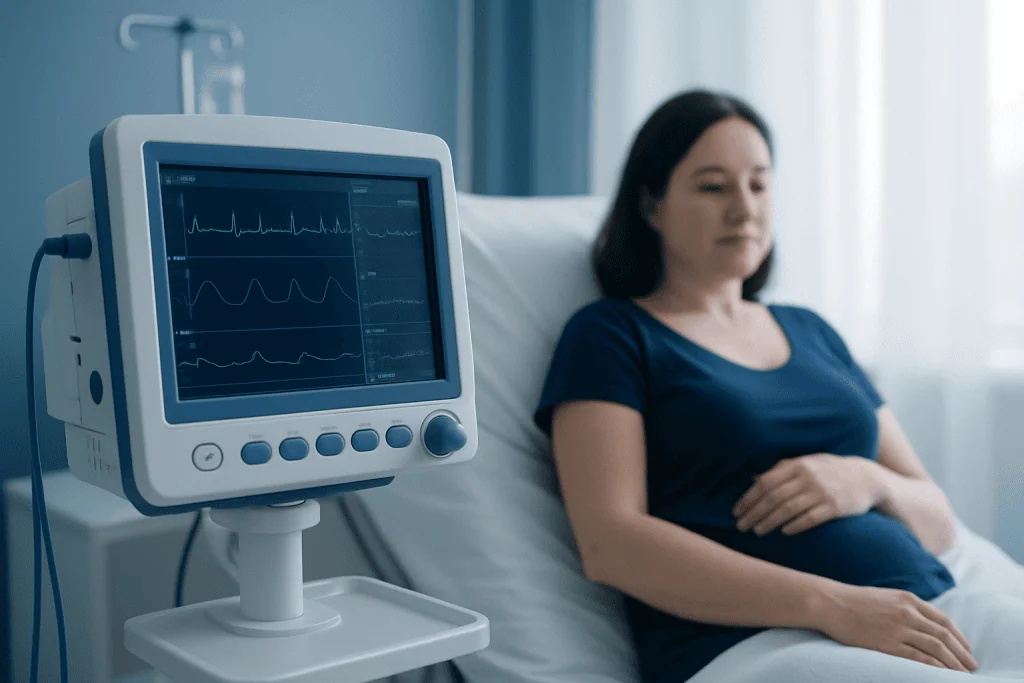
After surgery, it is normal to feel soreness, tightness, swelling, and bruising in the chest area. Some patients also notice temporary numbness, firmness around the incision lines, or a pulling sensation when moving the arms.
Fatigue is also common, especially during the first week, because the body is using energy to heal. Sleeping may feel uncomfortable at first, so patients are often advised to rest on their back with their upper body slightly elevated if their surgeon approves.
Typical early symptoms often improve in stages:
- Swelling and bruising usually peak in the first days and then slowly decrease.
- Mild to moderate pain generally becomes more manageable with time and prescribed care.
- Itching can occur as incisions heal.
- Temporary changes in nipple or breast sensation may happen and may improve gradually.
These experiences can be expected, but they should still be monitored. A recovery course that feels steadily better is reassuring, while new or worsening symptoms deserve medical attention.
Causes & Risk Factors for Slower Healing

Healing after breast reduction depends on both surgical and personal factors. People who smoke or use nicotine products may heal more slowly because blood flow to the tissues can be reduced. Chronic conditions such as diabetes, anemia, or poor nutritional intake may also affect recovery.
The extent of surgery can influence the pace of healing as well. Larger reductions, longer procedures, or combined operations may lead to more swelling and a longer recovery period. The location of incisions, the need for drains, and the body’s natural tendency to scar also play a role.
Some factors that may make recovery more complex include:
- Smoking or nicotine exposure
- Uncontrolled medical conditions
- Prior breast surgery or scarring
- Very physically demanding jobs
- Not being able to rest or follow lifting limits
A careful preoperative plan and honest discussion with the surgical team can help patients understand their personal healing expectations before surgery.
Diagnosis and Postoperative Follow-Up
Breast reduction recovery is usually monitored through scheduled postoperative visits rather than a formal diagnostic test. At these appointments, the surgeon checks the incision lines, breast shape, swelling pattern, skin color, and overall comfort level.
Follow-up visits are important because they allow the care team to confirm that healing is progressing normally and to address any concerns early. If dressings, drains, or stitches are present, the team explains how and when they should be managed or removed.
Patients are encouraged to keep track of symptoms between visits. Questions about pain, drainage, sleep position, bra use, or return to work are all appropriate topics for follow-up care. If anything feels unusual, it is better to ask than to wait.
Treatment Options and Week-by-Week Healing
Recovery care after breast reduction is typically conservative and supportive. It may include prescribed pain relief, wound care, supportive garments, short walks, and gradual activity changes. The exact plan depends on the surgeon’s technique and the patient’s overall health.
Week 1: This is often the most sensitive period. Rest, gentle movement around the home, and careful incision care are usually emphasized. Swelling, bruising, and fatigue are common, and many patients need help with household tasks, driving, and lifting.
Week 2: Discomfort often begins to ease, though the breasts may still feel swollen, firm, or uneven. Many patients are able to do light daily activities and possibly return to desk work if the surgeon agrees, but bending, heavy lifting, and vigorous arm movements are still usually limited.
Weeks 3 to 4: Energy often improves, and routine movements become easier. Some patients can increase gentle activity, but exercise and upper-body strain should still be approached cautiously. breast lift (mastopexy) may be discussed in some cases when shape correction is part of the overall surgical plan, but the healing principles after breast reduction remain similar: protect the incisions and avoid stress on the tissues.
Weeks 5 to 6 and beyond: Many patients feel much more comfortable with day-to-day life. Light exercise may be reintroduced if the surgeon approves, though high-impact workouts, chest training, and heavy lifting may still need to wait. The breasts continue to soften and settle over time, and scar appearance gradually changes over months.
Some patients also explore related procedures such as breast aesthetics or body contouring as part of a broader body-shaping discussion, but recovery after each procedure should always be individualized. The safest approach is to follow the surgeon’s instructions about bras, showering, scar care, and activity progression.
Prevention & Self-care
Good aftercare supports healing and can make recovery more comfortable. A supportive surgical bra or compression garment is often recommended because it helps reduce movement and provides gentle support as the tissues settle.
Patients should follow wound-care instructions carefully, keep incision areas clean and dry as directed, and avoid applying products that the surgeon has not approved. Nutrition also matters: adequate fluids, protein, and balanced meals help the body repair tissue.
Helpful self-care measures often include:
- Taking short, frequent walks to encourage circulation
- Avoiding smoking and nicotine products
- Sleeping as instructed, usually on the back at first
- Not lifting heavy objects or children unless cleared
- Wearing supportive clothing instead of underwire bras until approved
Scar care is usually started only when the incisions have healed enough for it. The surgeon may suggest silicone products, sun protection, or gentle massage at the appropriate stage.
When to See a Doctor
Patients should contact their surgical team if pain suddenly worsens, swelling increases on one side, or a wound opens. Redness that spreads, foul-smelling drainage, fever, or chills should also be reported promptly.
Other reasons to seek medical advice include shortness of breath, chest pain, calf swelling, or any symptom that feels out of proportion to the expected recovery course. Even if the issue turns out to be minor, early review can provide reassurance and guidance.
It is also appropriate to call the doctor for practical concerns, such as questions about activity limits, bra use, return to work, or changes in nipple sensation. Acibadem International’s multidisciplinary specialists and JCI-accredited hospitals support international patients undergoing breast surgery and recovery with coordinated care.
Frequently Asked Questions
Below are common questions patients ask about breast reduction recovery. Answers are general and may differ based on the surgical plan and the surgeon’s recommendations.
Frequently asked questions
How long does breast reduction recovery usually take?
Many people feel noticeably better within the first few weeks, but healing continues for much longer. Light daily activity often returns earlier than complete tissue settling, which may take several months.
When can a patient return to work after breast reduction?
This depends on the type of work and how the person feels. Desk-based work may be possible after one to two weeks for some patients, while physically demanding jobs usually require more time.
Is pain normal after breast reduction surgery?
Yes, soreness, tightness, and tenderness are expected at first. The discomfort should generally improve gradually rather than get worse, and pain that suddenly increases should be discussed with the surgeon.
When can exercise start again?
Gentle walking is often encouraged early, but strenuous exercise, lifting, and chest workouts usually need to wait until the surgeon says it is safe. The timing varies from person to person.
Will the breasts look final right away?
No, the breasts often look swollen or firm at first and then gradually soften and settle. Shape and scar appearance can continue to change over several months.
What should patients do if they notice a problem with an incision?
They should contact their surgical team for advice rather than trying to treat it themselves. Early assessment can help prevent a small issue from becoming a larger one.
References
- American Society of Plastic Surgeons
- National Health Service
- Mayo Clinic
- MedlinePlus
This article is for general information only and is not a substitute for professional medical advice. Please consult a qualified doctor about your individual situation.
Breast Reduction in Turkey — costs, top hospitals & a free quote
JCI-accredited · board-certified surgeons · reply within 24h
Add us as a Preferred Source to see more of our trusted health content across Google Search, AI Overviews and Discover.

Plastic, Reconstructive & Aesthetic Surgery
Reconstructive and aesthetic procedures for the face and body, performed by experienced surgeons.
35 specialists in this unitRelated Treatments
Related Conditions
More from the Health Library



Related Specialists

Prof. Dr. Şükrü Yazar
Aesthetic Plastic & Reconstructive Surgery
Assoc. Prof. Dr. Erdem Güven (m)
Aesthetic Plastic & Reconstructive Surgery
Prof. Dr. Hakan Ağır
Aesthetic Plastic & Reconstructive Surgery
Prof. Dr. Bülent Saçak
Aesthetic Plastic & Reconstructive Surgery