Aortic Aneurysm: Causes, Risks, and When Surgery Is Needed

An aortic aneurysm is a weakened, enlarged area in the aorta that can occur in the chest or abdomen. Small aneurysms may be monitored, while larger or fast-growing aneurysms may need repair.
Key Takeaways
- An aortic aneurysm is a weakened, enlarged area in the aorta that can occur in the chest or abdomen.
- Small aneurysms may be monitored, while larger or fast-growing aneurysms may need repair.
- High blood pressure, smoking, age, and family history are among the most important risk factors.
- Many people have no symptoms until the aneurysm is found on imaging or becomes urgent.
- Emergency care is needed for sudden severe chest, back, or abdominal pain, fainting, or signs of shock.
An aortic aneurysm is an abnormal widening of the aorta, the main artery carrying blood from the heart to the body. Many aneurysms cause no symptoms at first, but careful monitoring and timely treatment can greatly reduce the risk of serious complications.
Overview
An aortic aneurysm is a balloon-like bulge that develops in a weakened section of the aorta. The aorta is the body’s largest artery, carrying oxygen-rich blood from the heart to the rest of the body. When part of its wall becomes weak, that area can widen over time and become more fragile.
Aneurysms are usually described by where they occur. A thoracic aortic aneurysm develops in the chest, while an abdominal aortic aneurysm develops in the abdomen. Some people may also have aneurysms that involve more than one section of the aorta. The condition is often discovered during tests done for another reason because it may not cause symptoms early on.
The main concern is that a growing aneurysm can tear the layers of the aortic wall, called a dissection, or rupture completely. These are medical emergencies. However, not every aneurysm requires immediate surgery. Treatment depends on its size, location, growth rate, symptoms, and the person’s overall health.
Symptoms and Warning Signs
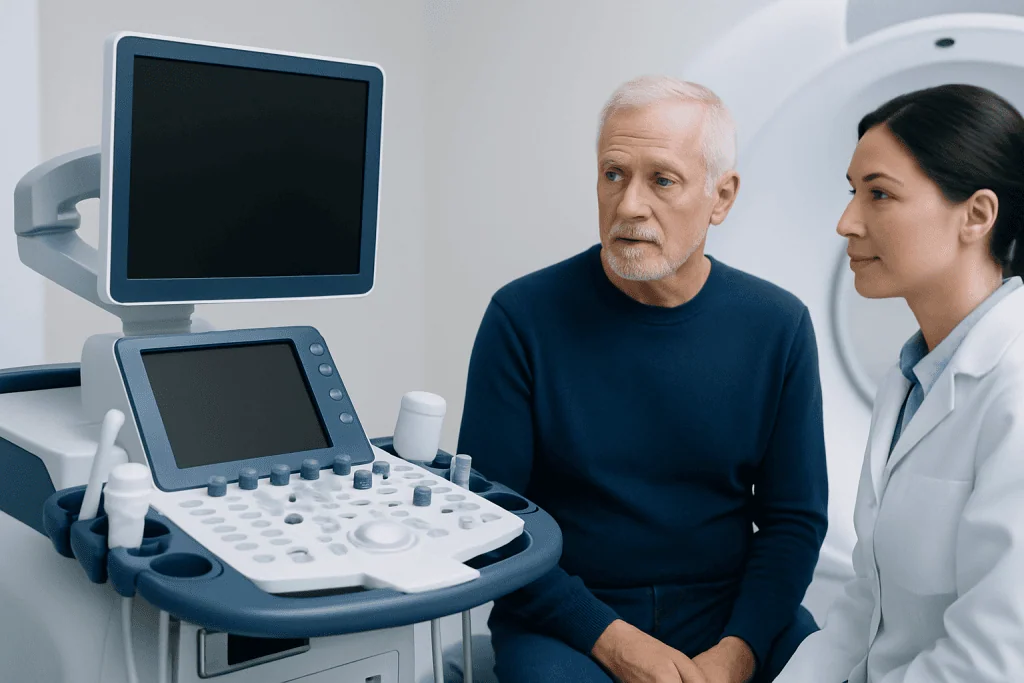
Many aortic aneurysms do not cause symptoms, especially when they are small. In these cases, they may only be found on an ultrasound, CT scan, echocardiogram, or MRI. When symptoms do appear, they often relate to the aneurysm’s location and whether it is pressing on nearby structures.
A thoracic aortic aneurysm may cause chest pain, back pain, hoarseness, coughing, shortness of breath, or trouble swallowing. An abdominal aortic aneurysm may cause deep, steady pain in the abdomen, side, or lower back. Some people notice a pulsing sensation in the abdomen, although this is not always present.
Sudden, severe, tearing, or ripping pain in the chest, back, or abdomen may be a sign of acute aortic dissection or rupture and needs emergency attention right away. Other urgent signs include fainting, dizziness, severe weakness, clammy skin, or shortness of breath. These symptoms do not always mean an aneurysm is present, but they should never be ignored.
- Small aneurysms often cause no symptoms
- Chest or back pain may suggest a thoracic aneurysm
- Abdominal or lower back pain may suggest an abdominal aneurysm
- Sudden severe pain or collapse requires emergency care
Causes and Risk Factors
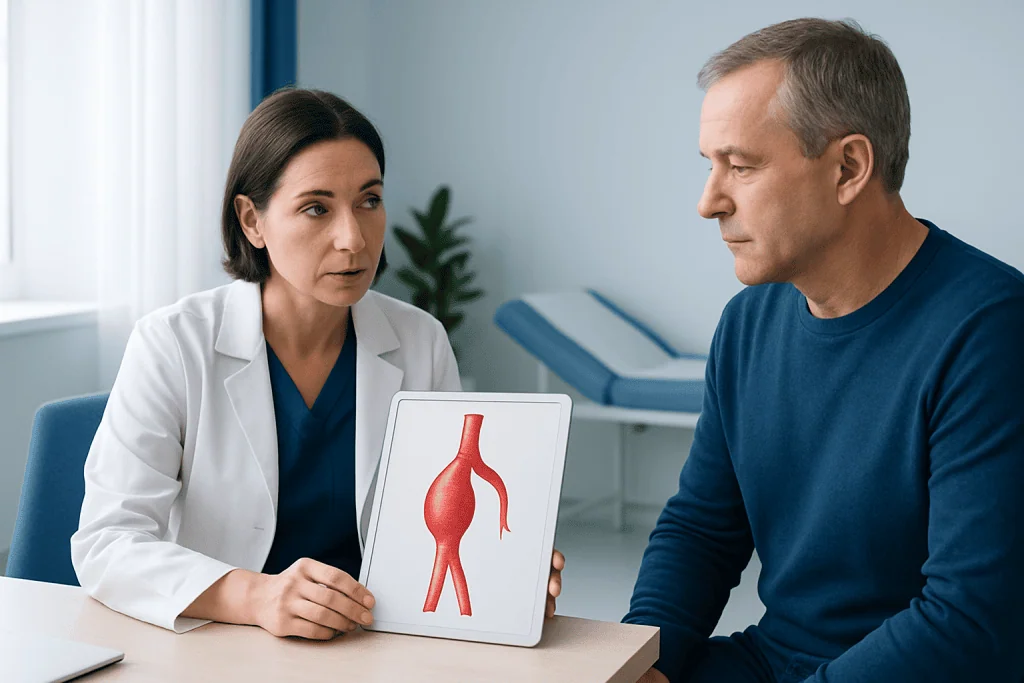
Aortic aneurysms usually develop because the aortic wall becomes weaker over time. Aging is one of the most common reasons, but several medical and lifestyle factors can increase risk. Long-standing high blood pressure puts extra force on the aortic wall, and smoking is one of the strongest modifiable risk factors, especially for abdominal aortic aneurysm.
Atherosclerosis, which is the buildup of fatty deposits in the arteries, can contribute to damage in the vessel wall. People with coronary artery disease may share some of the same risk factors, such as high cholesterol, smoking, diabetes, and high blood pressure. Men, older adults, and people with a family history of aneurysm are at higher risk overall.
Some aneurysms are linked to inherited connective tissue conditions that affect the strength and elasticity of blood vessels. Others may be associated with congenital heart or vessel abnormalities, inflammation, trauma, or prior infection of the aorta, though these causes are less common. In the chest, aneurysms can also be related to valve disease, including aortic regurgitation, in selected patients.
Although risk factors raise the chance of an aneurysm, they do not mean one will definitely occur. Regular medical care and early evaluation can help identify people who may benefit from screening or closer follow-up.
How Aortic Aneurysm Is Diagnosed
Diagnosis begins with a medical history and physical examination, but imaging tests are essential to confirm an aneurysm and understand its size and location. The doctor may ask about symptoms, smoking history, family history, blood pressure, and any personal history of heart or vascular disease.
Several imaging tools may be used. Ultrasound is commonly used for abdominal aortic aneurysm screening and follow-up because it is quick and noninvasive. CT angiography provides detailed images and is often used to plan treatment or evaluate urgent symptoms. MRI may be used in certain cases, particularly for ongoing surveillance. Echocardiography can help assess the ascending aorta near the heart.
Once an aneurysm is found, regular follow-up imaging may be recommended to watch for enlargement. The exact timing depends on the aneurysm’s size, how quickly it is growing, and where it is located. This monitoring helps doctors decide when observation remains safe and when repair may offer a better balance of benefits and risks.
Treatment Options and When Surgery Is Needed
Treatment for aortic aneurysm is individualized. Small aneurysms that are not causing symptoms may be managed with careful monitoring, blood pressure control, cholesterol management, and smoking cessation. Doctors often focus on reducing strain on the aorta and lowering the risk of growth or complications. Managing related conditions such as hypertension treatment and controlling blood lipids through dyslipidemia care can be an important part of the plan.
Surgery is more likely to be recommended when an aneurysm reaches a certain size, grows quickly, causes symptoms, or shows signs of dissection or impending rupture. The decision also depends on the aneurysm’s location and the patient’s age, anatomy, and other medical conditions. Because there is no single threshold that fits every person, the care team weighs the risks of surgery against the risks of continued observation.
There are two main repair approaches. Open surgical repair replaces the weakened section of aorta with a synthetic graft and may be performed by specialists in cardiothoracic surgery for aneurysms involving the chest. Endovascular repair uses a stent graft placed through blood vessels, usually through the groin, to reinforce the aorta from inside. In suitable patients, endovascular surgery may offer a less invasive option with a different recovery profile.
In urgent situations such as rupture or acute dissection, immediate hospital treatment is essential. For planned care, some patients may also benefit from a dedicated aortic aneurysm treatment program that includes imaging, surgical evaluation, and long-term follow-up. Near the end of the care journey, Acibadem International’s multidisciplinary specialists in JCI-accredited hospitals also diagnose and treat aortic aneurysm for international patients.
Prevention and Self-care
Not all aortic aneurysms can be prevented, especially those related to age or inherited conditions, but many risk factors can be reduced. Quitting smoking is one of the most effective steps a person can take. Blood pressure control is also very important because it lowers stress on the aortic wall over time.
General heart-healthy habits support vascular health as well. These include eating a balanced diet, staying physically active within a doctor’s recommendations, maintaining a healthy weight, and taking prescribed medicines as directed. People with known aneurysms should ask their doctor which activities are safe, since very heavy lifting or sudden intense strain may not be appropriate for some individuals.
Family history matters. If a close relative has had an aortic aneurysm, screening may be discussed, particularly in older adults or those who smoke. Keeping regular appointments and attending scheduled imaging studies is a key part of self-care because aneurysms can change even when a person feels well.
When to See a Doctor
A person should speak with a doctor if they have persistent chest, back, side, or abdominal pain that is unexplained, especially if they also have risk factors such as smoking, older age, or high blood pressure. Medical advice is also important for anyone with a strong family history of aortic aneurysm or a known inherited connective tissue disorder.
Routine care is important after an aneurysm is diagnosed, even if it is small. Follow-up appointments help determine whether the aneurysm is stable or changing. A person should not stop blood pressure medicines or other prescribed treatment without discussing it with their doctor first.
Emergency care is needed for sudden severe chest, back, or abdominal pain; fainting; sudden weakness; difficulty breathing; or signs of shock. Rapid evaluation can be lifesaving if an aneurysm dissects or ruptures.
Frequently asked questions
What is the difference between a thoracic and an abdominal aortic aneurysm?
The difference is the location of the aneurysm in the aorta. A thoracic aortic aneurysm is in the chest, while an abdominal aortic aneurysm is in the abdomen. Both involve weakening and widening of the aortic wall, but symptoms, imaging, and treatment planning may differ.
Can an aortic aneurysm go away on its own?
No, an aortic aneurysm does not usually shrink or disappear on its own. Some small aneurysms remain stable for a long time, which is why monitoring can be appropriate. Treatment aims to reduce growth and lower the risk of rupture or dissection.
Is surgery always needed for an aortic aneurysm?
No, surgery is not always needed immediately. Small aneurysms without symptoms are often monitored with regular imaging and managed with risk-factor control. Surgery is generally considered when the aneurysm becomes larger, grows quickly, causes symptoms, or appears dangerous.
What are the most important risk factors for aortic aneurysm?
Smoking, high blood pressure, older age, male sex, and family history are among the most important risk factors. Atherosclerosis and some inherited connective tissue disorders can also increase risk. Managing these factors may help reduce the chance of aneurysm growth or complications.
How is an aortic aneurysm usually found?
Many aortic aneurysms are found incidentally during imaging tests performed for another reason. Others are identified through screening, especially abdominal ultrasound in people at higher risk. If symptoms are present, CT scan, MRI, ultrasound, or echocardiography may be used to confirm the diagnosis.
What symptoms mean emergency help is needed?
Sudden severe chest, back, or abdominal pain is a major warning sign, especially if it feels tearing, ripping, or unusually intense. Fainting, shortness of breath, clammy skin, severe weakness, or collapse also need urgent attention. These symptoms can indicate rupture or dissection and should be treated as a medical emergency.
References
- American Heart Association
- National Heart, Lung, and Blood Institute
- Society for Vascular Surgery
- European Society of Cardiology
- Centers for Disease Control and Prevention
This article is for general information only and is not a substitute for professional medical advice. Please consult a qualified doctor about your individual situation.
Aortic Aneurysm in Turkey — costs, top hospitals & a free quote
JCI-accredited · board-certified surgeons · reply within 24h
Add us as a Preferred Source to see more of our trusted health content across Google Search, AI Overviews and Discover.
Check your numbers in seconds
BMI, calories, due date, blood pressure and 30+ more clinical calculators — free, instant, doctor-reviewed ranges.

Cardiology Department
Diagnosis and treatment of heart and vascular conditions, from prevention to advanced interventional procedures.
91 specialists in this unit