How to Choose a Good Imaging Center: Quality, Reporting, and Patient Safety
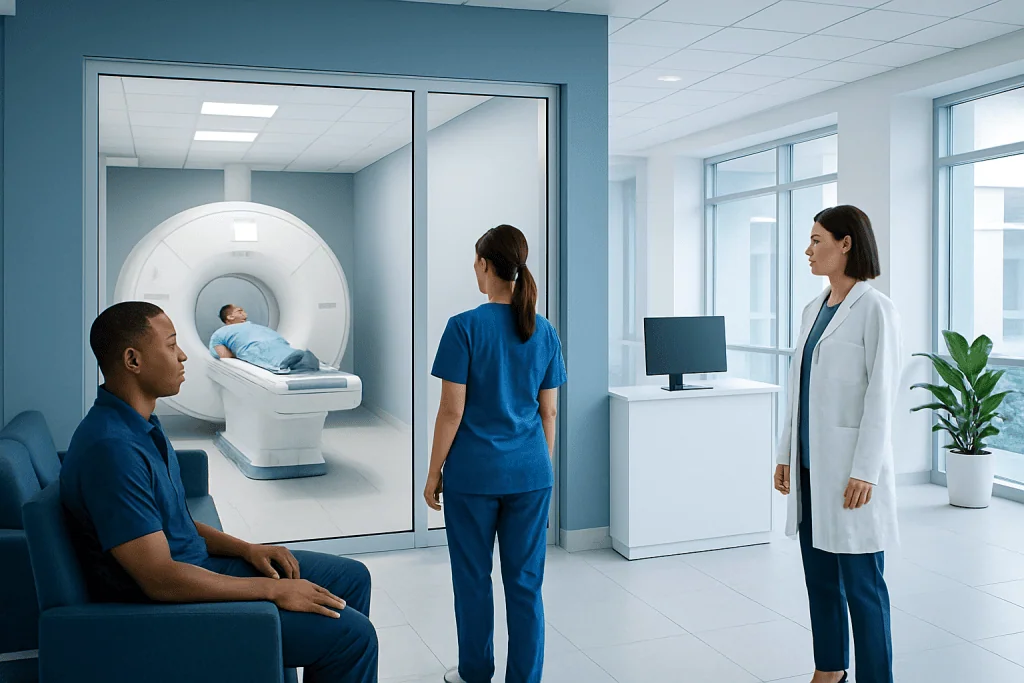
A good imaging center combines qualified radiology staff, reliable equipment, and clear reporting. Accreditation, safety protocols, and infection control are important signs of quality.
Key Takeaways
- A good imaging center combines qualified radiology staff, reliable equipment, and clear reporting.
- Accreditation, safety protocols, and infection control are important signs of quality.
- The right test should be matched to the clinical question, not chosen by convenience alone.
- Patients should ask who interprets the scan, how results are shared, and whether prior images can be compared.
- Cost, waiting time, comfort, and language support matter, but should not outweigh safety and diagnostic accuracy.
Choosing an imaging center involves more than finding a convenient location. The best choice balances image quality, specialist reporting, patient safety, clear communication, and a process that fits the person’s medical needs.
Overview: What Makes an Imaging Center Good?
An imaging center is a medical facility that performs tests such as X-rays, ultrasound, mammography, CT, MRI, and sometimes nuclear medicine exams. These tests help doctors look inside the body to diagnose disease, guide treatment, or monitor recovery. Because imaging results often influence important medical decisions, the quality of the center matters a great deal.
A good imaging center does not simply own modern machines. It also has skilled technologists, experienced radiologists, strong patient safety standards, and a clear process for producing useful reports. High-quality imaging depends on the whole system working together, from scheduling and preparation instructions to image acquisition, interpretation, and communication of results.
For patients, the best center is usually one that can answer a specific clinical question accurately and safely. That may mean a breast imaging unit for mammography, a center with advanced MRI imaging for neurological or joint problems, or a hospital-based radiology department for more complex cases. The goal is not just to have a scan, but to have the right scan, performed well, and interpreted by the right specialist.
Signs of Quality to Look For
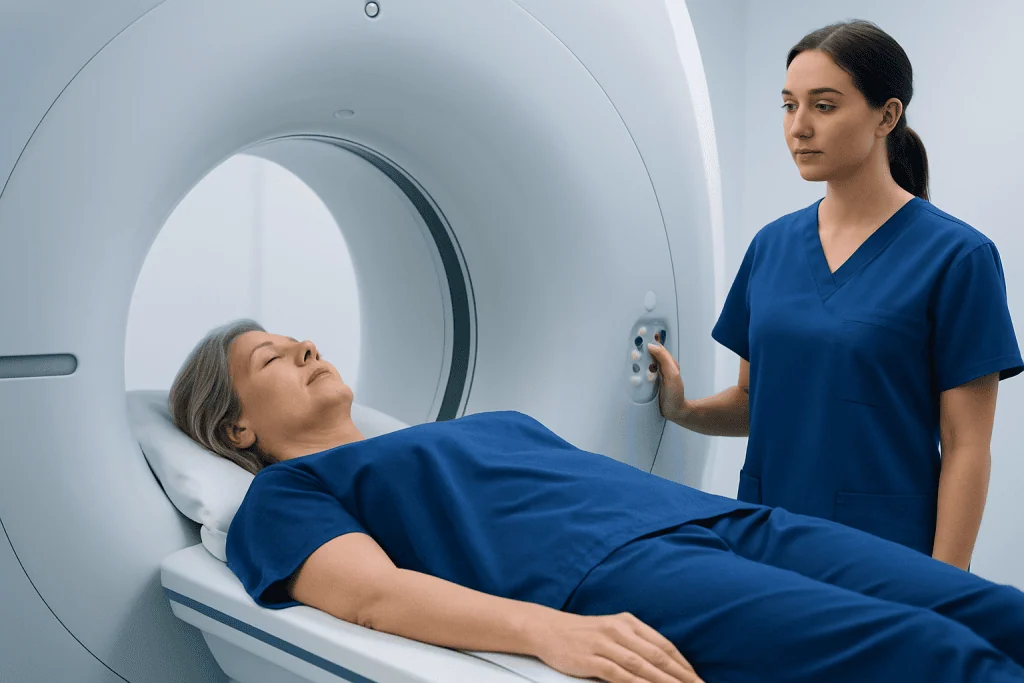
One of the strongest signs of quality is accreditation or formal quality oversight. Accreditation standards typically review equipment performance, staff qualifications, image quality, safety practices, and reporting systems. While accreditation alone does not guarantee perfection, it is a useful sign that the center follows recognized standards.
Another important indicator is the expertise of the team. A good imaging center should employ licensed radiologic technologists and radiologists with training relevant to the type of exam being performed. In many situations, subspecialty expertise is especially valuable, such as neuroradiology for brain scans, musculoskeletal radiology for sports injuries, or breast imaging for mammograms.
Patients may also look at practical signs of organized care:
- Clear preparation instructions before the exam
- Reasonable appointment times and efficient workflow
- Policies for urgent findings and direct communication with the referring doctor
- Access to prior scans for comparison
- Secure systems for storing and sharing images and reports
- Language support or patient navigation when needed
Clean facilities, respectful communication, and privacy protections also reflect quality. Even simple details, such as explaining what will happen during the test and checking patient identity carefully, can show that a center takes safe, reliable care seriously.
Why Reporting Quality Matters as Much as the Scan

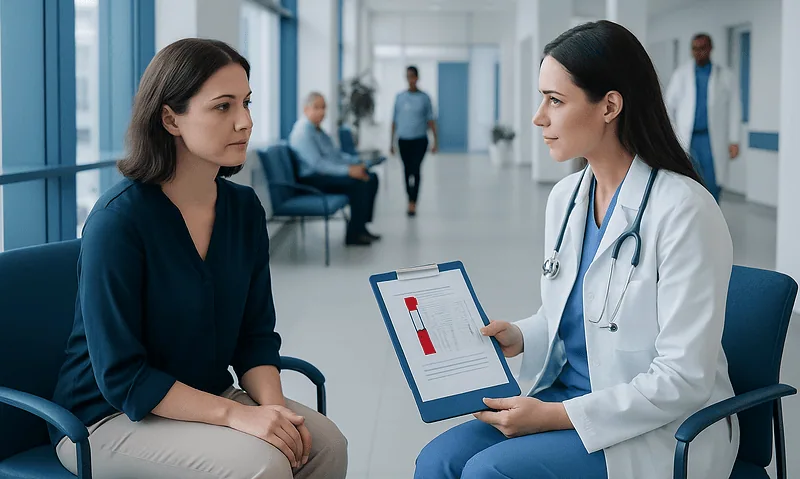
Patients often focus on the machine itself, but the radiology report is just as important as image acquisition. A high-quality report should answer the clinical question, describe significant findings clearly, and guide the next step when appropriate. If a report is vague, delayed, or disconnected from the patient’s symptoms, it may be less helpful to the treating doctor.
It is reasonable to ask who will read the scan and whether that person has expertise in the relevant area. For example, a complex cancer scan may benefit from oncologic imaging experience, while a child’s exam may be best reviewed by a pediatric radiologist. A center that matches reports to subspecialty readers can improve diagnostic confidence.
Good reporting also depends on clinical context. The radiologist should have enough information about symptoms, prior operations, known diagnoses, and previous imaging. Comparison with earlier studies can be very important. A small finding may appear concerning on its own but be stable and harmless when compared with older images.
Some centers also provide patient-friendly summaries, portals for result access, or structured reporting for certain exams. These tools can support understanding, but they should never replace direct discussion with a doctor who can explain what the findings mean in the context of the person’s overall health.
Equipment, Technology, and the Right Test
Modern equipment can improve image quality, reduce scan times, and support more precise diagnosis. However, newer technology is not automatically better for every patient. The key question is whether the center has appropriate equipment for the specific test and whether that equipment is well maintained and quality checked regularly.
Different imaging methods serve different purposes. CT scanning is often useful for trauma, lungs, bones, and many urgent conditions. MRI may be preferred for soft tissues, the brain, joints, and some abdominal or pelvic problems. Ultrasound is commonly used for pregnancy, abdominal organs, blood flow, and many guided procedures. A good imaging center helps ensure the exam is chosen based on the medical question rather than habit alone.
Patients should also know that not every facility offers the same level of capability. Some centers perform only basic imaging, while others provide advanced studies, contrast-enhanced exams, image-guided biopsies, or specialist services such as PET-CT imaging for selected cancer evaluations. If the case is complex, a hospital or larger multidisciplinary center may be more suitable.
Maintenance, calibration, and image review protocols matter as much as the machine model. Even excellent equipment can produce poor results if positioning is incorrect, motion is not managed, or technical quality checks are inconsistent. A trustworthy center treats technology as part of a careful clinical process.
Patient Safety: Radiation, Contrast, and Infection Control
Patient safety is one of the most important factors when choosing an imaging center. Safe imaging means performing the correct test, avoiding unnecessary repeat exams, and using the lowest appropriate radiation dose when radiation is involved. This is especially important for children, pregnant patients, and people who need multiple scans over time.
If an exam uses contrast material, the center should check for relevant risks such as prior contrast reactions, kidney problems, certain medications, and pregnancy status when appropriate. Staff should explain why contrast is being used, what the patient may feel during the exam, and what to do if symptoms occur afterward. The presence of emergency protocols and trained staff is reassuring.
MRI safety also requires careful screening. Because MRI uses a strong magnet, the center should ask about implants, pacemakers, metal fragments, and certain medical devices. Good centers follow a structured screening process before the patient enters the scan area. This protects both the patient and staff.
Infection prevention should not be overlooked. Clean rooms, proper equipment disinfection, hand hygiene, and safe handling of needles and intravenous lines are part of quality care. If a center performs biopsies or image-guided procedures, sterile technique and post-procedure monitoring are essential.
Questions Patients Should Ask Before Booking
Many people feel more confident when they ask a few practical questions before making an appointment. The answers can reveal whether the center is organized, transparent, and suited to the individual’s needs. This is especially helpful when the scan is complex, urgent, or likely to influence a major treatment decision.
Helpful questions may include:
- Is this center accredited or quality-certified?
- Who performs the scan, and who interprets it?
- Does the radiologist have subspecialty experience in this type of imaging?
- How should the patient prepare, and will contrast be used?
- How are prior images obtained for comparison?
- When will results be ready, and who will explain them?
- What safety steps are used for radiation, MRI, or contrast?
- What are the total costs and insurance arrangements?
Patients may also ask about comfort and accessibility. Important issues include appointment availability, support for claustrophobia, wheelchair access, interpreter services, and whether a companion may attend when appropriate. These details do not change the medical quality directly, but they can improve the overall care experience and help the test go smoothly.
If a patient is unsure which exam is needed, it is best to speak with the referring doctor rather than choosing independently. The right imaging test depends on symptoms, medical history, and the specific diagnosis being considered, such as evaluating possible lung cancer or checking for breast cancer in the correct clinical setting.
Comparing Cost, Convenience, and Clinical Value
Cost and convenience matter, but they should be balanced against diagnostic value. A low-cost scan may not be the best choice if image quality is poor, reporting is delayed, or repeat testing becomes necessary. In many cases, a well-performed first exam is more efficient and less stressful than multiple follow-up scans caused by incomplete information.
Location can also influence the choice. A nearby center may be practical for routine exams, while a specialized hospital-based unit may be better for advanced imaging or high-risk patients. For example, someone with complex symptoms, a history of cancer, implanted medical devices, or a need for sedation may benefit from a center with wider clinical support.
Turnaround time is another useful factor. Some situations require rapid reporting, especially if the results will affect surgery, emergency care, or urgent treatment planning. A quality center should be able to explain normal report timelines and how critical findings are communicated quickly to the responsible doctor.
Near the end of the decision process, patients may consider whether the center works closely with other specialties. This can be helpful when imaging is only one step in care. Acibadem International, for example, supports international patients through multidisciplinary specialists and JCI-accredited hospitals that diagnose and treat complex conditions using coordinated imaging and clinical services.
When a Second Opinion or Specialist Imaging Center May Help
Sometimes the most helpful choice is not a standard imaging center, but a specialist service or a second opinion review. This can be useful when symptoms do not match the report, when surgery or major treatment is being planned, or when findings are uncertain. Re-review of images by a subspecialist may clarify whether an abnormality is significant or whether additional testing is truly needed.
A specialist center may also help if the patient has a rare disease, a complicated medical history, or a need for image-guided procedures. Examples include cancer staging, neurological disorders, vascular conditions, and complex musculoskeletal injuries. These situations often benefit from radiologists who regularly interpret similar cases and work closely with the treating clinical team.
Patients should remember that a good imaging experience is both technical and human. The right center uses appropriate technology, values safety, provides accurate reporting, and communicates clearly. Taking time to compare options and ask informed questions can help patients feel more confident and support better medical decisions.
If there is uncertainty about where to go, the referring doctor can often recommend the most suitable type of facility. That advice, combined with attention to accreditation, reporting quality, safety standards, and practical needs, usually leads to a sound and reassuring choice.
Frequently asked questions
How does a person know if an imaging center is reputable?
A reputable imaging center usually has recognized accreditation, qualified technologists, experienced radiologists, and clear safety procedures. It should also provide understandable instructions, timely reporting, and a way to compare current scans with prior studies when needed.
Is the newest machine always the best choice?
Not always. Modern equipment can be helpful, but the right test, skilled staff, and accurate interpretation are just as important. A well-maintained machine used by an experienced team is often more valuable than newer technology alone.
Why is the radiologist’s expertise important?
The radiologist is the doctor who interprets the images and writes the report that guides care. Subspecialty experience can be especially useful for complex exams, such as breast imaging, neurological imaging, cancer-related scans, or pediatric studies.
What should patients ask about safety before a scan?
Patients can ask whether the test uses radiation, whether contrast material is needed, and what screening is done for allergies, kidney issues, pregnancy, or implanted devices. It is also reasonable to ask how the center avoids unnecessary repeat imaging and handles emergencies.
Does a faster report mean lower quality?
Not necessarily. Efficient centers can often provide timely results without compromising quality, especially when they have good workflow and enough specialist staff. The key is whether the report is clear, clinically useful, and reviewed by an appropriately trained radiologist.
When is it worth getting a second opinion on imaging?
A second opinion may help when findings are unclear, symptoms do not match the report, or a major treatment decision depends on the scan. It can also be useful for rare diseases, cancer staging, or complex cases where subspecialty review may add clarity.
This article is for general information only and is not a substitute for professional medical advice. Please consult a qualified doctor about your individual situation.
Explore treatments in Turkey — costs, top hospitals & a free quote
JCI-accredited · board-certified surgeons · reply within 24h
Add us as a Preferred Source to see more of our trusted health content across Google Search, AI Overviews and Discover.

More from the Health Library

Neuroinfectious Disease Testing: Blood Work, MRI, and Spinal Fluid Explained

Diagnosis Explained: How Doctors Combine Symptoms, Exams, Labs, and Imaging
Migraine MRI: When Brain Imaging Is Really Needed

Choosing a Medical Laboratory: Accreditation, Accuracy, and Turnaround Time

Neurophysiology for Seizures and Fainting: Which Tests Help Find the Cause?