What an Eye Exam Can Detect: Common Tests, Results, and Next Steps
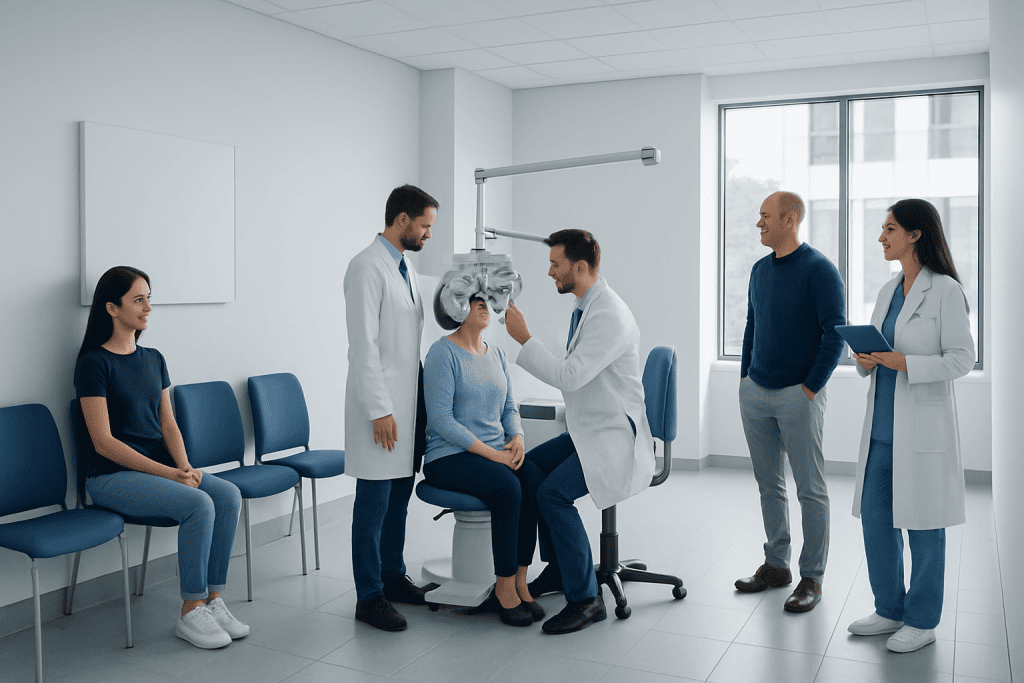
A comprehensive eye exam checks visual clarity, eye pressure, eye movement, and the health of the front and back of the eye. Eye exams can help detect refractive errors, cataracts, glaucoma, diabetic eye disease, macular problems, and retinal changes.
Key Takeaways
- A comprehensive eye exam checks visual clarity, eye pressure, eye movement, and the health of the front and back of the eye.
- Eye exams can help detect refractive errors, cataracts, glaucoma, diabetic eye disease, macular problems, and retinal changes.
- Some findings may also suggest general health issues such as diabetes, high blood pressure, or neurological conditions.
- Many eye conditions develop gradually, so regular exams are important even when vision seems normal.
- Abnormal results do not always mean serious disease, but they should be discussed with an eye care professional.
An eye exam does more than check whether a person needs glasses. It can detect changes in vision, early signs of eye disease, and in some cases clues to broader health conditions, often before symptoms become obvious.
Overview: What an Eye Exam Can Detect
An eye exam is a structured assessment of how well a person sees and how healthy the eyes are. It can identify common vision problems such as nearsightedness, farsightedness, astigmatism, and age-related difficulty focusing up close. Just as importantly, it can reveal eye diseases that may not cause early symptoms.
A comprehensive exam often includes tests for visual acuity, refraction, eye alignment, eye movement, pupil responses, eye pressure, and examination of the cornea, lens, optic nerve, retina, and blood vessels at the back of the eye. These findings help an eye specialist understand not only what a person sees, but why vision may be changing.
In some cases, an eye exam can also provide clues about overall health. Changes in the retina and blood vessels may suggest diabetes, high blood pressure, autoimmune disease, or neurological disorders. For this reason, a complete eye examination can be an important part of preventive healthcare as well as vision care.
Common Eye Exam Tests and What They Show
One of the most familiar parts of an eye exam is the visual acuity test, which measures how clearly a person sees letters or symbols at a distance and sometimes up close. If vision is blurred, refraction testing helps determine whether glasses or contact lenses may improve clarity. This is the test used to identify nearsightedness, farsightedness, and astigmatism.
The doctor may also examine how the eyes move together, whether they stay aligned, and how the pupils react to light. These tests can help detect eye muscle imbalance, double vision, or problems involving the nerves that control eye movement. Color vision and depth perception may also be assessed when relevant.
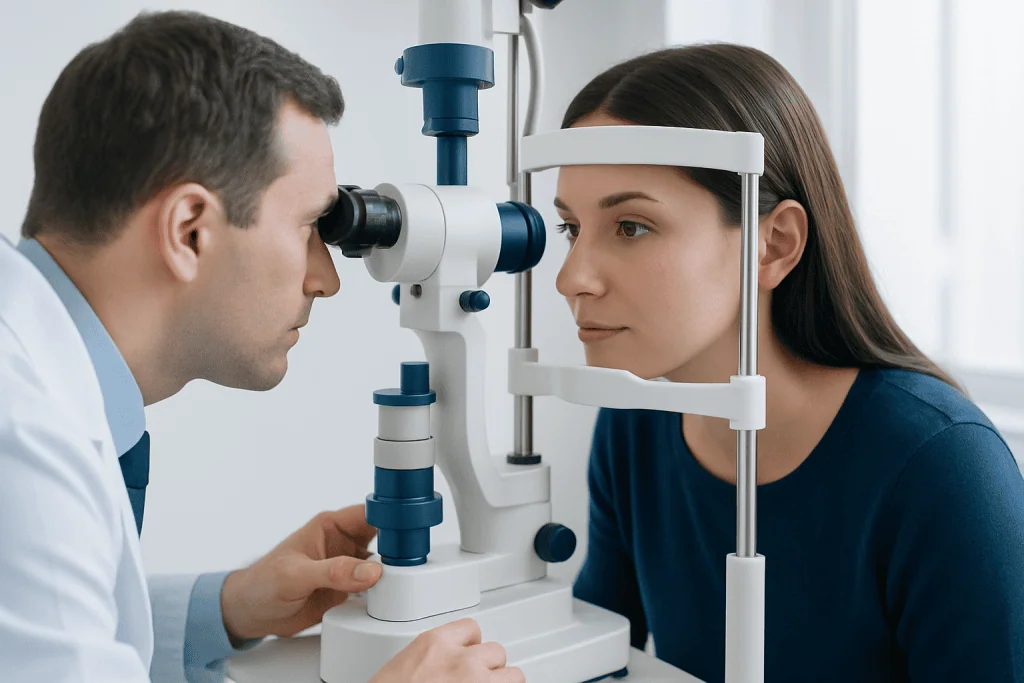
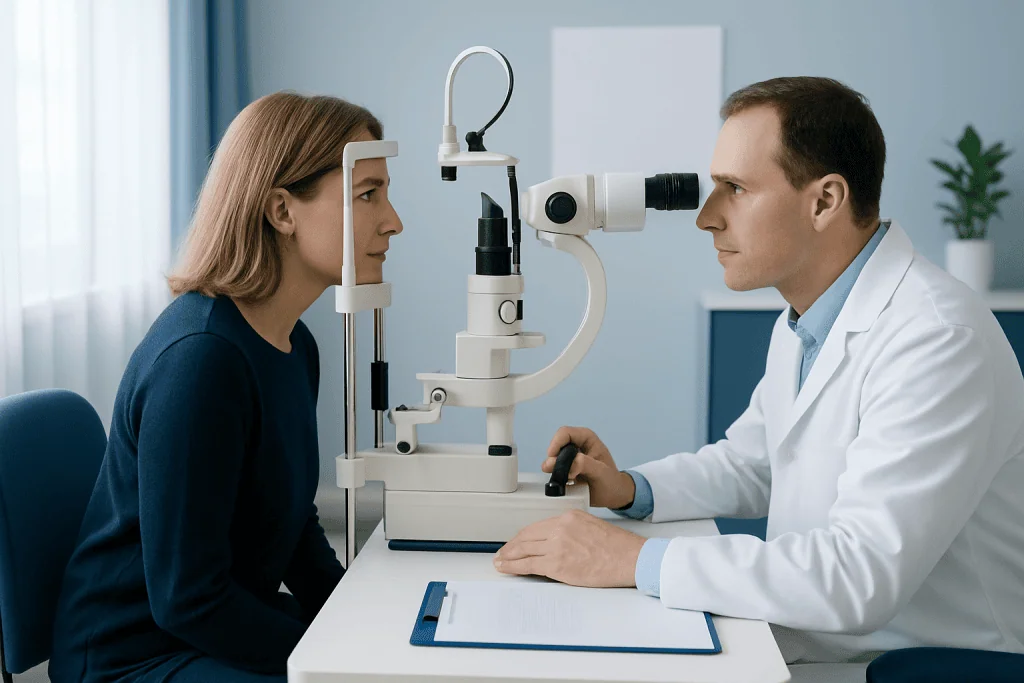
Another common test is tonometry, which measures pressure inside the eye. High eye pressure does not always mean disease, but it can be a risk factor for glaucoma. A slit-lamp examination allows the doctor to inspect the eyelids, tear film, conjunctiva, cornea, iris, and lens under magnification, helping detect dryness, inflammation, infection, cataracts, and other structural changes.
During a dilated eye exam, special drops widen the pupils so the doctor can examine the retina, macula, optic nerve, and retinal blood vessels more clearly. This part of the exam is especially useful for finding retinal tears, diabetic retinopathy, macular degeneration, optic nerve damage, and other changes that may not affect vision until later stages.
Conditions an Eye Exam May Detect
An eye exam commonly detects refractive errors, which are the most frequent cause of blurred vision. These include myopia, hyperopia, astigmatism, and presbyopia. Although these are not usually dangerous, correcting them can improve comfort, reading ability, driving safety, and overall quality of life. Depending on the result, management may include glasses, contact lenses, or in selected cases refractive procedures.
The exam can also find age-related and disease-related eye conditions. Examples include cataracts, glaucoma, dry eye disease, corneal disorders, and retinal disease. Cataracts can cause cloudy or dim vision, while glaucoma may gradually damage the optic nerve with little warning. Macular conditions can affect central vision, making reading or recognizing faces more difficult.
Doctors also look for signs of diabetic eye disease, hypertensive retinopathy, retinal vein problems, optic nerve swelling, and inflammation inside the eye. A careful retinal examination may identify conditions such as macular diseases or other changes in the back of the eye that require follow-up. Detecting these conditions early can help preserve sight and guide treatment before severe vision loss develops.
In some people, symptoms such as drooping eyelids, unusual eye movements, sudden double vision, or visual field loss may suggest problems beyond the eye itself. When needed, the person may be referred for neuro-ophthalmology evaluation to assess whether the optic nerve, brain, or nervous system may be involved.
How Eye Exam Results Are Interpreted
Eye exam results are usually a combination of measurements, observations, and clinical judgment. A glasses prescription shows how much correction is needed to sharpen vision, while visual acuity scores describe how clearly a person sees with or without correction. These findings help explain whether blurred vision comes from a refractive issue or whether another cause should be investigated.
Other results may include eye pressure readings, corneal thickness, the appearance of the lens, and the health of the optic nerve and retina. A normal result means that no concerning changes were found at that visit, but it does not always rule out future problems. Some conditions, especially glaucoma or diabetic eye disease, can develop gradually and need regular monitoring over time.
Not every abnormality is urgent or dangerous. Mild cataract changes, slight dry eye, or a small prescription change are common and often manageable. However, certain findings may need closer attention, such as increased eye pressure, bleeding in the retina, swelling of the optic nerve, retinal tears, or rapid changes in vision.
If additional imaging or testing is needed, the doctor may recommend photographs of the retina, visual field testing, optical coherence tomography, or specialized studies such as eye angiography. These tests can give more detail about blood flow, retinal layers, or optic nerve structure and help guide a diagnosis.
Next Steps After an Eye Exam
What happens after an eye exam depends on the findings. If the main issue is a refractive error, the next step may simply be a new prescription for glasses or contact lenses. If dryness, allergy, or eyelid inflammation is found, the doctor may recommend lubricating drops, environmental adjustments, lid hygiene, or other conservative care.
When the exam suggests an eye disease, follow-up may include repeat testing, imaging, referral to a subspecialist, or treatment. For example, cataracts that significantly affect daily life may be managed with cataract surgery, while retinal or glaucoma-related findings may require closer surveillance or targeted procedures. The exact plan depends on the diagnosis, symptom severity, and overall eye health.
If the exam raises concern about a general medical condition, the eye specialist may advise evaluation by a primary care doctor or another specialist. This can happen if retinal blood vessel changes suggest uncontrolled diabetes or high blood pressure, or if optic nerve findings point to a neurological issue. Coordinated care helps make sure eye findings are understood in the context of the person’s overall health.
Near the end of the care pathway, some patients may seek treatment in specialized centers. Acibadem International’s multidisciplinary specialists and JCI-accredited hospitals evaluate and treat eye conditions for international patients when further assessment or treatment is needed.
Prevention, Follow-Up, and Self-Care
Regular eye exams are one of the best ways to protect vision, especially because many eye conditions do not cause symptoms at first. The ideal schedule depends on age, current vision, medical history, family history, and whether the person already has an eye disease. Children, older adults, people with diabetes, and anyone with a strong family history of glaucoma or retinal disease may need closer follow-up.
Everyday habits also support eye health. These include managing blood sugar and blood pressure, wearing sunglasses with ultraviolet protection, using protective eyewear during sports or hazardous work, and taking breaks from prolonged screen use. Good contact lens hygiene is also important to reduce the risk of irritation or infection.
Self-care should not replace professional assessment when symptoms appear. Over-the-counter eye drops may help with mild dryness, but persistent redness, pain, sudden floaters, flashes, or worsening vision should be assessed by an eye care professional. Following the recommended schedule for repeat exams can help catch changes early and keep treatment timely.
- Attend routine eye exams even if vision seems stable.
- Control diabetes, blood pressure, and cholesterol where applicable.
- Use prescribed glasses or contact lenses as directed.
- Seek advice before using leftover eye medications.
When to See a Doctor Promptly
Some eye symptoms need prompt medical attention rather than waiting for a routine appointment. Sudden loss of vision, a curtain-like shadow, new flashes of light, a sudden increase in floaters, severe eye pain, or major injury to the eye should be evaluated urgently. These symptoms can sometimes indicate retinal detachment, acute glaucoma, infection, bleeding, or other time-sensitive problems.
A person should also seek timely care for persistent redness, discharge, light sensitivity, double vision, or headaches associated with visual changes. Even if the cause is not serious, an exam can clarify whether treatment is needed and reduce the risk of complications. Children should be assessed if they squint, sit very close to screens, tilt the head often, or show signs of one eye turning in or out.
Routine care is still valuable when symptoms are mild or absent. A person may feel that vision is normal and still have rising eye pressure, early cataracts, or retinal changes. Eye exams help identify these issues at a stage when management is often simpler and more effective.
Frequently asked questions
What can an eye exam detect besides needing glasses?
An eye exam can detect cataracts, glaucoma, retinal disease, diabetic eye changes, dry eye, and problems with eye alignment or movement. It may also reveal signs linked to general health conditions such as diabetes, high blood pressure, or some neurological disorders.
How often should a person have an eye exam?
The best schedule depends on age, symptoms, medical history, and risk factors. People with diabetes, a family history of eye disease, existing vision problems, or increasing age often need exams more regularly than someone at lower risk.
Is a vision screening the same as a comprehensive eye exam?
No. A vision screening is a basic check that may identify reduced visual clarity, but it does not fully assess eye health. A comprehensive eye exam looks at the structures of the eye and can detect disease even when vision seems normal.
Why are dilating drops used during some eye exams?
Dilating drops make the pupils larger so the doctor can get a clearer view of the retina, macula, optic nerve, and blood vessels at the back of the eye. This helps detect problems that might otherwise be difficult to see during a routine exam.
Does high eye pressure always mean glaucoma?
Not always. Some people have high eye pressure without optic nerve damage, while others develop glaucoma even with pressure in the normal range. Eye pressure is only one part of the full assessment.
Can an eye exam show signs of diabetes or high blood pressure?
Yes, in some cases it can. Changes in the retinal blood vessels, bleeding, swelling, or damage to the retina may suggest diabetes or high blood pressure, although diagnosis and treatment still require medical evaluation beyond the eye exam.
References
- American Academy of Ophthalmology
- National Eye Institute
- Centers for Disease Control and Prevention
- World Health Organization
- Royal College of Ophthalmologists
This article is for general information only and is not a substitute for professional medical advice. Please consult a qualified doctor about your individual situation.
Explore treatments in Turkey — costs, top hospitals & a free quote
JCI-accredited · board-certified surgeons · reply within 24h
Add us as a Preferred Source to see more of our trusted health content across Google Search, AI Overviews and Discover.
Check your numbers in seconds
BMI, calories, due date, blood pressure and 30+ more clinical calculators — free, instant, doctor-reviewed ranges.