Diverticulitis: Warning Signs, Risk Factors, and When It Becomes Serious

Diverticulitis usually causes pain in the lower left abdomen, often with fever, nausea, or bowel habit changes. Aging, low fiber intake, obesity, smoking, and lack of physical activity can increase risk.
Key Takeaways
- Diverticulitis usually causes pain in the lower left abdomen, often with fever, nausea, or bowel habit changes.
- Aging, low fiber intake, obesity, smoking, and lack of physical activity can increase risk.
- Mild cases may improve with rest, fluids, and medical follow-up, while complicated cases may need hospital care or surgery.
- Severe pain, high fever, vomiting, or signs of bleeding need urgent medical assessment.
- Long-term prevention focuses on bowel health, balanced eating, regular activity, and individualized medical advice.
Diverticulitis happens when small pouches in the wall of the colon become inflamed or infected. It often causes abdominal pain and digestive changes, and while many cases are manageable, some require prompt medical attention to prevent complications.
Overview
Diverticulitis is a condition affecting the large intestine, also called the colon. It develops when small bulging pouches in the colon wall, known as diverticula, become inflamed or infected. These pouches are common, especially with age, and having them is called diverticulosis. Many people with diverticulosis never have symptoms, but some go on to develop diverticulitis.
The condition can range from mild to severe. In mild cases, symptoms may settle with conservative treatment and careful follow-up. In more serious cases, inflammation can lead to complications such as an abscess, a tear in the bowel wall, or blockage in the intestine, which is why persistent or severe symptoms should not be ignored.
Diverticulitis can sometimes feel similar to other digestive problems, including irritable bowel syndrome or Crohn's disease, but the cause and treatment are different. A proper diagnosis helps guide the safest treatment plan and reduces the risk of complications or repeated attacks.
Symptoms and Warning Signs
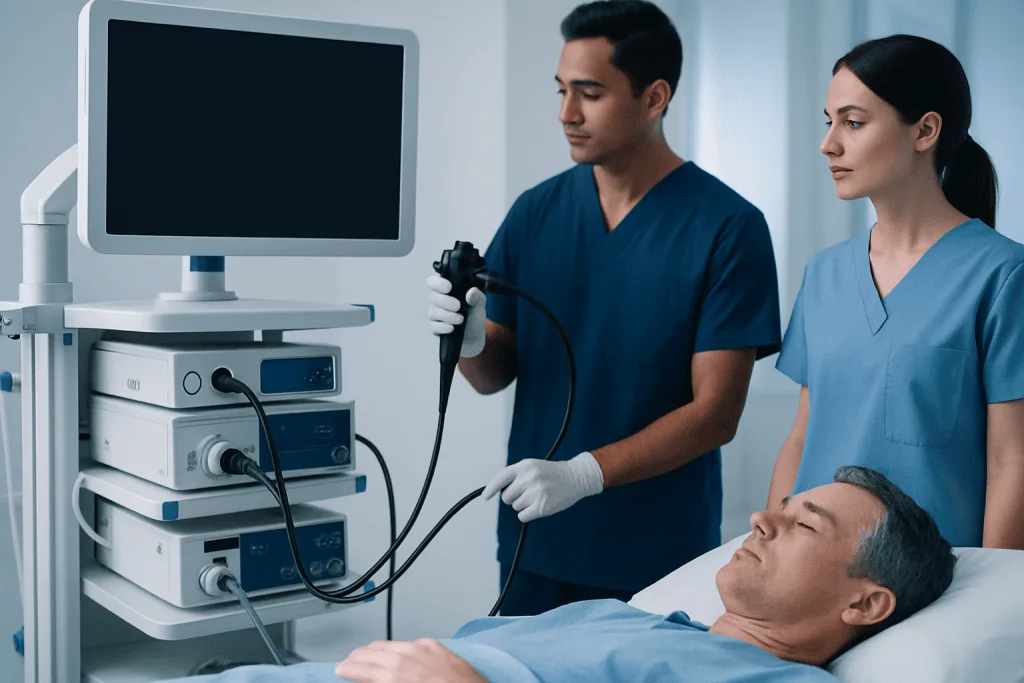
The most common symptom of diverticulitis is abdominal pain, usually on the lower left side. The pain may begin gradually or come on more suddenly, and it often becomes constant rather than cramp-like. Some people also notice tenderness when the abdomen is touched.
Other common symptoms include fever, chills, nausea, bloating, and changes in bowel habits. These bowel changes can include constipation, diarrhea, or a feeling that the bowel does not empty completely. Loss of appetite and general tiredness may also occur, especially if the inflammation is more pronounced.
Warning signs that may suggest a more serious problem include severe or worsening pain, repeated vomiting, inability to pass stool or gas, marked abdominal swelling, rectal bleeding, dizziness, or signs of dehydration. These symptoms can point to complications and should be assessed promptly by a doctor.
- Lower left abdominal pain
- Fever or chills
- Nausea or vomiting
- Constipation or diarrhea
- Bloating and tenderness
- Rectal bleeding in some cases
Causes and Risk Factors
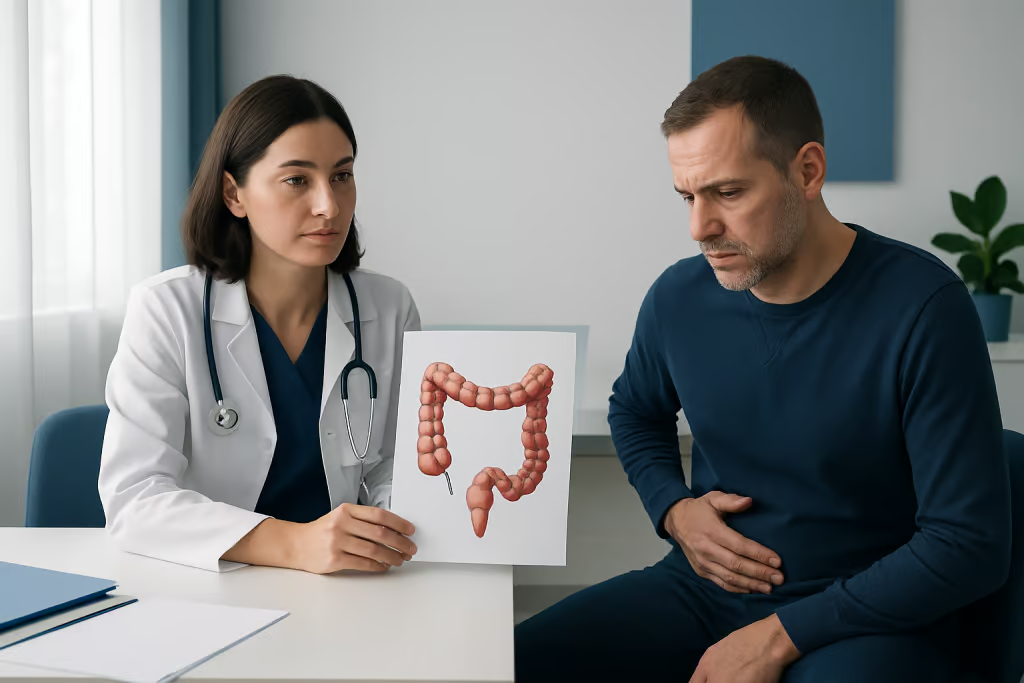
Diverticulitis begins with diverticula, which are small pouches that form in weaker areas of the colon wall. Doctors do not always know exactly why one person with diverticulosis develops inflammation while another does not. It likely involves a combination of pressure inside the colon, changes in the gut microbiome, and irritation or blockage of a pouch.
Risk increases with age, although younger adults can also be affected. A diet low in fiber may contribute to harder stools and higher pressure in the colon. Other factors associated with a higher risk include obesity, smoking, physical inactivity, and regular use of certain medicines such as nonsteroidal anti-inflammatory drugs. A family history may also play a role.
Having one attack does not guarantee repeated attacks, but recurrence can happen. Some people also have other digestive conditions that can overlap in symptoms, such as ulcerative colitis or chronic bowel sensitivity. For this reason, symptom patterns over time and careful medical review are important in understanding an individual’s risk.
How Diverticulitis Is Diagnosed
Diagnosis starts with a medical history and physical examination. A doctor will ask about the location and duration of pain, bowel changes, fever, previous episodes, and any medicines being taken. Blood tests may be used to look for signs of inflammation or infection.
The most useful imaging test in suspected diverticulitis is usually a CT scan of the abdomen and pelvis. This helps confirm the diagnosis and shows whether complications such as an abscess, perforation, or obstruction are present. In some cases, ultrasound or other imaging may also be considered depending on the person’s age, symptoms, and medical situation.
During an acute attack, colonoscopy is usually avoided because the bowel may be too inflamed. After recovery, a doctor may recommend colon evaluation to confirm the diagnosis and rule out other conditions. In specialized digestive centers, advanced digestive evaluation may be helpful when symptoms are ongoing or the diagnosis is uncertain.
Treatment Options
Treatment depends on how severe the diverticulitis is and whether there are complications. Mild, uncomplicated cases may be treated at home with rest, fluid intake, pain control recommended by a doctor, and close follow-up. Some patients may need antibiotics, while in others doctors may choose a more selective approach depending on symptoms and examination findings.
If symptoms are more severe, or if the person cannot drink enough fluids, has significant fever, or is at higher risk because of age or other illnesses, hospital treatment may be needed. In the hospital, care may include intravenous fluids, bowel rest, antibiotics when appropriate, and monitoring. If an abscess develops, drainage may be necessary.
Surgery is not needed for most first episodes, but it can be important for complicated diverticulitis or repeated attacks that significantly affect quality of life. Surgical options vary depending on the problem and the overall condition of the patient. For more condition-specific information, patients may review diverticulitis treatment options or related digestive disorders such as inflammatory bowel care when doctors are considering overlapping symptoms or alternative diagnoses.
Prevention and Self-care
Prevention focuses on supporting overall colon health and lowering the chances of future attacks. After recovery from an acute episode, many doctors encourage a balanced diet with adequate fiber from vegetables, fruits, legumes, and whole grains, depending on individual tolerance. Fiber helps stools stay softer and easier to pass, which may reduce pressure inside the colon.
Regular physical activity, maintaining a healthy weight, staying well hydrated, and not smoking are also helpful. These habits support bowel function and general digestive health. People should talk to their doctor before making major dietary changes, especially if they have another condition affecting digestion.
Self-care during recovery should be guided by a clinician. Some people may be advised to follow a temporary modified diet until symptoms settle, then gradually return to a fuller eating plan. If abdominal symptoms continue after treatment, doctors may also consider other conditions such as irritable bowel syndrome or food intolerances that can mimic recovery problems.
When Diverticulitis Becomes Serious
Diverticulitis becomes more serious when inflammation spreads beyond a small area of the colon or leads to complications. These complications can include an abscess, a perforation in the bowel, peritonitis, fistula formation, intestinal blockage, or significant bleeding. Although these problems are not present in every case, they are the main reason timely diagnosis matters.
People should seek urgent medical care if they have severe or rapidly worsening abdominal pain, a rigid abdomen, high fever, persistent vomiting, fainting, inability to pass gas or stool, or blood in the stool. Symptoms that do not improve with treatment, or that return soon after an episode, also deserve prompt medical review.
For international patients who need specialist assessment, Acibadem International’s multidisciplinary teams in JCI-accredited hospitals diagnose and treat diverticulitis and related digestive conditions. Early review can help clarify whether symptoms are due to uncomplicated inflammation or a more urgent complication requiring hospital-based care.
Frequently asked questions
What is the difference between diverticulosis and diverticulitis?
Diverticulosis means small pouches have formed in the colon wall, often without causing any symptoms. Diverticulitis happens when one or more of those pouches become inflamed or infected, leading to pain and other digestive symptoms.
Where is diverticulitis pain usually felt?
It is most often felt in the lower left side of the abdomen. However, the exact location can vary, and some people may have more general lower abdominal pain or tenderness.
Can diverticulitis go away on its own?
Some mild cases can improve with rest, fluids, and careful medical guidance. Even so, a doctor should assess symptoms because abdominal pain and fever can have several causes, and some cases need antibiotics, imaging, or hospital care.
Does diverticulitis always require surgery?
No. Most people do not need surgery, especially during a first uncomplicated episode. Surgery is generally considered when there are complications, frequent recurrences, or symptoms that do not improve with appropriate treatment.
What foods should be avoided with diverticulitis?
During an acute episode, a doctor may recommend a temporary change in diet depending on symptoms and severity. After recovery, the long-term goal is usually a balanced, fiber-rich eating pattern tailored to the individual's tolerance and medical advice.
When should someone go to the emergency department for diverticulitis symptoms?
Urgent care is important if there is severe or worsening abdominal pain, high fever, repeated vomiting, inability to pass stool or gas, fainting, or rectal bleeding. These signs may suggest dehydration, obstruction, perforation, or another complication that needs immediate assessment.
References
- National Institute of Diabetes and Digestive and Kidney Diseases
- American College of Gastroenterology
- National Health Service
- Mayo Clinic
- American Society of Colon and Rectal Surgeons
This article is for general information only and is not a substitute for professional medical advice. Please consult a qualified doctor about your individual situation.
Diverticulitis in Turkey — costs, top hospitals & a free quote
JCI-accredited · board-certified surgeons · reply within 24h
Add us as a Preferred Source to see more of our trusted health content across Google Search, AI Overviews and Discover.

General Surgery
Open, laparoscopic and robotic surgery for a broad range of abdominal and soft-tissue conditions.
120 specialists in this unit