Epididymitis: Scrotal Pain, Causes, and Recovery Time

Epididymitis often causes one-sided scrotal pain, swelling, warmth, and tenderness. Common causes include bacterial infections, sexually transmitted infections, and urinary tract-related problems.
Key Takeaways
- Epididymitis often causes one-sided scrotal pain, swelling, warmth, and tenderness.
- Common causes include bacterial infections, sexually transmitted infections, and urinary tract-related problems.
- Prompt medical assessment is important because other causes of sudden scrotal pain, such as testicular torsion, need urgent care.
- Treatment may include antibiotics, pain relief, rest, scrotal support, and follow-up.
- Recovery time varies, but many people start to feel better within days while swelling may take longer to settle.
Epididymitis is inflammation of the epididymis, the coiled tube behind the testicle that stores and carries sperm. It commonly causes scrotal pain, swelling, and tenderness, and it often responds well to timely diagnosis and treatment.
Overview
Epididymitis is inflammation of the epididymis, a small coiled tube attached to the back of each testicle. Its job is to store and transport sperm. When this structure becomes inflamed, it can cause discomfort ranging from mild tenderness to significant scrotal pain and swelling.
This condition can affect boys, teenagers, and adults, but the causes may differ by age group. In younger and middle-aged sexually active men, infections passed through sexual contact are a common cause. In older men, urinary tract bacteria, prostate enlargement, or problems affecting urine flow may be more likely contributors.
Epididymitis may develop suddenly over hours to days, or it can become more persistent and last longer. Although symptoms can be uncomfortable, many cases improve well with appropriate treatment. Early evaluation helps confirm the diagnosis and rule out emergencies that may look similar.
Symptoms of Epididymitis
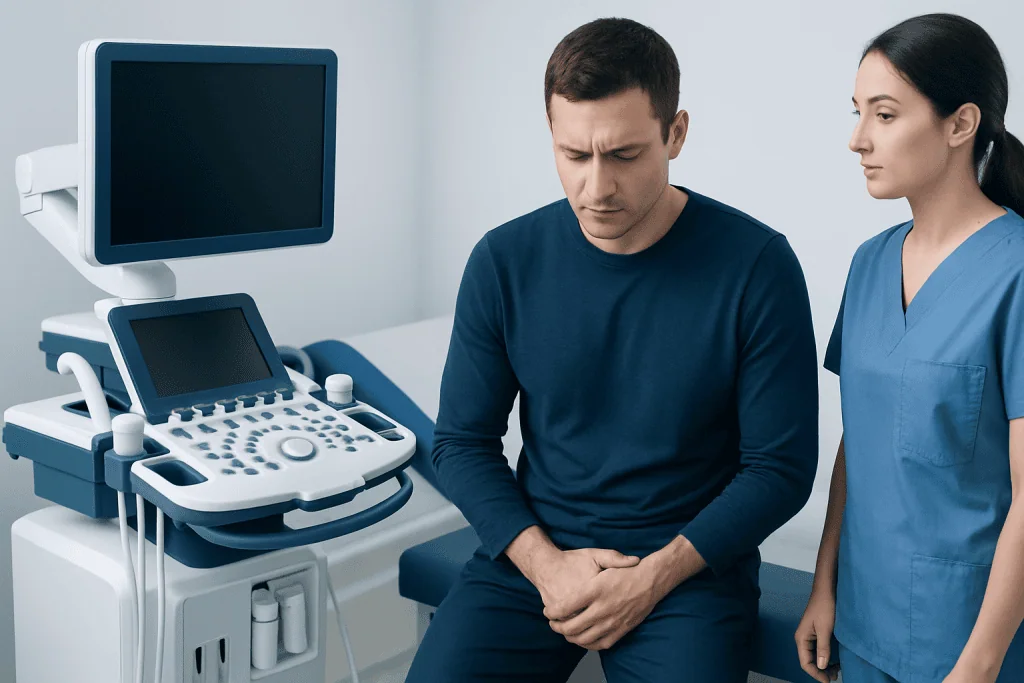
The most common symptom is pain in one side of the scrotum. The area may feel swollen, tender, warm, or heavier than usual. Pain may begin gradually and increase over time, though some people notice a more abrupt onset.
Other symptoms can include redness of the scrotal skin, discomfort in the lower abdomen or groin, pain during urination, a frequent urge to urinate, or discharge from the penis. Some people also develop fever or chills, especially when infection is involved.
Symptoms may overlap with other conditions that affect the testicle and surrounding tissues. These include testicular torsion, inguinal hernia, trauma, and bladder pain conditions. Because the treatments differ, a medical assessment is important whenever new or significant scrotal pain occurs.
- One-sided scrotal pain or tenderness
- Scrotal swelling or redness
- Painful urination or urinary frequency
- Penile discharge
- Fever, chills, or feeling unwell
Causes and Risk Factors
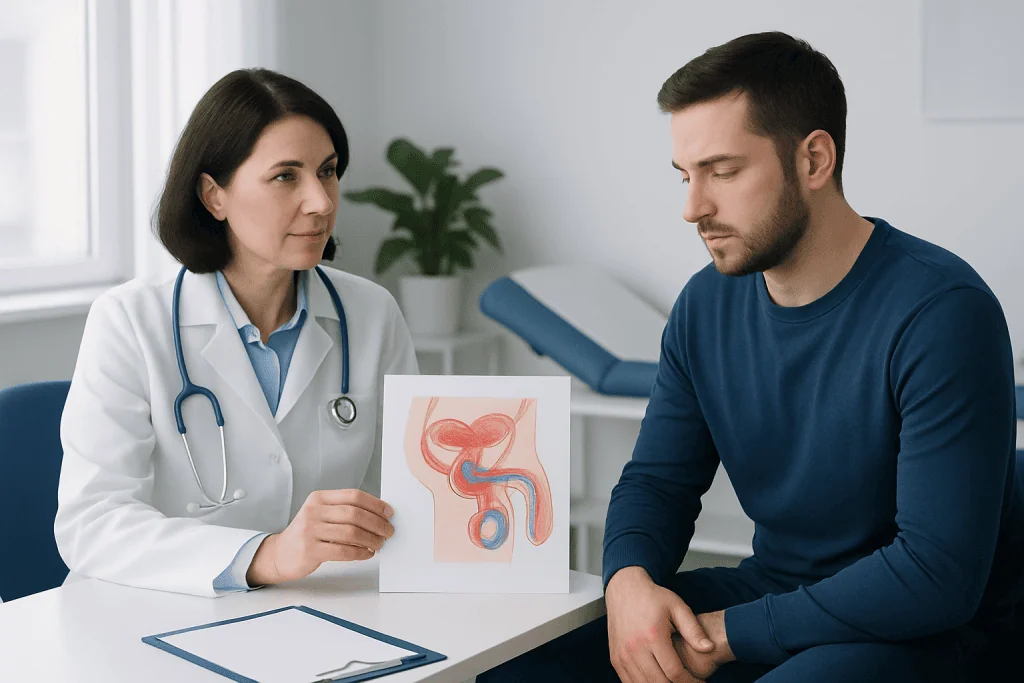
Epididymitis is most often caused by infection. In sexually active men, sexually transmitted infections such as chlamydia and gonorrhea are common causes. In other age groups, bacteria from the urinary tract or prostate may travel backward into the epididymis and trigger inflammation.
Not every case is linked to a sexually transmitted infection. Urinary tract infections, prostate problems, recent catheter use, procedures involving the urinary tract, and structural issues that affect urine flow can also raise the risk. Sometimes inflammation develops after heavy straining, trauma, or irritation, though infection remains a key cause to evaluate.
Risk factors may include unprotected sex, multiple sexual partners, a history of sexually transmitted infections, recent urinary infection, enlarged prostate, or previous urinary tract procedures. Conditions that affect urinary flow may sometimes require further evaluation, including tests such as cystoscopy or imaging like urologic CT or MRI when a doctor thinks they are needed.
How Epididymitis Is Diagnosed
Diagnosis usually begins with a medical history and physical examination. A doctor will ask about the timing of symptoms, sexual history, urinary symptoms, fever, recent infections, and any prior urologic problems. During the examination, the clinician will assess swelling, tenderness, and whether one or both sides are affected.
Urine tests are commonly used to look for signs of infection. Depending on symptoms and age, the doctor may also recommend testing for sexually transmitted infections. Blood tests may be used in some cases, especially if there is fever or concern about a more significant infection.
Imaging can be helpful when the diagnosis is uncertain or when doctors need to rule out other causes of scrotal pain. Ultrasound of the scrotum is often the first imaging test because it can assess blood flow and help distinguish epididymitis from testicular torsion, which is a surgical emergency. If urinary symptoms are also present, evaluation for related urinary infections may be part of the diagnostic workup.
Treatment Options
Treatment depends on the cause. If a bacterial infection is suspected, a doctor may prescribe antibiotics. It is important to complete the full course exactly as directed, even if symptoms begin to improve sooner. If a sexually transmitted infection is identified or strongly suspected, sexual partners may also need evaluation and treatment.
Supportive care also plays an important role. Rest, scrotal elevation or support, and over-the-counter pain relief recommended by a doctor can help ease discomfort. Applying a wrapped cold pack for short periods may reduce swelling, but it should not be placed directly on the skin.
If severe pain, high fever, vomiting, an abscess, or complications are present, hospital-based treatment may sometimes be needed. Surgery is uncommon but may be considered in rare cases such as drainage of an abscess or treatment of persistent complications. Management may also include addressing underlying urinary tract issues or other urologic conditions identified during evaluation.
Recovery Time and Self-Care
Recovery time varies depending on the cause, how quickly treatment begins, and whether there are any complications. Many people start to notice improvement within a few days of starting treatment, especially when antibiotics are effective. However, swelling and tenderness can take several weeks to fully settle.
During recovery, it helps to rest, avoid heavy lifting, and wear supportive underwear if it feels comfortable. Sexual activity should be discussed with a doctor, particularly when a sexually transmitted infection is involved. Following treatment instructions carefully can lower the risk of persistent symptoms or recurrence.
Some people continue to have lingering discomfort even after the infection has cleared. If pain lasts, worsens, or returns, follow-up is important to check for chronic inflammation, another diagnosis, or a structural urinary problem. In selected cases, a doctor may investigate associated bladder or urinary conditions, including bladder diseases, if symptoms suggest this is relevant.
Prevention and When to See a Doctor
Prevention depends on the underlying cause. Safer sex practices, including condom use and regular sexual health screening when appropriate, can reduce the risk of infections linked to epididymitis. Prompt treatment of urinary tract infections and follow-up for prostate or urine flow problems may also help lower risk.
It is important to seek medical care promptly for new scrotal pain, swelling, fever, or urinary symptoms. Sudden severe testicular or scrotal pain should be treated as urgent, because testicular torsion can cause similar symptoms and needs immediate treatment to protect the testicle.
If symptoms do not improve after treatment begins, return for reassessment. Ongoing pain may require more testing or a change in treatment. Near the end of the care journey, some patients may benefit from specialist review at centers such as Acibadem International, where multidisciplinary specialists in JCI-accredited hospitals diagnose and treat urologic conditions for international patients.
Frequently asked questions
Is epididymitis an emergency?
Epididymitis itself is not always an emergency, but scrotal pain should be assessed promptly. This is because testicular torsion can cause similar symptoms and requires urgent treatment. Sudden, severe pain should be treated as a medical emergency.
How long does epididymitis take to heal?
Many people begin to feel better within a few days after treatment starts. Even so, swelling or tenderness may take several weeks to fully improve. Recovery can be longer if diagnosis is delayed or if there are complications.
Can epididymitis go away on its own?
Because infection is a common cause, epididymitis should not be assumed to resolve safely without medical care. Assessment helps identify the cause and guides the right treatment. Delaying care may increase discomfort and the risk of complications.
Can epididymitis affect fertility?
Most cases do not lead to infertility, especially when treated promptly. However, severe, recurrent, or untreated inflammation can sometimes affect the surrounding reproductive structures. Anyone concerned about fertility should discuss this with a urologist.
Is epididymitis always caused by a sexually transmitted infection?
No. Sexually transmitted infections are one possible cause, especially in younger sexually active men, but urinary tract bacteria and other urologic issues are also common causes. The likely cause often depends on age, symptoms, and medical history.
What should someone avoid during recovery?
It is usually wise to avoid heavy lifting, strenuous activity, and anything that worsens pain until symptoms improve. If a sexually transmitted infection is suspected or confirmed, sexual activity should be paused until a doctor says it is safe. Following treatment and follow-up advice is an important part of recovery.
References
- National Institute of Diabetes and Digestive and Kidney Diseases
- Urology Care Foundation
- Centers for Disease Control and Prevention
- National Health Service
- European Association of Urology
This article is for general information only and is not a substitute for professional medical advice. Please consult a qualified doctor about your individual situation.
Epididymitis in Turkey — costs, top hospitals & a free quote
JCI-accredited · board-certified surgeons · reply within 24h
Add us as a Preferred Source to see more of our trusted health content across Google Search, AI Overviews and Discover.

Urology
Treatment of the urinary system and male reproductive health, including robotic and laser procedures.
61 specialists in this unit