What Is the Life Expectancy After a Major Diagnosis?
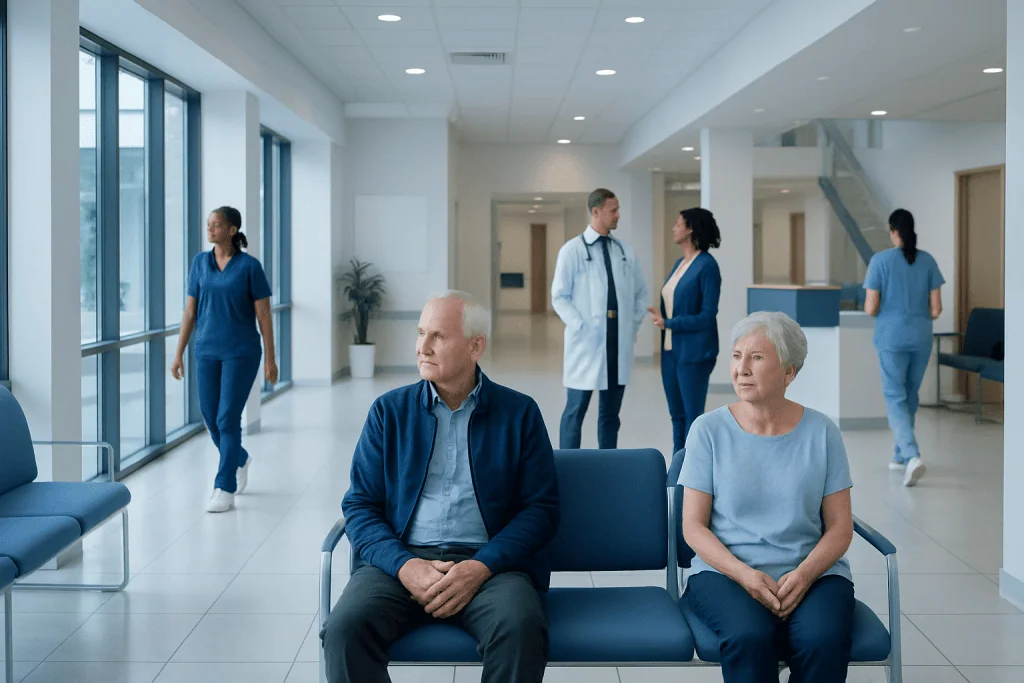
Prognosis is individual and may differ greatly even among people with the same diagnosis. Stage or severity, overall health, treatment options, and response to care all influence life expectancy.
Key Takeaways
- Prognosis is individual and may differ greatly even among people with the same diagnosis.
- Stage or severity, overall health, treatment options, and response to care all influence life expectancy.
- Population survival statistics can be useful, but they cannot predict exactly what will happen for one person.
- Early diagnosis, evidence-based treatment, and healthy daily habits can improve quality of life and sometimes outcomes.
- Open conversations with the care team can help patients understand both survival expectations and day-to-day goals.
Life expectancy after a major diagnosis is not a single fixed number. It depends on the specific condition, how advanced it is, a person’s age and general health, and how well treatment works over time.
Overview
When people ask about life expectancy after a major diagnosis, they are usually trying to understand prognosis: the likely course of an illness over time. This is a very human question, especially after hearing life-changing news. In medicine, however, prognosis is rarely simple. It is based on patterns seen in many patients, but each individual’s situation is unique.
A major diagnosis may include cancer, heart disease, stroke, kidney failure, chronic lung disease, neurodegenerative conditions, or another serious illness. Some conditions can be cured, some can be controlled for many years, and some progress despite treatment. Because of this, life expectancy may range from near-normal to significantly shortened depending on the disease and the person’s circumstances.
Doctors often use terms such as survival rate, median survival, remission, recurrence risk, disease progression, and functional status. These can sound technical, but they are simply tools to help estimate what may happen next. They are not exact predictions for one person, and many patients live longer or better than averages might suggest.
It can help to think about prognosis in two parts: how long a person may live, and how well they may live. Quality of life, symptom control, independence, and emotional well-being are also important outcomes. A careful discussion with a qualified doctor can place life expectancy in context and help patients focus on realistic and meaningful next steps.
What Influences Life Expectancy?
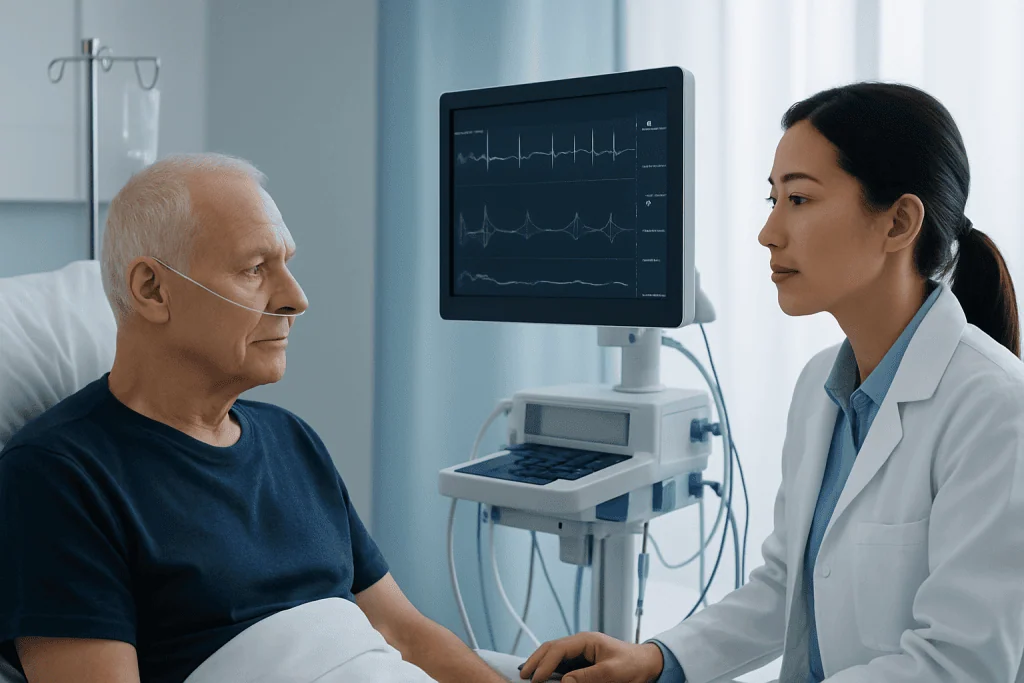
Life expectancy after a major diagnosis depends first on the exact condition and how advanced it is. For example, early-stage cancer often has a very different outlook from advanced cancer. The same is true for heart failure, chronic kidney disease, and many neurological conditions. A diagnosis made early generally offers more treatment options than one discovered at a later stage.
Age and overall health also matter. A younger person without other medical problems may tolerate treatment better and recover more quickly. By contrast, multiple chronic conditions such as diabetes, high blood pressure, obesity, or frailty can make treatment more difficult and affect long-term survival.
The biology of the disease is another important factor. Some illnesses progress slowly, while others are more aggressive. In cancer, features such as tumor type, grade, and molecular markers can strongly influence outcomes. In heart or lung disease, organ function tests and symptom severity help doctors estimate prognosis.
Other factors include access to medical care, support from family or caregivers, nutrition, physical activity, smoking status, and mental health. A person who can attend follow-up appointments, take medicines as prescribed, and report new symptoms early may have better outcomes than someone facing delays or barriers to care.
Understanding Prognosis and Survival Statistics
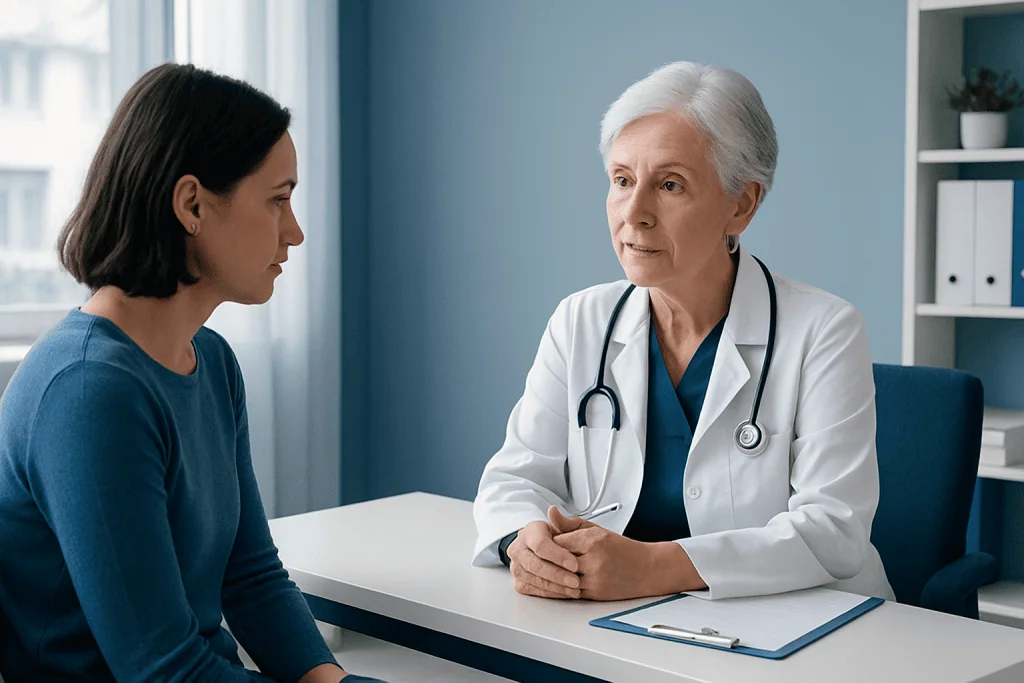
Doctors sometimes use statistics to explain life expectancy, but these numbers need careful interpretation. Survival statistics describe large groups of people, not one individual. They may show how many people are alive after a certain time, such as one year or five years after diagnosis, or they may report median survival, which is the point at which half the group has lived longer and half has lived less time.
These numbers can be helpful because they provide a broad picture. Still, they have limits. Statistics are often based on people treated in the past, sometimes before newer therapies became available. They may also combine patients of different ages, health status, and disease features, which can make the average less meaningful for any one person.
It is also important to know that prognosis can change. A person’s outlook may improve if treatment works well, if surgery removes disease successfully, or if a chronic illness becomes better controlled. In some cases, a serious diagnosis can become a long-term manageable condition rather than an immediate life-limiting one.
Patients may find it useful to ask the care team specific questions, such as: Is the disease curable, controllable, or progressive? What are the best-case, expected, and more difficult scenarios? How will treatment affect daily life? These questions often provide more useful guidance than a single number alone.
How Doctors Assess Life Expectancy
Prognosis is usually assessed through a combination of medical history, physical examination, laboratory tests, imaging, and disease-specific measures. Doctors consider how severe the illness is, whether it has spread or affected other organs, and how symptoms are changing over time. They also review any previous treatments and how well those treatments worked.
For cancer, prognosis may depend on biopsy results, imaging, stage, and whether the disease is localized or metastatic. For cardiovascular disease, doctors may assess heart function, exercise tolerance, blood vessel health, and the presence of complications. In chronic lung disease, breathing tests, oxygen levels, and symptom burden help define severity.
Functional status is another key part of prognosis. This refers to how well a person can carry out everyday activities such as walking, eating, dressing, and working. Even when two people have the same diagnosis, the one who remains more physically active and independent may have a different outlook than someone with advanced frailty.
Because prognosis can evolve, it should be reviewed regularly rather than discussed once and never revisited. Follow-up visits allow the care team to update expectations, explain test results, and adjust the treatment plan. In complex cases, a multidisciplinary team can be especially helpful in building a fuller picture of what to expect.
Treatment, Supportive Care, and Quality of Life
Treatment can influence both life expectancy and day-to-day well-being. Depending on the diagnosis, options may include surgery, medications, radiation therapy, targeted therapies, rehabilitation, or supportive treatments. Some therapies aim to cure disease, while others are designed to slow progression, relieve symptoms, and preserve function for as long as possible.
Supportive care is an important part of serious illness management at any stage, not only near the end of life. It may include pain relief, nutrition support, physical therapy, mental health support, and help with fatigue, breathlessness, or sleep problems. Good symptom control can improve comfort, energy, and independence, even when the underlying disease remains serious.
For some patients, rehabilitation after a major event such as stroke, surgery, or heart disease can make a meaningful difference in recovery and function. In other cases, long-term treatment may help stabilize the condition. If a diagnosis involves complex decisions, patients may benefit from care by specialists in fields such as oncology, cardiology, or neurology when available through their health system.
As care goals change, discussions may include advance care planning and palliative care. These conversations are not about giving up. They are about making sure treatment matches the patient’s values, priorities, and wishes, while supporting quality of life throughout the illness journey.
What Patients Can Do to Support Better Outcomes
Although no one can control every aspect of a serious illness, patients can take practical steps that may support better outcomes. Attending appointments, following the agreed treatment plan, reporting side effects early, and keeping an up-to-date list of medicines all help the care team respond quickly and safely.
Healthy daily habits remain important after a major diagnosis. Depending on medical advice, these may include stopping smoking, limiting alcohol, staying physically active within safe limits, eating balanced meals, getting enough sleep, and keeping vaccinations up to date. Managing other conditions such as diabetes or high blood pressure can also improve resilience during treatment.
Emotional and social support matter as well. Serious illness can bring fear, grief, uncertainty, and stress. Counseling, support groups, faith support, or simply regular contact with trusted family and friends may help patients cope better and feel less isolated. Mental well-being can affect motivation, symptom reporting, and treatment adherence.
Seeking clear information is also valuable. Patients may want to ask for plain-language explanations, a written care plan, or a second opinion when decisions are complex. Near the end of the care journey, centers such as Acibadem International may support international patients through multidisciplinary specialist evaluation in JCI-accredited hospitals when diagnosis and treatment planning require coordinated expertise.
When to Ask for More Help
Patients should contact their doctor if they notice worsening symptoms, new pain, weight loss, confusion, falls, swelling, breathing difficulty, bleeding, or side effects that make it hard to eat, drink, sleep, or function normally. Changes like these can affect both quality of life and prognosis, and they should not be ignored.
It is also important to seek support when the information feels unclear or overwhelming. If a patient does not understand the diagnosis, stage, treatment goal, or likely next steps, asking again is appropriate. Good care includes clear communication, and most clinicians welcome questions from patients and families.
Some people benefit from a second opinion, especially when treatment options are complex or there is uncertainty about the diagnosis. Another specialist may confirm the plan, offer additional perspectives, or explain alternatives more clearly. This can help patients feel more confident about important decisions.
Finally, urgent medical help is needed for emergency warning signs such as severe chest pain, sudden weakness, major bleeding, seizures, loss of consciousness, or severe shortness of breath. In those moments, immediate treatment is more important than discussing long-term life expectancy. Once the emergency is managed, the care team can return to prognosis and future planning.
Frequently asked questions
Can a doctor predict exactly how long someone will live after a major diagnosis?
No. Doctors can estimate prognosis based on the condition, its severity, overall health, and response to treatment, but they cannot predict an exact timeline for one individual. Prognosis is best understood as a range of possibilities rather than a fixed date.
Do survival statistics apply directly to one person?
Not exactly. Survival statistics describe what happened in groups of people and are useful for general guidance, but they cannot account for all the personal factors that shape an individual outcome. Newer treatments may also improve outcomes beyond older published data.
Does an early diagnosis improve life expectancy?
In many conditions, yes. Early diagnosis often allows treatment to begin sooner, before the disease becomes more advanced or causes more organ damage. This may improve both survival and quality of life, although the effect depends on the specific illness.
Can lifestyle changes still help after a serious diagnosis?
Often, yes. Stopping smoking, eating well, staying as active as safely possible, sleeping adequately, and managing other health problems can support recovery and overall resilience. These steps do not replace medical treatment, but they can complement it.
What should a patient ask about prognosis?
Useful questions include whether the condition is curable, controllable, or likely to progress; what treatment is meant to achieve; and what changes to expect in daily life. Patients can also ask what signs should prompt urgent contact with the care team.
Is palliative care only for the last days of life?
No. Palliative care can be introduced much earlier in a serious illness to help with symptoms, stress, decision-making, and quality of life. It can be provided alongside treatments intended to control or even cure disease.
References
- World Health Organization
- National Cancer Institute
- American Heart Association
- Centers for Disease Control and Prevention
- National Institute on Aging
This article is for general information only and is not a substitute for professional medical advice. Please consult a qualified doctor about your individual situation.
Heart care in Turkey — expert evaluation and treatment
JCI-accredited · board-certified surgeons · reply within 24h
Add us as a Preferred Source to see more of our trusted health content across Google Search, AI Overviews and Discover.
Check your numbers in seconds
BMI, calories, due date, blood pressure and 30+ more clinical calculators — free, instant, doctor-reviewed ranges.