How to Choose the Right Bone and Joint Center
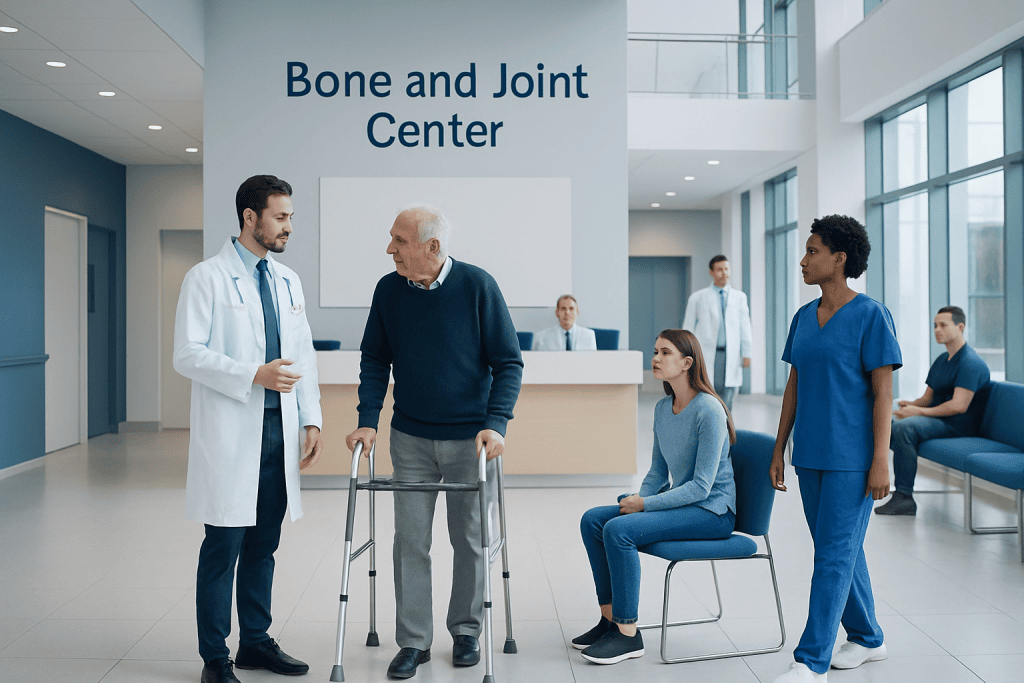
A strong bone and joint center provides coordinated care for bones, joints, muscles, ligaments, and the spine. Specialist experience, accurate diagnostics, and access to rehabilitation are key factors when comparing centers.
Key Takeaways
- A strong bone and joint center provides coordinated care for bones, joints, muscles, ligaments, and the spine.
- Specialist experience, accurate diagnostics, and access to rehabilitation are key factors when comparing centers.
- The best choice depends on the patient’s condition, treatment goals, age, activity level, and overall health.
- Patients should ask practical questions about treatment options, recovery support, and follow-up care.
- Quality communication and a patient-centered approach are just as important as technology and facilities.
Choosing the right bone and joint center can make diagnosis, treatment, and recovery more organized and effective. Patients often do best with centers that combine experienced specialists, modern imaging, rehabilitation, and clear communication in one coordinated setting.
Overview: What a Bone and Joint Center Does
A bone and joint center focuses on conditions that affect the musculoskeletal system, including bones, joints, muscles, tendons, ligaments, and sometimes the spine. These centers may evaluate common problems such as arthritis, sports injuries, fractures, back pain, tendon disorders, and joint damage caused by wear, overuse, or trauma.
Many patients benefit from a center-based approach because orthopedic care often involves more than one step. A person may need imaging, evaluation by a specialist, physical therapy, pain management, and sometimes surgery. When these services are organized within one center, communication can be smoother and treatment plans may be easier to follow.
Not every center is the same. Some mainly provide general orthopedic care, while others have subspecialists in knee, hip, shoulder, hand, foot and ankle, spine, sports medicine, pediatric orthopedics, or rehabilitation. The right choice depends on the patient’s symptoms, diagnosis, treatment preferences, and whether short-term injury care or long-term management is needed.
When a Specialized Center May Be Helpful
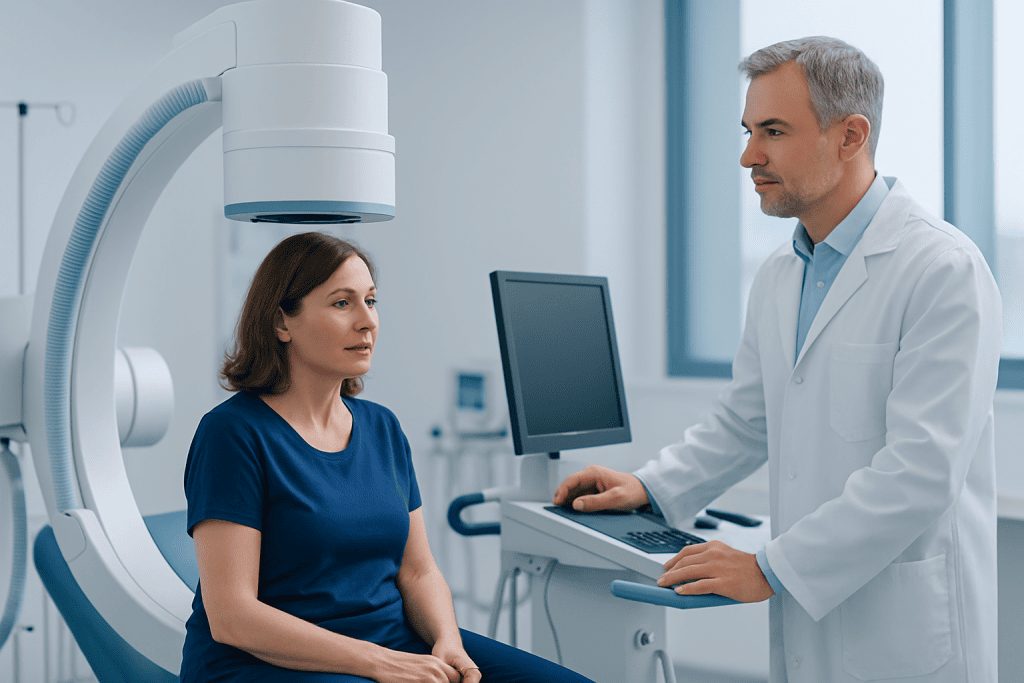
A specialized bone and joint center may be especially useful when symptoms are persistent, complex, or affect daily life. Examples include ongoing joint pain, repeated injuries, limited movement, swelling, weakness, difficulty walking, or bone problems that have not improved with basic care. People with previous orthopedic surgery may also benefit from a center with broad expertise if new symptoms develop.
Patients with known conditions such as knee osteoarthritis or scoliosis may need long-term follow-up and treatment from more than one professional. In these situations, coordinated input from orthopedic surgeons, physiatrists, radiologists, pain specialists, and physical therapists can help support better function and comfort.
A center may also be a good option for athletes, older adults, and people with physically demanding jobs. These groups often need treatment plans that consider mobility, strength, return to activity, and prevention of future injury. The goal is not only to diagnose the problem, but also to help the person move safely and confidently again.
What to Look for in a Bone and Joint Center
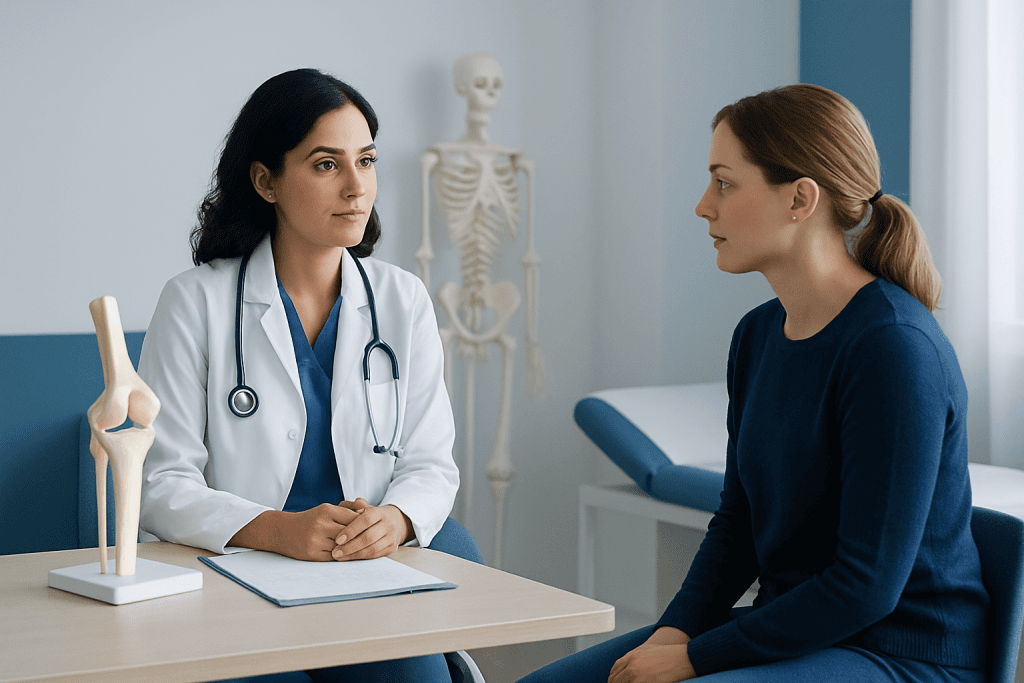
One of the first things to consider is the experience and training of the medical team. Patients may want to look for orthopedic specialists who regularly treat their specific condition, whether that involves joint degeneration, ligament injury, fracture care, or spinal concerns. Subspecialty expertise can be especially important for complex cases or when surgery is being considered.
Diagnostic capability also matters. Accurate assessment often depends on good clinical evaluation supported by imaging such as X-rays, ultrasound, CT, or MRI. A center with access to timely imaging and skilled interpretation may help reduce delays and make treatment planning clearer. It is also useful when specialists can review findings together rather than working in isolation.
Rehabilitation services are another major factor. Physical therapy, supervised exercise, gait training, and recovery planning are central parts of musculoskeletal care. For some patients, rehabilitation is the main treatment; for others, it is essential before or after surgery. A center that integrates rehabilitation is often better equipped to support long-term recovery.
Patients may also look at practical features such as appointment access, language support, follow-up systems, and how clearly the team explains options. Feeling heard and informed can improve decision-making and help patients stay engaged with treatment.
Questions to Ask Before Choosing a Center
Asking clear questions can help patients compare centers more confidently. It is reasonable to ask which specialists will be involved, how often they treat the same condition, what tests may be needed, and whether non-surgical treatment is considered before surgery when appropriate. Patients can also ask how the center handles second opinions and follow-up visits.
Questions about treatment planning are equally important. A patient may want to know whether care is personalized, how pain and function are measured over time, and what recovery support is available. For example, someone with severe joint damage may ask whether the center offers both conservative care and procedures such as knee replacement or hip replacement when they are medically appropriate.
For sports injuries or soft-tissue problems, it may be helpful to ask whether the team includes sports medicine physicians, rehabilitation experts, and surgeons with experience in procedures such as arthroscopy. Patients with foot and ankle pain might ask about gait analysis, bracing, and procedure options if needed. The best centers usually explain the full range of choices, including benefits, limitations, and expected recovery time.
- Who will lead the patient’s care plan?
- Are imaging and rehabilitation available on site or through coordinated referral?
- What non-surgical treatments are offered?
- When is surgery considered, and why?
- How will recovery and follow-up be monitored?
Why Multidisciplinary Care Matters
Bone and joint problems can affect many aspects of health, including mobility, sleep, work, exercise, and emotional well-being. Because of this, care is often most effective when different specialists work together. Multidisciplinary care may include orthopedic surgeons, sports medicine doctors, physiatrists, anesthesiologists or pain specialists, radiologists, rehabilitation therapists, and nursing staff.
This team-based model can be especially valuable when symptoms have more than one cause. For example, a person with knee pain may have cartilage wear, muscle weakness, movement pattern changes, and inflammation at the same time. Treating only one part of the problem may not provide the best result. A coordinated center can build a more complete plan that addresses diagnosis, symptom relief, strength, and function.
Multidisciplinary care is also helpful during recovery. After an injury or operation, patients may need staged rehabilitation, home exercise advice, guidance on returning to work, and periodic reassessment. Clear communication between the treating team can make these transitions more organized and reduce confusion.
Treatment Options a Good Center Should Offer
Not every patient needs surgery, so a well-rounded center should offer a spectrum of treatment options. Conservative care may include activity modification, physical therapy, targeted exercise, braces or supports, medication guidance, injections when appropriate, and education about joint protection and body mechanics. These approaches are often used first for many common orthopedic conditions.
When surgery is needed, patients should ideally have access to evidence-based procedures performed by experienced teams. Depending on the problem, this may include fracture fixation, tendon repair, ligament reconstruction, minimally invasive procedures, or joint replacement. Someone with severe cartilage loss, for instance, may need evaluation for robotic knee replacement if that technology is available and appropriate for their case, but it should be discussed as one option within a broader treatment plan rather than as a universal solution.
A good center should also explain expected results in realistic terms. The aim may be pain reduction, improved mobility, better stability, or return to daily activities, rather than a perfect joint or immediate recovery. Honest explanations help patients make informed decisions and prepare for rehabilitation, which is often just as important as the procedure itself.
Safety, Quality, and Patient Experience
Quality in orthopedic care is not only about equipment or reputation. It also includes safety standards, infection prevention, careful surgical planning, appropriate anesthesia support, and strong rehabilitation pathways. Patients may wish to choose centers that follow established clinical protocols and encourage shared decision-making.
Patient experience matters as well. Good communication, understandable instructions, and enough time to discuss concerns can reduce stress and help people feel more prepared. This is particularly important for older adults, international patients, and those deciding about major procedures. A supportive environment can improve confidence throughout diagnosis, treatment, and recovery.
Practical details should not be overlooked. Patients may want to ask about waiting times, accessibility, interpretation services, hospital stay expectations, and how emergency issues after treatment are handled. Near the end of the selection process, it can help to review whether the center provides continuity from first consultation through rehabilitation.
For international patients, some centers such as Acibadem International offer multidisciplinary orthopedic care in JCI-accredited hospitals, helping coordinate diagnosis, treatment, and follow-up across specialties. This may be useful for people seeking organized care in one system.
How to Make the Final Decision
The final choice should reflect both medical needs and personal priorities. A younger athlete with a ligament injury may prioritize sports medicine expertise and return-to-activity planning, while an older adult with arthritis may focus more on pain control, mobility, and joint replacement experience. There is no single best center for every person; the right choice is the one that fits the condition, goals, and comfort level of the patient.
It is often helpful to review consultation notes, compare recommendations, and seek a second opinion if the diagnosis or treatment plan is unclear. Patients do not need to rush unless there is an urgent injury such as a major fracture, rapidly worsening weakness, or signs of infection. Taking time to understand the options can lead to more confident decisions.
In general, the right bone and joint center combines expert evaluation, clear communication, access to diagnostics, thoughtful non-surgical care, and surgery when truly needed. With a patient-centered approach and strong rehabilitation support, many people can move toward better function and quality of life.
Frequently asked questions
What is a bone and joint center?
A bone and joint center is a medical service focused on problems affecting bones, joints, muscles, tendons, and ligaments. It may bring together orthopedic specialists, imaging, rehabilitation, and surgical care in one coordinated setting.
How is a bone and joint center different from a general clinic?
A general clinic may evaluate common aches and injuries, but a bone and joint center usually offers more specialized orthopedic expertise and testing. It may also provide direct access to physical therapy, sports medicine, and surgical consultation when needed.
Do all patients at a bone and joint center need surgery?
No. Many musculoskeletal problems improve with non-surgical care such as physical therapy, exercise, activity changes, bracing, or medication guidance. Surgery is usually considered when symptoms are severe, function is limited, or conservative treatment has not provided enough relief.
When should someone consider a specialized orthopedic center?
A specialized center may be worth considering when pain is persistent, movement is limited, injuries keep returning, or a condition is complex. It can also be helpful when a patient wants a second opinion or is being evaluated for an advanced procedure.
What should patients bring to their first appointment?
It is helpful to bring previous imaging reports, test results, a list of medications, and a summary of symptoms and past treatments. Writing down questions in advance can also help patients make the most of the visit.
Is rehabilitation important even if treatment is not surgical?
Yes. Rehabilitation is often a central part of orthopedic care, even without surgery. It can help improve strength, flexibility, balance, movement patterns, and confidence in daily activities.
References
- American Academy of Orthopaedic Surgeons
- National Institute of Arthritis and Musculoskeletal and Skin Diseases
- World Health Organization
- American College of Rheumatology
- MedlinePlus
This article is for general information only and is not a substitute for professional medical advice. Please consult a qualified doctor about your individual situation.
Joint and spine care in Turkey — expert assessment & treatment
JCI-accredited · board-certified surgeons · reply within 24h
Add us as a Preferred Source to see more of our trusted health content across Google Search, AI Overviews and Discover.

More from the Health Library

Related Specialists

Prof. Dr. Ferdane Pirinççi Sapmaz
Gastroenterology
Assoc. Prof. Dr. Ferda Çağavi
Neurosurgery
Dr. Uygar Cenik
Pulmonology
Prof. Dr. Mehmet E. Erdil
Orthopedic Surgery & Traumatology