Coronary Bypass Surgery Recovery in Older Adults: What to Expect
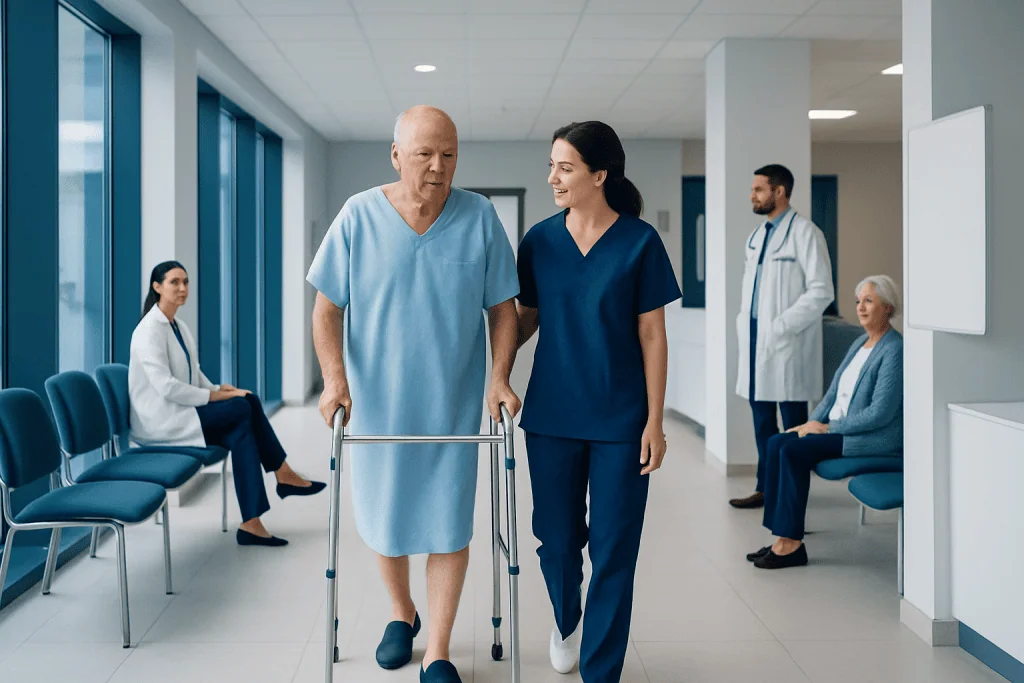
Recovery after coronary bypass surgery is usually slower in older adults, but meaningful improvement is common with structured support. Fatigue, discomfort around the chest incision, reduced appetite, and emotional ups and downs are common early in recovery.
Key Takeaways
- Recovery after coronary bypass surgery is usually slower in older adults, but meaningful improvement is common with structured support.
- Fatigue, discomfort around the chest incision, reduced appetite, and emotional ups and downs are common early in recovery.
- Walking, breathing exercises, and cardiac rehabilitation can help restore strength, mobility, and confidence.
- Older adults should watch closely for warning signs such as fever, worsening shortness of breath, chest pain, or incision problems.
- Managing medications, nutrition, sleep, and follow-up appointments is an important part of safe healing at home.
Coronary bypass surgery recovery in older adults is often gradual, with steady progress over several weeks to months. Most people recover best with good pain control, careful wound care, walking, breathing exercises, heart-healthy habits, and regular follow-up with their care team.
Overview: how recovery usually unfolds
Coronary bypass surgery, also called coronary artery bypass grafting or CABG, is performed to improve blood flow to the heart when coronary arteries are narrowed or blocked. In older adults, recovery can take a little longer than it does in younger people because the body often heals more slowly and other medical conditions may also be present. Even so, many older patients make steady progress with the right aftercare and support.
Recovery usually happens in stages. The first stage is in the hospital, where the care team focuses on pain control, breathing, circulation, walking, and monitoring the heart. The second stage begins at home or in a rehabilitation setting, where strength and independence gradually return. Full recovery may take several weeks to a few months, depending on the person’s overall health, the complexity of surgery, and whether there were any complications.
It is common for older adults and their families to worry if recovery feels slow. Tiredness, weakness, poor sleep, and limited stamina are expected early on. Improvement is often gradual rather than dramatic, and the goal is steady forward progress rather than a rapid return to normal activity.
Common symptoms and normal changes during healing

In the first days and weeks after surgery, several symptoms are considered normal. These may include soreness or tightness in the chest, shoulder or upper back discomfort, fatigue, reduced appetite, constipation, swelling in the legs, and mild shortness of breath with activity. If a vein was taken from the leg for the bypass graft, there may also be leg tenderness or swelling while that area heals.
Sleep often changes after heart surgery. Older adults may find it hard to sleep comfortably, may wake often during the night, or may need daytime naps. Mood changes can also happen. Some people feel tearful, anxious, forgetful, or emotionally flat for a period of time. These changes are usually temporary, but they should still be discussed with the care team if they interfere with daily life.
Appetite may be lower than usual, and food may taste different for a while. This can affect energy and healing, so small, frequent meals and good hydration can be helpful. Mild clicking or altered sensation around the breastbone incision may also occur as tissues heal, but worsening pain, redness, drainage, or instability of the chest should be reported.
- Expected early symptoms: tiredness, incision discomfort, poor sleep, reduced stamina
- Possible temporary changes: mood swings, reduced appetite, mild leg swelling
- Symptoms that should improve gradually: shortness of breath with mild activity, weakness, soreness
What affects recovery in older adults

Recovery after bypass surgery is influenced by many factors beyond age alone. Older adults are more likely to have conditions such as diabetes, kidney disease, lung disease, anemia, high blood pressure, or frailty, all of which can slow healing. Balance problems, arthritis, memory concerns, or reduced vision can also make it harder to move safely and manage medications after discharge.
The type of surgery and the condition of the heart matter too. People who had emergency surgery, had a lower heart pumping function, or developed complications such as infection, irregular heartbeat, stroke, or fluid buildup may need a longer recovery. A longer hospital stay can also lead to more deconditioning, meaning muscles weaken quickly from bed rest.
Social support is especially important. Older adults often recover better when a family member, caregiver, or home health team can help with meals, bathing, transportation, medications, and follow-up visits. Good communication between the patient, family, surgeon, cardiologist, and primary doctor can make recovery safer and less stressful.
Bypass surgery is commonly used to treat severe coronary artery disease, and many older adults also live with related conditions such as heart failure. When these conditions are managed carefully after surgery, recovery is often smoother and long-term heart health may improve.
Hospital recovery and the first days at home
After surgery, most patients spend time in intensive care before moving to a regular hospital room. During this period, the team monitors heart rhythm, blood pressure, oxygen levels, kidney function, pain, and wound healing. Tubes and wires are gradually removed as the patient becomes more stable. Older adults may need extra support to prevent confusion, dehydration, or falls during this transition.
Walking usually begins early, often with assistance. This can feel surprisingly difficult at first, but it is one of the most important parts of recovery. Gentle movement helps reduce the risk of blood clots, pneumonia, muscle loss, and constipation. Breathing exercises and use of an incentive spirometer also help keep the lungs open and clear after anesthesia and time in bed.
When patients go home, they receive instructions about bathing, lifting limits, medications, activity, sleep, and wound care. Families should understand these instructions clearly, including who to call with concerns. The first week at home is often the most tiring because patients are adjusting without constant hospital support. Planning for help with meals, transportation, and daily tasks can make this period much easier.
Treatment support during recovery
Recovery is not only about waiting for the body to heal. It also involves active treatment and support. Pain management helps people breathe deeply, walk, and sleep better. Medication review is essential because older adults may take many medicines, and timing or side effects can become confusing after discharge. Follow-up visits help clinicians monitor blood pressure, heart rhythm, fluid status, wounds, and overall progress.
Cardiac rehabilitation is one of the most helpful tools after bypass surgery. These supervised programs combine exercise, education, and support to help people regain stamina safely and lower future cardiovascular risk. For many older adults, cardiac rehabilitation improves confidence as much as physical recovery because patients learn how to exercise and monitor symptoms in a structured setting.
Some people need additional treatment if complications occur or if heart disease remains complex. Ongoing management by a cardiology team is important, especially when there are rhythm problems, heart failure symptoms, or recurrent chest discomfort. In selected situations, doctors may also use coronary angiography later on to assess blood flow if new symptoms suggest a graft or artery problem.
Near the end of recovery planning, some international patients may seek coordinated follow-up care. Acibadem International’s multidisciplinary specialists and JCI-accredited hospitals diagnose and treat heart conditions and support recovery after cardiac surgery for international patients.
Self-care, activity, and healthy habits at home
At home, activity should increase gradually. Short walks several times a day are usually encouraged, with rest periods in between. Patients should avoid overexertion, especially in the first weeks. Lifting, pushing, or pulling heavy objects is often restricted while the breastbone heals. A doctor should guide when driving, climbing stairs alone, returning to work, or resuming sexual activity is appropriate.
Good self-care also includes wound care, taking medicines exactly as prescribed, and checking weight if the care team recommends it. Sudden weight gain may suggest fluid buildup. Compression stockings, leg elevation, and regular walking may help with leg swelling if a vein was used from the leg, but patients should follow individualized advice from their surgeon.
Nutrition supports healing. Older adults may do well with small, balanced meals that include protein, fiber, fruits, vegetables, and adequate fluids unless fluid restriction has been advised. Limiting excess salt can help reduce swelling and support blood pressure control. Smoking should be stopped completely, and alcohol should only be used if the treating doctor says it is safe.
It is also important to protect emotional health. Recovery can feel frustrating when progress is slow. Family reassurance, realistic goals, daily routines, and asking for help can make a big difference. If sadness, anxiety, memory problems, or confusion persist, a healthcare professional should be informed.
When to contact a doctor urgently
Most symptoms improve gradually, but some warning signs need prompt medical attention. Patients should contact their doctor right away for fever, worsening redness or drainage at the incision, new or worsening shortness of breath, fainting, a racing or irregular heartbeat, or swelling that suddenly gets worse. Chest pain that is severe, persistent, or different from usual recovery discomfort should also be evaluated urgently.
Changes in mental state are particularly important in older adults. New confusion, unusual sleepiness, agitation, or difficulty speaking may signal infection, medication effects, dehydration, low oxygen, or even stroke. Families and caregivers often notice these changes first, so their observations are valuable.
Urgent help is also needed if there is calf pain with swelling, sudden one-sided weakness, blue lips, or any sign of serious bleeding. When in doubt, it is safer to call the care team early rather than wait. Quick attention to problems can prevent small issues from becoming major setbacks during recovery.
- Call promptly for fever, incision drainage, or worsening redness
- Seek urgent care for severe chest pain, major breathing trouble, or fainting
- Report confusion, new weakness, or trouble speaking immediately
Frequently asked questions
How long does coronary bypass surgery recovery take in older adults?
Recovery time varies, but many older adults need several weeks to regain basic strength and a few months to feel more fully recovered. Progress can be slower if there are other health conditions, postoperative complications, or significant weakness before surgery.
Is it normal to feel very tired after bypass surgery?
Yes. Fatigue is one of the most common symptoms after bypass surgery, especially in older adults. Energy usually returns gradually as pain improves, sleep normalizes, nutrition improves, and daily activity increases.
When can an older adult start walking after surgery?
Walking usually starts in the hospital with assistance and continues at home in short, frequent sessions. The distance and pace should increase gradually based on the surgeon’s or rehabilitation team’s guidance.
What foods are best during recovery after CABG?
Most patients do well with balanced meals that include protein for healing, fiber for bowel health, and fruits and vegetables for overall nutrition. If appetite is low, small frequent meals and good hydration may be easier than large meals.
What warning signs should family members watch for at home?
Families should watch for fever, worsening shortness of breath, chest pain, incision redness or drainage, fainting, or a very fast or irregular heartbeat. In older adults, new confusion, unusual drowsiness, or trouble speaking also needs urgent medical attention.
Can older adults benefit from cardiac rehabilitation after bypass surgery?
Yes. Cardiac rehabilitation can help improve stamina, confidence, and safe return to daily activities. It also teaches heart-healthy habits and helps patients understand which symptoms are normal and which need medical review.
References
- American Heart Association
- National Heart, Lung, and Blood Institute
- Mayo Clinic
- Society of Thoracic Surgeons
- National Institute on Aging
This article is for general information only and is not a substitute for professional medical advice. Please consult a qualified doctor about your individual situation.
Heart care in Turkey — expert evaluation and treatment
JCI-accredited · board-certified surgeons · reply within 24h
Add us as a Preferred Source to see more of our trusted health content across Google Search, AI Overviews and Discover.
Check your numbers in seconds
BMI, calories, due date, blood pressure and 30+ more clinical calculators — free, instant, doctor-reviewed ranges.

More from the Health Library



Related Specialists

Dr. Giray Girgin
Pediatrics
Assoc. Prof. Dr. Özden Sıla Ulus Buturak
Breast Clinic Clinical Service
Asst. Prof. Dr. Altuğ Özagar
Otorhinolaryngology
Dr. Nesibe Sönmez Demiryoğuran
Emergency Service