What Is Neurophysiology? How the Nervous System Is Tested and Measured
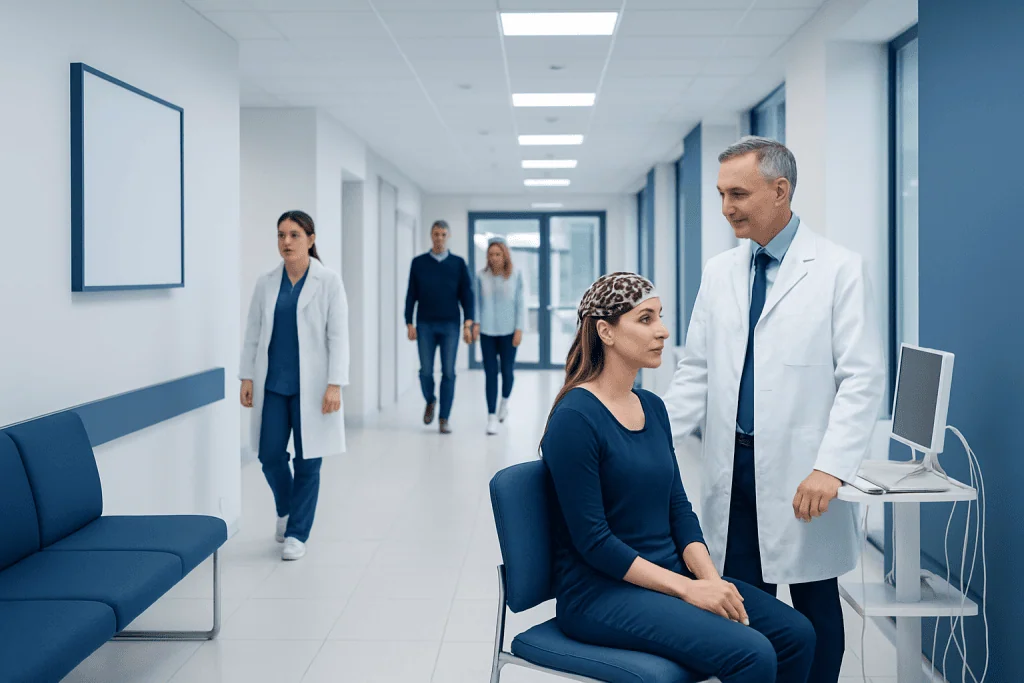
Neurophysiology evaluates how the nervous system functions rather than only how it looks on scans. Common neurophysiology tests include EEG, EMG, nerve conduction studies, and evoked potentials.
Key Takeaways
- Neurophysiology evaluates how the nervous system functions rather than only how it looks on scans.
- Common neurophysiology tests include EEG, EMG, nerve conduction studies, and evoked potentials.
- These tests can help investigate symptoms such as seizures, numbness, weakness, tingling, muscle cramps, and sleep-related concerns.
- Most neurophysiology tests are outpatient procedures and are generally well tolerated.
- Results are interpreted together with symptoms, examination findings, and imaging when needed.
Neurophysiology is the medical field that studies how the brain, spinal cord, nerves, and muscles work. It uses specialized tests to measure electrical activity and signal transmission, helping doctors diagnose and monitor many neurological conditions.
Overview: What neurophysiology means
Neurophysiology is the branch of medicine that measures how the nervous system works. The nervous system includes the brain, spinal cord, peripheral nerves, and muscles. Because these structures communicate through electrical signals, neurophysiology tests can record and analyze that activity in a direct and practical way.
This is different from imaging tests such as MRI or CT, which mainly show structure. A scan may reveal whether an area looks normal or abnormal, while neurophysiology can show whether signals are traveling properly, whether muscles are responding as expected, and whether brain activity follows normal patterns. In many situations, the two approaches complement each other.
Neurophysiology plays an important role in evaluating a wide range of symptoms. These include fainting episodes, suspected seizures, numbness, tingling, weakness, balance problems, muscle twitching, unexplained pain, and some sleep-related concerns. It can also help monitor known neurological disorders over time and assess recovery after injury or treatment.
How the nervous system is tested and measured
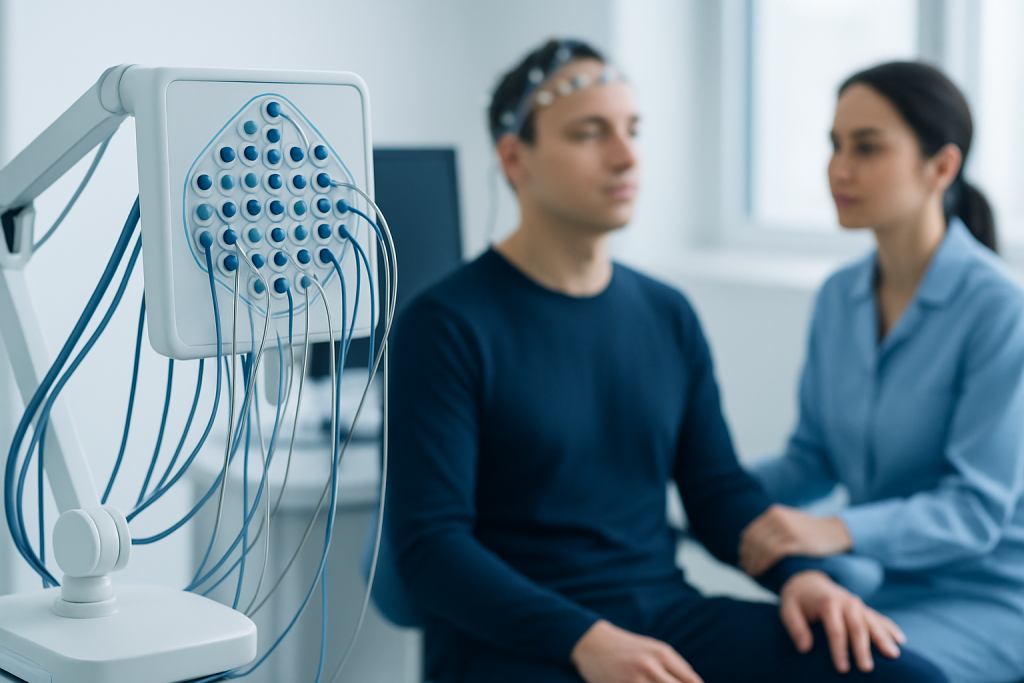
Most neurophysiology tests work by detecting natural electrical signals generated by the body or by observing how the body responds to a very small stimulus. Electrodes placed on the skin, the scalp, or occasionally in a muscle pick up these signals. A computer then records and displays them so a specialist can interpret the pattern, timing, and strength of the responses.
The nervous system can be assessed at different levels. Some tests focus on the brain, such as electroencephalography, also called EEG. Others examine the connection between nerves and muscles, such as electromyography and nerve conduction studies. Additional tests, called evoked potentials, evaluate how well signals travel along visual, hearing, or sensory pathways.
These measurements help answer practical clinical questions. For example, they may show whether symptoms come from a nerve, a muscle, the spinal cord, or the brain. They may also help distinguish temporary irritation from more persistent dysfunction and support the diagnosis of conditions such as epilepsy, peripheral neuropathy, radiculopathy, or neuromuscular disorders.
Common neurophysiology tests
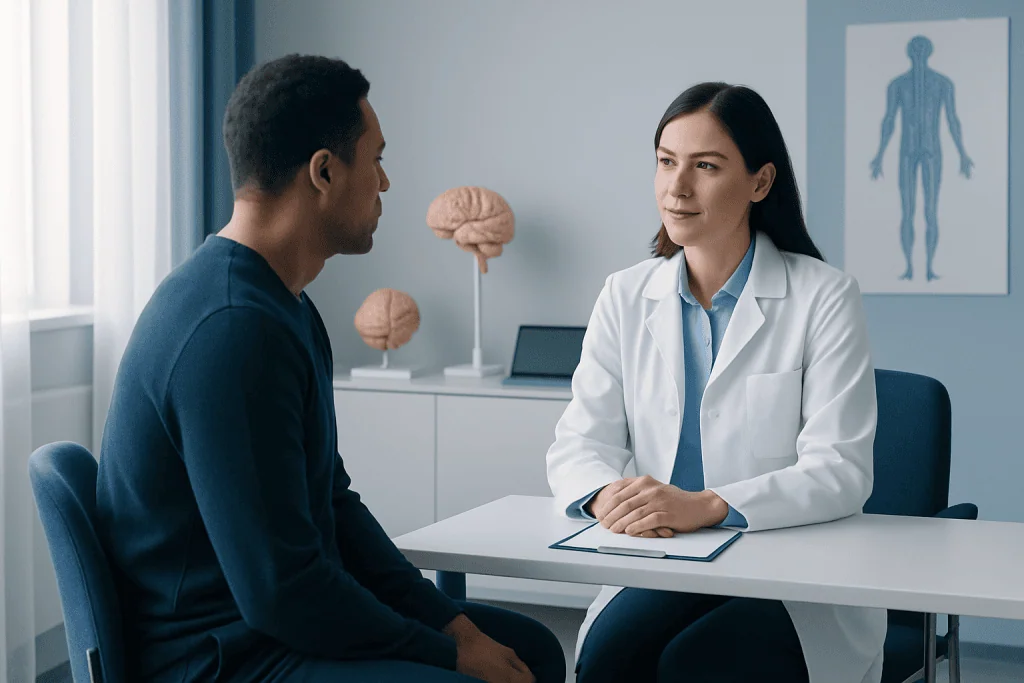
Several tests are used in neurophysiology, and the best choice depends on the person’s symptoms and medical history. Some patients need only one test, while others may benefit from a combination. Common studies include:
- EEG: Records the brain’s electrical activity through small electrodes placed on the scalp. It is often used when seizures, blackout episodes, or unusual spells are being investigated. It may also support the assessment of sleep disorders or altered consciousness. In many centers, this is performed as part of EEG testing.
- EMG: Measures electrical activity in muscles, usually using a very fine needle electrode. It helps evaluate muscle weakness, cramping, twitching, and suspected nerve or muscle disease. This may be arranged as EMG testing when clinically appropriate.
- Nerve conduction studies: Assess how fast and how strongly electrical signals travel through peripheral nerves. Small surface electrodes are placed on the skin, and a brief mild stimulus is used to test the nerve response. These studies are commonly paired with EMG to evaluate numbness, tingling, or suspected nerve compression.
- Evoked potentials: Measure the brain’s response to specific sensory stimuli, such as visual patterns, sounds, or gentle electrical stimulation. These tests can help evaluate pathways affected by conditions involving the optic nerves, spinal cord, or brain.
- Sleep studies and related monitoring: Some neurophysiology laboratories also assess brain waves, breathing, movement, and heart rhythm during sleep to investigate sleep-related disorders.
Each test offers different information. An EEG mainly evaluates brain wave patterns, whereas EMG and nerve conduction studies focus on peripheral nerves and muscles. Evoked potentials are especially useful when the concern is whether signals are reaching the brain normally.
Why these tests are done
Doctors may request neurophysiology tests to clarify unexplained symptoms, confirm a suspected diagnosis, or monitor a known condition. A person with recurrent episodes of staring, shaking, or temporary loss of awareness may need EEG assessment. Someone with burning feet, hand tingling, or leg weakness may need nerve conduction studies and EMG. The aim is to match the test to the symptom pattern.
Neurophysiology can help in the evaluation of disorders affecting the central and peripheral nervous systems. These may include seizure disorders, neuropathies, nerve compression syndromes such as carpal tunnel syndrome, disorders of the nerve roots in the spine, muscle diseases, motor neuron disorders, and some demyelinating conditions. It can also support the assessment of symptoms related to Parkinson's disease or multiple sclerosis when selected functional studies are relevant.
These tests are also valuable after treatment or injury. For example, they may be used to track nerve recovery, assess whether symptoms are improving, or help plan rehabilitation. In some cases, results can guide whether a person may need additional evaluation from neurology, neurosurgery, rehabilitation, or another specialty.
What to expect before, during, and after testing
Preparation depends on the test. Before an EEG, the person may be asked to arrive with clean hair and avoid hair products so scalp electrodes can attach well. For EMG and nerve conduction studies, it is usually helpful to avoid lotions or oils on the skin. The medical team may also review regular medications, implanted devices, bleeding history, or other health conditions to make sure the study is planned safely.
During an EEG, electrodes are placed on the scalp with adhesive or a soft cap, and brain activity is recorded while the person rests or performs simple tasks such as opening and closing the eyes. Some EEG studies include deep breathing, flashing lights, sleep deprivation, or extended monitoring if needed. EEG itself is painless, though the setup may take some time.
During nerve conduction studies, small electrodes are placed on the skin and brief electrical pulses are delivered to test nerve responses. Many people describe this as unusual or mildly uncomfortable rather than painful. During EMG, a fine needle electrode is inserted into selected muscles to record activity at rest and with movement. This can cause temporary discomfort, but the test is usually short and well tolerated.
After testing, most people can return to usual activities right away. A small amount of soreness after EMG is possible for a day or two. The final report is typically reviewed together with the person’s symptoms, physical examination, and any imaging or blood tests, because interpretation always depends on the broader clinical picture.
How doctors interpret the results
Neurophysiology results are rarely read in isolation. A normal result can be reassuring, but it does not automatically rule out every neurological problem. Similarly, an abnormal result needs to be interpreted carefully, because patterns may overlap and some findings can be mild, chronic, or not directly responsible for current symptoms.
In EEG, specialists look for changes in brain wave rhythm, symmetry, and abnormal discharges that may suggest seizure tendency or other brain dysfunction. In nerve conduction studies, they examine how quickly signals travel and how strong the responses are. In EMG, they assess how muscles behave at rest and during activation, which may indicate whether the issue lies in the nerve, the muscle, or the connection between them.
Sometimes the result points clearly to a diagnosis. In other cases, it narrows the possibilities and helps decide the next step, such as imaging, blood tests, or follow-up monitoring. For some patients, additional treatment planning may involve specialists in neurology or neurosurgery depending on the cause.
Safety, limitations, and when to seek medical advice
Neurophysiology tests are generally safe when performed by trained teams. EEG does not send electricity into the brain; it only records activity. Nerve conduction studies use small electrical stimuli, and EMG uses sterile needle electrodes to record muscle signals. The team takes precautions for comfort, infection control, and device safety when someone has a pacemaker, implanted stimulator, or other special circumstance.
Like any medical test, these studies have limitations. Some conditions may not show clear abnormalities early on, and some symptoms may come and go. A person’s age, body temperature, medications, and level of alertness can also influence results. This is one reason doctors often combine neurophysiology with clinical examination and imaging rather than relying on a single test alone.
A person should seek medical advice if they have unexplained weakness, persistent numbness, repeated fainting or blackout episodes, unusual movements, new seizures, severe balance problems, or changes in speech, vision, or awareness. Urgent medical attention is especially important for sudden symptoms, such as one-sided weakness, sudden confusion, or a first seizure.
For international patients who need further assessment, Acibadem International’s multidisciplinary specialists and JCI-accredited hospitals diagnose and treat neurological conditions using coordinated neurophysiology, imaging, and clinical care.
Frequently asked questions
Is neurophysiology the same as neurology?
No. Neurology is the broader medical specialty that diagnoses and treats disorders of the nervous system, while neurophysiology focuses on testing how the nervous system functions. Neurophysiology studies often support neurological diagnosis and follow-up.
What is the difference between EEG and EMG?
EEG records electrical activity from the brain using electrodes on the scalp. EMG records electrical activity from muscles, usually with a fine needle electrode, and is often combined with nerve conduction studies to assess peripheral nerves and muscles.
Are neurophysiology tests painful?
Many neurophysiology tests are painless or only mildly uncomfortable. EEG is generally painless, while nerve conduction studies feel like brief electrical pulses and EMG may cause temporary discomfort from the needle electrode. Most people complete these tests without major difficulty.
How long do neurophysiology tests take?
The length depends on the type of test and how many areas need to be assessed. A routine EEG may take under an hour, while EMG and nerve conduction studies can vary based on the symptoms being investigated. Some studies, such as prolonged EEG or sleep monitoring, may last much longer.
Can a normal neurophysiology test rule out a neurological problem?
Not always. A normal result can be reassuring, but some conditions may not appear clearly at the time of testing or may require a different type of study. Doctors interpret results together with symptoms, examination findings, and other investigations.
Who usually needs neurophysiology testing?
People with symptoms such as seizures, numbness, tingling, weakness, muscle twitching, unexplained pain, or suspected nerve compression may be referred for testing. It may also be used to monitor known neurological conditions or recovery after treatment or injury.
References
- National Institute of Neurological Disorders and Stroke
- American Clinical Neurophysiology Society
- NHS
- Mayo Clinic
- MedlinePlus
This article is for general information only and is not a substitute for professional medical advice. Please consult a qualified doctor about your individual situation.
Neurophysiology in Turkey — costs, top hospitals & a free quote
JCI-accredited · board-certified surgeons · reply within 24h
Add us as a Preferred Source to see more of our trusted health content across Google Search, AI Overviews and Discover.