Can You Get LASIK With Astigmatism? Eligibility Explained

Astigmatism does not automatically rule out LASIK. Eligibility depends on corneal thickness, corneal shape, prescription stability, and overall eye health.
Key Takeaways
- Astigmatism does not automatically rule out LASIK.
- Eligibility depends on corneal thickness, corneal shape, prescription stability, and overall eye health.
- A detailed preoperative eye examination is needed to confirm whether LASIK is suitable.
- If LASIK is not the best fit, alternatives such as PRK, LASEK, or other vision correction options may be considered.
- Dry eye, keratoconus, pregnancy, and unstable prescriptions can affect candidacy.
Many people with astigmatism can have LASIK, but eligibility depends on more than the glasses prescription alone. An eye surgeon looks at corneal shape, prescription stability, eye health, and expected results before recommending the safest option.
Overview: Can LASIK Correct Astigmatism?
Yes, LASIK can often correct astigmatism. Astigmatism happens when the cornea or, less commonly, the lens has an irregular shape, causing light to focus unevenly on the retina. This can lead to blurred vision, ghosting, glare, eye strain, or difficulty seeing clearly at night.
LASIK reshapes the cornea with a laser so light focuses more accurately. Many people who have astigmatism along with nearsightedness or farsightedness may be candidates for LASIK. Modern laser systems can treat many common levels of astigmatism with a high degree of precision, but not every eye is suitable.
The most important point is that having astigmatism alone does not decide eligibility. Eye specialists assess the entire eye, including the surface of the cornea, the strength and stability of the prescription, tear quality, pupil size, and general eye health. In some cases, another refractive procedure may provide a safer or more predictable outcome.
How Astigmatism Affects LASIK Eligibility
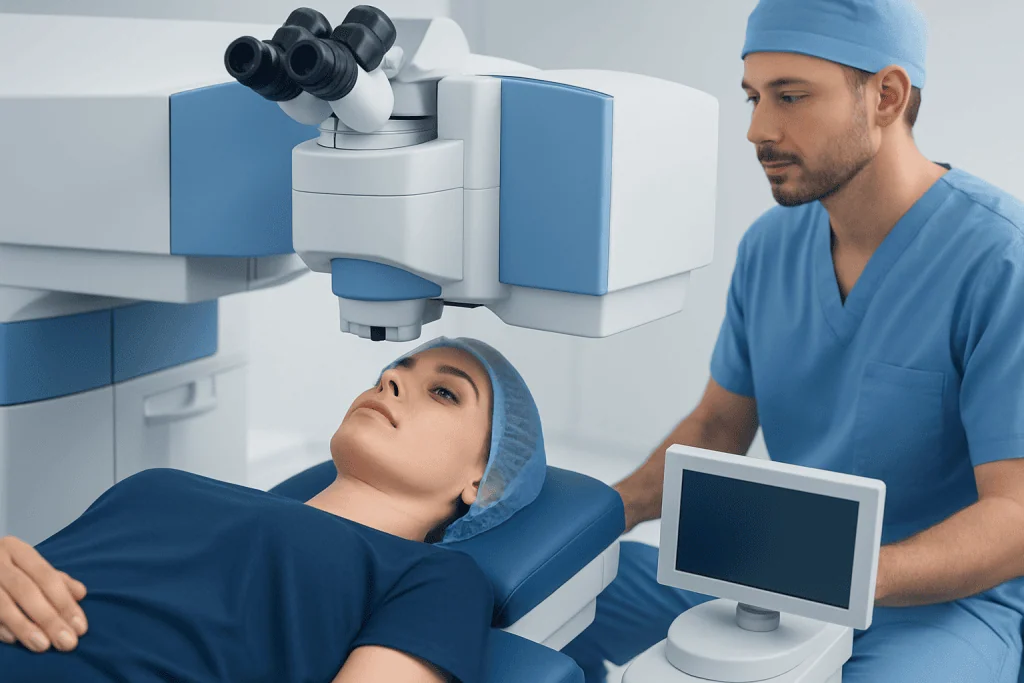
Astigmatism is measured in diopters and described by both power and axis. In practical terms, this means doctors look at how strong the irregular curvature is and where it lies on the cornea. Mild to moderate astigmatism is commonly treatable, while higher or more irregular astigmatism may need closer evaluation.
Regular astigmatism, where the curve follows a more predictable pattern, is usually easier to correct with laser vision surgery. Irregular astigmatism can be more complex and may be linked to corneal conditions that make LASIK less appropriate. This is why detailed corneal mapping is such an important part of the evaluation.
Doctors also consider whether the astigmatism has been stable over time. If the prescription is still changing, surgery may be postponed. A stable prescription usually suggests the eye has reached a more reliable baseline, which helps improve the accuracy and durability of results.
Patients who want to understand their diagnosis in more detail may also learn about astigmatism treatment options during their consultation, including whether glasses, contact lenses, or laser correction are most suitable for their daily needs.
Who May Be a Good Candidate?
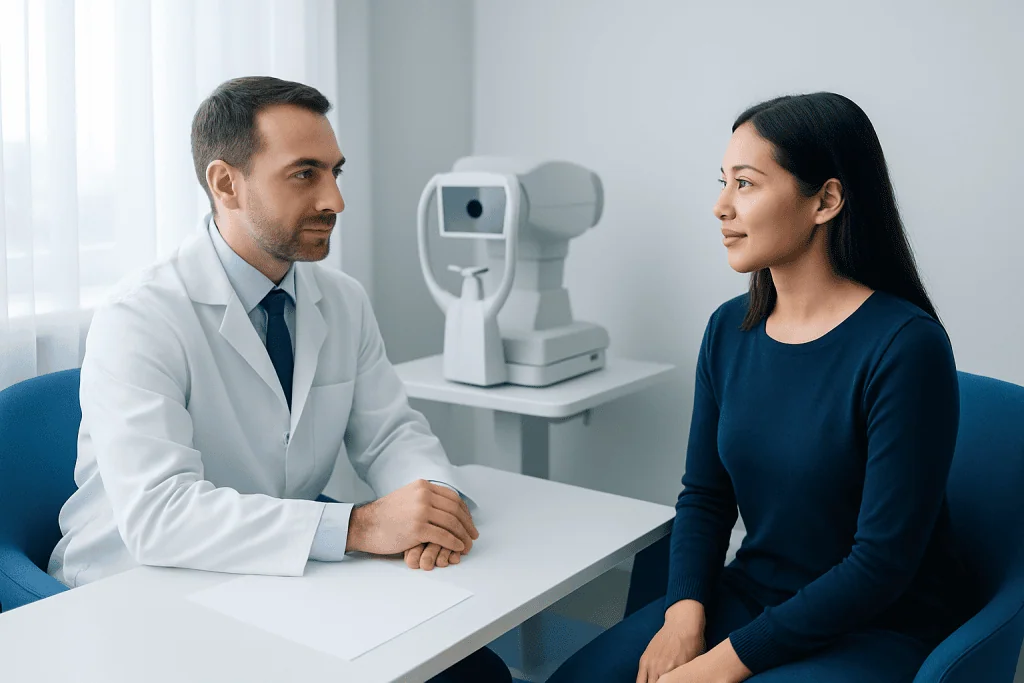
A person may be a good candidate for LASIK with astigmatism if they are an adult with a stable prescription, healthy corneas, and no major eye disease. Good candidates also tend to have realistic expectations. LASIK can reduce dependence on glasses or contact lenses, but perfect vision without any visual side effects cannot be promised for every patient.
The cornea must be thick enough and shaped in a way that allows safe reshaping. The surgeon also checks whether the amount of tissue to be removed falls within safe limits. If the cornea is too thin, too steep, too irregular, or shows signs of weakness, LASIK may not be advised.
General health and lifestyle matter as well. Autoimmune disorders, poorly controlled diabetes, significant dry eye, frequent eye rubbing, or certain medications may affect healing or outcomes. Pregnancy and breastfeeding can temporarily change vision and are often reasons to delay elective laser vision correction.
Contact lens wearers should know that lenses can temporarily alter corneal shape. Before a consultation, the doctor may ask the patient to stop wearing contact lenses for a period of time so that measurements taken during an eye examination are as accurate as possible.
When LASIK May Not Be the Best Choice
Not everyone with astigmatism is a safe LASIK candidate. One of the main reasons is an abnormal corneal shape, especially if there is concern for corneal thinning or ectasia. A well-known example is keratoconus, a condition in which the cornea gradually bulges forward and becomes irregular. In this situation, standard LASIK is generally avoided because it can further weaken the cornea.
People with suspected or confirmed keratoconus may need a different treatment plan, such as careful monitoring, specialty lenses, or keratoconus treatment. Other reasons LASIK may not be advised include severe dry eye, active eye infection or inflammation, cataracts affecting vision, untreated glaucoma, or retinal disease that requires priority assessment.
Very high prescriptions can also reduce suitability. In some cases, the amount of correction needed would remove too much corneal tissue or produce less predictable results. Age-related changes in near vision are another important point. LASIK can treat distance vision, but it does not stop the natural need for reading correction that often develops with presbyopia.
Sometimes the issue is not that LASIK cannot be done, but that another method may be better. Surface laser procedures or other refractive options may preserve more corneal strength or better match the patient’s anatomy and visual goals.
How Doctors Evaluate LASIK for Astigmatism
A LASIK assessment is much more detailed than a standard vision test. The process usually includes measurement of the glasses prescription, corneal thickness, corneal curvature, pupil size, tear film quality, and the health of the retina and optic nerve. Corneal topography or tomography is especially important because it creates a map of the front and sometimes back surface of the cornea.
The aim is to identify both suitability and safety. Doctors want to confirm that the patient’s blurred vision is mainly due to refractive error and not another eye condition. They also use these measurements to estimate how much laser treatment would be needed and whether enough corneal tissue would remain afterward.
Patients may be asked about symptoms such as dryness, fluctuating vision, glare, halos, or difficulty driving at night. Medical history, past eye injuries, previous infections, and family history of corneal disease can all be relevant. Because candidacy depends on many interacting factors, the answer is rarely based on one number alone.
If there are any unusual findings, the surgeon may recommend additional testing or referral to a subspecialist. This careful screening helps reduce risk and supports the most appropriate treatment choice for each individual.
Treatment Options if LASIK Is Suitable or Not Suitable
If LASIK is considered appropriate, the procedure is designed to reshape the cornea to reduce astigmatism and improve how light focuses. Recovery is often relatively quick, but healing still varies from person to person. Temporary dryness, glare, halos, and mild visual fluctuations can occur during the early healing period, and follow-up visits are important.
If LASIK is not ideal, there may still be effective alternatives. Surface procedures such as PRK or LASEK may be considered for some people with thinner corneas or other factors that make flap-based surgery less suitable. In selected cases, other techniques or continued use of glasses or contact lenses may offer the safest and most practical solution.
The best procedure depends on the eye’s structure, the degree and pattern of astigmatism, work and sports activities, dry eye status, and personal expectations. A surgeon may explain the benefits and trade-offs of each option, including comfort during recovery, healing time, and how likely each method is to meet the patient’s visual goals.
For international patients seeking a comprehensive assessment, Acibadem International’s multidisciplinary specialists and JCI-accredited hospitals diagnose and treat refractive eye conditions using individualized evaluation and treatment planning.
Preparation, Recovery, and When to Seek Medical Advice
Before surgery, patients are usually advised to stop wearing contact lenses for a recommended period, avoid eye makeup on the day of the procedure, and arrange transportation home. It also helps to discuss job demands, sports, and screen use, since these can shape both the timing of surgery and expectations during recovery.
After LASIK, most people notice visual improvement quickly, but the eyes still need time to settle. Doctors typically recommend using prescribed eye drops, avoiding rubbing the eyes, limiting water exposure to the eyes early on, and attending scheduled follow-up appointments. Dryness and fluctuating sharpness can happen during healing and often improve over time.
Patients should contact their doctor promptly if they develop increasing pain, sudden drop in vision, worsening redness, discharge, or light sensitivity that feels more than expected. These symptoms do not always mean a serious problem, but they should be checked without delay so that any complication can be treated early.
Even when LASIK is successful, regular eye care remains important. Routine examinations help monitor long-term eye health and identify other conditions that are unrelated to refractive surgery but can still affect vision later in life.
Frequently asked questions
Can mild astigmatism be treated with LASIK?
Yes, mild astigmatism is commonly treated with LASIK if the eyes are otherwise healthy. A full preoperative evaluation is still needed to confirm that the cornea is suitable and the prescription is stable.
Can someone with high astigmatism still have LASIK?
Sometimes, but eligibility depends on how high the astigmatism is and whether the cornea has a regular, healthy shape. In higher or more irregular cases, another procedure or non-surgical correction may be safer or more effective.
Why would a doctor say no to LASIK for astigmatism?
A doctor may advise against LASIK if the cornea is too thin, irregular, or shows signs of weakness, or if there is significant dry eye or another eye disease. The goal is to protect long-term eye health and choose the safest treatment, not simply to perform surgery.
Is LASIK permanent for astigmatism?
LASIK permanently reshapes the cornea, so the treated tissue change itself is lasting. However, eyes can still change over time due to aging, healing patterns, or other natural vision changes, so some people may still need glasses later.
What tests are needed before LASIK for astigmatism?
Testing usually includes refraction, corneal thickness measurement, corneal topography or tomography, tear film assessment, pupil evaluation, and a general eye health exam. These tests help determine both safety and the most appropriate treatment plan.
If LASIK is not suitable, what are the alternatives?
Alternatives may include PRK, LASEK, glasses, or contact lenses, depending on the reason LASIK is not advised. The best option depends on the cornea, prescription, lifestyle, and the patient’s visual priorities.
This article is for general information only and is not a substitute for professional medical advice. Please consult a qualified doctor about your individual situation.
Astigmatism in Turkey — costs, top hospitals & a free quote
JCI-accredited · board-certified surgeons · reply within 24h
Add us as a Preferred Source to see more of our trusted health content across Google Search, AI Overviews and Discover.

Ophthalmology
Comprehensive eye care from laser vision correction to retina, cornea and cataract surgery.
75 specialists in this unitRelated Treatments
More from the Health Library

LASIK Vision Institute vs Hospital Eye Centers

Ocular Prosthetics: What to Expect From Fitting, Appearance, and Long-Term Care

Corrective Eye Surgery: LASIK, PRK, SMILE, and More

Dry Eye Syndrome: Symptoms, Causes, and Relief Options

Tearing in Babies: When a Blocked Tear Duct Needs Treatment