Dry Eye Syndrome: Symptoms, Causes, and Relief Options

Dry eye syndrome may cause burning, stinging, redness, watery eyes, light sensitivity, or fluctuating blurred vision. Common triggers include aging, screen use, dry air, contact lenses, eyelid inflammation, certain medicines, and autoimmune conditions.
Key Takeaways
- Dry eye syndrome may cause burning, stinging, redness, watery eyes, light sensitivity, or fluctuating blurred vision.
- Common triggers include aging, screen use, dry air, contact lenses, eyelid inflammation, certain medicines, and autoimmune conditions.
- Diagnosis is based on symptoms, eye surface examination, tear quality, tear quantity, and eyelid health.
- Relief options range from preservative-free artificial tears and lid hygiene to prescription anti-inflammatory drops, tear conservation procedures, or treatment of underlying disease.
- Self-care steps such as screen breaks, humidification, avoiding smoke, and careful contact lens use can support long-term comfort.
- Persistent or worsening symptoms should be assessed by an ophthalmologist or optometrist to prevent ongoing irritation and rule out other eye conditions.
Dry eye syndrome is a common eye surface condition that happens when tears are not enough, not stable, or not balanced to keep the eyes comfortable. With the right diagnosis and a personalized care plan, most people can reduce irritation and protect daily vision comfort.
Overview
Dry eye syndrome, also called dry eye disease, is a condition in which the tear film does not keep the surface of the eye properly lubricated. Tears are more than simple water. They include a carefully balanced mixture of water, oils, mucus, nutrients, and protective proteins that help the eyelids glide smoothly, keep vision clear, and defend the eye surface from irritation.
When the tear film becomes unstable, evaporates too quickly, or is produced in insufficient amounts, the eye surface can feel dry, gritty, tired, or inflamed. Some people are surprised that dry eye can also cause watery eyes. This happens when irritation triggers reflex tearing, but these extra tears may not have the right quality to provide lasting relief.
Dry eye syndrome can be mild and occasional, or it can become a chronic condition that affects reading, computer work, driving, contact lens comfort, and sleep quality. The reassuring news is that many effective relief options are available. Treatment usually works best when it is matched to the type and cause of dry eye rather than relying on a single product for everyone.
Dry Eye Symptoms
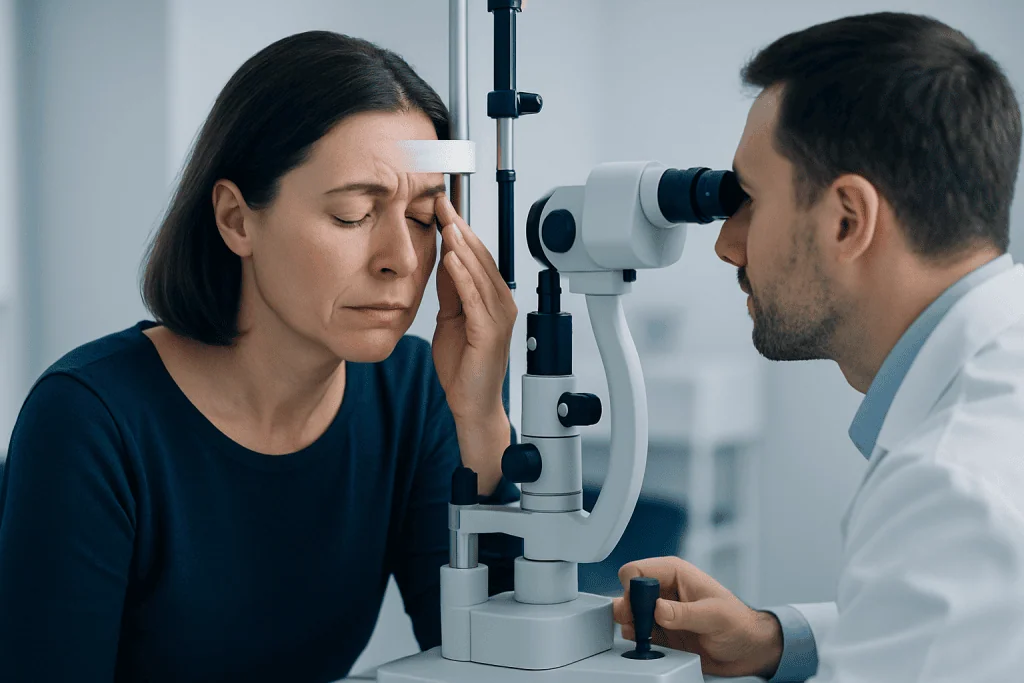
Dry eye symptoms can vary from person to person and may change during the day. Many people notice symptoms more strongly in the evening, after long periods of screen use, in air-conditioned rooms, during flights, or in windy weather. Symptoms may be present in one eye, but they usually affect both eyes to some degree.
Common dry eye symptoms include:
- Burning, stinging, or a scratchy feeling
- A gritty sensation, as if sand or dust is in the eye
- Redness or irritation
- Watery eyes, especially in wind or bright light
- Blurred or fluctuating vision that improves after blinking
- Eye fatigue during reading, driving, or computer work
- Light sensitivity
- Stringy mucus around the eyes
- Discomfort when wearing contact lenses
Symptoms do not always match the visible appearance of the eye. A person may have significant discomfort with only mild redness, while another may have noticeable eye surface changes with fewer symptoms. This is one reason a professional eye examination is important when symptoms persist or interfere with daily activities.
Causes and Risk Factors

Dry eye syndrome usually develops because of one or both of two main problems: not enough tear production or tears that evaporate too quickly. Evaporative dry eye is often related to meibomian gland dysfunction, a condition in which the small oil glands in the eyelids do not release enough healthy oil into the tear film. Without this oil layer, tears break up quickly and the eye surface becomes exposed.
Several factors can increase the risk of dry eye. These include aging, hormonal changes, eyelid inflammation, previous eye surgery, long-term contact lens wear, and certain medical conditions such as rheumatoid arthritis, Sjogren syndrome, thyroid eye disease, diabetes, and skin conditions affecting the eyelids. Some medicines may also contribute, including certain antihistamines, antidepressants, acne medications, blood pressure medicines, and hormone-related treatments.
Environmental and lifestyle factors are also important. Long hours on computers or phones reduce the natural blink rate, which can make tears evaporate faster. Dry climates, wind, smoke, air conditioning, heating systems, and frequent air travel may worsen symptoms. Makeup, eyelid tattooing, poor eyelid hygiene, and sleeping with incomplete eyelid closure can also contribute in some individuals.
Because dry eye has many possible causes, successful care often involves identifying the main drivers for each patient. For example, a person with screen-related symptoms may need blink training and workplace changes, while someone with eyelid gland dysfunction may benefit from lid care and targeted medical treatment.
Diagnosis
Dry eye diagnosis begins with a careful discussion of symptoms, health history, medications, work habits, contact lens use, and environmental exposures. An eye care professional will ask when symptoms occur, what makes them better or worse, and whether there are associated problems such as dry mouth, joint pain, eyelid crusting, allergies, or skin inflammation.
The examination usually includes checking vision, eyelid position, blink quality, and the surface of the eye with a slit lamp microscope. The doctor may use special dyes to see whether the tear film breaks up too quickly or whether there are tiny dry spots on the cornea or conjunctiva. These stains are temporary and help guide the severity assessment.
Additional tests may measure tear production, tear osmolarity, inflammation markers, or the function of the meibomian glands. In some cases, the doctor may recommend blood tests or referral to another specialist if an autoimmune disease or systemic condition is suspected. Diagnosis is not only about confirming dry eye; it is also about identifying the subtype so treatment can be more precise.
Treatment Options
Dry eye treatment is usually stepwise and individualized. Mild cases may improve with lubricating eye drops and environmental changes, while more persistent disease may need prescription medicines or office-based procedures. People should avoid using redness-relief drops regularly unless a doctor specifically recommends them, because some can worsen irritation when overused.
Common treatment options include preservative-free artificial tears, lubricating gels or ointments, warm compresses, eyelid cleansing, and treatment of eyelid inflammation. If tear evaporation is a major problem, improving meibomian gland function may be central to care. Contact lens users may need lens refitting, a different lens material, reduced wearing time, or treatment before returning to comfortable lens wear.
For moderate to severe dry eye, an ophthalmologist may recommend prescription anti-inflammatory eye drops, short courses of other medicated drops, or treatments that help the eyes produce better tears. Punctal plugs may be used in selected patients to reduce tear drainage and keep natural or artificial tears on the eye longer. In specific cases, therapeutic contact lenses, intense pulsed light treatment for eyelid gland disease, or management of underlying autoimmune disease may be considered.
No single treatment works for everyone, and improvement can take time. Patients often do best when they follow a consistent plan, return for follow-up, and report any side effects or lack of improvement. Treatment may need adjustment as seasons, screen habits, hormone status, or other health conditions change.
Prevention and Self-care
Self-care cannot replace medical treatment when dry eye is significant, but it can make a meaningful difference in comfort. A helpful first step is to notice patterns: symptoms after screen use, during travel, in certain rooms, after makeup use, or when wearing contact lenses. Reducing triggers may decrease the need for frequent drops.
Practical self-care measures include:
- Taking regular screen breaks and blinking fully and deliberately
- Using the 20-20-20 habit: every 20 minutes, look about 20 feet away for 20 seconds
- Positioning screens slightly below eye level to reduce tear evaporation
- Using a humidifier in dry indoor environments
- Avoiding direct airflow from fans, car vents, and air conditioners
- Wearing wraparound sunglasses in wind or bright outdoor conditions
- Removing eye makeup gently and keeping eyelid margins clean
- Following safe contact lens hygiene and replacement schedules
Some people ask about nutrition. A balanced diet that supports overall health is reasonable, and omega-3 fatty acids may be discussed with a doctor for selected patients. Supplements are not appropriate for everyone, especially people taking blood-thinning medicines or those with certain medical conditions, so personalized advice is recommended.
When to See a Doctor
A person should arrange an eye examination if dryness, burning, redness, or blurred vision lasts more than a few days, keeps returning, or affects daily activities. Medical assessment is also important before starting long-term self-treatment, because allergies, infections, corneal problems, eyelid disorders, and inflammatory eye diseases can sometimes feel similar to dry eye.
Prompt care is recommended if there is eye pain, sudden vision loss, significant light sensitivity, injury, chemical exposure, thick discharge, or a very red eye. Contact lens wearers should be especially cautious; lenses should be removed if pain, redness, or blurred vision develops, and an eye care professional should be consulted.
Patients with autoimmune disease, dry mouth, thyroid disease, diabetes, or a history of eye surgery may benefit from earlier evaluation and ongoing monitoring. At Acibadem International, multidisciplinary specialists and JCI-accredited hospitals provide diagnosis and treatment for dry eye and related eye conditions for international patients, with care plans based on clinical findings and individual needs.
Frequently asked questions
Is dry eye syndrome permanent?
Dry eye syndrome can be temporary or chronic, depending on the cause. Symptoms caused by screen use, dry air, or a short-term medication may improve when triggers are corrected. Dry eye related to aging, eyelid gland dysfunction, autoimmune disease, or hormone changes often needs ongoing management rather than a one-time cure.
Why do my eyes water if I have dry eye?
Watery eyes can happen because dryness irritates the eye surface and triggers reflex tearing. These reflex tears are often watery and may not contain enough oil or mucus to stay on the eye and protect it well. As a result, the eyes can feel both watery and dry at the same time.
Are artificial tears safe to use every day?
Artificial tears are commonly used for daily dry eye relief, especially preservative-free products when drops are needed often. However, frequent symptoms should still be evaluated by an eye care professional to confirm the diagnosis and identify the cause. Patients should avoid long-term routine use of redness-relief drops unless advised by a doctor.
Can dry eye affect vision?
Yes, dry eye can cause blurred or fluctuating vision because the tear film is the first smooth focusing surface of the eye. Vision may clear briefly after blinking or using lubricating drops. Persistent blurred vision should be assessed to rule out other eye conditions.
Does screen time cause dry eye?
Screen time can contribute to dry eye symptoms because people blink less often and may not blink completely while concentrating. This allows tears to evaporate faster. Regular breaks, proper screen position, and conscious blinking can help, but persistent symptoms may need medical treatment.
Can contact lenses make dry eye worse?
Contact lenses can worsen dryness in some people by affecting tear film stability and increasing evaporation. Discomfort may improve with a different lens type, adjusted wearing schedule, improved lens hygiene, or treatment of underlying dry eye. Contact lenses should be removed if the eye becomes painful, very red, or vision becomes unclear.
When is dry eye considered serious?
Dry eye should be taken seriously when symptoms are persistent, painful, worsening, or associated with light sensitivity or reduced vision. Severe or untreated dry eye can sometimes damage the eye surface. An eye care professional can assess severity and recommend treatment to protect comfort and vision.
This article is for general information only and is not a substitute for professional medical advice. Please consult a qualified doctor about your individual situation.
Explore treatments in Turkey — costs, top hospitals & a free quote
JCI-accredited · board-certified surgeons · reply within 24h
Add us as a Preferred Source to see more of our trusted health content across Google Search, AI Overviews and Discover.
Check your numbers in seconds
BMI, calories, due date, blood pressure and 30+ more clinical calculators — free, instant, doctor-reviewed ranges.

Related Treatments
More from the Health Library

Cataract Surgery vs Refractive Lens Exchange: Which Is the Better Option?

Are You Awake During LASIK? What Happens in Surgery

Femto LASIK Cost in Turkey: What Is Included and What Changes the Price?

Ptosis Surgery: Who May Benefit and What Recovery Is Like

What an Eye Exam Can Detect: Common Tests, Results, and Next Steps