Does Insurance Cover LASIK? Coverage and Exceptions

Most health insurance plans do not fully cover LASIK because it is usually considered elective. Some vision insurance plans offer discounts, network pricing, or limited refractive surgery benefits.
Key Takeaways
- Most health insurance plans do not fully cover LASIK because it is usually considered elective.
- Some vision insurance plans offer discounts, network pricing, or limited refractive surgery benefits.
- Coverage exceptions may be possible when refractive surgery is medically necessary rather than purely elective.
- Flexible spending accounts and health savings accounts may help pay eligible LASIK-related costs.
- Patients should review plan documents carefully and ask for written preauthorization or benefit confirmation.
LASIK is usually not covered by standard health insurance because it is commonly classified as an elective vision-correction procedure. However, some vision plans, employer benefits, health accounts, or medically necessary exceptions may help reduce out-of-pocket costs.
Overview: Does Insurance Cover LASIK?
The short answer to the question, does insurance cover LASIK, is usually no. In many countries and insurance systems, LASIK is considered an elective procedure that reduces dependence on glasses or contact lenses rather than treating a disease that threatens eye health. Because of that classification, standard medical insurance often does not pay for it.
That said, coverage is not always all-or-nothing. Some vision insurance plans include negotiated discounts, preferred provider pricing, or partial refractive surgery benefits. In addition, patients may sometimes qualify for financial help through employer-sponsored programs, flexible spending arrangements, or health savings accounts, depending on local rules and the details of their policy.
It is also important to know that LASIK is only one form of refractive surgery. Some people may be better candidates for alternatives such as PRK or LASEK, depending on corneal thickness, lifestyle, dry eye symptoms, or other eye findings. Insurance rules for these procedures are often similar, but exact coverage varies by insurer and plan.
Why LASIK Is Often Considered Elective
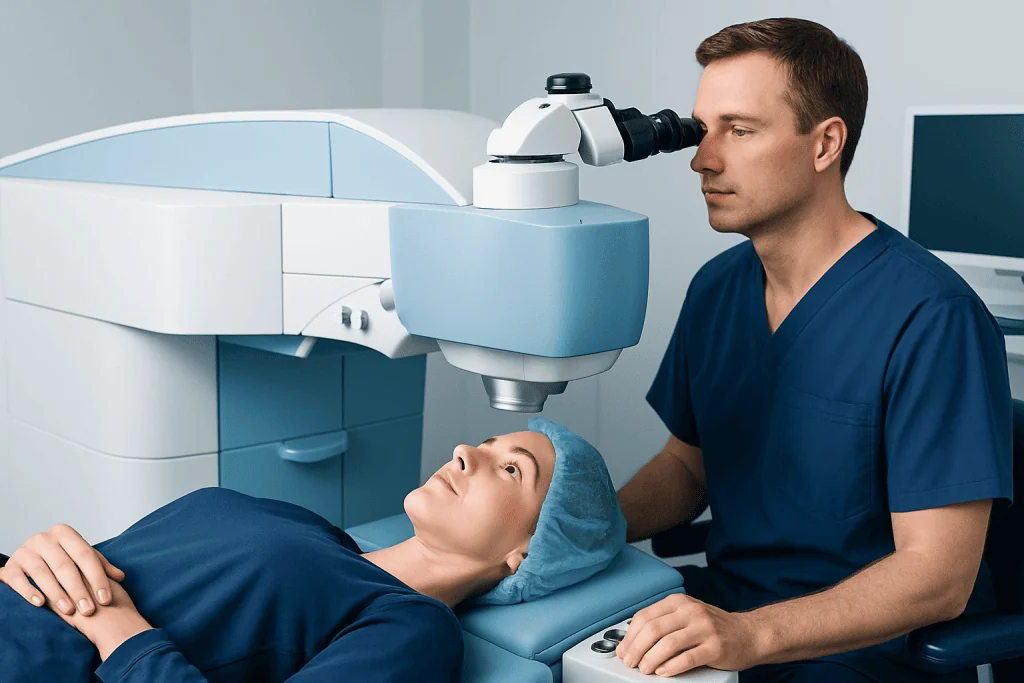
Insurance companies generally separate procedures into two broad categories: medically necessary care and elective care. LASIK is most often placed in the elective category because nearsightedness, farsightedness, and many cases of astigmatism can usually be managed with glasses or contact lenses. In other words, the person can still achieve functional vision without surgery.
From the insurer’s perspective, if a condition can be corrected by less invasive options, surgery may not meet the usual threshold for medical necessity. This is why a policy may pay for eye exams, glasses allowances, or contact lens benefits, but not for laser surgery intended to reduce dependence on them.
Another reason for limited coverage is that LASIK is designed to improve convenience and quality of life rather than to treat urgent or progressive eye damage in most cases. That does not mean the procedure is unimportant. For many people, it can be life-enhancing. It simply means insurers often view it differently from surgery for cataracts, glaucoma, retinal disease, or other conditions that more clearly threaten vision or eye health.
Possible Coverage Exceptions and Special Cases

Although uncommon, there are situations in which refractive surgery may receive partial coverage or be reviewed under medical necessity rules. These cases depend heavily on the insurer’s policy language and the findings of an eye specialist. A person should never assume an exception applies without written confirmation from the insurer.
Examples that may sometimes trigger special review include severe refractive error that cannot be adequately corrected with glasses or contact lenses, intolerance to contact lenses when they are medically important, or corneal conditions that make standard correction difficult. If a person has significant astigmatism treatment needs or a condition such as lazy eye, the underlying diagnosis may affect the care plan, but it does not automatically mean LASIK will be covered.
Coverage decisions may also differ if laser techniques are used as part of treatment planning around other eye conditions or surgeries. For example, procedures related to cataract management, such as cataract surgery, are often assessed under different medical criteria than LASIK itself. This distinction matters because insurance may cover medically necessary cataract surgery while still excluding elective refractive correction.
- Review the exact exclusions section in the policy.
- Ask whether refractive surgery is excluded or simply limited.
- Request preauthorization if the doctor believes there is a medical indication.
- Keep copies of exam findings, refraction records, and specialist recommendations.
Vision Insurance, Discounts, and Payment Support
When people ask whether insurance covers LASIK, they are sometimes referring to vision insurance rather than medical insurance. Vision plans may be more likely to offer some help, but that help is often a discount rather than full coverage. A plan may give access to approved centers, lower package pricing, or a fixed reduction in cost for refractive surgery.
Patients should read the plan summary carefully. Terms such as allowance, discount program, preferred provider benefit, and refractive surgery rider can mean different things. A discount may reduce the surgeon’s fee but not include preoperative testing, medications, enhancements, or follow-up visits.
Other financial tools may also help. In some systems, funds from a flexible spending account or health savings account can be used for eligible vision expenses, including LASIK, if the rules allow it. This does not mean the procedure is insured, but it may lower the overall cost through tax-advantaged savings. Patients should confirm eligibility with their plan administrator or financial advisor.
How Insurers Decide on Medical Necessity
Medical necessity is determined by insurer criteria, not by patient preference alone. Even if a person strongly prefers life without glasses or contact lenses, that preference usually does not qualify the surgery for coverage. Insurers often ask whether the procedure is required to diagnose, treat, or prevent a medical problem in a way that standard alternatives cannot reasonably achieve.
To support a request for exception review, an ophthalmologist may document the person’s prescription, corneal measurements, visual function, prior treatments, and reasons conservative options have not worked well. This evaluation is also important for safety because not everyone is an appropriate candidate for LASIK. In some cases, detailed assessment in general ophthalmology or refractive surgery clinics may point to a better option than LASIK.
Policy language can be very specific. Some plans exclude all refractive surgery regardless of medical rationale, while others allow case-by-case review. A patient should ask for the insurer’s written medical policy on refractive surgery and compare it with the surgeon’s recommendation before making decisions.
Questions to Ask Before Scheduling LASIK
Before booking surgery, patients should understand both the medical and financial sides of treatment. It helps to ask the clinic what is included in the quoted price, whether enhancement procedures are covered if needed later, and whether financing is available. Asking these questions early can prevent surprises.
It is also wise to contact the insurance company directly rather than relying only on general assumptions. Customer service can explain whether the plan includes refractive surgery benefits, what providers are in network, and whether preauthorization is required. Written confirmation is especially useful if there is any possibility of a medical exception.
- Is LASIK specifically excluded under this policy?
- Does the plan offer a discount or network rate for refractive surgery?
- Are preoperative tests, postoperative visits, or medications included?
- Is prior authorization required?
- Can HSA or FSA funds be used for eligible costs?
- Would another procedure such as iLASIK or a non-LASIK refractive approach be billed differently?
Patients should also ask the ophthalmologist about expected results, possible side effects, and recovery time. Coverage is only one part of the decision. A careful eye examination and realistic expectations are just as important.
When LASIK May Not Be the Best Option
Insurance questions often lead to a broader discussion about whether LASIK is the right procedure at all. Some people are not ideal candidates because of thin corneas, unstable prescription, pregnancy-related vision changes, significant dry eye, or certain corneal disorders. In these situations, the safest and most effective treatment plan may be different from what the patient first expected.
Alternative procedures and supportive treatments may be recommended after a full eye assessment. People with age-related lens changes, for example, may need a very different approach than younger adults seeking freedom from glasses. Sometimes a person’s symptoms are due to another eye condition rather than refractive error alone.
For international patients seeking guidance, Acibadem International’s multidisciplinary specialists in JCI-accredited hospitals evaluate refractive surgery candidacy and other eye conditions with a personalized approach. A specialist can explain whether elective laser vision correction, another procedure, or non-surgical management is most appropriate.
When to See an Eye Doctor
Anyone considering LASIK should have a complete eye examination with an ophthalmologist or qualified refractive surgery specialist. This is especially important if there are symptoms such as fluctuating vision, eye pain, severe dryness, frequent headaches, light sensitivity, or a history of corneal disease. These issues may affect candidacy and could point to a separate condition that needs treatment first.
People should also seek professional advice if they have had changes in prescription over a short period, if contact lenses have become difficult to tolerate, or if they have been told they have keratoconus, cataracts, glaucoma, or retinal problems. Financial questions are valid, but they should never replace a proper medical evaluation.
Prompt reassessment is recommended after any eye procedure if there is worsening pain, sudden vision loss, marked redness, or new flashes and floaters. Even though LASIK is widely performed, every eye surgery requires proper follow-up and timely review of unexpected symptoms.
Frequently asked questions
Does health insurance usually cover LASIK?
Usually, no. Most health insurance plans classify LASIK as an elective procedure because glasses or contact lenses can often correct the same vision problem without surgery.
Can vision insurance help pay for LASIK?
Sometimes. Vision insurance may offer a discount, network pricing, or a limited refractive surgery benefit, but this is often not the same as full coverage.
Are there exceptions where LASIK might be covered?
Yes, but they are uncommon and depend on the policy. In some cases, an insurer may review refractive surgery for medical necessity if standard correction is not suitable or cannot be tolerated for documented medical reasons.
Can an HSA or FSA be used for LASIK?
In many systems, yes, eligible funds from a health savings account or flexible spending account can sometimes be used for LASIK-related costs. Patients should confirm the rules with their plan administrator because eligibility can vary.
Is preauthorization needed for LASIK coverage review?
Often, yes, if a patient is asking for an exception or using a plan benefit tied to approved providers. Written preauthorization or benefit confirmation can help clarify what, if anything, the insurer will pay.
If LASIK is not covered, does that mean it is not medically appropriate?
Not at all. Insurance coverage and medical suitability are different issues. A person may be an excellent LASIK candidate medically even if the insurer considers the procedure elective.
This article is for general information only and is not a substitute for professional medical advice. Please consult a qualified doctor about your individual situation.
LASIK in Turkey — costs, top hospitals & a free quote
JCI-accredited · board-certified surgeons · reply within 24h
Add us as a Preferred Source to see more of our trusted health content across Google Search, AI Overviews and Discover.

Related Treatments
More from the Health Library

Cataract Surgery vs Refractive Lens Exchange: Which Is the Better Option?

Cataract Surgery Recovery: Vision Changes, Eye Drops, and Healing Milestones

Pink Eye in Adults and Children: When Urgent Care Can Help

Laser Eye Treatments: Which Option Is Right for You?

Astigmatism Explained: Symptoms, Diagnosis, and Treatment Options