Weight Loss Surgery Recovery: When Can You Walk, Work, and Eat Normally?

Most patients are encouraged to walk soon after surgery to support circulation, breathing, and healing. A normal diet does not return immediately; foods are reintroduced in stages from liquids to soft foods and then regular textures.
Key Takeaways
- Most patients are encouraged to walk soon after surgery to support circulation, breathing, and healing.
- A normal diet does not return immediately; foods are reintroduced in stages from liquids to soft foods and then regular textures.
- Return to work can range from about 2 to 6 weeks depending on the operation, job demands, and individual recovery.
- Hydration, protein intake, vitamin supplements, and follow-up appointments are essential parts of safe recovery.
- Persistent vomiting, fever, severe pain, shortness of breath, or signs of dehydration need prompt medical attention.
Weight loss surgery recovery follows a step-by-step timeline that includes early walking, gradual diet progression, activity limits, and regular follow-up. Most people improve steadily, but recovery speed depends on the procedure, overall health, and how closely aftercare instructions are followed.
Overview: What Recovery After Weight Loss Surgery Looks Like
Weight loss surgery recovery is a gradual process rather than a single milestone. In the first days, the focus is on pain control, walking, breathing exercises, and sipping fluids safely. Over the following weeks, patients usually build strength, progress through diet stages, and return to more normal routines with guidance from their surgical team.
The exact recovery timeline depends on the type of procedure, whether it was done laparoscopically, and the patient’s general health before surgery. People who have bariatric surgery may recover at different speeds after gastric sleeve surgery or gastric bypass because each operation affects the stomach and digestion differently. Even so, the main principles of recovery are similar: move early, protect healing tissues, eat slowly, and attend follow-up care.
It is also important to understand that “eating normally” means something different after surgery. Portion sizes stay smaller, meals need to be more mindful, and long-term eating habits are part of the treatment itself. Recovery is not only about healing from an operation, but also about adapting to a new way of eating and living that supports lasting health improvement.
Walking and Physical Activity: When Can Patients Move Again?
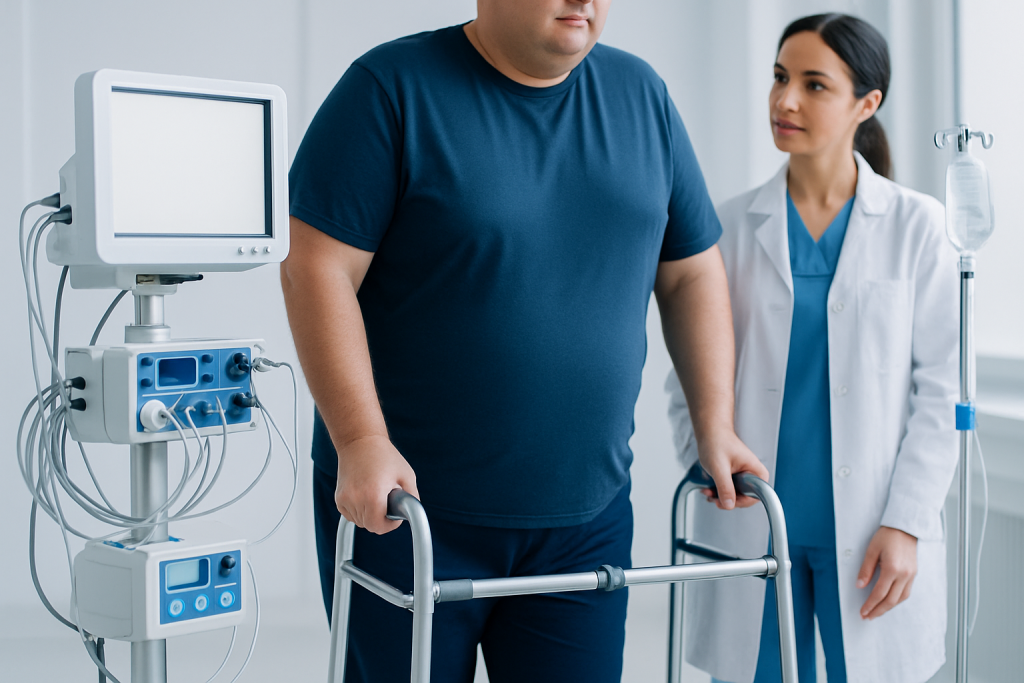
Most patients are encouraged to get out of bed and walk on the same day as surgery or by the next day, depending on medical advice and how they feel. Early walking helps lower the risk of blood clots, supports lung function, and can reduce bloating and stiffness. Short, frequent walks are usually better than trying to do too much at once.
During the first 1 to 2 weeks, activity is generally limited to gentle walking and light daily movements. Fatigue is common, so patients often need rest between activities. Many surgeons advise avoiding heavy lifting, intense exercise, pushing, pulling, and abdominal strain for several weeks to protect healing incisions and reduce the chance of complications such as an incisional hernia.
As strength returns, walking distance can gradually increase. Some people feel ready for light household tasks within days, while others need longer. More vigorous exercise, such as jogging, weight training, or core workouts, is usually restarted only after the surgeon confirms that healing is progressing well.
- Walk several times a day in short sessions.
- Use breathing exercises if recommended after surgery.
- Avoid lifting heavy objects until cleared by the care team.
- Increase activity gradually rather than suddenly.
When Can Patients Return to Work and Daily Routines?

Return to work after weight loss surgery varies widely. Some patients with desk-based or remote jobs may return in about 2 to 4 weeks, especially after minimally invasive surgery and an uncomplicated recovery. Others may need 4 to 6 weeks or longer if their work involves standing for long periods, heavy lifting, driving, or physically demanding tasks.
Pain medicine use, energy level, hydration, and the ability to meet protein and fluid goals all influence readiness to return. Even if the incisions are healing well, it may still take time for stamina to improve. It is common to feel more tired than expected in the early weeks because food intake is limited and the body is adjusting to major metabolic changes.
Daily routines such as climbing stairs, showering, and light errands often become easier within the first 1 to 2 weeks. Driving is usually delayed until the patient is no longer taking sedating pain medicine, can move comfortably, and can react safely in traffic. A doctor’s advice is especially important for deciding when to resume work, travel, and exercise.
Eating After Surgery: When Can Patients Eat Normally?
After weight loss surgery, eating follows a structured plan that protects the stomach and supports healing. Most programs begin with small sips of clear liquids, then move to full liquids, pureed foods, soft foods, and finally regular-textured foods over several weeks. The exact schedule varies by procedure and by surgeon, so patients should follow their own program closely.
In the first phase, the priority is hydration. Patients may need to sip slowly throughout the day because drinking too fast can cause discomfort, nausea, or vomiting. Protein is then introduced in forms that are easy to tolerate. As healing progresses, soft foods are added, and later a balanced long-term eating pattern is developed with smaller portions, careful chewing, and separation of eating from drinking if recommended.
“Normal eating” after surgery does not usually mean going back to previous habits. Meals remain small, high in protein, and eaten slowly. Sugary foods, high-fat meals, carbonated drinks, and overeating may cause pain, dumping symptoms in some procedures, reflux, or poor weight-loss results. For people treated for morbid obesity, this new pattern is a key part of long-term success rather than a temporary restriction.
- Take small bites and chew thoroughly.
- Stop eating as soon as fullness begins.
- Prioritize protein and hydration.
- Use prescribed vitamin and mineral supplements every day.
Common Symptoms During Recovery and What Is Usually Expected
Mild to moderate discomfort around the incision sites, temporary fatigue, bloating, and reduced appetite are common during early recovery. Some patients also notice shoulder discomfort after laparoscopic procedures because of the gas used during surgery. These symptoms usually improve steadily with walking, rest, fluids, and the pain-relief plan provided by the medical team.
Bowel habits may change at first. Constipation can occur because of reduced fluid intake, lower food volume, decreased activity, or pain medication. Loose stools may happen in some patients depending on the procedure and food choices. Nausea can also occur, especially if eating is too fast, portions are too large, or foods are advanced too quickly.
Emotional adjustment is another important part of recovery. Eating habits, body image, and expectations often change after surgery, and some people need time to adapt. Support from dietitians, psychologists, support groups, family, and the bariatric team can help patients manage these changes in a healthy and realistic way.
Follow-Up Care, Nutrition, and Long-Term Healing
Recovery does not end when the incisions close. Bariatric follow-up is essential because the surgery changes not only stomach size but also daily nutrition and, in some procedures, nutrient absorption. Regular visits help the care team monitor weight loss, hydration, blood tests, vitamin levels, reflux symptoms, and how well the patient is tolerating food.
Vitamin and mineral supplements are commonly needed long term, particularly after procedures that affect absorption. Patients are usually advised to focus on protein first, drink enough fluids between meals, and avoid habits that can irritate the stomach pouch or sleeve. Smoking and alcohol may increase healing problems, irritation, ulcers, or poor nutrition, so they should be discussed carefully with a doctor.
Many patients benefit from continued guidance about exercise, sleep, stress, and related health conditions such as diabetes, high blood pressure, or sleep apnea. In some centers, recovery and long-term care are coordinated by surgeons, dietitians, endocrinologists, psychologists, and physiotherapists. Acibadem International’s multidisciplinary specialists in JCI-accredited hospitals diagnose and treat bariatric conditions for international patients, including procedures such as sleeve gastrectomy and laparoscopic bariatric surgery when clinically appropriate.
When to Call a Doctor During Weight Loss Surgery Recovery
Most symptoms improve gradually, but some warning signs need prompt medical attention. Patients should contact their doctor if they have a fever, worsening abdominal pain, repeated vomiting, increasing redness or drainage from an incision, chest pain, shortness of breath, or signs of dehydration such as dizziness, very dark urine, or inability to keep fluids down.
Difficulty swallowing, severe reflux, persistent rapid heartbeat, leg swelling, or sudden weakness should also be assessed quickly. Although uncommon, serious complications such as leaks, bleeding, blood clots, infection, or bowel problems can happen after any abdominal operation. Quick evaluation can make treatment safer and more effective.
Patients should never guess whether a symptom is “normal” if it feels severe, is getting worse, or prevents drinking and moving around. Clear communication with the surgical team is an important part of recovery. Following discharge instructions closely and attending all scheduled appointments can help identify concerns early and support a smoother healing process.
Frequently asked questions
How long does weight loss surgery recovery usually take?
Early recovery often takes a few weeks, but full adjustment continues over several months. Many people feel steadily better after 2 to 6 weeks, though diet progression, energy level, and long-term habits continue to evolve beyond that.
When can a patient walk after bariatric surgery?
Walking is commonly encouraged on the same day as surgery or the day after, depending on the doctor’s instructions. Starting with short, gentle walks helps circulation, breathing, and overall recovery.
When can someone return to work after weight loss surgery?
Some patients return to desk work in about 2 to 4 weeks, while physically demanding jobs may require 4 to 6 weeks or more. Readiness depends on the procedure, energy level, pain control, and whether lifting or strenuous activity is part of the job.
When can patients eat solid food again?
Solid food is usually reintroduced gradually after liquids, pureed foods, and soft foods. The timing depends on the operation and the surgeon’s protocol, but it commonly takes several weeks before regular textures are tolerated.
Is pain normal during recovery?
Mild to moderate soreness, fatigue, and some discomfort around the incision sites are common in the early days. Pain that becomes severe, suddenly worsens, or comes with fever, vomiting, or breathing trouble should be checked by a doctor.
Why is hydration so important after bariatric surgery?
Because the stomach holds much less at one time, it is easier to fall behind on fluids after surgery. Good hydration supports circulation, kidney function, energy, and healing, and it can also reduce dizziness and constipation.
References
- American Society for Metabolic and Bariatric Surgery
- National Institute of Diabetes and Digestive and Kidney Diseases
- Mayo Clinic
- National Health Service
- World Health Organization
This article is for general information only and is not a substitute for professional medical advice. Please consult a qualified doctor about your individual situation.
Medical weight-loss options in Turkey — costs & eligibility
JCI-accredited · board-certified surgeons · reply within 24h
Add us as a Preferred Source to see more of our trusted health content across Google Search, AI Overviews and Discover.