Gastric Bypass vs Sleeve Gastrectomy for Type 2 Diabetes: How Doctors Decide

Both gastric bypass and sleeve gastrectomy can improve type 2 diabetes, sometimes within days to weeks after surgery. Gastric bypass may offer stronger diabetes remission in some patients, especially when diabetes is more severe or long-standing.
Key Takeaways
- Both gastric bypass and sleeve gastrectomy can improve type 2 diabetes, sometimes within days to weeks after surgery.
- Gastric bypass may offer stronger diabetes remission in some patients, especially when diabetes is more severe or long-standing.
- Sleeve gastrectomy is a simpler operation anatomically and may be preferred for some patients because it avoids intestinal bypass.
- Existing acid reflux, nutritional concerns, medication needs, and surgical history often influence which operation is safer and more suitable.
- The best choice comes from a multidisciplinary assessment rather than a one-size-fits-all rule.
For people with obesity and type 2 diabetes, both gastric bypass and sleeve gastrectomy can improve blood sugar control and support weight loss. Doctors choose between them by looking at diabetes severity, body weight, reflux, eating patterns, nutritional risks, and the person’s long-term health goals.
Overview: Why these two operations are compared
Gastric bypass and sleeve gastrectomy are the two most commonly discussed operations when a person with obesity also has type 2 diabetes. Both procedures are forms of bariatric surgery that can lead to major weight loss and important metabolic changes. In many patients, blood sugar starts improving before substantial weight loss even happens, which is why these operations are also called metabolic surgery.
Doctors do not choose between them based only on body weight. They also consider how long the patient has had diabetes, whether insulin is needed, how difficult blood sugar has been to control, and whether there are related conditions such as high blood pressure, fatty liver disease, or sleep apnea. The goal is not simply to reduce weight, but to improve overall health and lower the future risk of diabetes complications.
In simple terms, sleeve gastrectomy removes a large portion of the stomach, leaving a narrow sleeve-shaped stomach. Gastric bypass creates a small stomach pouch and reroutes part of the small intestine, so food bypasses part of the digestive tract. Both can be performed with minimally invasive techniques such as laparoscopic surgery in appropriate patients.
How each surgery affects type 2 diabetes

Sleeve gastrectomy helps diabetes mainly by reducing stomach size, lowering hunger-related hormones, and supporting steady weight loss. Eating less becomes easier, and many patients find that blood sugar control improves as calorie intake falls and insulin sensitivity improves. The operation does not reroute the intestines, so digestion remains more natural than with bypass.
Gastric bypass affects diabetes through several pathways at once. It limits food intake, changes the route of digestion, and alters gut hormones that influence insulin release, fullness, and blood sugar regulation. Because of these hormonal effects, some patients see especially rapid improvements in diabetes after gastric bypass, even before major weight loss occurs.
Neither procedure is a guaranteed cure. Some people achieve remission, meaning blood sugar returns to a non-diabetic range without diabetes medication for a period of time. Others still need medication but in lower doses, or they gain better control with fewer complications. The chance of remission is usually higher when diabetes has been present for fewer years and when the pancreas still produces enough insulin.
How doctors decide which operation is better
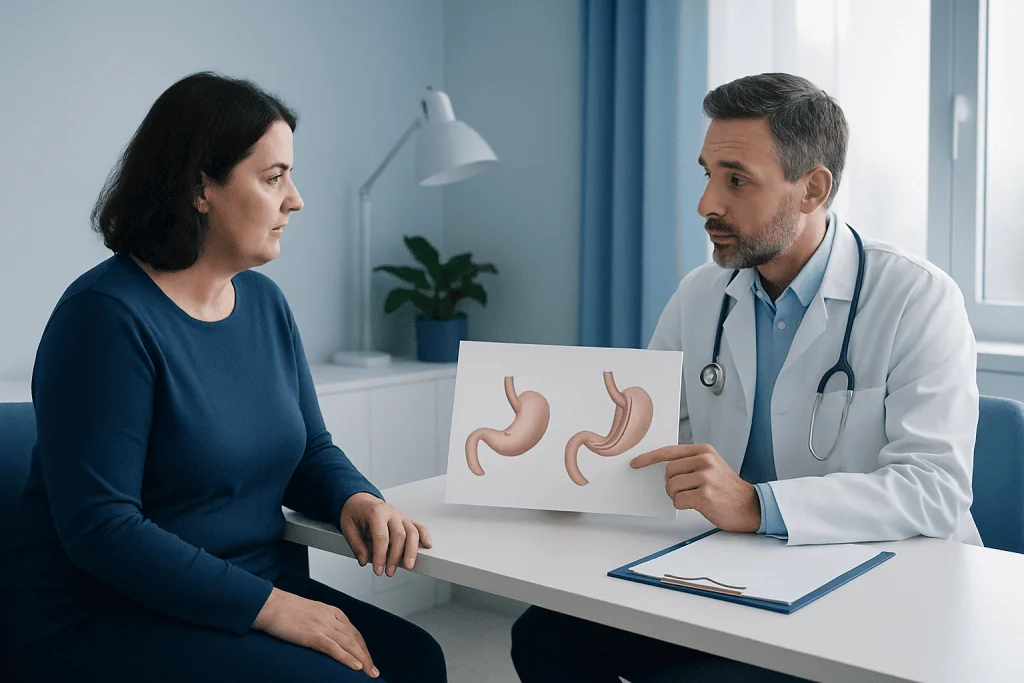
Doctors usually individualize the decision rather than applying one operation to everyone. In general, gastric bypass may be favored when a person has more severe diabetes, long-standing high blood sugar, or insulin use, especially if stronger metabolic effects are desired. Sleeve gastrectomy may be preferred when the anatomy should remain simpler or when avoiding intestinal bypass is important.
Body mass index is only one part of the picture. A person with morbid obesity and difficult-to-control diabetes may benefit from the greater metabolic effect often seen with bypass. On the other hand, someone with obesity and earlier-stage diabetes may still do very well with sleeve gastrectomy, especially if the clinical team believes it offers a safer balance of benefit and risk.
Age, frailty, prior abdominal operations, smoking status, kidney function, and future pregnancy plans may all influence the recommendation. Surgeons, endocrinologists, dietitians, and anesthesiologists often work together to assess whether one procedure is likely to offer better blood sugar control, lower complication risk, and better long-term quality of life.
- Severity and duration of diabetes
- Current use of insulin or multiple medications
- Degree of obesity and weight-loss target
- History of reflux or ulcers
- Nutrient absorption concerns
- Previous abdominal surgery and overall surgical risk
Reflux, eating habits, and other practical factors
One of the most important practical differences is acid reflux. Gastric bypass is often preferred when a patient has significant gastroesophageal reflux disease, because bypass can improve reflux symptoms in many people. Sleeve gastrectomy, in contrast, may worsen reflux in some patients or bring on new symptoms, so this history matters greatly during planning.
Doctors also look closely at eating patterns. People who frequently snack, consume sweet liquids, or struggle with portion control may benefit from different strategies depending on how they eat and how their body responds to hunger. The choice is not about blame; it is about understanding habits and selecting the operation that is most likely to support durable change.
Nutritional status matters too. Gastric bypass carries a higher risk of certain vitamin and mineral deficiencies because part of the small intestine is bypassed. Sleeve gastrectomy can also cause deficiencies, but the pattern is often somewhat simpler to manage. In either case, lifelong follow-up, blood tests, and vitamin supplementation are essential. For some patients with complex obesity care needs, doctors may also discuss broader obesity treatment options before finalizing a surgical plan.
Benefits and trade-offs of gastric bypass
Gastric bypass is often chosen when stronger diabetes improvement is a priority. It may offer higher rates of diabetes remission in selected patients and can be especially useful when reflux is already present. Weight loss after bypass is usually substantial, and many obesity-related conditions improve alongside diabetes.
The trade-off is that gastric bypass is more complex anatomically than sleeve gastrectomy. Because food bypasses part of the stomach and small intestine, the procedure can carry a higher risk of long-term nutritional deficiencies and requires careful attention to supplements and follow-up. Some patients may also experience dumping syndrome, in which sugary foods cause nausea, cramping, or lightheadedness.
Doctors explain these issues carefully so patients can make an informed choice. Bypass can be highly effective, but it works best when the person is ready for long-term monitoring, regular blood tests, dietary changes, and close communication with the care team.
Benefits and trade-offs of sleeve gastrectomy
Sleeve gastrectomy has become very popular because it is technically straightforward compared with bypass and does not involve intestinal rerouting. It preserves the normal path of digestion while reducing stomach volume and lowering appetite-related hormone signals. For many patients, this leads to meaningful weight loss and major improvement in type 2 diabetes.
The operation may be especially appealing when doctors want to avoid malabsorption or when the patient has medical factors that make a simpler anatomy preferable. Recovery can be smooth in many cases, and long-term follow-up remains important for weight maintenance, nutrition, and diabetes monitoring.
However, sleeve gastrectomy is not ideal for everyone. If reflux is severe, bypass may be the better option. Also, while sleeve often improves diabetes significantly, some patients with advanced or long-duration diabetes may have a lower chance of remission than they might with bypass. The key question is not which operation is universally best, but which one best fits the patient sitting in front of the doctor.
Evaluation before surgery and life after the operation
Before either procedure, patients usually undergo a detailed evaluation that includes blood tests, medication review, nutrition assessment, and screening for sleep apnea, heart disease, or liver problems. Doctors may also check for conditions that could affect abdominal surgery, such as hernias including an incisional hernia if there has been prior surgery. This workup helps the team choose the safest and most effective approach.
Preparation also includes counseling about eating after surgery. Meals become smaller, protein intake becomes a priority, and lifelong vitamin supplementation is often needed. Diabetes medications may need adjustment right away after the operation because blood sugar can improve quickly. Patients should never stop or change diabetes medicines on their own; these changes should be supervised by a doctor.
Long-term success depends on follow-up as much as on the operation itself. Regular visits help monitor weight, nutrition, blood sugar, and complications. Near the end of the treatment journey, some international patients seek care at centers such as Acibadem International, where multidisciplinary specialists in JCI-accredited hospitals diagnose and treat obesity and metabolic conditions using individualized surgical plans.
When to speak with a doctor about surgical treatment
A person with type 2 diabetes should consider asking about metabolic surgery if blood sugar remains difficult to control despite appropriate medical care, especially when obesity is also affecting health. Surgery may also be worth discussing when there are diabetes-related conditions such as sleep apnea, high blood pressure, joint pain, or fatty liver disease. A referral does not commit the patient to surgery; it simply starts a structured evaluation.
Patients should seek timely medical advice if they have severe reflux, repeated weight regain after non-surgical treatment, or medication burdens that are increasing over time. They should also speak with a specialist if they are unsure whether the benefits of surgery outweigh the risks in their own case. The right decision is based on health status, values, and long-term goals.
Urgent medical attention is important after any bariatric procedure if there is severe abdominal pain, fever, persistent vomiting, trouble swallowing liquids, signs of dehydration, black stools, chest pain, or shortness of breath. These symptoms do not always mean a serious complication, but they should be assessed without delay.
Frequently asked questions
Which surgery is better for type 2 diabetes: gastric bypass or sleeve gastrectomy?
Neither operation is best for every person. Gastric bypass may offer stronger diabetes improvement for some patients, while sleeve gastrectomy may be a better fit for others because of its simpler anatomy and different risk profile. Doctors decide by looking at diabetes severity, reflux, weight, nutrition, and overall health.
Can type 2 diabetes go away after bariatric surgery?
Some people experience diabetes remission after surgery, meaning blood sugar returns to a non-diabetic range without medication for a period of time. This is more likely when diabetes has been present for a shorter time and the body still makes enough insulin. Even when remission does not occur, many patients still see major improvement.
Why might a doctor recommend gastric bypass over sleeve gastrectomy?
A doctor may lean toward gastric bypass when diabetes is more advanced, insulin is required, or reflux is a major problem. Bypass can produce strong metabolic effects and often helps reflux symptoms. However, it also requires careful long-term nutrition monitoring.
Why might a doctor recommend sleeve gastrectomy instead?
Sleeve gastrectomy may be recommended when avoiding intestinal bypass is preferable or when a simpler digestive anatomy is desired. It can still provide substantial weight loss and meaningful blood sugar improvement. It may not be the first choice if a patient has significant acid reflux.
Will diabetes medications stop immediately after surgery?
Medication needs often change soon after surgery, sometimes very quickly. However, medicines should only be adjusted by the medical team, because blood sugar can drop too low if treatment is not carefully managed. Regular monitoring is especially important in the early recovery period.
Are vitamin supplements necessary after both procedures?
Yes. Both gastric bypass and sleeve gastrectomy can lead to nutrient deficiencies, although bypass usually carries a higher risk. Patients typically need lifelong supplements and periodic blood tests to check levels such as iron, vitamin B12, folate, calcium, and vitamin D.
References
- American Diabetes Association
- American Society for Metabolic and Bariatric Surgery
- International Diabetes Federation
- National Institute of Diabetes and Digestive and Kidney Diseases
- National Institute for Health and Care Excellence
This article is for general information only and is not a substitute for professional medical advice. Please consult a qualified doctor about your individual situation.
Sleeve Gastrectomy in Turkey — costs, top hospitals & a free quote
JCI-accredited · board-certified surgeons · reply within 24h
Add us as a Preferred Source to see more of our trusted health content across Google Search, AI Overviews and Discover.
Check your numbers in seconds
BMI, calories, due date, blood pressure and 30+ more clinical calculators — free, instant, doctor-reviewed ranges.

Bariatric & Metabolic Surgery
Surgical and endoscopic treatments for obesity and metabolic conditions.