PCOS Symptoms: When Hormones May Be Affecting Periods, Skin, and Fertility
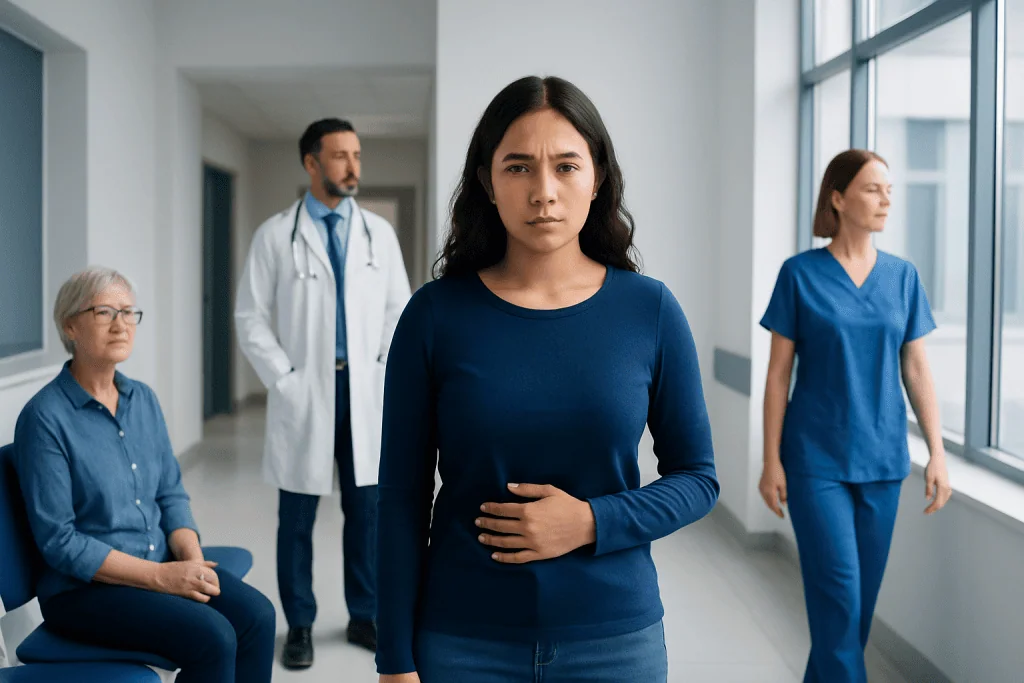
PCOS is a common hormone-related condition that can affect periods, ovulation, skin, hair, and fertility. Irregular or absent periods, acne, and unwanted facial or body hair are common PCOS symptoms.
Key Takeaways
- PCOS is a common hormone-related condition that can affect periods, ovulation, skin, hair, and fertility.
- Irregular or absent periods, acne, and unwanted facial or body hair are common PCOS symptoms.
- Many people with PCOS also have insulin resistance, which can contribute to weight gain and future metabolic risks.
- Diagnosis is based on symptoms, medical history, examination, blood tests, and sometimes ultrasound.
- Treatment is individualized and may include lifestyle changes, medicines to regulate periods or improve ovulation, and fertility support when needed.
PCOS symptoms can affect menstrual cycles, skin, hair growth, weight, and fertility. Recognizing the pattern early can help a person get the right evaluation, manage symptoms, and reduce long-term health risks.
Overview of PCOS Symptoms
Polycystic ovary syndrome, often called PCOS, is a common hormonal condition that affects people of reproductive age. Although the name refers to the ovaries, PCOS is not only an ovary problem. It involves a wider pattern of hormone imbalance that may affect menstrual cycles, ovulation, skin, hair, weight, and metabolism.
PCOS symptoms can vary widely from one person to another. Some people mainly notice irregular periods, while others seek help for acne, excess facial or body hair, scalp hair thinning, difficulty becoming pregnant, or weight changes. Symptoms may begin around the teenage years, but in some cases they become more obvious later.
A key feature of PCOS is that ovulation may happen infrequently or not regularly. This can lead to unpredictable menstrual bleeding and can make pregnancy more difficult. Many people with PCOS also have insulin resistance, which means the body does not respond to insulin as effectively as it should. This can contribute to higher insulin levels, weight gain, and changes in hormone production.
PCOS is manageable, and many people feel better once they understand what is happening and receive tailored care. Early diagnosis is helpful because treatment can improve symptoms and support long-term health, including blood sugar, cholesterol, and the lining of the uterus.
Common Symptoms and Signs
The most common PCOS symptoms involve the menstrual cycle. Periods may be irregular, delayed, very infrequent, or absent for months at a time. Some people have fewer than expected periods in a year, while others may experience prolonged or heavy bleeding when a period does come. These changes usually reflect irregular ovulation.
Skin and hair changes are also common. Higher levels of androgens, sometimes called male-type hormones, can cause acne, oily skin, and increased hair growth on the face, chest, abdomen, or back. At the same time, some people notice thinning hair on the scalp or a pattern of hair loss that resembles male-pattern hair thinning.
Other possible symptoms include weight gain, difficulty losing weight, darkened velvety skin in body folds, skin tags, mood changes, and fatigue. Not everyone has all of these features, and body weight alone does not confirm or exclude PCOS. Lean people can also have PCOS.
- Irregular, infrequent, or absent periods
- Difficulty getting pregnant due to irregular ovulation
- Acne or persistently oily skin
- Increased facial or body hair growth
- Scalp hair thinning
- Weight gain or increased waist size
- Darkened skin folds or skin tags
Why PCOS Happens: Causes and Risk Factors
The exact cause of PCOS is not fully understood, but it is thought to result from a combination of genetic and environmental factors. It often runs in families, which suggests an inherited tendency. If a close relative has PCOS, irregular periods, type 2 diabetes, or signs of excess androgen, the risk may be higher.
Hormone imbalance plays a central role. In PCOS, the ovaries may produce higher-than-usual levels of androgens. These hormones can interfere with the normal development and release of eggs from the ovaries. When ovulation does not happen regularly, menstrual cycles become irregular and fertility may be affected.
Insulin resistance is another important part of PCOS for many people. When the body needs to produce more insulin to keep blood sugar normal, those higher insulin levels may stimulate the ovaries to make more androgens. This can worsen acne, excess hair growth, and cycle irregularity. Over time, insulin resistance can also raise the risk of prediabetes and type 2 diabetes.
PCOS symptoms can overlap with other hormone conditions, so a careful evaluation is important. For example, thyroid disorders, adrenal disorders, and hyperprolactinemia can also affect periods or fertility. A clinician may rule these out before confirming the diagnosis.
How PCOS Can Affect Fertility and Long-Term Health
PCOS can make conception more difficult because ovulation may be irregular or absent. If eggs are not released predictably, the chance of pregnancy each month may be lower. However, this does not mean pregnancy is impossible. Many people with PCOS conceive naturally, and others conceive with medical support.
Beyond fertility, PCOS can influence overall health. Irregular periods may expose the uterine lining to unopposed estrogen, which can increase the risk of abnormal thickening of the lining over time. This is one reason regular menstrual management is important, even when pregnancy is not being planned.
PCOS is also associated with a higher likelihood of metabolic problems such as insulin resistance, elevated blood sugar, abnormal cholesterol levels, fatty liver, and high blood pressure. Some people may also experience sleep apnea, anxiety, depression, or reduced self-confidence related to visible symptoms such as acne or hair growth.
Because the condition affects several body systems, PCOS care often looks beyond periods alone. A broader plan may include reproductive health, skin concerns, weight and lifestyle support, and screening for future risks so that problems can be recognized and addressed early.
How PCOS Is Diagnosed
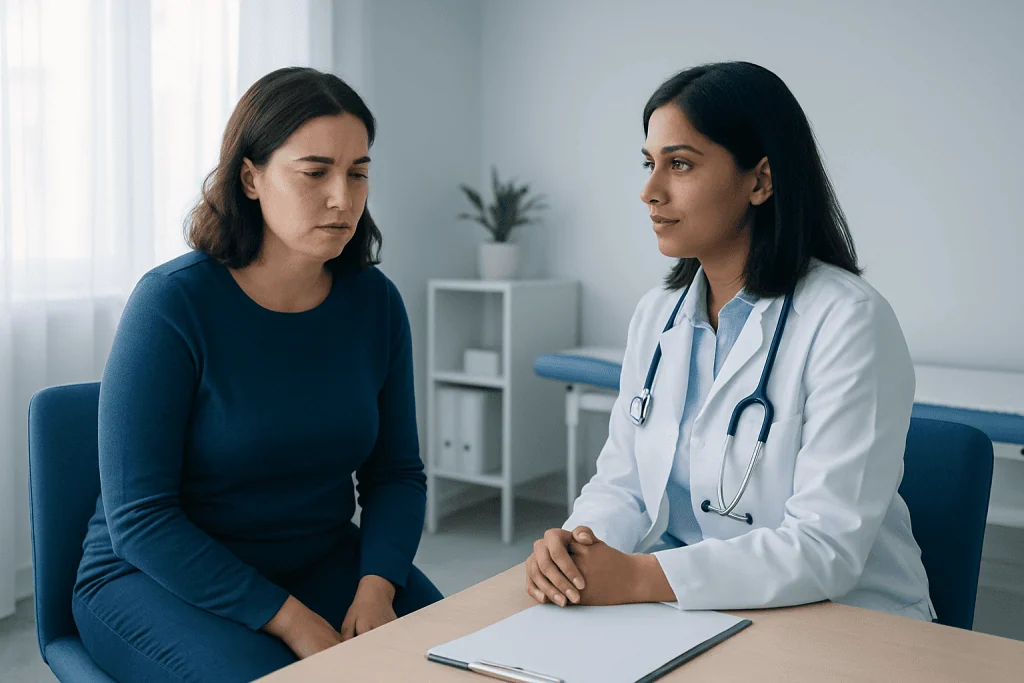
There is no single test that proves PCOS. Diagnosis is based on a combination of medical history, symptoms, physical examination, and selected tests. A doctor will usually ask about menstrual patterns, acne, hair growth, scalp hair loss, weight changes, and any difficulty becoming pregnant. They may also ask about family history of diabetes or hormone-related conditions.
Blood tests are often used to evaluate hormone levels and to rule out other causes of similar symptoms. Tests may include blood sugar, cholesterol, thyroid function, prolactin, and androgen-related hormones. In some cases, a pelvic ultrasound is recommended to look at the ovaries and the uterine lining, although not everyone needs an ultrasound for diagnosis.
Doctors often use established diagnostic criteria that consider three main features: irregular ovulation, signs or laboratory evidence of excess androgens, and ovaries that appear polycystic on ultrasound. A person usually does not need to have all three. Importantly, polycystic-looking ovaries alone do not automatically mean a person has PCOS.
Because symptoms can change over time, diagnosis may be more straightforward in some stages of life than others. Adolescents, for example, can have naturally irregular cycles for a time after periods begin, so doctors take extra care to avoid overdiagnosis. Follow-up can help clarify the picture if symptoms persist.
Treatment Options for PCOS Symptoms
Treatment for PCOS depends on the person’s symptoms, age, and whether pregnancy is desired. There is no one-size-fits-all plan. For many people, the first step is improving cycle regularity and reducing long-term metabolic risk through lifestyle measures such as balanced eating, regular physical activity, good sleep, and gradual weight management when appropriate. Even modest weight loss can help some people ovulate more regularly.
When pregnancy is not currently planned, medicines may be used to regulate menstrual cycles and reduce androgen-related symptoms. Hormonal contraceptives are commonly used for cycle control, acne, and excess hair growth. Other medicines may help with insulin resistance or target hair growth and acne more directly. A dermatologist or endocrinologist may be involved when skin and hair symptoms are prominent.
When pregnancy is desired, treatment focuses on supporting ovulation and fertility. A fertility specialist may discuss ovulation-inducing medicines and timing of intercourse, and in some cases assisted reproductive techniques may be recommended. Depending on individual needs, care may include IVF treatment or other fertility treatment options.
Some people also benefit from coordinated care across specialties. For example, an endocrinologist may address hormone and metabolic issues, a gynecologist may help manage periods and the uterine lining, and a reproductive specialist may guide conception planning. If surgery is needed for a separate ovarian condition, a specialist may discuss ovarian cyst treatment, although this is not a standard treatment for PCOS itself.
Self-Care, Lifestyle, and Prevention of Complications
PCOS cannot always be prevented, but healthy habits can reduce symptoms and lower the risk of complications. A balanced eating pattern with regular meals, plenty of fiber, and limited highly processed foods can support blood sugar control. Regular exercise helps improve insulin sensitivity, mood, sleep, and cardiovascular health. The best routine is one that feels sustainable over time.
Tracking menstrual cycles can be helpful. If periods become very infrequent, it is important to let a doctor know, since prolonged gaps between periods may require medical treatment to protect the uterine lining. People trying to conceive may also benefit from monitoring cycles and discussing ovulation timing with a clinician.
Self-care also includes attention to emotional well-being. Living with visible symptoms such as acne, excess hair growth, or scalp hair thinning can affect self-esteem and mental health. Support from a doctor, counselor, or support group may make symptom management feel more manageable.
Regular follow-up is an important part of prevention. Depending on age and risk factors, a doctor may recommend checks for blood pressure, cholesterol, blood sugar, sleep problems, or weight-related complications. Toward the end of the care journey, some international patients choose evaluation at Acibadem International, where multidisciplinary specialists in JCI-accredited hospitals diagnose and treat PCOS-related concerns with individualized care.
When to See a Doctor
A person should consider medical advice if periods are consistently irregular, very infrequent, or absent, especially if this pattern continues beyond the early years after menstruation begins. Medical review is also wise for persistent acne, new or worsening excess facial or body hair, scalp hair thinning, or unexplained weight changes.
Anyone trying to become pregnant without success should discuss possible ovulation problems with a doctor. Early evaluation can identify whether PCOS may be contributing and whether other conditions need to be considered. Prompt care can also help if symptoms suggest high blood sugar, such as increasing thirst or frequent urination.
Urgent care is not usually needed for PCOS itself, but sudden severe pelvic pain, very heavy bleeding, fainting, or symptoms of another acute illness should be assessed promptly. These signs can point to a different problem that needs immediate attention.
Because PCOS overlaps with several other conditions, a proper diagnosis matters. A qualified clinician can explain what the symptoms mean, arrange appropriate tests, and help build a realistic treatment plan that supports both current symptoms and future health goals.
Frequently asked questions
What are the first signs of PCOS?
The first signs of PCOS often include irregular periods, acne, increased facial or body hair, or trouble with ovulation. Some people also notice weight changes or thinning hair on the scalp. Symptoms can begin in adolescence or become clearer later.
Can a person have PCOS even if ultrasound does not show cysts?
Yes. A person can still have PCOS even if an ultrasound does not show polycystic-appearing ovaries. Diagnosis is based on a combination of symptoms, ovulation pattern, hormone findings, and ruling out other causes.
Does PCOS always cause infertility?
No. PCOS does not always cause infertility, and many people with PCOS become pregnant naturally. However, irregular ovulation can make conception less predictable, so some people need medical support to improve ovulation.
Is weight gain necessary for a PCOS diagnosis?
No. Not everyone with PCOS gains weight, and a person can have PCOS at any body size. While weight can affect symptoms and insulin resistance, it is not required for diagnosis.
Can PCOS symptoms improve with treatment?
Yes. Many PCOS symptoms can improve with the right combination of lifestyle changes, cycle management, skin or hair treatment, and fertility care when needed. Improvement may take time, so regular follow-up is helpful.
How is PCOS different from normal irregular periods in teenagers?
It is common for periods to be somewhat irregular in the first few years after menstruation begins. Doctors look at how long the irregularity lasts, whether there are clear signs of excess androgens, and whether other causes need to be excluded before diagnosing PCOS.
This article is for general information only and is not a substitute for professional medical advice. Please consult a qualified doctor about your individual situation.
Hair transplant in Turkey — costs, graft counts & a free assessment
JCI-accredited · board-certified surgeons · reply within 24h
Add us as a Preferred Source to see more of our trusted health content across Google Search, AI Overviews and Discover.
Check your numbers in seconds
BMI, calories, due date, blood pressure and 30+ more clinical calculators — free, instant, doctor-reviewed ranges.

Related Conditions
More from the Health Library

Diabetes Type 2: Symptoms, Diagnosis, and Long-Term Care

What Does an Endocrinologist Do? A Patient Guide to Hormone Care

Endocrinology Second Opinion: When It Is Worth Getting One

Insulin Resistance: Causes, Symptoms, and Metabolic Health Risks
How Endocrine Blood Tests Work: TSH, T3, T4, and Hormone Panels