ESS vs FESS: Which Sinus Surgery Is Right for You?

ESS stands for endoscopic sinus surgery, while FESS stands for functional endoscopic sinus surgery. FESS is generally considered a type or approach within ESS that aims to restore normal sinus drainage and function.
Key Takeaways
- ESS stands for endoscopic sinus surgery, while FESS stands for functional endoscopic sinus surgery.
- FESS is generally considered a type or approach within ESS that aims to restore normal sinus drainage and function.
- These procedures are most often considered for chronic sinusitis, nasal polyps, or structural blockage that does not improve with medication.
- The right operation depends on nasal anatomy, imaging findings, symptoms, and overall treatment goals.
- Most procedures are done through the nostrils without external cuts, using a small endoscope and specialized instruments.
ESS and FESS are closely related terms used for minimally invasive sinus surgery performed through the nose. For many patients, the difference is more about terminology and surgical goals than two completely separate operations, and the best choice depends on the cause and severity of sinus disease.
Overview: What ESS and FESS Mean
ESS stands for endoscopic sinus surgery. It is a broad term for sinus operations done with an endoscope, a thin camera that allows the surgeon to work through the nostrils without making external facial incisions. The goal is to improve ventilation, remove blockage, and help the sinuses drain more normally.
FESS stands for functional endoscopic sinus surgery. In everyday practice, many people use ESS and FESS almost interchangeably. FESS usually emphasizes a function-preserving approach: opening natural drainage pathways, treating diseased tissue carefully, and trying to restore the normal physiology of the sinuses rather than removing more tissue than necessary.
For patients, the most important point is that both terms describe minimally invasive sinus surgery guided by endoscopic visualization. The exact technique varies from person to person. A surgeon may recommend endoscopic sinus surgery or functional endoscopic sinus surgery depending on how the hospital names the procedure, the underlying diagnosis, and the planned surgical steps.
Who May Need Sinus Surgery
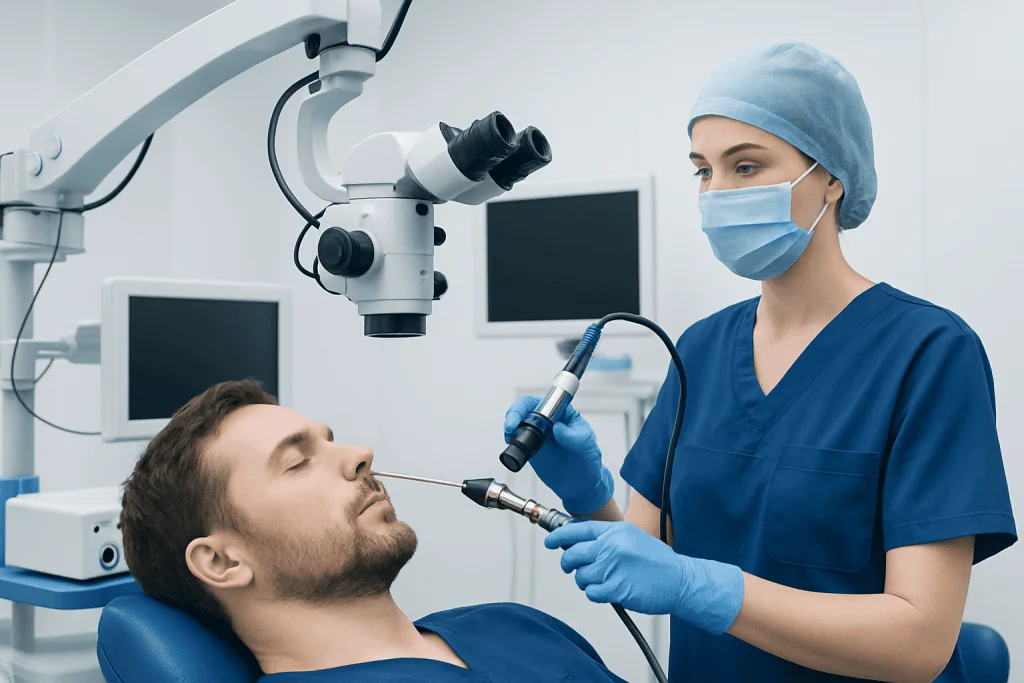
Sinus surgery is usually considered when symptoms continue despite appropriate medical treatment. This often includes ongoing nasal blockage, facial pressure, thick nasal discharge, reduced sense of smell, repeated sinus infections, or inflammation that returns soon after medications are stopped.
A common reason for surgery is chronic rhinosinusitis, especially when there is swelling inside the nose that blocks normal drainage. Some patients also have nasal polyps, which are soft growths linked to long-term inflammation. Others may have narrow sinus openings, scar tissue, or anatomical problems such as a deviated nasal septum that contribute to poor airflow and mucus drainage.
Doctors generally recommend surgery only after a careful trial of nonsurgical care. Depending on the cause, treatment may include saline rinses, nasal steroid sprays, medicines for allergy control, and treatment for infection when appropriate. Many patients improve without surgery, so the decision is usually made after symptoms, quality of life, and imaging results are reviewed together.
ESS vs FESS: What Is the Difference?

The difference between ESS and FESS is often smaller than patients expect. ESS is the umbrella term. FESS is a specific philosophy and technique within endoscopic sinus surgery that focuses on preserving healthy tissue and improving the natural function of the sinus drainage pathways.
In practical terms, both procedures use an endoscope inserted through the nose. The surgeon may enlarge blocked sinus openings, remove inflammatory tissue, clear trapped secretions, and treat areas that repeatedly become obstructed. In many clinics, the label FESS is used when the operation is intended to restore sinus function in a targeted way, while ESS may be used as a broader description for any endoscopic sinus operation.
Some people assume FESS is newer or always less invasive than ESS, but this is not necessarily true. The most useful question is not which abbreviation sounds better, but which procedure plan best matches the patient’s disease. In some cases the surgery is limited and focused; in others, more extensive work is needed because multiple sinuses are involved.
- ESS: broad term for endoscopic sinus surgery.
- FESS: a functional, tissue-preserving endoscopic approach aimed at restoring natural drainage.
- Both: are usually performed through the nostrils with no external cuts.
- Choice: depends on diagnosis, anatomy, prior treatments, and surgeon assessment.
Conditions Treated and Related Procedures
ESS or FESS may be used for chronic sinusitis that does not respond well to medical treatment, recurrent sinus infections linked to blockage, sinus disease associated with polyps, fungal debris in selected cases, or chronic inflammation affecting one or several sinus cavities. The operation is tailored to the sinuses involved, such as the maxillary, ethmoid, frontal, or sphenoid sinuses.
Sometimes sinus surgery is combined with other nasal procedures to improve access or treat contributing problems. For example, if the nasal septum is bent and obstructs the surgical pathway or contributes to poor airflow, the surgeon may also discuss septal surgery at the same time. If allergies play a major role in long-term inflammation, medical treatment for allergic rhinitis may remain an important part of care before and after surgery.
Not every blocked nose or facial pressure problem comes from the sinuses. A detailed ENT evaluation helps distinguish chronic sinus disease from migraine, allergy-only symptoms, dental causes, or other nasal conditions. This is one reason a clear diagnosis matters before surgery is planned.
How Doctors Decide Which Surgery Is Right
The choice between a limited ESS approach and a more extensive FESS-style plan is based on the individual findings. The ENT specialist will look at symptom history, how long symptoms have lasted, what treatments have already been tried, whether there have been repeated infections, and how much the condition affects sleep, breathing, smell, and daily activities.
Nasal endoscopy in the clinic allows the doctor to examine the inside of the nose and identify swelling, polyps, pus, crusting, structural narrowing, or other causes of obstruction. A CT scan of the sinuses is often one of the most important tools because it shows which sinus passages are blocked and how extensive the disease is. Imaging also helps the surgeon plan a safe route around delicate nearby structures such as the eyes and skull base.
Patient factors also matter. Previous sinus surgery, bleeding risks, asthma, aspirin sensitivity, severe allergies, and certain immune conditions can affect both the operation and the long-term treatment plan. The best surgical option is therefore highly individualized rather than one-size-fits-all.
What to Expect Before, During, and After Surgery
Before surgery, patients usually receive instructions about medications, fasting, and postoperative care. The surgeon may recommend ongoing saline rinses or nasal medicines before the operation, and sometimes a short period of additional medical treatment is used to calm inflammation first. The aim is to enter surgery with the clearest possible view and the safest plan.
During ESS or FESS, the surgeon works through the nostrils using an endoscope and fine instruments. Depending on the findings, the surgeon may remove polyps, widen natural drainage openings, and clear diseased tissue while preserving as much normal mucosa as possible. The procedure may be done under general anesthesia, and the exact duration varies with the extent of disease.
Recovery is usually gradual. It is common to have congestion, mild bleeding or blood-tinged discharge, crusting, and a feeling of pressure for a short time after surgery. Saline irrigation is often an important part of healing, and follow-up visits allow the surgeon to examine the nose, clean crusting when needed, and adjust medicines. Healing continues over several weeks, and symptom improvement may be progressive rather than immediate.
As with any operation, there are potential risks, including bleeding, infection, scar tissue, persistent symptoms, or the need for further treatment. Because the sinuses lie close to the eyes and brain, sinus surgery should be planned and performed by qualified ENT surgeons with appropriate imaging and follow-up.
Benefits, Limits, and Long-Term Self-Care
For the right patient, ESS or FESS can improve nasal breathing, reduce the frequency of infections, help mucus drain more effectively, and make it easier for topical treatments such as steroid sprays or rinses to reach the sinus passages. Many patients also notice better sleep quality and a reduction in facial pressure or loss of smell, although results vary by diagnosis.
Still, surgery is not a cure for every cause of sinus symptoms. Chronic inflammation can return, especially in people with severe allergies, asthma, aspirin-exacerbated respiratory disease, or recurring polyps. This is why long-term care often continues after surgery, including saline irrigation, prescribed nasal medication, and management of triggers.
Self-care remains important. Patients are usually advised to avoid smoking, maintain good hydration, manage allergies, and follow postoperative instructions closely. If symptoms began after a simple viral illness, such as a common cold, surgery is generally not needed; it is considered when symptoms become chronic, repeatedly recur, or are linked to structural obstruction or persistent inflammatory disease.
When to See an ENT Specialist
A person should consider ENT evaluation when sinus symptoms last longer than expected, return frequently, or do not improve with standard medical treatment. Ongoing nasal blockage, repeated infections, facial pressure, postnasal drip, reduced smell, or symptoms that disrupt sleep and concentration may all justify a specialist review.
Urgent medical advice is important if sinus symptoms are accompanied by swelling around the eyes, vision changes, severe headache, high fever, confusion, or symptoms that rapidly worsen. These problems are uncommon, but they need prompt assessment.
Patients who are unsure whether ESS or FESS is more suitable can benefit from a detailed discussion with an ENT surgeon about goals, expected benefits, alternatives, and recovery. Near the end of the decision process, it can help to choose a center experienced in sinus disease; Acibadem International’s multidisciplinary specialists and JCI-accredited hospitals diagnose and treat sinus conditions for international patients.
Frequently asked questions
Is there a real difference between ESS and FESS?
Yes, but the difference is mainly in terminology and surgical philosophy. ESS is the broad term for endoscopic sinus surgery, while FESS usually refers to a function-preserving approach that aims to restore normal sinus drainage. In many clinics, the two terms are used very similarly.
Which is better, ESS or FESS?
Neither is automatically better for everyone. The best option depends on the cause of symptoms, CT scan findings, whether polyps are present, prior treatments, and the patient’s anatomy. An ENT specialist recommends the procedure plan that best matches the disease pattern.
When is sinus surgery usually recommended?
Sinus surgery is usually considered after appropriate medical treatment has not provided enough relief. This may include chronic sinusitis, recurrent infections due to blockage, or inflammation caused by nasal polyps. The decision is based on symptoms, examination, and imaging rather than symptoms alone.
Is ESS or FESS a major surgery?
These are generally considered minimally invasive procedures because they are done through the nostrils using an endoscope. Even so, they are still real operations that require careful planning, anesthesia, and follow-up. The extent of surgery can range from limited to more complex depending on the sinuses involved.
How long does recovery take after endoscopic sinus surgery?
Early recovery often takes a few days to a couple of weeks, but complete internal healing can take longer. Nasal congestion, crusting, and mild drainage are common during the healing period. Follow-up care and saline rinses are often an important part of recovery.
Can sinus problems come back after surgery?
Yes, they can, especially if the underlying inflammation continues. Allergies, asthma, recurring polyps, or other chronic inflammatory conditions may still require long-term medical treatment after surgery. Surgery often improves drainage and access for medications, but it does not always remove the tendency toward inflammation.
References
- American Academy of Otolaryngology–Head and Neck Surgery
- National Institute of Allergy and Infectious Diseases
- National Health Service
- Mayo Clinic
- Merck Manual
This article is for general information only and is not a substitute for professional medical advice. Please consult a qualified doctor about your individual situation.
FESS in Turkey — costs, top hospitals & a free quote
JCI-accredited · board-certified surgeons · reply within 24h
Add us as a Preferred Source to see more of our trusted health content across Google Search, AI Overviews and Discover.

Related Treatments
Related Conditions
More from the Health Library



Related Specialists

Prof. Dr. Nazim Korkut
Otorhinolaryngology
Prof. Dr. Hasan M. Tanyeri
Ear Nose & Throat
Prof. Dr. Güler Berkiten
Otorhinolaryngology
Assoc. Prof. Dr. A. Erdem Kilavuz
Ear Nose & Throat