What Does a Neuroimmunologist Do? Conditions They Treat and When Referral Helps
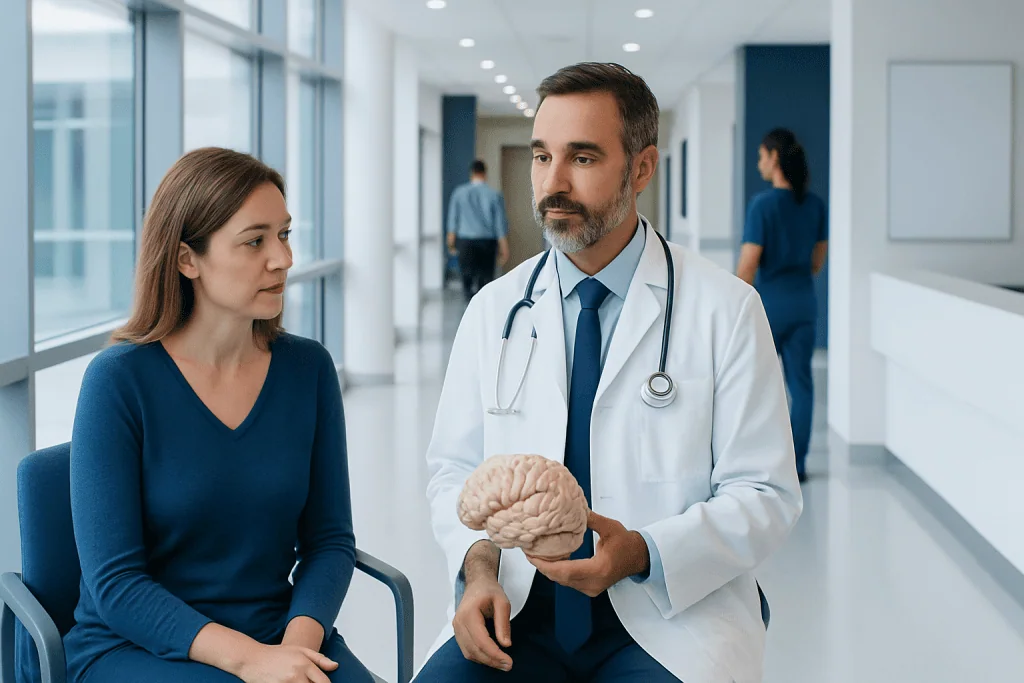
A neuroimmunologist focuses on disorders caused by abnormal immune activity in the nervous system. They commonly treat conditions such as multiple sclerosis, neuromyelitis optica spectrum disorder, autoimmune encephalitis, and myasthenia gravis.
Key Takeaways
- A neuroimmunologist focuses on disorders caused by abnormal immune activity in the nervous system.
- They commonly treat conditions such as multiple sclerosis, neuromyelitis optica spectrum disorder, autoimmune encephalitis, and myasthenia gravis.
- Referral is often helpful when symptoms are unexplained, relapsing, inflammatory, or difficult to diagnose.
- Diagnosis may involve neurological examination, MRI, blood tests, spinal fluid testing, and other specialized evaluations.
- Treatment often combines medicines that calm immune activity with rehabilitation, symptom management, and regular follow-up.
A neuroimmunologist is a doctor who specializes in conditions where the immune system affects the brain, spinal cord, nerves, or muscles. They help diagnose complex neurological symptoms, confirm autoimmune or inflammatory disorders, and guide long-term treatment and monitoring.
Overview: What a Neuroimmunologist Does
A neuroimmunologist is a physician with expertise in the relationship between the immune system and the nervous system. This specialty focuses on conditions in which the body’s immune defenses mistakenly attack or inflame parts of the brain, spinal cord, optic nerves, peripheral nerves, or neuromuscular junction. Because these disorders can affect many different functions, symptoms may involve vision, movement, sensation, balance, thinking, speech, or strength.
In practice, a neuroimmunologist evaluates people whose neurological symptoms may be caused by autoimmune or inflammatory disease. They review the patient’s history, examine the nervous system, interpret scans and laboratory tests, and look for patterns that distinguish immune-related disease from infection, stroke, inherited conditions, or degenerative disorders. Their role is often especially important when symptoms are unusual, come and go, or affect more than one area of the nervous system.
Neuroimmunologists also help create individualized treatment plans. These may include medicines to reduce inflammation, therapies to prevent relapses, strategies to manage daily symptoms, and monitoring for treatment response or side effects. Since many neuroimmune disorders are long-term conditions, care often continues over months or years with regular reassessment.
This specialty is usually part of a broader multidisciplinary team. A neuroimmunologist may work closely with general neurologists, neuroradiologists, rehabilitation specialists, ophthalmologists, rheumatologists, immunologists, and other physicians to give comprehensive care.
Conditions a Neuroimmunologist Commonly Treats
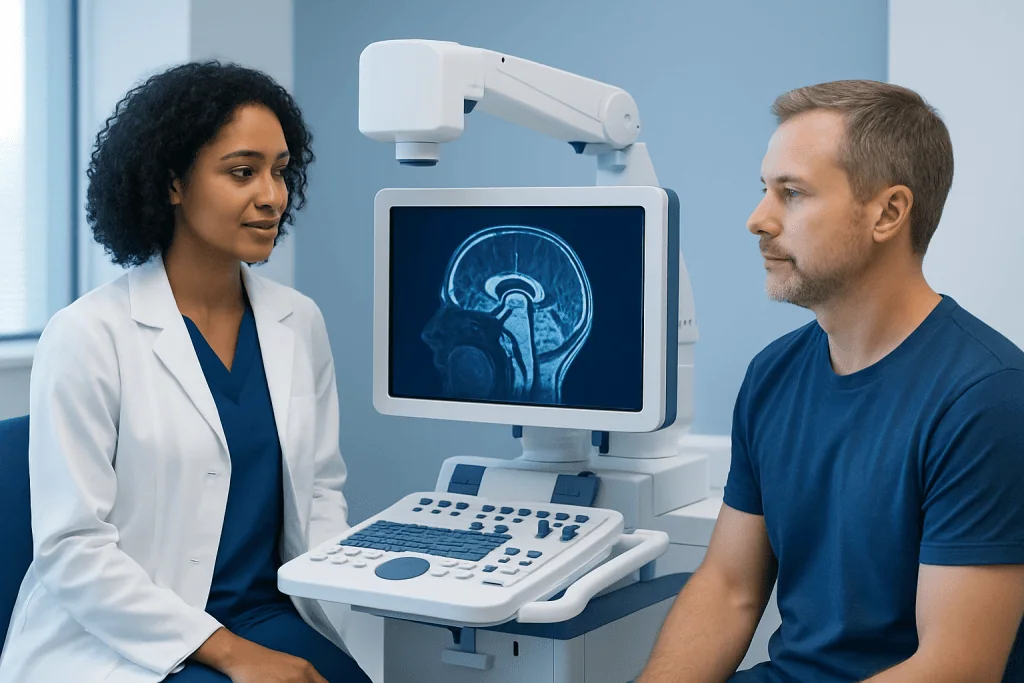
Neuroimmunologists care for a range of autoimmune and inflammatory diseases of the nervous system. One of the best-known examples is multiple sclerosis, in which the immune system damages myelin, the protective covering around nerve fibers. This can lead to numbness, weakness, vision changes, balance problems, and fatigue that may appear in episodes or progress gradually over time.
They also diagnose and treat neuromyelitis optica spectrum disorder, MOG antibody-associated disease, autoimmune encephalitis, transverse myelitis, optic neuritis, central nervous system vasculitis, sarcoidosis affecting the nervous system, and some inflammatory neuropathies. These conditions can overlap in symptoms, so specialist evaluation is often important for reaching the correct diagnosis and choosing the right therapy.
Some neuroimmunologists also manage disorders that affect communication between nerves and muscles, such as myasthenia gravis. In this condition, immune activity interferes with normal muscle activation, causing weakness that may affect the eyes, face, swallowing, speech, breathing, or limbs. Other inflammatory nerve and muscle disorders may also fall within the scope of neuroimmunology, depending on the center and specialist.
Because autoimmune neurological diseases can mimic many other conditions, a neuroimmunologist may also be asked to confirm or rule out a suspected diagnosis. This helps avoid unnecessary treatment and supports faster access to the most appropriate care.
Symptoms and Situations That May Lead to Referral

A person may be referred to a neuroimmunologist when neurological symptoms suggest inflammation or autoimmunity. Symptoms vary widely depending on which part of the nervous system is affected. Some people develop sudden vision loss or pain with eye movement, while others notice numbness, tingling, weakness, imbalance, tremor, bladder problems, memory changes, or episodes of confusion.
Referral may also be appropriate when symptoms come in attacks and partially improve, when MRI findings suggest demyelination or inflammation, or when blood tests show antibodies linked to autoimmune disease. In other cases, the reason for referral is that symptoms remain unexplained despite previous testing, or a person is not responding to standard treatment as expected.
Examples of warning patterns that may prompt specialist assessment include:
- New neurological symptoms affecting more than one area of the body
- Relapsing episodes of vision, movement, sensation, or balance problems
- Inflammation seen on MRI of the brain or spinal cord
- Unexplained weakness, drooping eyelids, or fatigable muscle symptoms
- Confusion, seizures, or behavioral change with concern for autoimmune encephalitis
- A known autoimmune disease together with new neurological symptoms
Not every person with these symptoms has a neuroimmune disorder. However, when the pattern is complex or there is concern for a rare condition, seeing a neuroimmunologist can help clarify the cause and guide next steps.
How Neuroimmunologists Diagnose Neuroimmune Disorders
Diagnosis usually begins with a careful medical history and neurological examination. The neuroimmunologist asks when symptoms started, whether they came on suddenly or gradually, whether they have recurred, and whether there are triggers, infections, recent vaccinations, or other autoimmune diseases in the personal or family history. The examination helps identify which parts of the nervous system may be involved.
Testing is often needed because many neuroimmune disorders cannot be confirmed by symptoms alone. MRI of the brain, spinal cord, or optic nerves is commonly used to look for inflammation, demyelination, or other structural changes. Blood tests may check for autoantibodies, markers of inflammation, infection, vitamin deficiencies, or other causes that can mimic autoimmune disease. In selected cases, spinal fluid analysis can provide additional evidence of immune activity or help exclude infection.
Depending on the symptoms, the workup may also include nerve conduction studies, electromyography, evoked potentials, electroencephalography, eye exams, or neuropsychological assessment. The goal is not only to name the condition, but also to identify its extent, severity, and likely behavior over time.
Because these disorders can be complex, diagnosis may sometimes take time. A neuroimmunologist may need to review previous scans, repeat tests, or monitor changes over follow-up visits before reaching a confident conclusion. This careful approach helps support safe, targeted treatment.
Treatment Options and Ongoing Care
Treatment depends on the exact diagnosis, the severity of symptoms, and whether the condition is causing a sudden attack or needs long-term disease control. In many neuroimmune disorders, treatment has two goals: first, to calm active inflammation during a flare, and second, to reduce the risk of future relapses or ongoing damage. Medicines may include corticosteroids, immunotherapies, or other immune-modifying treatments chosen according to the condition and the patient’s overall health.
Some people need hospital-based treatment during acute episodes, especially if there is significant weakness, rapid deterioration, severe visual loss, or brain inflammation. Others are managed mainly through outpatient follow-up with regular clinical assessment, MRI monitoring, and laboratory checks. A neuroimmunologist also helps watch for treatment side effects and adjust the plan over time.
Supportive care is an important part of treatment. This may include physical therapy and rehabilitation for mobility and strength, occupational therapy for daily activities, speech and swallowing support, pain management, and counseling about fatigue, mood, sleep, and cognitive symptoms. When needed, patients may also benefit from coordinated neurology care for broader symptom evaluation and long-term monitoring.
For some patients, treatment involves highly specialized services such as infusion-based therapies, neuroimaging follow-up, or inpatient care during severe relapses. In selected cases, a hospital team may also coordinate advanced evaluation through neurosurgery or other specialties when scans reveal structural issues that need to be distinguished from inflammatory disease.
Living With a Neuroimmune Condition
Many neuroimmune disorders are chronic, but long-term management can help people maintain function and quality of life. Learning about the condition, understanding treatment goals, and keeping regular follow-up appointments can make care more effective. Patients are often encouraged to track symptoms, relapses, medication effects, and questions for their medical team.
Daily self-care matters as well. Good sleep, balanced nutrition, appropriate physical activity, stress management, and staying up to date with general preventive care can support overall health. Because some treatments affect the immune system, doctors may also discuss infection prevention, vaccination timing, and when to seek advice for fever or other signs of illness.
Emotional support is also important. Uncertainty during diagnosis or living with a relapsing neurological condition can be challenging for patients and families. Clear communication, education, and access to rehabilitation and mental health support can make a meaningful difference.
Specialist follow-up helps ensure that treatment remains appropriate as needs change over time. For international patients seeking coordinated assessment, Acibadem International’s multidisciplinary specialists in JCI-accredited hospitals diagnose and treat neuroimmune conditions with individualized care planning.
When to See a Doctor Urgently
Some symptoms need prompt medical attention, whether or not a neuroimmune disease has already been diagnosed. Sudden vision loss, rapidly increasing weakness, severe difficulty walking, new confusion, seizures, major changes in behavior, trouble swallowing, or shortness of breath should not be ignored. These symptoms can signal serious nervous system inflammation or another urgent medical problem.
People who already have a diagnosed neuroimmune condition should also contact their care team if they notice new or clearly worsening neurological symptoms, especially if symptoms last more than a day, affect daily functioning, or are different from previous episodes. Infections, medication side effects, and disease relapses can sometimes look similar, so professional assessment is important.
Even less urgent symptoms deserve evaluation if they are persistent or unexplained. Early assessment may improve the chance of identifying a treatable condition before more damage occurs. A primary care doctor or general neurologist can often help decide whether referral to a neuroimmunologist is the right next step.
Frequently asked questions
What is the difference between a neurologist and a neuroimmunologist?
A neurologist treats a wide range of disorders affecting the brain, spinal cord, nerves, and muscles. A neuroimmunologist is a neurologist or subspecialist with advanced focus on conditions caused by abnormal immune activity in the nervous system. They are especially helpful when inflammation, autoimmunity, or demyelination is suspected.
Does a referral to a neuroimmunologist mean someone has multiple sclerosis?
No. Multiple sclerosis is one important condition in this field, but it is only one of several disorders a neuroimmunologist evaluates. Referral often means a doctor wants a specialist opinion about unexplained neurological symptoms or possible inflammation.
What tests might a neuroimmunologist order?
Common tests include MRI scans, blood tests, and sometimes spinal fluid analysis. Depending on symptoms, the specialist may also request nerve studies, eye testing, EEG, or other neurological evaluations. The exact workup is based on the person’s symptoms and examination findings.
Can neuroimmune diseases be treated?
Many neuroimmune diseases can be treated, and some can be controlled quite effectively. Treatment often aims to reduce active inflammation, prevent relapses, protect nervous system function, and manage daily symptoms. The best plan depends on the specific diagnosis and how severe the condition is.
When should someone ask for a neuroimmunology referral?
A referral may be worth discussing if neurological symptoms keep returning, MRI findings suggest inflammation, or previous evaluations have not provided clear answers. It can also help when there is concern for an autoimmune disorder affecting the brain, spinal cord, optic nerves, or muscles. A doctor can advise whether specialist assessment is appropriate.
Do neuroimmunologists only treat rare diseases?
Not only. They do care for rare disorders, but they also commonly manage more familiar conditions such as multiple sclerosis and optic neuritis. Their expertise is valuable whenever immune-related nervous system disease is suspected, even if the final diagnosis turns out to be something else.
References
- National Institute of Neurological Disorders and Stroke
- National Multiple Sclerosis Society
- Mayo Clinic
- Cleveland Clinic
- American Academy of Neurology
This article is for general information only and is not a substitute for professional medical advice. Please consult a qualified doctor about your individual situation.
Joint and spine care in Turkey — expert assessment & treatment
JCI-accredited · board-certified surgeons · reply within 24h
Add us as a Preferred Source to see more of our trusted health content across Google Search, AI Overviews and Discover.