Cerebral Aneurysm Embolization: Recovery Timeline and Aftercare

Most patients need hospital observation after embolization, followed by a gradual return to normal activities. Mild fatigue, headache, and soreness at the catheter insertion site are common during early recovery.
Key Takeaways
- Most patients need hospital observation after embolization, followed by a gradual return to normal activities.
- Mild fatigue, headache, and soreness at the catheter insertion site are common during early recovery.
- Follow-up imaging is important because treated aneurysms need to be checked over time.
- Recovery plans vary depending on whether the aneurysm was ruptured or unruptured and on the treatment used.
- Urgent medical advice is needed for severe headache, new weakness, confusion, speech difficulty, or worsening drowsiness.
Cerebral aneurysm embolization recovery is often smoother than recovery after open brain surgery, but it still requires close monitoring, rest, and follow-up imaging. Understanding the typical timeline, expected symptoms, and warning signs can help patients and families feel more prepared and reassured.
Overview of Cerebral Aneurysm Embolization Recovery
Cerebral aneurysm embolization is a minimally invasive treatment used to block blood flow into a brain aneurysm and reduce the risk of bleeding. It is usually performed through a catheter inserted into a blood vessel, often in the groin or wrist, and guided to the blood vessels of the brain. Depending on the aneurysm, the procedure may involve coils, stents, flow-diverting devices, or other endovascular techniques.
Recovery after embolization depends on several factors, including the size and location of the aneurysm, whether it has already ruptured, the type of device used, and the patient’s overall health. A person treated for an unruptured aneurysm often recovers more quickly than someone treated after a subarachnoid hemorrhage, which can require a longer hospital stay and rehabilitation.
In general, the recovery process has two parts: early recovery in the hospital and continued healing at home. During both phases, the medical team watches for complications, manages symptoms, and plans follow-up care. Patients who want a general overview of the underlying condition may also read about brain aneurysm.
What to Expect Right After the Procedure
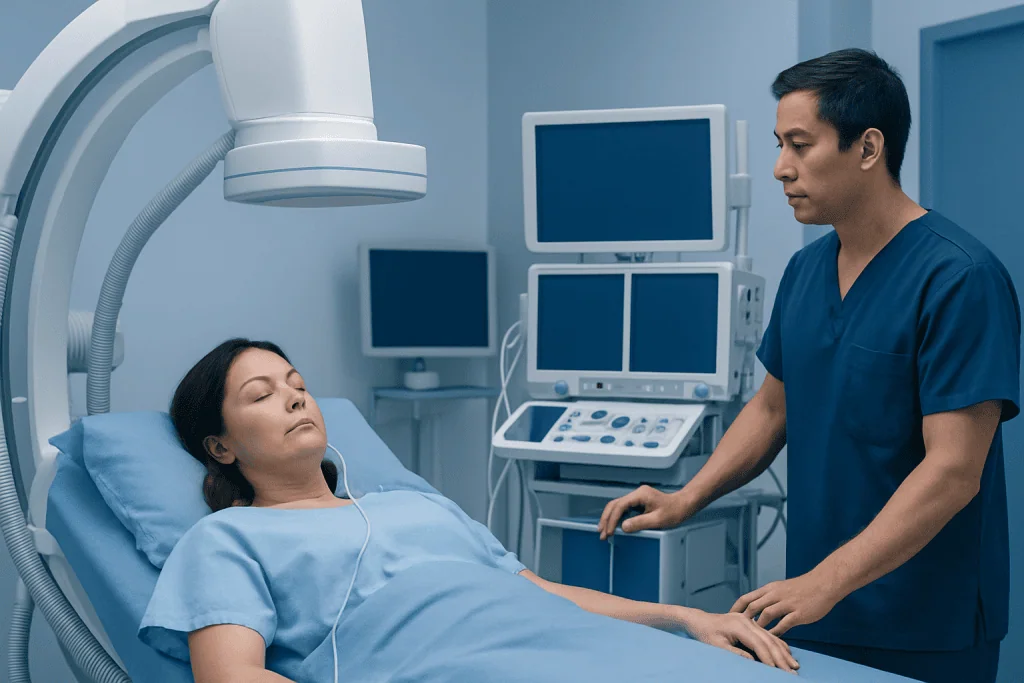
Immediately after cerebral aneurysm embolization, the patient is usually monitored in a recovery area, intensive care unit, or specialized neurology unit. Nurses and doctors check blood pressure, heart rate, neurological status, and the catheter insertion site. This close observation helps the team detect early complications such as bleeding, vessel spasm, or changes in brain function.
It is common to feel sleepy, tired, or slightly nauseated after anesthesia or sedation. Some patients also notice a mild headache, neck discomfort, or bruising where the catheter was inserted. If a stent or flow-diverting device was used, doctors may prescribe blood-thinning or antiplatelet medicines to help prevent clotting around the device.
Hospital stay varies. Some patients with an unruptured aneurysm go home within a day or two if they remain stable. People treated after a ruptured aneurysm usually need much longer care because they may require monitoring for brain swelling, vasospasm, hydrocephalus, or other effects of bleeding. Depending on the case, embolization may be part of a broader plan that includes brain aneurysm embolization and structured neurological follow-up.
Typical Recovery Timeline

During the first few days, rest is especially important. Mild fatigue is very common, and patients may need help with transportation, household tasks, or medication schedules. The puncture site in the groin or wrist may remain tender or bruised for a short time. Many patients are advised to avoid strenuous activity, heavy lifting, and driving until their doctor says it is safe.
Over the first one to two weeks, energy gradually improves. Headaches and general discomfort often lessen, although some people continue to feel tired longer than expected. This can be normal, especially after hospitalization or a stressful diagnosis. Patients should follow instructions about hydration, medicines, wound care, and activity limits.
Within several weeks, many patients treated for an unruptured aneurysm return to desk work and light daily routines, depending on how they feel and what their doctor recommends. Recovery may be much longer after a ruptured aneurysm, sometimes extending for months, particularly if there were neurological complications. In such cases, therapies for balance, speech, strength, or memory may be part of the healing process.
Long-term follow-up is a routine part of care because aneurysms treated with endovascular methods sometimes need repeat imaging or further treatment. Some people require additional procedures if the aneurysm is not fully sealed or if blood flow changes over time. Follow-up may naturally involve advanced interventional neuroradiology care in selected patients.
Common Symptoms During Recovery
Many symptoms during recovery are expected and improve with time. These may include tiredness, a mild to moderate headache, low appetite, temporary difficulty concentrating, and tenderness or bruising at the catheter site. Emotional ups and downs are also common after treatment for a brain condition, especially if the experience was sudden or frightening.
Some patients notice a change in sleep patterns, mild dizziness, or a feeling of “mental fog” for a short period. This can be related to anesthesia, hospitalization, stress, or the body’s healing response. Good hydration, regular sleep, prescribed medicines, and a gradual return to activities may help.
However, certain symptoms should not be ignored. Patients need urgent medical attention if they develop a sudden severe headache, new weakness or numbness, facial drooping, speech difficulty, vision loss, seizures, fainting, worsening confusion, or increasing drowsiness. Bleeding, stroke, or changes in brain pressure can present this way and require rapid assessment.
- Common: fatigue, bruising, mild headache, nausea, soreness at the puncture site
- Less common but important: persistent vomiting, fever, worsening neck pain, increasing swelling or bleeding at the catheter site
- Emergency warning signs: severe headache, one-sided weakness, trouble speaking, seizure, loss of consciousness
Aftercare at Home
Home aftercare focuses on protecting the healing blood vessel access site, taking medicines correctly, and reducing strain on the body. Patients are usually told to keep the puncture area clean and dry, avoid soaking in baths for a period if advised, and watch for redness, swelling, or active bleeding. Walking is often encouraged, but strenuous exercise should be resumed only with medical approval.
Medications are an important part of recovery. Some patients need pain relief for headaches or site discomfort, while others must continue antiplatelet medicines after stent-assisted procedures or flow diversion. It is important not to stop these medicines suddenly unless a doctor gives clear instructions, because doing so may increase the risk of clotting or other complications.
Blood pressure control is also important, since very high blood pressure can place stress on blood vessels. A healthy recovery routine may include regular meals, good hydration, avoiding smoking, limiting alcohol, and getting enough sleep. Family members can help by monitoring for unusual symptoms and supporting follow-up appointments.
If recovery includes lingering neurological symptoms or if the aneurysm was linked to a bleeding event such as subarachnoid hemorrhage, rehabilitation and closer observation may be needed. In selected cases, additional support from neurology services can help manage headaches, cognitive symptoms, or seizure risk during recovery.
Follow-Up Visits and Imaging
Even when a patient feels well, follow-up is essential after cerebral aneurysm embolization. Endovascular treatment works by changing blood flow and sealing the aneurysm, but the treated area can evolve over time. Doctors therefore schedule checkups and imaging to confirm that the aneurysm remains safely closed and that nearby vessels remain open.
Follow-up imaging may include magnetic resonance angiography, computed tomography angiography, or catheter angiography, depending on the aneurysm and the device used. Timing differs from one patient to another, but it often includes an early review followed by periodic checks over months or years. This is a routine and important part of long-term care rather than a sign that something is wrong.
During follow-up appointments, patients should mention any new headaches, vision changes, weakness, memory concerns, or side effects from medicines. Doctors may also review blood pressure control, smoking status, and other vascular risk factors. Near the end of the recovery pathway, some international patients choose centers such as Acibadem International, where multidisciplinary specialists in JCI-accredited hospitals evaluate and treat complex neurovascular conditions.
When to See a Doctor Urgently
Patients should seek urgent care if they develop symptoms that could suggest bleeding, stroke, or a complication related to the treated aneurysm or catheter site. These include a sudden and severe headache, new numbness or weakness, slurred speech, facial droop, loss of balance, confusion, seizures, or loss of consciousness. Fast assessment is important because early treatment can make a meaningful difference.
Medical advice is also needed for signs of infection or access-site problems, such as fever, increasing redness, drainage, severe swelling, or persistent bleeding from the groin or wrist. Shortness of breath, chest pain, or severe allergic symptoms also require immediate attention. Patients taking antiplatelet or blood-thinning medicines should ask their care team what to do if they miss a dose or notice unusual bruising or bleeding.
For non-emergency concerns, it is still wise to contact the treating doctor if fatigue is not improving, headaches are becoming more frequent, or daily functioning is harder than expected. Recovery is individual, and reassurance or adjustment of the care plan may be helpful. Prompt communication with the care team can prevent small concerns from becoming larger problems.
Frequently asked questions
How long does cerebral aneurysm embolization recovery usually take?
Recovery time varies from person to person. Many patients treated for an unruptured aneurysm begin feeling better within days to a few weeks, while recovery after a ruptured aneurysm can take much longer. The exact timeline depends on the aneurysm, the treatment used, and whether there were complications.
Is headache normal after aneurysm embolization?
A mild to moderate headache can be normal after the procedure, especially in the first days. It may be related to the treatment itself, the body's healing response, or anesthesia. A sudden severe headache or a headache that is clearly worsening should be evaluated urgently.
When can a patient return to work after embolization?
Some people return to light or desk-based work within one to two weeks, while others need more time. Return to work depends on energy level, job demands, and whether the aneurysm had ruptured. The treating doctor should guide this decision based on the individual recovery course.
Will follow-up imaging still be needed if the aneurysm was treated successfully?
Yes. Follow-up imaging is a standard part of care after endovascular aneurysm treatment. It helps confirm that the aneurysm remains closed and that the blood vessels continue to look healthy over time.
What activities should be avoided during early recovery?
Heavy lifting, strenuous exercise, and other activities that strain the body are usually limited at first. Patients may also be told not to drive for a period and to protect the catheter insertion site. Specific restrictions vary, so the treating team’s instructions should be followed closely.
Does embolization cure a brain aneurysm permanently?
Embolization is an effective treatment, but long-term monitoring is still important. In some cases, the aneurysm remains fully sealed for years, while in others, it may need repeat imaging or additional treatment. That is why scheduled follow-up is a routine part of care.
This article is for general information only and is not a substitute for professional medical advice. Please consult a qualified doctor about your individual situation.
Explore treatments in Turkey — costs, top hospitals & a free quote
JCI-accredited · board-certified surgeons · reply within 24h
Add us as a Preferred Source to see more of our trusted health content across Google Search, AI Overviews and Discover.
Check your numbers in seconds
BMI, calories, due date, blood pressure and 30+ more clinical calculators — free, instant, doctor-reviewed ranges.

Neurosurgery
Surgical treatment of the brain, spine and nervous system, including minimally invasive and functional procedures.
70 specialists in this unitMore from the Health Library

Interventional Neuroradiologist vs Neurosurgeon: Who Treats Brain Blood Vessel Disorders?

Neurointerventional Radiology for Stroke: Who May Benefit From Thrombectomy?

Neurointerventional Radiology Recovery: Hospital Stay, Aftercare, and Warning Signs

What Does an Interventional Neuroradiologist Do?

Brain Vessel Imaging: MRA vs CTA vs Cerebral Angiography