Can Neurodegenerative Diseases Be Prevented? Brain Health, Exercise, and Risk Reduction

Not all neurodegenerative diseases are preventable, but risk reduction is often possible. Regular physical activity is one of the most consistently supported ways to protect brain health.
Key Takeaways
- Not all neurodegenerative diseases are preventable, but risk reduction is often possible.
- Regular physical activity is one of the most consistently supported ways to protect brain health.
- Managing blood pressure, diabetes, cholesterol, sleep, hearing, and mood may help lower cognitive decline risk.
- A balanced diet, mental stimulation, and social engagement support overall brain function.
- Early evaluation of memory, movement, or behavior changes can help identify treatable causes and guide care.
Some neurodegenerative diseases cannot be fully prevented, but many risk factors can be improved. Brain health habits such as regular exercise, good sleep, vascular risk control, mental activity, and social connection may help reduce risk and support healthy aging.
Overview: Can Neurodegenerative Diseases Be Prevented?
Neurodegenerative diseases are conditions in which nerve cells in the brain or nervous system gradually become damaged or lost over time. Examples include Alzheimer’s disease, Parkinson’s disease, some forms of dementia, motor neuron disease, and other disorders that affect memory, movement, language, or behavior. These conditions are complex and usually develop through a combination of age, genetics, environmental influences, and general health factors.
In many cases, prevention cannot be guaranteed. Some people develop a neurodegenerative disease despite living very healthily, while others with several risk factors may never develop one. Even so, research shows that brain health can often be supported by addressing modifiable risks. In other words, while prevention is not always possible, risk reduction may be.
This is especially relevant for conditions linked to blood vessel health, inflammation, metabolism, and lifestyle. Habits that protect the heart often protect the brain as well. For this reason, doctors increasingly encourage a practical, long-term approach focused on physical activity, nutrition, sleep, mental stimulation, social connection, and management of medical conditions that can affect the brain.
It is also important to remember that not every memory lapse or movement change means a neurodegenerative disease is developing. Some symptoms can come from treatable causes such as medication side effects, depression, thyroid problems, vitamin deficiencies, sleep disorders, or infection. Early assessment can help clarify what is happening and support timely care.
Which Risk Factors Can and Cannot Be Changed?
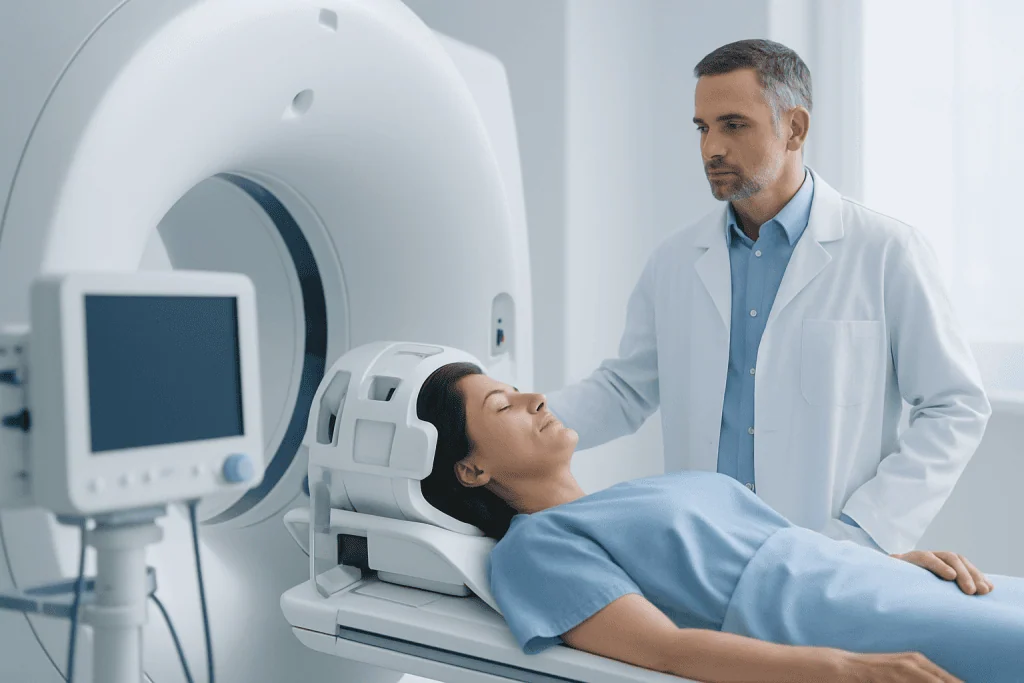
Risk factors for neurodegenerative diseases are usually divided into non-modifiable and modifiable factors. Non-modifiable factors include age, family history, and certain inherited gene changes. Growing older is the strongest known risk factor for many neurodegenerative conditions, but aging itself does not mean a person will definitely develop dementia or Parkinson’s disease.
Modifiable factors are the areas where prevention efforts may make a difference. These can include high blood pressure, diabetes, high cholesterol, smoking, obesity, physical inactivity, heavy alcohol use, hearing loss, poor sleep, social isolation, untreated depression, and limited cognitive stimulation. The exact contribution of each factor varies by condition and by individual.
Vascular health is particularly important. When blood vessels are damaged over time, the brain may receive less oxygen and fewer nutrients. This can increase the risk of stroke, vascular cognitive impairment, and possibly contribute to other forms of cognitive decline. Managing heart and metabolic health may therefore support both brain function and healthy aging.
Genetics still matters, and some diseases have a strong inherited component. However, genes are not the whole story for most people. A person with a family history may still benefit from healthy habits, and someone without a family history should not assume they are fully protected. Risk reduction works best when seen as a lifelong investment rather than a short-term plan.
Why Exercise Matters for Brain Health

Regular exercise is one of the most consistently supported lifestyle measures for brain health. Physical activity helps improve blood flow to the brain, supports cardiovascular fitness, reduces inflammation, improves insulin sensitivity, and may encourage the release of chemicals that help nerve cells communicate and adapt. It can also improve mood and sleep, which are both closely linked to cognitive function.
Aerobic exercise such as brisk walking, cycling, swimming, or dancing is often recommended, but the best type of exercise is the one a person can perform safely and continue regularly. Strength training, balance exercises, and flexibility work are also valuable, especially for older adults. Balance and strength may reduce falls and help maintain independence, which becomes especially important if movement symptoms ever develop, such as those seen in Parkinson’s disease.
Exercise does not need to be extreme to be helpful. Moderate, consistent movement over time is more important than occasional intense workouts. For people who are not used to exercise, starting gently and building up gradually is usually safer and more sustainable. A doctor or physiotherapist can help tailor a plan if there are joint problems, heart disease, neurological symptoms, or concerns about balance.
Beyond possible risk reduction, exercise can improve quality of life at any stage. It may help energy levels, stress control, sleep quality, mobility, and confidence. These benefits make physical activity worthwhile even when prevention cannot be promised.
Other Lifestyle Habits That Support a Healthy Brain
Brain health is influenced by daily routines, not by a single food, supplement, or “brain booster.” Eating patterns that support heart health are often recommended for the brain as well. A diet rich in vegetables, fruits, legumes, whole grains, nuts, fish, and healthy fats may be beneficial, while highly processed foods, excess sugar, and large amounts of saturated fat are best limited. Good hydration also supports general function and well-being.
Sleep is another major pillar of brain health. During sleep, the brain carries out important restorative processes, and poor sleep can affect memory, concentration, mood, and long-term health. Persistent snoring, pauses in breathing during sleep, excessive daytime sleepiness, and chronic insomnia should not be ignored, as untreated sleep disorders may contribute to cognitive problems.
Mental and social activity also matter. Reading, learning new skills, conversation, music, puzzles, and hobbies may help build cognitive reserve, which is the brain’s ability to cope with age-related changes or disease. Social connection may also protect mood and support thinking skills. Staying engaged with family, friends, and meaningful activities can be a valuable part of healthy aging.
Smoking cessation and limiting alcohol are also important. Smoking harms blood vessels throughout the body, including those that nourish the brain. Heavy alcohol use can damage both the brain and other organs and may worsen memory and balance. For many people, reducing these exposures is an important step in a broader brain-protective plan.
Medical Conditions That Should Be Managed Early
Several common health conditions can influence the risk of cognitive decline and other neurological problems. High blood pressure, diabetes, high cholesterol, obesity, and heart disease are among the most important. Careful control of these conditions may help preserve blood vessel health and reduce the burden on the brain over time.
Hearing loss is another often-overlooked issue. When hearing becomes poor, communication may become more difficult and social withdrawal can increase. This may place extra strain on cognitive processing. Evaluation for hearing problems and the appropriate use of hearing support, when needed, can be an important part of healthy aging.
Depression, anxiety, chronic stress, and loneliness can also affect attention, memory, sleep, and motivation. In some people, depression can look very similar to early cognitive decline. Addressing mental health is therefore not separate from brain health; it is part of it. Professional support, counseling, and medical care may help.
Doctors may also look for reversible contributors to symptoms, including thyroid disease, low vitamin B12, medication effects, alcohol-related problems, or sleep apnea. When symptoms suggest a neurological disorder, further evaluation may include a neurological examination, cognitive testing, blood tests, and MRI scanning or other imaging when appropriate.
How Doctors Assess Risk and Early Symptoms
There is no single test that can predict whether a person will develop a neurodegenerative disease. Assessment usually begins with a careful review of symptoms, medical history, medications, family history, daily functioning, sleep, mood, and vascular risk factors. A physical and neurological examination can help identify changes in movement, reflexes, coordination, language, or thinking.
If memory or behavioral changes are present, the doctor may ask questions about when symptoms began, how quickly they have progressed, and whether they affect work, finances, driving, cooking, or medication management. Family members may provide useful observations, especially when changes have been gradual. In some cases, the pattern of symptoms may raise concern for Alzheimer’s disease or another neurological condition.
Depending on the situation, testing may include blood work to look for reversible causes, cognitive screening tests, detailed neuropsychological assessment, and brain imaging. When movement symptoms such as tremor, stiffness, or slowing are present, referral to a specialist may help distinguish between different conditions. Some patients may benefit from evaluation in neurology or memory clinics.
The purpose of early assessment is not only diagnosis. It is also an opportunity to identify treatable conditions, optimize general health, discuss safety and future planning, and start supportive strategies as early as possible. When symptoms are mild, small interventions can still make a meaningful difference in daily life.
Treatment, Risk Reduction, and Long-Term Brain Care
Treatment depends on the specific diagnosis. Some neurodegenerative diseases have medicines that may help certain symptoms or slow progression in selected patients, while others are managed mainly through supportive care, rehabilitation, and symptom control. Treatment plans may include medication, physical therapy, speech and language therapy, occupational therapy, nutrition guidance, and psychological support.
Even after a diagnosis, healthy habits remain important. Exercise, sleep care, social engagement, balanced nutrition, and management of blood pressure, diabetes, and cholesterol can still support function and overall quality of life. In movement disorders, rehabilitation can help maintain mobility and independence. In cognitive disorders, routines, memory aids, and caregiver education may reduce day-to-day difficulties.
For some individuals, specialized therapies or procedures may be considered depending on the condition and its severity. Care is often most effective when guided by a multidisciplinary team. If symptoms are progressing or becoming difficult to manage, consultation with specialists in neurosurgery or other neurological services may be appropriate in carefully selected cases.
Near the end of the diagnostic journey, some patients seek coordinated international care. Acibadem International’s multidisciplinary specialists and JCI-accredited hospitals evaluate and treat neurodegenerative conditions for international patients, with plans tailored to each diagnosis, symptoms, and general health.
When to See a Doctor
Medical advice should be sought when changes in memory, judgment, language, personality, balance, walking, tremor, or daily functioning are new, persistent, or worsening. Occasional forgetfulness can be part of normal life, but repeating the same questions, getting lost in familiar places, missing bills, or struggling with routine tasks deserves assessment. The same is true for stiffness, slowness, falls, or visible changes in coordination.
Urgent medical care is needed for sudden confusion, sudden weakness, facial drooping, severe headache, difficulty speaking, loss of vision, or new seizures, as these can signal stroke or another emergency rather than a slowly progressive neurodegenerative condition. Rapidly worsening symptoms also need prompt evaluation.
It can help to prepare for a visit by bringing a list of symptoms, medications, past medical problems, and relevant family history. If possible, a family member or trusted friend may attend the appointment to share observations. This often gives the doctor a clearer picture of what has changed over time.
The most reassuring step is often simply getting concerns checked early. Even when a neurodegenerative disease is not preventable, there may still be much that can be done to clarify the diagnosis, treat contributing factors, reduce future risk, and support independence.
Frequently asked questions
Can neurodegenerative diseases be completely prevented?
No, they cannot always be completely prevented. Age, genetics, and other non-modifiable factors play a role, but many people can still lower risk by improving exercise, sleep, cardiovascular health, and other lifestyle factors.
What kind of exercise is best for brain health?
Regular aerobic activity is often recommended because it supports blood flow, heart health, and mood. Strength, balance, and flexibility exercises are also valuable, especially for older adults, so the best plan is usually a balanced routine done consistently and safely.
Does diet affect the risk of dementia or other brain diseases?
Diet may influence long-term brain health, especially through its effects on blood vessels, inflammation, and metabolism. Eating patterns centered on vegetables, fruits, whole grains, legumes, fish, and healthy fats are generally encouraged as part of an overall risk-reduction approach.
Are memory problems always a sign of Alzheimer’s disease?
No. Memory problems can also be related to stress, depression, poor sleep, medication effects, vitamin deficiencies, thyroid disease, or other medical issues. A proper medical evaluation helps distinguish normal aging and treatable causes from neurodegenerative disease.
Who should think about brain health prevention?
Brain health matters at every adult age, not only in later life. Risk reduction is most effective when healthy habits begin early and continue over time, but it is still worthwhile to make changes later in life.
When should someone seek medical advice for possible early symptoms?
A doctor should be consulted if there are persistent or worsening changes in memory, language, personality, walking, tremor, balance, or daily functioning. Immediate care is needed for sudden neurological symptoms such as weakness, confusion, speech difficulty, or facial drooping.
References
- World Health Organization
- National Institute on Aging
- Alzheimer's Association
- Parkinson's Foundation
- Centers for Disease Control and Prevention
This article is for general information only and is not a substitute for professional medical advice. Please consult a qualified doctor about your individual situation.
Neurodegenerative Diseases in Turkey — costs, top hospitals & a free quote
JCI-accredited · board-certified surgeons · reply within 24h
Add us as a Preferred Source to see more of our trusted health content across Google Search, AI Overviews and Discover.
Check your numbers in seconds
BMI, calories, due date, blood pressure and 30+ more clinical calculators — free, instant, doctor-reviewed ranges.

Physical Medicine & Rehabilitation
Restoring movement and function after injury, surgery or neurological conditions.
150 specialists in this unitMore from the Health Library



Related Specialists

Prof. Dr. Remzi Tözün
Orthopedic Surgery & Traumatology
Dr. Fatma Erbay Apaydın
Infectious Diseases & Clinical Microbiology
Assoc. Prof. Dr. Alper Eken
Urology
Dr. Cem Tangay
Orthopedic Surgery & Traumatology