Gastric Sleeve Surgery Step by Step: From Admission to Discharge
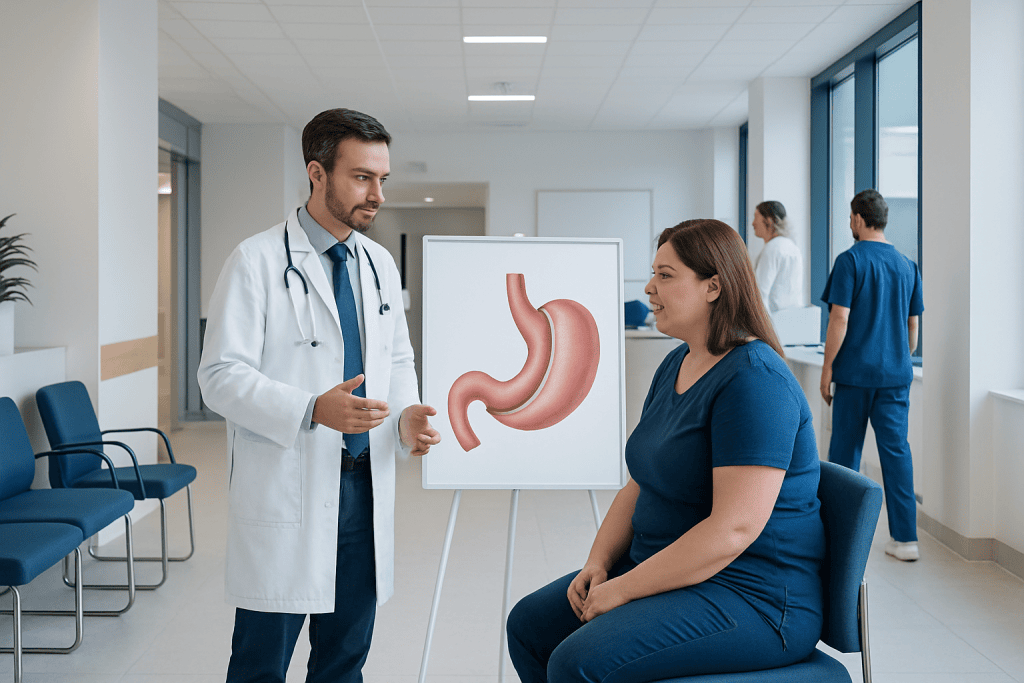
Gastric sleeve surgery removes a large portion of the stomach, leaving a narrow sleeve-shaped stomach. The process usually includes preoperative tests, anesthesia, laparoscopic surgery, early walking, and a staged liquid diet.
Key Takeaways
- Gastric sleeve surgery removes a large portion of the stomach, leaving a narrow sleeve-shaped stomach.
- The process usually includes preoperative tests, anesthesia, laparoscopic surgery, early walking, and a staged liquid diet.
- Most patients stay in hospital for a short period while the care team monitors pain control, hydration, and early recovery.
- Long-term success depends on follow-up care, nutrition guidance, vitamin supplementation, and lifestyle changes.
- Patients should contact a doctor promptly for fever, worsening pain, vomiting, dehydration, or breathing problems after discharge.
Gastric sleeve surgery is a weight-loss operation that reduces the size of the stomach and is usually performed laparoscopically. Understanding each stage, from preoperative admission to discharge home, can help patients feel informed, prepared, and more confident about recovery.
Overview: What Gastric Sleeve Surgery Involves
Gastric sleeve surgery, also called sleeve gastrectomy, is a bariatric procedure designed to support significant weight loss. During the operation, the surgeon removes a large part of the stomach and leaves behind a smaller, tube-shaped stomach or “sleeve.” This limits how much food can be eaten at one time and may also reduce hunger-related hormones.
It is most often recommended for people with obesity when lifestyle changes alone have not led to enough weight loss or when excess weight is affecting health. For some patients, this may include people living with morbid obesity or obesity-related conditions such as type 2 diabetes, sleep apnea, high blood pressure, or joint problems.
Many procedures are done using minimally invasive techniques, which means several small incisions rather than one large cut. Laparoscopic surgery often helps shorten recovery time, reduce pain, and support earlier movement after the operation. Gastric sleeve surgery is one of several options within bariatric surgery, and the most suitable choice depends on the patient’s medical history, weight-loss goals, and overall health.
Before Admission: Evaluation and Preparation
Preparation usually begins well before the day of surgery. Patients typically meet a multidisciplinary team that may include a bariatric surgeon, anesthesiologist, dietitian, nurse, and sometimes a psychologist or internal medicine specialist. The team reviews health history, previous surgeries, current medicines, allergies, eating habits, and readiness for long-term lifestyle changes.
Preoperative testing may include blood tests, an electrocardiogram, chest imaging, and sometimes an upper gastrointestinal evaluation or sleep study, depending on the patient’s needs. These checks help identify conditions that could affect anesthesia or recovery. Patients may also be advised to stop smoking, adjust certain medications, and follow a special preoperative diet to help reduce liver size and make surgery safer.
On the practical side, patients are usually asked not to eat or drink for a set period before surgery. They should bring comfortable clothing, a list of medications, and any documents requested by the hospital. Understanding what will happen during admission can reduce stress and make the hospital experience smoother.
Day of Admission: Check-In and Final Preoperative Steps
On the day of admission, the hospital team confirms identity, reviews consent forms, and checks the planned procedure. Vital signs such as blood pressure, pulse, temperature, and oxygen level are recorded. A nurse may place an intravenous line so fluids and medications can be given before and after surgery.
The surgical and anesthesia teams usually meet the patient again to answer final questions. They review fasting status, medications taken that morning, and any new symptoms such as cough, fever, or infection. This final review helps confirm that it is safe to proceed.
Compression stockings or devices may be used to help lower the risk of blood clots during and after surgery. In many hospitals, the patient also receives preventive measures such as antibiotics, depending on clinical protocols. The period before entering the operating room can feel emotional, but the care team is there to guide each step clearly and safely.
In the Operating Room: Gastric Sleeve Surgery Step by Step
Once in the operating room, the patient receives general anesthesia, which means they are fully asleep and do not feel pain during the operation. The anesthesiology team continuously monitors breathing, heart rate, blood pressure, and oxygen levels throughout the procedure. After anesthesia begins, the abdomen is cleaned and prepared in a sterile way.
The surgeon usually makes several small incisions in the abdomen and inserts a camera and slender instruments. The stomach is carefully separated from surrounding tissues, and a sizing tube is often used to guide the shape of the new stomach. The surgeon then removes a large portion of the stomach and seals the remaining section with surgical staples, creating the sleeve-shaped stomach.
Before finishing, the team checks the staple line and the surgical area carefully. Depending on the case and hospital protocol, the surgeon may test for leaks or bleeding and then remove the instruments and close the small incisions. Patients considering gastric sleeve surgery often find it reassuring to know that the procedure typically does not involve rerouting the intestines, unlike gastric bypass surgery.
Although techniques can vary, the operation is generally completed within a few hours. After surgery, the patient is moved to a recovery area where close observation continues as the anesthesia wears off.
Recovery in Hospital: The First 24 to 48 Hours
In the recovery room, nurses monitor breathing, circulation, pain levels, and alertness. It is common to feel sleepy, thirsty, or mildly nauseated at first. Some people also notice shoulder discomfort or abdominal bloating related to the gas used during laparoscopic surgery. These symptoms are usually temporary and tend to improve as recovery progresses.
Once the patient is stable, they are transferred to a hospital room. Early movement is an important part of care, so patients are usually encouraged to sit up, move their legs, and walk with assistance as soon as it is safe. This supports circulation, lowers the risk of blood clots, and can help reduce gas discomfort.
Fluids are given carefully in small amounts according to the surgeon’s and dietitian’s instructions. The healthcare team watches for warning signs such as uncontrolled pain, fast heart rate, breathing difficulty, fever, or trouble drinking enough fluids. Most patients stay in hospital for a short period, but the exact length depends on overall health, the course of surgery, and how well early recovery is going.
Diet Progression, Pain Control, and Discharge Planning
After gastric sleeve surgery, the stomach needs time to heal, so eating resumes in stages. Patients usually begin with very small sips of clear liquids and then move through a planned diet progression over days and weeks. The next phases commonly include full liquids, pureed foods, soft foods, and then more regular textures as advised by the bariatric dietitian and surgeon.
Pain is often manageable with medication, and the team aims to keep the patient comfortable enough to breathe deeply, walk, and drink fluids. Nausea medicines may also be provided if needed. Before discharge, patients are taught how to care for incisions, how much to drink, what symptoms to watch for, and when to take prescribed medications or supplements.
Discharge usually happens once the patient is medically stable, able to drink enough fluids, walk safely, and manage pain with oral medication. Instructions often include:
- Following the prescribed staged diet exactly
- Taking vitamin and mineral supplements as recommended
- Walking regularly but avoiding heavy lifting for a period
- Keeping follow-up appointments with the bariatric team
- Contacting the hospital if vomiting, fever, dehydration, or severe pain occurs
For some patients, other approaches such as stomach reduction without surgery or different bariatric procedures may also be discussed during counseling, but discharge teaching after sleeve surgery focuses on healing, hydration, and safe adjustment to the smaller stomach.
Recovery at Home and Long-Term Follow-Up
The first days at home are focused on rest, hydration, gentle walking, and following the recommended diet. Because the stomach is much smaller, sipping fluids slowly throughout the day becomes very important. Dehydration can happen if drinking is difficult, so patients are encouraged to follow their care team’s fluid goals and avoid rushing meals or drinks.
Energy levels may improve gradually over the first few weeks. Many patients return to light daily activities relatively soon, but full recovery varies. Incision soreness, fatigue, and changes in appetite are common early on. The care team will advise when driving, work, exercise, and more strenuous activity can safely resume.
Long-term success after sleeve gastrectomy depends on more than the operation itself. Ongoing follow-up helps monitor weight loss, nutrition, vitamin levels, and any digestive symptoms. Patients may need regular blood tests and lifelong attention to eating patterns, protein intake, supplementation, sleep, and physical activity. This is also the time to discuss any concerns such as reflux, constipation, food intolerance, or emotional adjustment.
Near the end of recovery planning, some patients choose centers with coordinated international services. Acibadem International’s multidisciplinary specialists and JCI-accredited hospitals diagnose and treat obesity and perform bariatric procedures for international patients, with care plans tailored to individual needs.
Possible Risks and When to See a Doctor
Like any major operation, gastric sleeve surgery has potential risks, even though it is commonly performed and often well tolerated in experienced hands. Possible complications can include bleeding, infection, blood clots, narrowing of the sleeve, leakage from the staple line, nutritional deficiencies, acid reflux, or problems related to anesthesia. The surgical team discusses these risks carefully before treatment so patients can make an informed decision.
Most postoperative symptoms improve steadily, but some warning signs need prompt medical attention. Patients should contact a doctor or seek urgent care if they have trouble breathing, chest pain, a persistent fast heart rate, fever, increasing abdominal pain, repeated vomiting, inability to keep fluids down, signs of dehydration, or redness and drainage from incisions.
It is also important to speak to the care team if weight loss seems unexpectedly poor, if eating becomes difficult, or if symptoms such as severe heartburn continue. Regular follow-up makes it easier to identify concerns early and adjust the treatment plan when needed. With proper monitoring and support, many patients recover well and build healthier long-term habits after surgery.
Frequently asked questions
How long does gastric sleeve surgery usually take?
The operation commonly takes a few hours, although exact timing varies from one patient to another. Preparation, anesthesia, and time in recovery add to the overall hospital day.
How many days do patients stay in hospital after gastric sleeve surgery?
Many patients stay for a short period, often around one to two days, depending on recovery. The team looks at pain control, mobility, hydration, and the absence of early complications before discharge.
Is gastric sleeve surgery painful?
Some discomfort is expected after surgery, especially around the abdomen and from the gas used during laparoscopy. Pain is usually managed with medication, and walking early often helps reduce stiffness and gas-related discomfort.
When can eating start after sleeve gastrectomy?
Eating restarts gradually and begins with very small amounts of clear liquids, based on the surgeon’s instructions. Over time, the diet progresses through liquids, pureed foods, soft foods, and then regular textures as tolerated.
How much weight can someone lose after gastric sleeve surgery?
Weight loss varies according to starting weight, eating habits, physical activity, and follow-up care. The procedure is a tool rather than a cure on its own, so long-term success depends on consistent lifestyle changes and medical monitoring.
Will vitamins be needed after gastric sleeve surgery?
Yes, many patients need vitamin and mineral supplements after surgery to help prevent deficiencies. The exact supplement plan should come from the bariatric team and may be adjusted over time based on blood tests.
When should a patient call the doctor after going home?
A doctor should be contacted promptly for fever, repeated vomiting, worsening abdominal pain, breathing problems, dehydration, chest pain, or concerning incision changes. It is always safer to ask early if symptoms do not seem to be improving as expected.
References
- World Health Organization
- American Society for Metabolic and Bariatric Surgery
- National Institute of Diabetes and Digestive and Kidney Diseases
- National Health Service
- Mayo Clinic
This article is for general information only and is not a substitute for professional medical advice. Please consult a qualified doctor about your individual situation.
Gastric Sleeve Surgery in Turkey — costs, top hospitals & a free quote
JCI-accredited · board-certified surgeons · reply within 24h
Add us as a Preferred Source to see more of our trusted health content across Google Search, AI Overviews and Discover.
Check your numbers in seconds
BMI, calories, due date, blood pressure and 30+ more clinical calculators — free, instant, doctor-reviewed ranges.

Bariatric & Metabolic Surgery
Surgical and endoscopic treatments for obesity and metabolic conditions.