Brain and Spine Infections: How Neuroinfectious Disease Specialists Make the Diagnosis

Brain and spine infections can affect the meninges, brain tissue, spinal cord, vertebrae, or nearby spaces. Symptoms vary but may include fever, headache, neck stiffness, confusion, weakness, seizures, or back pain.
Key Takeaways
- Brain and spine infections can affect the meninges, brain tissue, spinal cord, vertebrae, or nearby spaces.
- Symptoms vary but may include fever, headache, neck stiffness, confusion, weakness, seizures, or back pain.
- Diagnosis often combines neurological examination, blood tests, MRI or CT scans, and analysis of cerebrospinal fluid.
- Early treatment may begin before all test results return, especially when a serious infection is suspected.
- The exact treatment depends on whether the infection is caused by bacteria, viruses, fungi, parasites, or tuberculosis.
- Urgent medical care is important for sudden neurological symptoms, severe headache, altered consciousness, or seizures.
Brain and spine infections are serious conditions that need prompt, accurate diagnosis to protect the brain, spinal cord, and surrounding tissues. Neuroinfectious disease specialists use a combination of history, neurological examination, imaging, and laboratory testing to identify the cause and guide treatment.
Overview of Brain and Spine Infections
Brain and spine infections are infections that involve the central nervous system or the structures around it. They may affect the meninges, which are the protective layers around the brain and spinal cord, the brain tissue itself, the spinal cord, the vertebrae, or the spaces around the spine. Examples include meningitis, encephalitis, brain abscess, spinal epidural abscess, and infections of the vertebrae or discs.
Because these areas are delicate and essential for normal body function, even a small infection can cause significant symptoms. A person may develop headache, fever, neck stiffness, confusion, weakness, changes in speech, seizures, or severe back pain, depending on where the infection is located and how quickly it progresses.
Neuroinfectious disease specialists are doctors with expertise in infections that affect the nervous system. They often work closely with neurologists, neurosurgeons, radiologists, microbiology laboratories, and critical care teams. Their role is not only to confirm that an infection is present, but also to determine which organism is causing it, how urgent the situation is, and which treatment is most appropriate.
Common Types and Symptoms
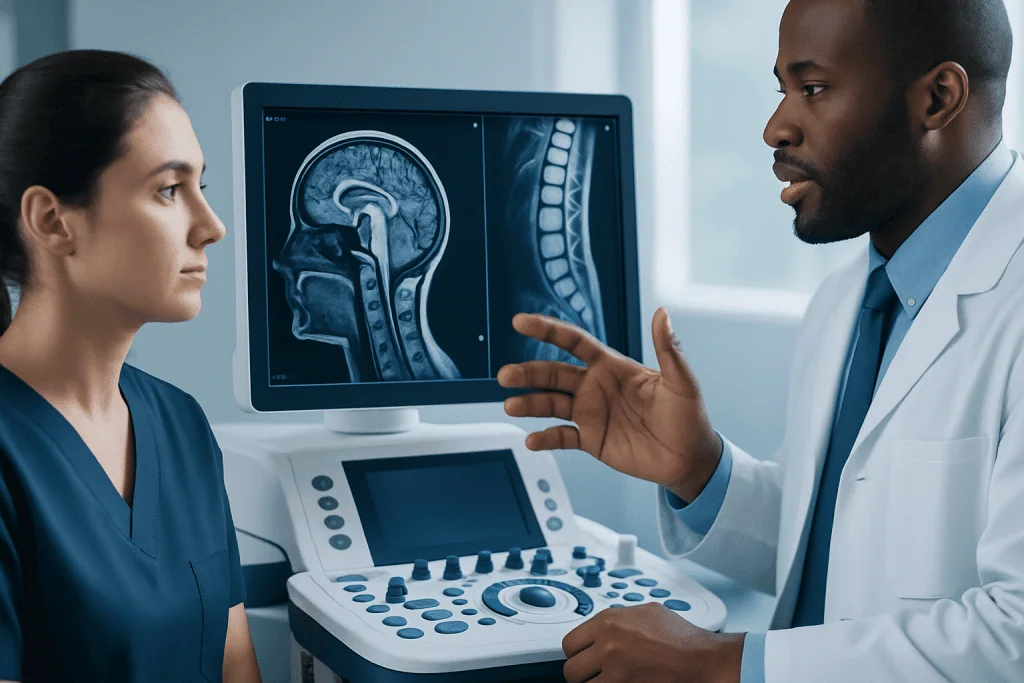
Symptoms depend on the location of the infection. Meningitis often causes fever, headache, neck stiffness, sensitivity to light, nausea, and a general feeling of illness. Encephalitis may cause confusion, unusual behavior, memory problems, drowsiness, difficulty speaking, seizures, or weakness. Some people develop symptoms over hours, while others worsen more gradually over days.
Spinal infections can look different. An infection in the vertebrae or spinal epidural space may cause intense or persistent back pain, fever, pain that radiates into the arms or legs, numbness, weakness, or difficulty walking. If pressure builds around the spinal cord, bladder or bowel symptoms can also occur and need urgent attention.
Not everyone has the classic warning signs. Older adults, people with weakened immune systems, and very young children may present with less specific symptoms such as fatigue, poor appetite, irritability, or changes in alertness. This is one reason why specialist assessment can be so important when a neurological infection is suspected.
- Headache that is severe or unusual
- Fever with neck stiffness
- Confusion or reduced alertness
- Seizures
- New weakness, numbness, or trouble speaking
- Severe back pain with fever or neurological symptoms
Causes and Risk Factors
Brain and spine infections can be caused by bacteria, viruses, fungi, parasites, or tuberculosis. Bacterial infections generally require urgent treatment because they can progress quickly. Viral infections are also important, especially when they affect brain tissue. Fungal and parasitic infections are less common, but they can occur in certain situations, particularly in people with weakened immune systems or relevant travel or environmental exposures.
The source of infection is not always obvious. Some infections spread through the bloodstream from another part of the body, such as the lungs, skin, sinuses, teeth, or urinary tract. Others may develop after head trauma, spine procedures, neurosurgery, or implantation of devices such as shunts. In some cases, the infection reaches the nervous system directly from a nearby site, such as the ear or sinus.
Risk factors include a weakened immune system, diabetes, cancer treatment, organ transplantation, HIV infection, long-term steroid use, intravenous drug use, recent surgery, or recent infections elsewhere in the body. Travel history, animal exposures, tick bites, food exposures, and vaccination status may also provide important clues. A neuroinfectious disease specialist carefully reviews these details because they can narrow the list of likely causes and shape the testing plan.
How Neuroinfectious Disease Specialists Make the Diagnosis
Diagnosis starts with a detailed medical history and neurological examination. The specialist asks when symptoms began, how quickly they changed, whether there has been fever, recent illness, travel, animal exposure, immune suppression, surgery, or contact with anyone who was unwell. The neurological examination checks mental status, speech, strength, coordination, sensation, reflexes, neck stiffness, and signs of increased pressure inside the skull.
Imaging is often one of the first steps, especially when symptoms suggest brain swelling, an abscess, or a spinal infection. A CT scan may be used quickly in emergency settings, but MRI is often more detailed for the brain, spinal cord, vertebrae, and surrounding tissues. In some situations, specialists may recommend MRI or CT imaging to look for inflammation, fluid collections, pressure effects, or structural problems that could affect the safety of further testing.
One of the most important tests is analysis of cerebrospinal fluid, usually obtained through a lumbar puncture, also called a spinal tap. This fluid can be checked for white blood cells, protein, glucose, and signs of bacteria, viruses, fungi, or tuberculosis. Modern laboratory methods may include cultures, antigen testing, molecular tests such as PCR, and other specialized studies. Blood tests, blood cultures, and sometimes testing from other body sites may also help identify the source.
Neuroinfectious disease diagnosis is often a process of combining many pieces of information rather than relying on one test alone. For example, MRI findings may suggest an infection, cerebrospinal fluid may show inflammation, and blood cultures may identify the organism. The specialist then interprets all of these findings together to decide whether the problem is infectious, inflammatory, autoimmune, vascular, or related to another neurological condition.
Why Diagnosis Can Be Challenging
Brain and spine infections do not always present in a textbook way. Early symptoms may resemble migraine, flu, stroke, autoimmune disease, medication side effects, or other neurological disorders. A person may have fever and headache without a clear source, or confusion without neck stiffness. In spinal infections, severe back pain may be mistaken for a musculoskeletal problem at first.
Another challenge is that test results can evolve over time. Early imaging may be normal, or the first cerebrospinal fluid sample may not yet reveal a clear organism. Prior use of antibiotics can also affect culture results. For this reason, specialists may need to repeat imaging, repeat laboratory testing, or broaden the evaluation while monitoring symptoms closely.
The location of the infection matters as well. Deep brain infections, infections involving implanted devices, and infections in people with immune suppression may require especially careful interpretation of results. In some cases, doctors involve neurosurgery or interventional radiology to obtain a sample directly from an abscess or infected area when it is safe and necessary.
Treatment Options After Diagnosis
Treatment depends on the cause, severity, and exact location of the infection. When doctors strongly suspect a serious bacterial infection, treatment is often started immediately rather than waiting for every result to return. This may include intravenous antibiotics and close monitoring in the hospital. If a viral cause such as herpes virus is suspected, antiviral treatment may be started early as well.
Other infections may need antifungal, antiparasitic, or anti-tuberculosis therapy. Supportive care is equally important and may include fluids, fever control, seizure management, treatment for swelling in the brain, pain relief, and rehabilitation if neurological symptoms affect movement, speech, or daily function. For some spinal or brain infections, surgical drainage or removal of infected material may be necessary.
When imaging or clinical findings show a collection of pus, pressure on the spinal cord, or concern for a brain lesion that needs further evaluation, a multidisciplinary team may consider procedures to confirm the diagnosis and relieve pressure. In selected cases, neurosurgical treatment or image-guided sampling can help identify the organism and improve outcomes.
At the end of the diagnostic journey, clear communication is important. Patients and families often want to know what caused the infection, how treatment will be monitored, and whether there may be lasting effects. Specialists usually follow symptoms, repeat blood work or imaging when needed, and adjust treatment based on laboratory results and clinical progress.
Prevention and Self-Care
Not every brain or spine infection can be prevented, but some practical steps can reduce risk. Keeping routine vaccinations up to date, treating infections in other parts of the body promptly, and following wound care instructions after surgery or injury are all helpful. People with chronic conditions such as diabetes may lower risk by keeping those conditions well managed with the help of their doctor.
General infection prevention also matters. Hand hygiene, food safety, avoiding unsafe injections, and seeking care for persistent fever or unexplained neurological symptoms can make a difference. People who travel or spend time in areas where tick-borne, mosquito-borne, or fungal infections are more common may need additional precautions based on local advice.
Self-care should never replace medical evaluation when a central nervous system infection is possible. Rest, hydration, and over-the-counter remedies may ease mild symptoms from common illnesses, but they are not enough for severe headache, confusion, seizures, progressive weakness, or fever with neck stiffness. If there is concern for a brain or spine infection, timely assessment is the safest step.
When to See a Doctor
Urgent medical attention is needed for symptoms such as severe headache, high fever, neck stiffness, confusion, fainting, seizure, new weakness, difficulty speaking, loss of balance, or severe back pain with fever. These symptoms do not always mean a brain or spine infection is present, but they should be evaluated quickly because time-sensitive conditions can look similar.
People with recent neurosurgery, a spinal procedure, head injury, cancer treatment, immune suppression, or an implanted neurological device should seek medical advice promptly if they develop concerning symptoms. Early assessment can help doctors decide which tests are needed and whether treatment should begin right away.
For international patients who need expert evaluation, Acibadem International offers multidisciplinary assessment for neuroinfectious conditions in JCI-accredited hospitals. Depending on the situation, specialists may coordinate neurological examination, laboratory testing, advanced imaging, lumbar puncture, and hospital-based treatment planning in a single care pathway.
Frequently asked questions
What is a neuroinfectious disease specialist?
A neuroinfectious disease specialist is a doctor with expertise in infections that affect the brain, spinal cord, and surrounding tissues. They help determine whether symptoms are caused by an infection, identify the organism, and guide treatment with other specialists such as neurologists and neurosurgeons.
How do doctors tell if an infection is in the brain or spine?
Doctors use a combination of medical history, neurological examination, blood tests, imaging, and sometimes cerebrospinal fluid analysis. MRI is often especially helpful, and a lumbar puncture may provide key information about inflammation and the possible cause.
Is a lumbar puncture always necessary?
Not always, but it is often one of the most useful tests when meningitis or encephalitis is suspected. In some situations, doctors may do brain imaging first to make sure a lumbar puncture can be performed safely.
Can brain and spine infections be treated successfully?
Many brain and spine infections can be treated, especially when they are recognized early and managed promptly. The outlook depends on the organism, the part of the nervous system involved, the person’s overall health, and how quickly treatment begins.
Do these infections always cause fever?
No. Fever is common, but some people may have mild fever or none at all, especially older adults or people with weakened immune systems. That is why symptoms such as confusion, seizures, severe headache, or new neurological changes should still be taken seriously.
Can back pain be a sign of a spinal infection?
Yes. Persistent or severe back pain, especially when it occurs with fever, weakness, numbness, or difficulty walking, can be a warning sign of a spinal infection. It is important to seek medical evaluation rather than assuming the pain is only muscular.
References
- World Health Organization
- Centers for Disease Control and Prevention
- National Institute of Neurological Disorders and Stroke
- Infectious Diseases Society of America
- European Centre for Disease Prevention and Control
This article is for general information only and is not a substitute for professional medical advice. Please consult a qualified doctor about your individual situation.
Joint and spine care in Turkey — expert assessment & treatment
JCI-accredited · board-certified surgeons · reply within 24h
Add us as a Preferred Source to see more of our trusted health content across Google Search, AI Overviews and Discover.